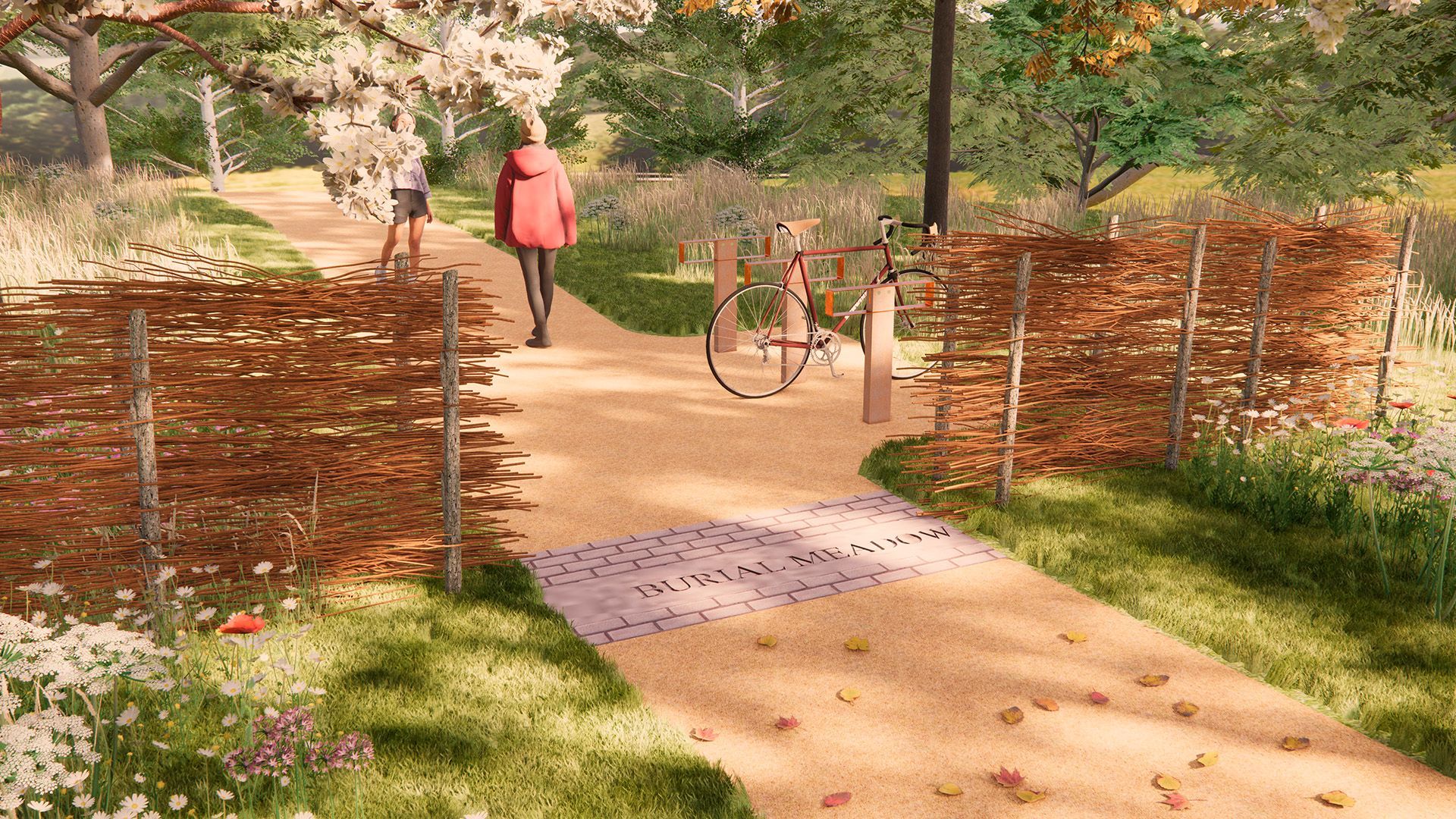


TEP's Environment Grant was established to support projects that inspire environmental learning, raise awareness of environmental issues and encourage positive action. Since launching in 2020, the grant has supported 17 projects across the UK, helping individuals, community groups and organisations bring environmental ideas to life. Now in its seventh year, the grant received a record 102 applications from across the UK. Following a detailed review process, funding has been awarded to two projects that stood out for their innovative approaches to community engagement, environmental awareness and learning.
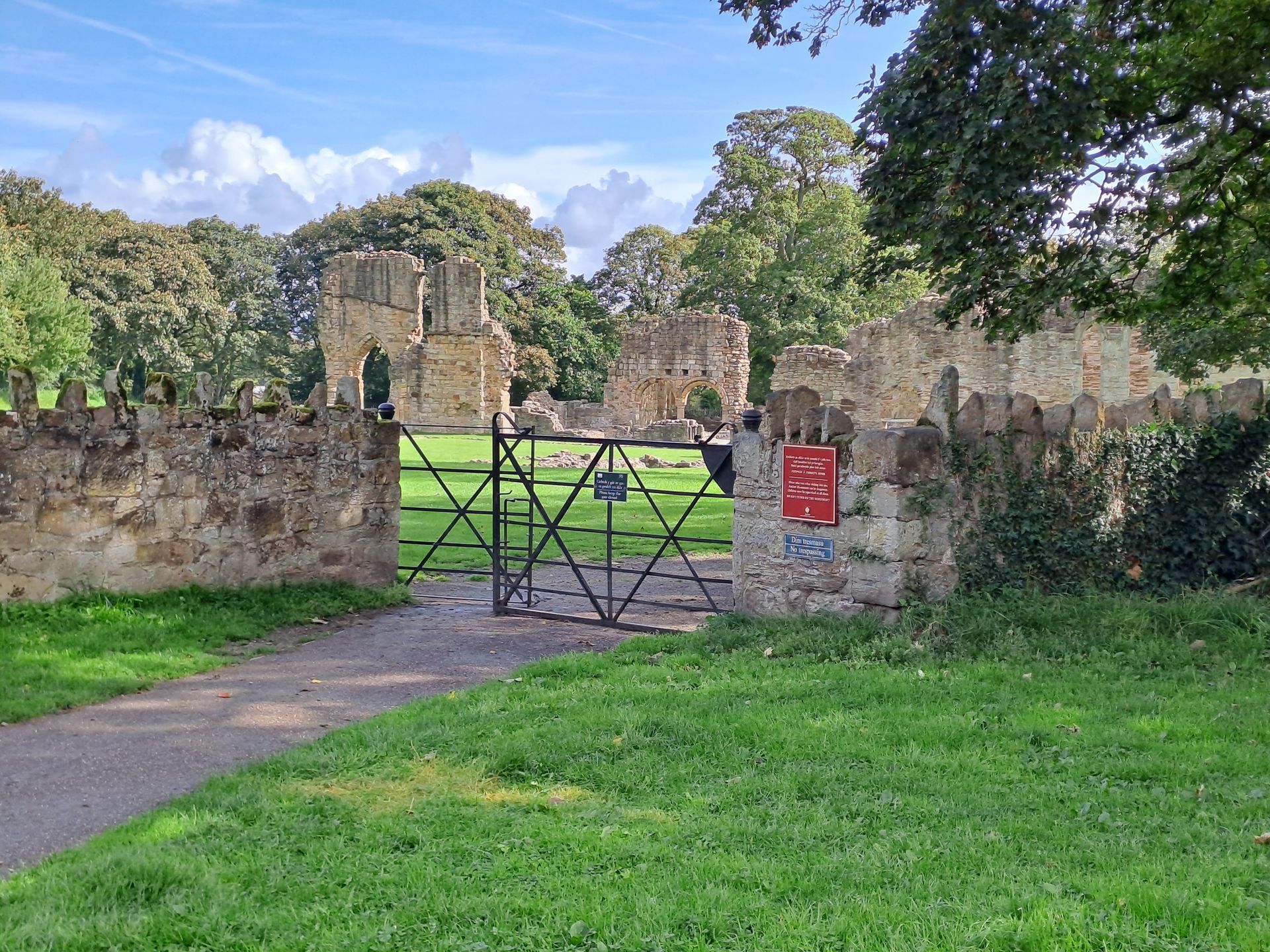
The publication of the new NPPF 2026 represents an important shift in national heritage planning policy. While the fundamental objective of conserving the historic environment remains unchanged, the new framework restructures how that policy is presented and introduces some important changes in how heritage assets are assessed and weighed in decision-making.
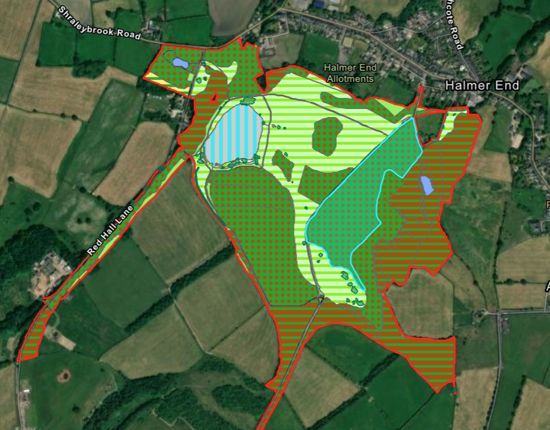
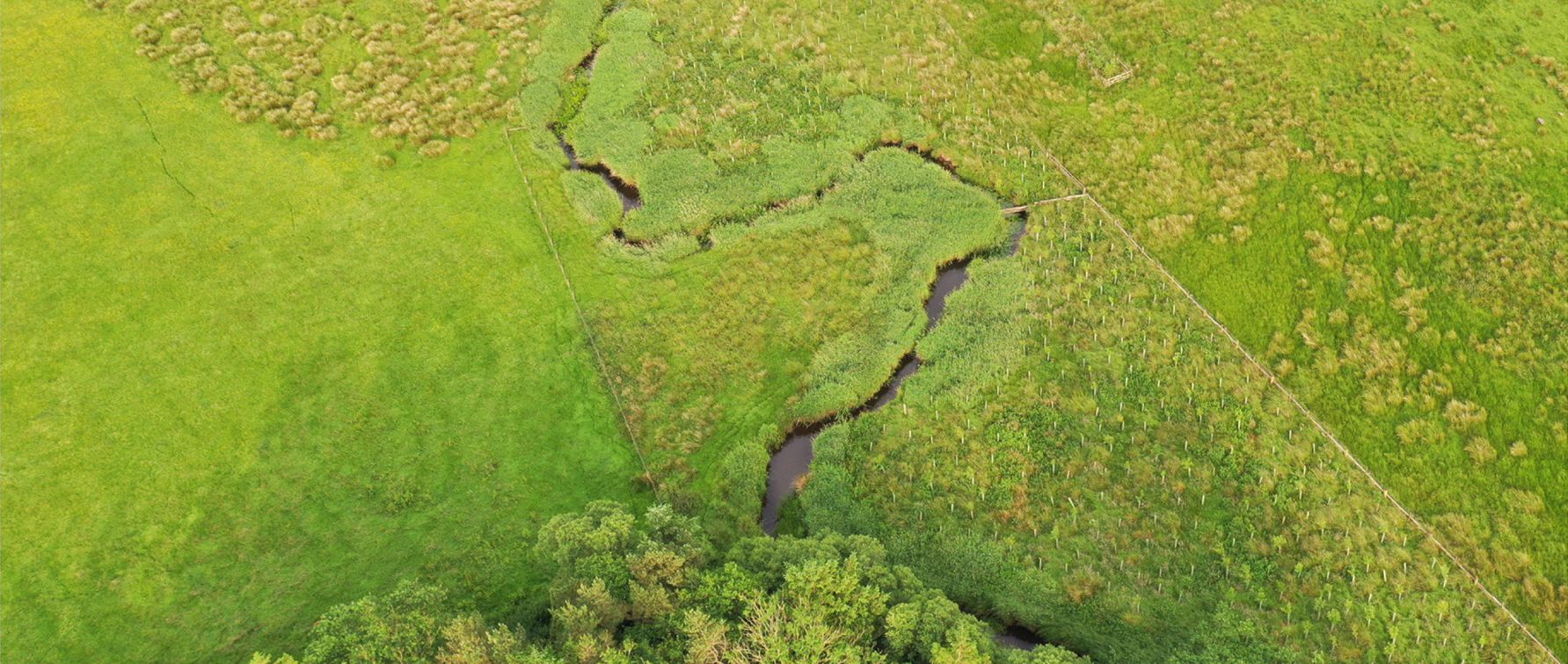
As Biodiversity Net Gain becomes an increasingly important part of the planning system, local authorities are exploring how their land assets can play a greater role in supporting nature recovery while creating long-term environmental value. To help inform its approach, Newcastle-under-Lyme Borough Council commissioned TEP to assess the Biodiversity Net Gain potential across approximately 500 Council-owned landholdings. Using bespoke desk-based software the project sought to establish a robust baseline of biodiversity value, identify opportunities for habitat enhancement and provide strategic recommendations on how the Council could utilise its land assets to support the delivery of Biodiversity Net Gain .
TEP's Environment Grant was established to support projects that inspire environmental learning, raise awareness of environmental issues and encourage positive action. Since launching in 2020, the grant has supported 17 projects across the UK, helping individuals, community groups and organisations bring environmental ideas to life. Now in its seventh year, the grant received a record 102 applications from across the UK. Following a detailed review process, funding has been awarded to two projects that stood out for their innovative approaches to community engagement, environmental awareness and learning.
The publication of the new NPPF 2026 represents an important shift in national heritage planning policy. While the fundamental objective of conserving the historic environment remains unchanged, the new framework restructures how that policy is presented and introduces some important changes in how heritage assets are assessed and weighed in decision-making.
TEP's Environment Grant was established to support projects that inspire environmental learning, raise awareness of environmental issues and encourage positive action. Since launching in 2020, the grant has supported 17 projects across the UK, helping individuals, community groups and organisations bring environmental ideas to life. Now in its seventh year, the grant received a record 102 applications from across the UK. Following a detailed review process, funding has been awarded to two projects that stood out for their innovative approaches to community engagement, environmental awareness and learning.
The publication of the new NPPF 2026 represents an important shift in national heritage planning policy. While the fundamental objective of conserving the historic environment remains unchanged, the new framework restructures how that policy is presented and introduces some important changes in how heritage assets are assessed and weighed in decision-making.
As Biodiversity Net Gain becomes an increasingly important part of the planning system, local authorities are exploring how their land assets can play a greater role in supporting nature recovery while creating long-term environmental value. To help inform its approach, Newcastle-under-Lyme Borough Council commissioned TEP to assess the Biodiversity Net Gain potential across approximately 500 Council-owned landholdings. Using bespoke desk-based software the project sought to establish a robust baseline of biodiversity value, identify opportunities for habitat enhancement and provide strategic recommendations on how the Council could utilise its land assets to support the delivery of Biodiversity Net Gain .