Learning Through Landscapes: TEP’s Educational Outreach

Learning Through Landscapes: TEP’s Educational Outreach

Learning Through Landscapes: TEP’s Educational Outreach
6 February 2026

TEP has a proud history of providing educational outreach activities for schools, charities, and local groups. Our Ecohydrology team are enthusiastic advocates of outreach activities which teach children and adults the benefits of landscape restoration and water systems thinking.


Recent highlights include:


Mourne Mountains National Trust Outreach – Engineers Week


We designed and led an innovative activity at Silent Valley Reservoir during Engineers Week. Over 200 primary school pupils took part in a series of activities that explored the connection between engineering, landscape, and water, including:


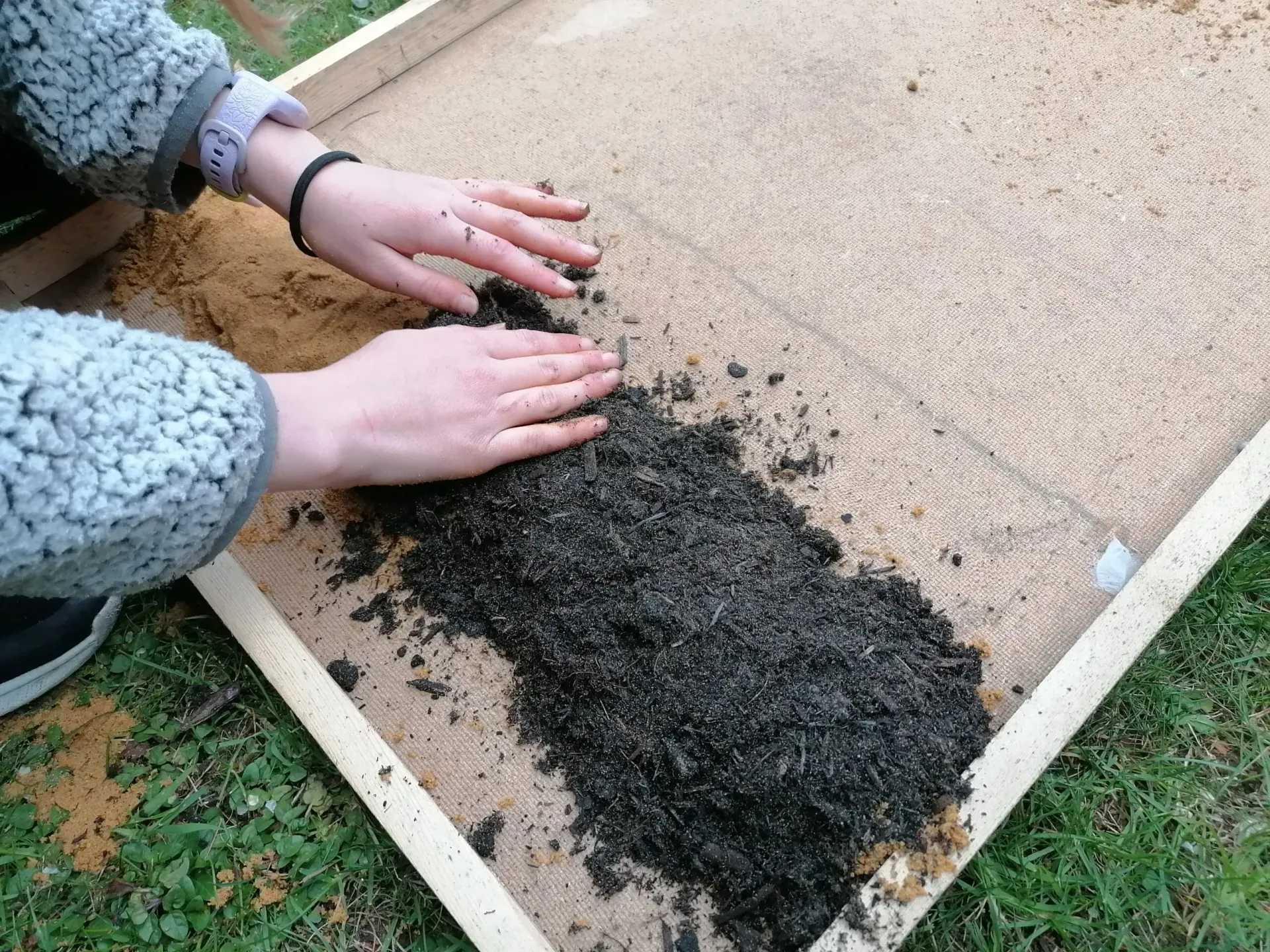
🌿 Measuring peat depth using a real slice from the Mournes: Pupils learned how peat forms (approximately 1mm per year) and its vital role in filtering water in the catchment area before it becomes drinking water for Northern Ireland.


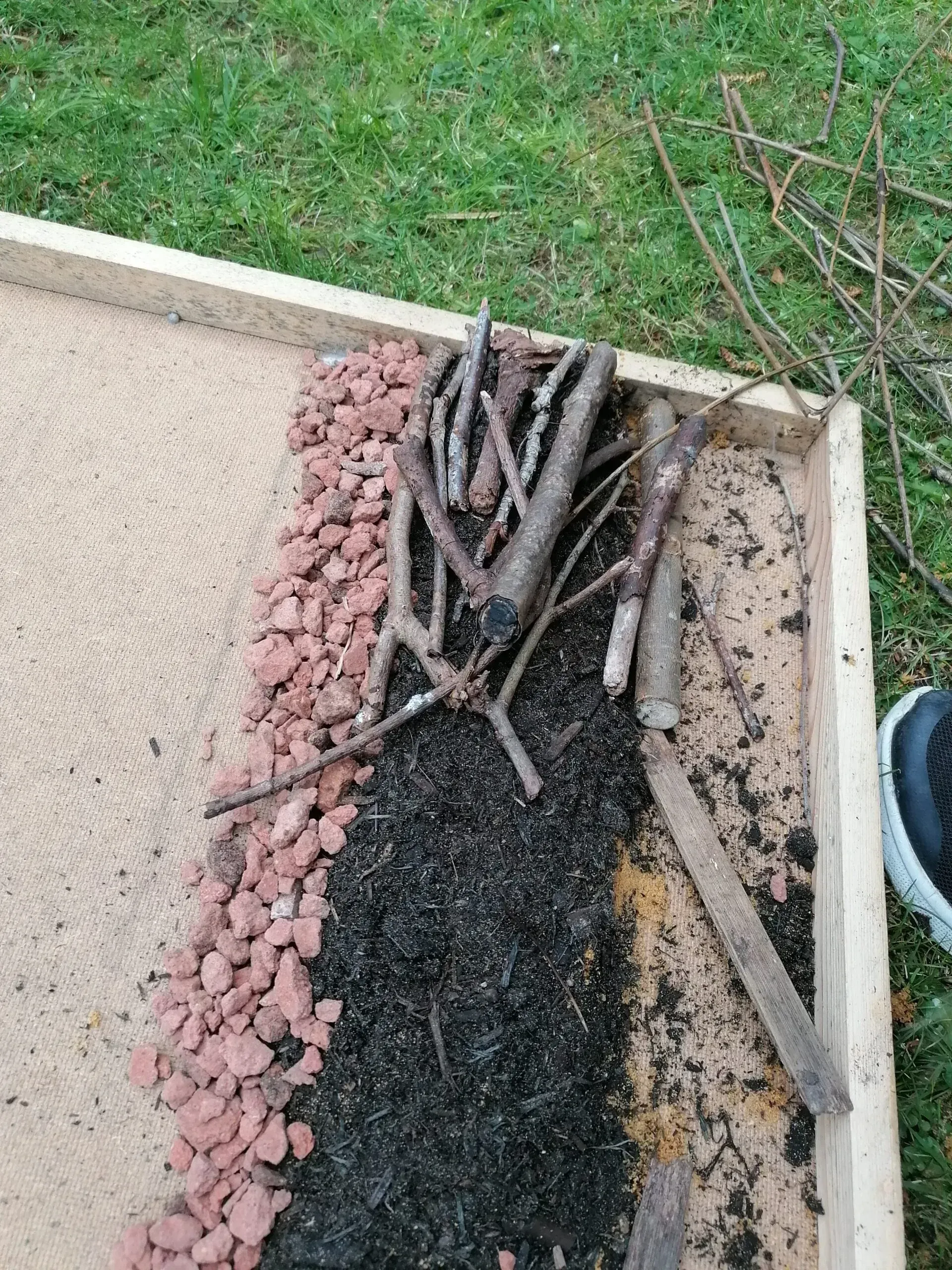
🌿 Creating mini peat restoration dams using natural materials: Hands-on activity to see how small interventions can contribute to large-scale landscape restoration.


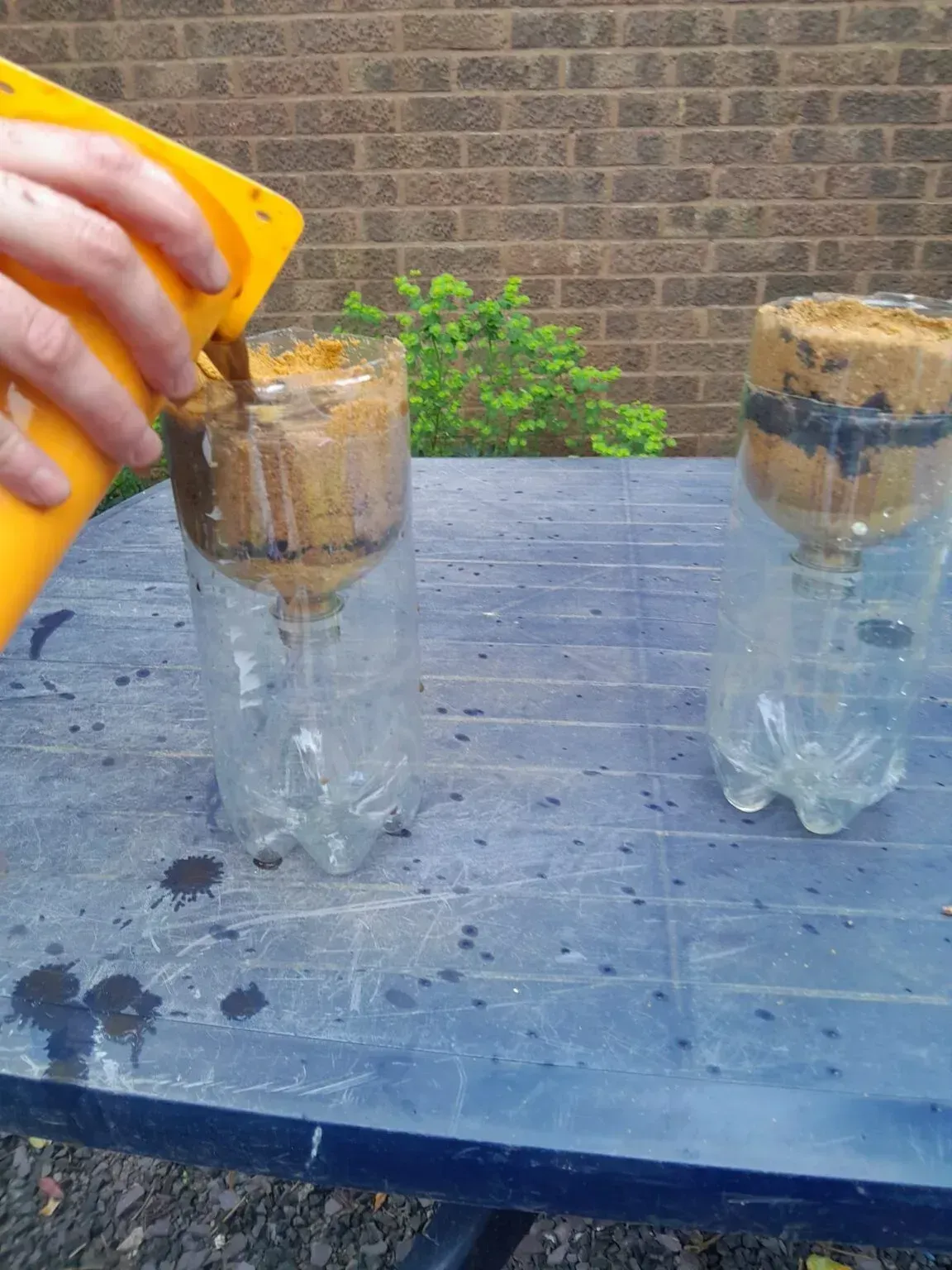
🌿 Building water filters using natural materials: Pupils saw how peat helps cleanse water, reinforcing the idea that a healthy landscape directly benefits people.

Design Your Own Green Roof – London Academy Event


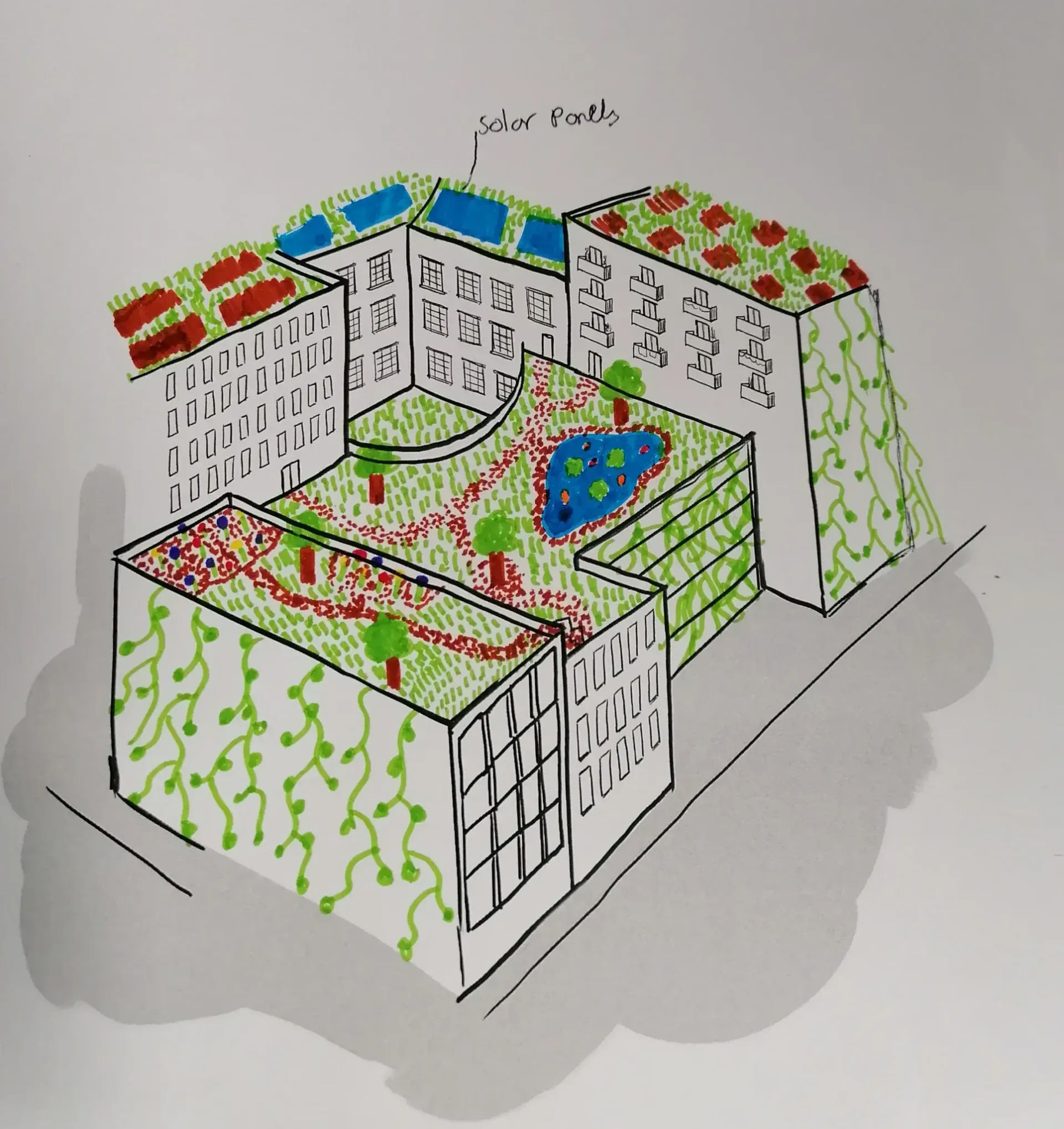
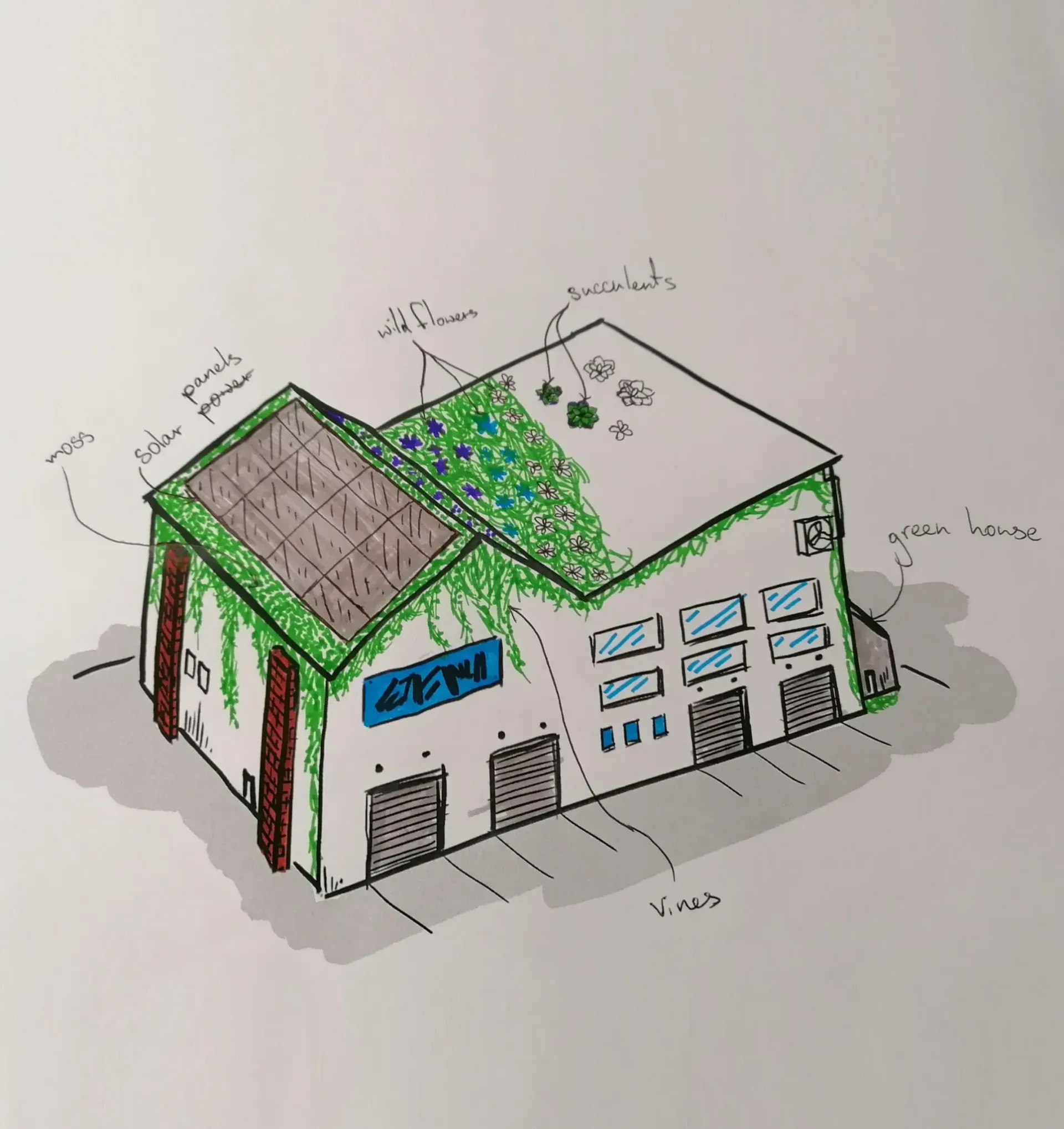
At a large London-based academy, children aged 11–13 received a short lesson on green roofs, their types, and the benefits they offer to cities. They then designed their own green roofs, impressing with forward-thinking ideas such as climbing plants for green walls, flowers for pollinators, and even a fully functional football pitch on the roof!

Water Reuse Game


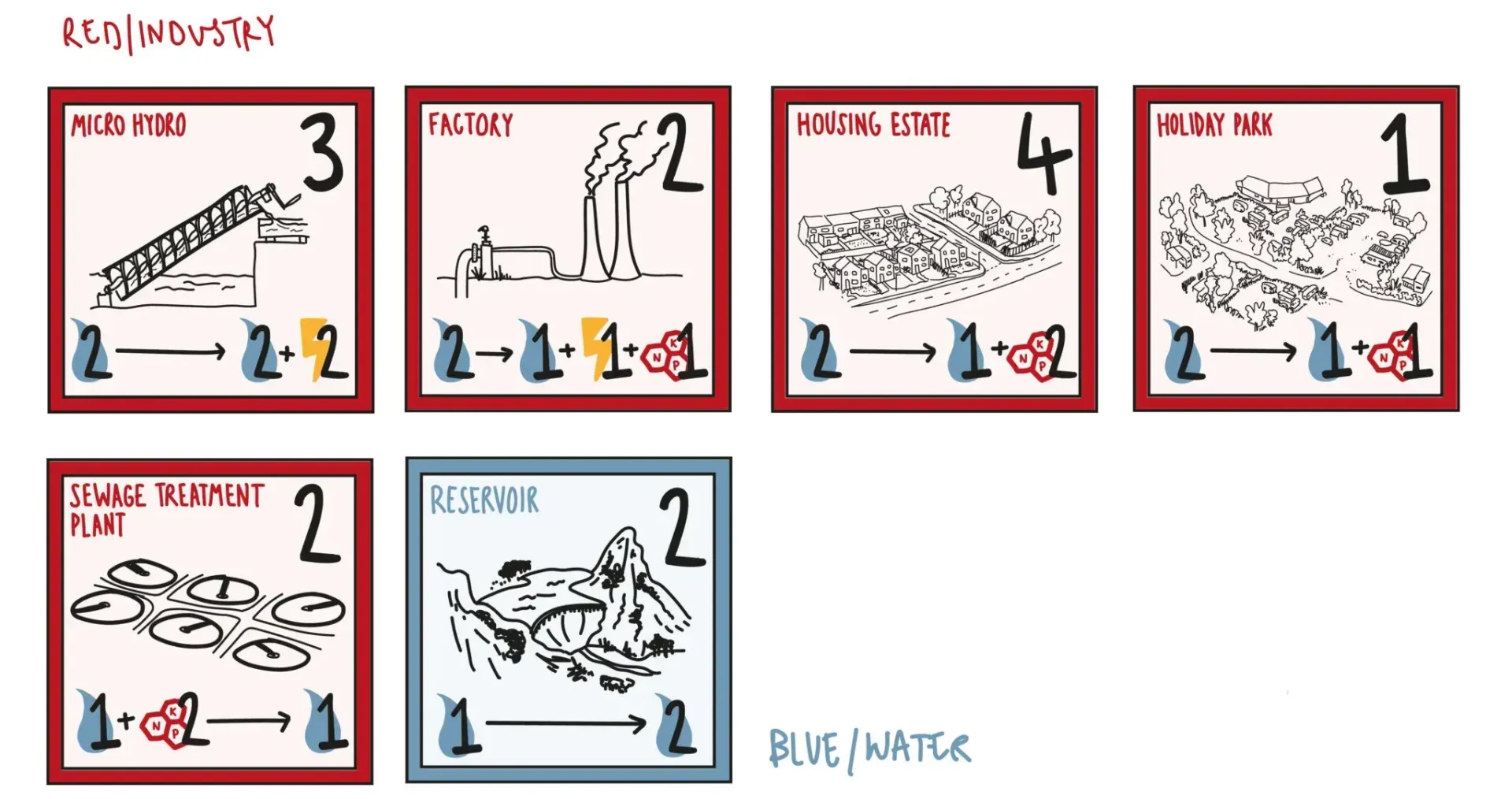
TEP has designed and built a bespoke interactive game focused on water reuse. Participants share limited water resources among different land uses, learning the importance of responsible landscape planning. Points are awarded for supplying water to as many land uses as possible, with bonuses for water reuse and nutrient removal.

Verda Valley Board Game


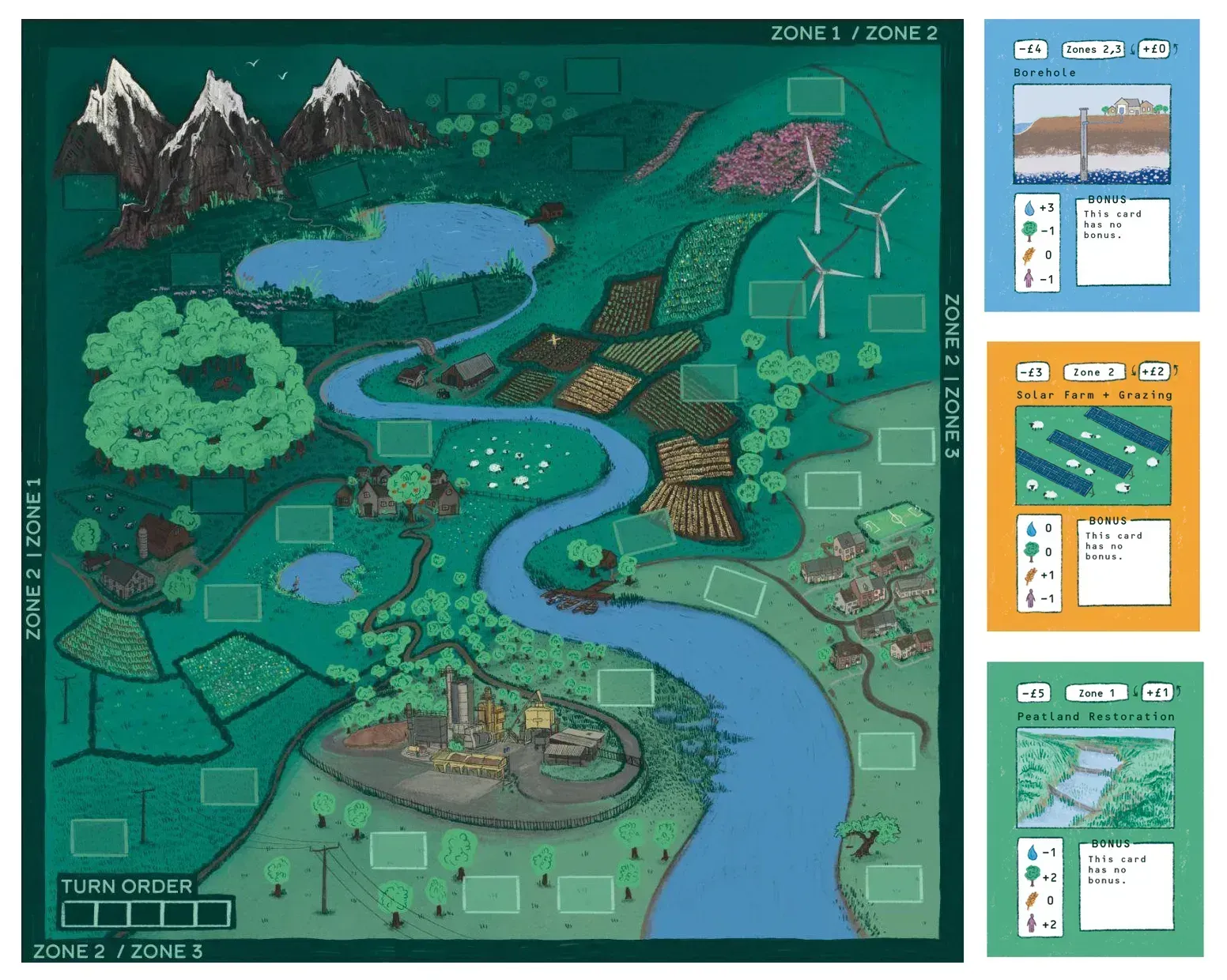
We have developed a full board game called Verda Valley, designed to teach children and adults about integrated land management. Players buy and build different land use industries to gain ecology, people, food, and water points. Players must balance the needs of people, nature, and business to create a sustainable future. TEP staff have helped to demo the game and have provided valuable feedback for version 2, which will be trialled this year!

20 May 2026
Explore what the Energy Independence Bill could mean for renewable energy, planning reform and UK infrastructure projects.
19 May 2026
If you are planning a development, managing land, or need advice on great crested newts or other protected species, contact us today.
22 April 2026
Delivering major infrastructure in sensitive environments requires a coordinated approach, bringing together a range of expertise to understand place, manage risk and support informed decision-making. Our work on the North Hykeham Relief Road (NHRR) in Lincolnshire is a strong example of this in practice, with teams from across TEP working together to support the delivery of this long-planned scheme. A long-planned piece of infrastructure The NHRR forms the final section of Lincoln’s ring road, a scheme that has been identified in Local Plans for around twenty years. As the project progressed, it required careful consideration of environmental constraints, historic assets and landscape character, alongside the practicalities of delivering a major new road. Working alongside Balfour Beatty and the wider project team, we provided a range of services spanning heritage and archaeology, planning, landscape, ecology and arboriculture. A coordinated programme of assessment and support underpinned the development of the scheme. Our Historic Environment team established the baseline through desk-based assessment, consultation and phased archaeological evaluation. This work identified areas of interest including sites of prehistoric activity, the important Roman road of Ermine Street, and a potential Roman villa complex, providing valuable insight into the long-term history of the site. These findings directly informed the design process, helping to shape the scheme in response to the site’s archaeological and historical context. The team also assessed potential impacts on sensitive heritage assets, including listed buildings and conservation areas, ensuring that the historic environment was fully considered as the project evolved.
20 May 2026
Explore what the Energy Independence Bill could mean for renewable energy, planning reform and UK infrastructure projects.
19 May 2026
If you are planning a development, managing land, or need advice on great crested newts or other protected species, contact us today.
20 May 2026
Explore what the Energy Independence Bill could mean for renewable energy, planning reform and UK infrastructure projects.
19 May 2026
If you are planning a development, managing land, or need advice on great crested newts or other protected species, contact us today.
22 April 2026
Delivering major infrastructure in sensitive environments requires a coordinated approach, bringing together a range of expertise to understand place, manage risk and support informed decision-making. Our work on the North Hykeham Relief Road (NHRR) in Lincolnshire is a strong example of this in practice, with teams from across TEP working together to support the delivery of this long-planned scheme. A long-planned piece of infrastructure The NHRR forms the final section of Lincoln’s ring road, a scheme that has been identified in Local Plans for around twenty years. As the project progressed, it required careful consideration of environmental constraints, historic assets and landscape character, alongside the practicalities of delivering a major new road. Working alongside Balfour Beatty and the wider project team, we provided a range of services spanning heritage and archaeology, planning, landscape, ecology and arboriculture. A coordinated programme of assessment and support underpinned the development of the scheme. Our Historic Environment team established the baseline through desk-based assessment, consultation and phased archaeological evaluation. This work identified areas of interest including sites of prehistoric activity, the important Roman road of Ermine Street, and a potential Roman villa complex, providing valuable insight into the long-term history of the site. These findings directly informed the design process, helping to shape the scheme in response to the site’s archaeological and historical context. The team also assessed potential impacts on sensitive heritage assets, including listed buildings and conservation areas, ensuring that the historic environment was fully considered as the project evolved.