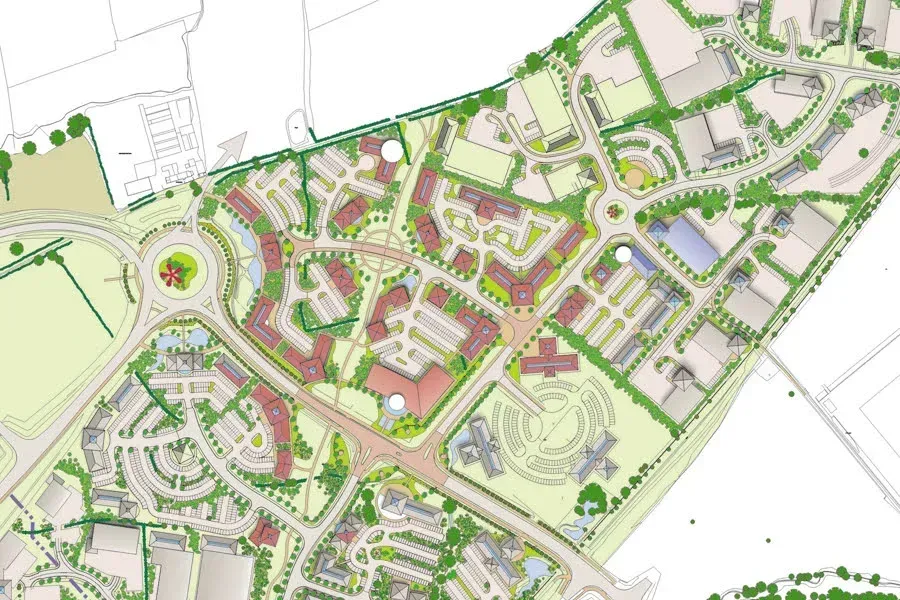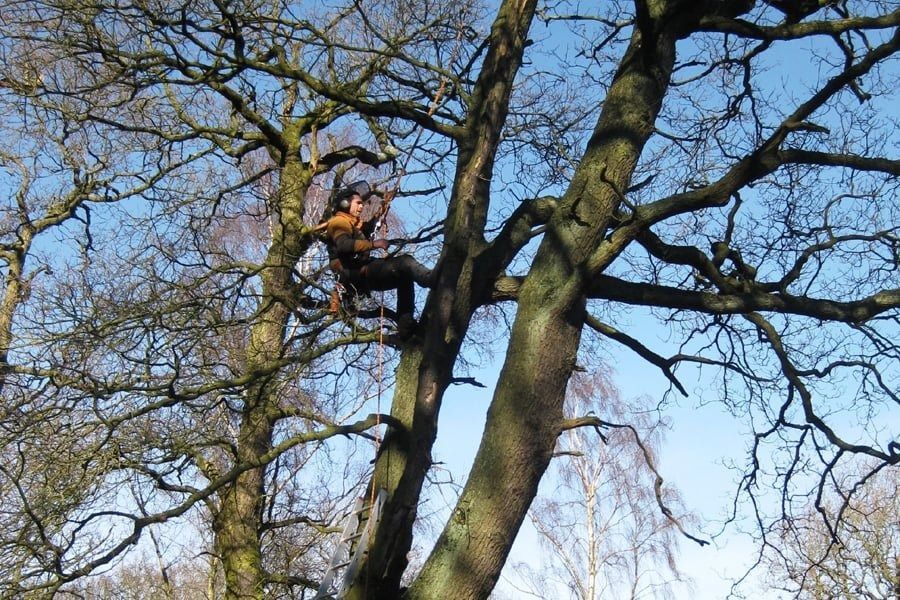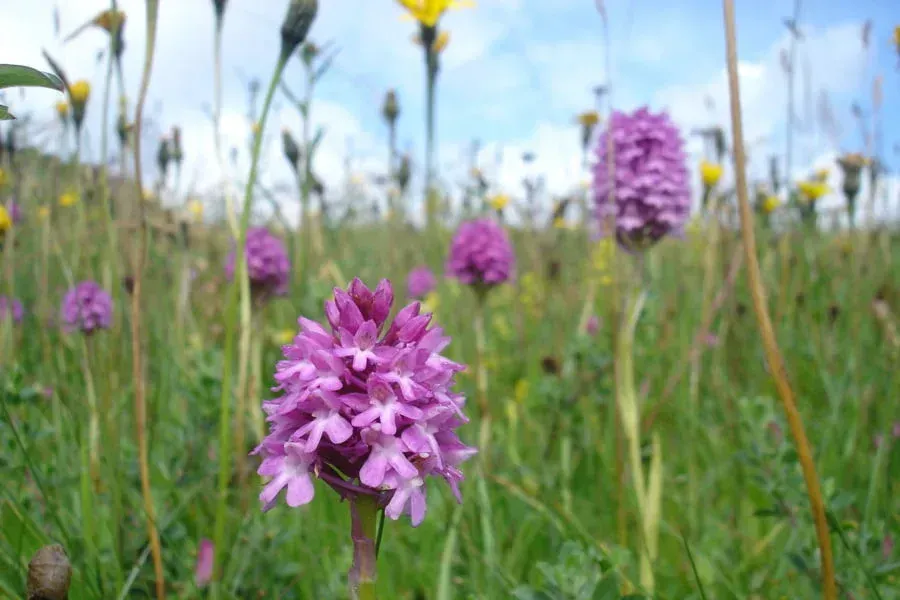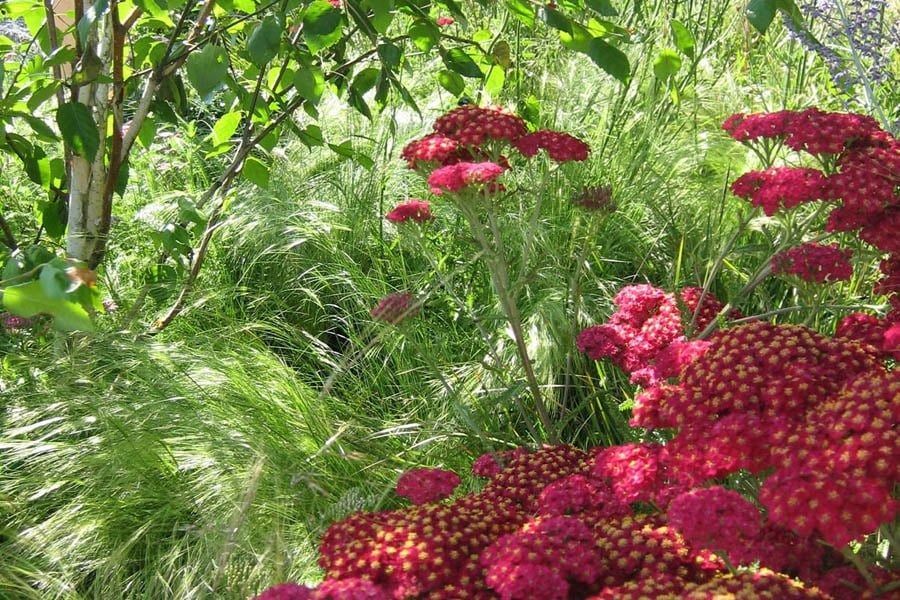


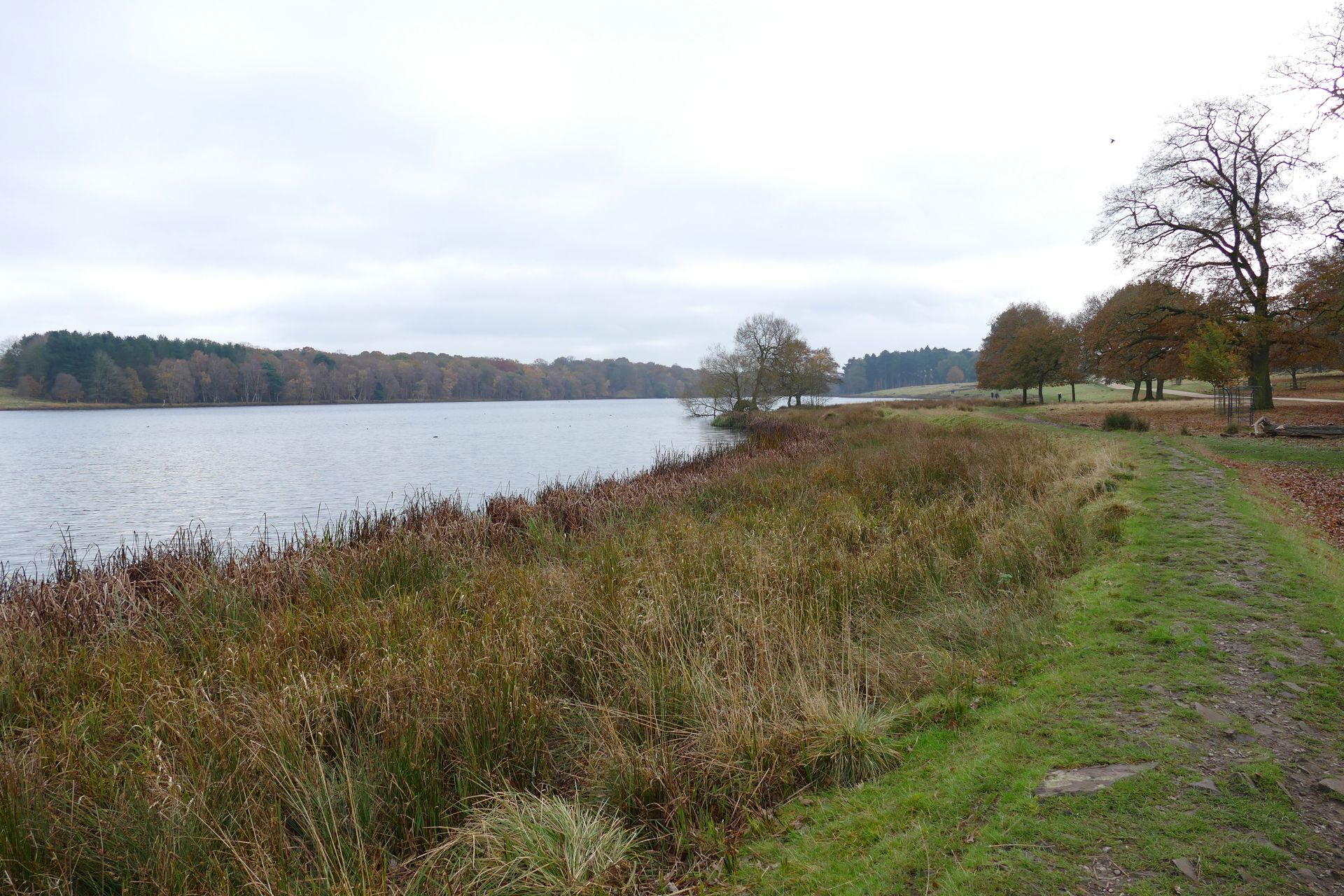
Climate change is already affecting the historic environment. Flooding, extreme heat, drought, ground movement, coastal change and changes in vegetation can all affect the survival and management of heritage assets, buried archaeology and historic landscapes. For our Heritage team , responding to climate change means more than recording risks. It is an opportunity to help clients plan for change, protect what matters and support nature recovery and low-carbon development. An integrated approach to climate resilience At TEP, our heritage specialists work alongside colleagues in arboriculture, ecology, landscape management and blue-green infrastructure. Together, we consider heritage, climate resilience, biodiversity, water management and long-term stewardship as connected priorities, rather than separate issues.
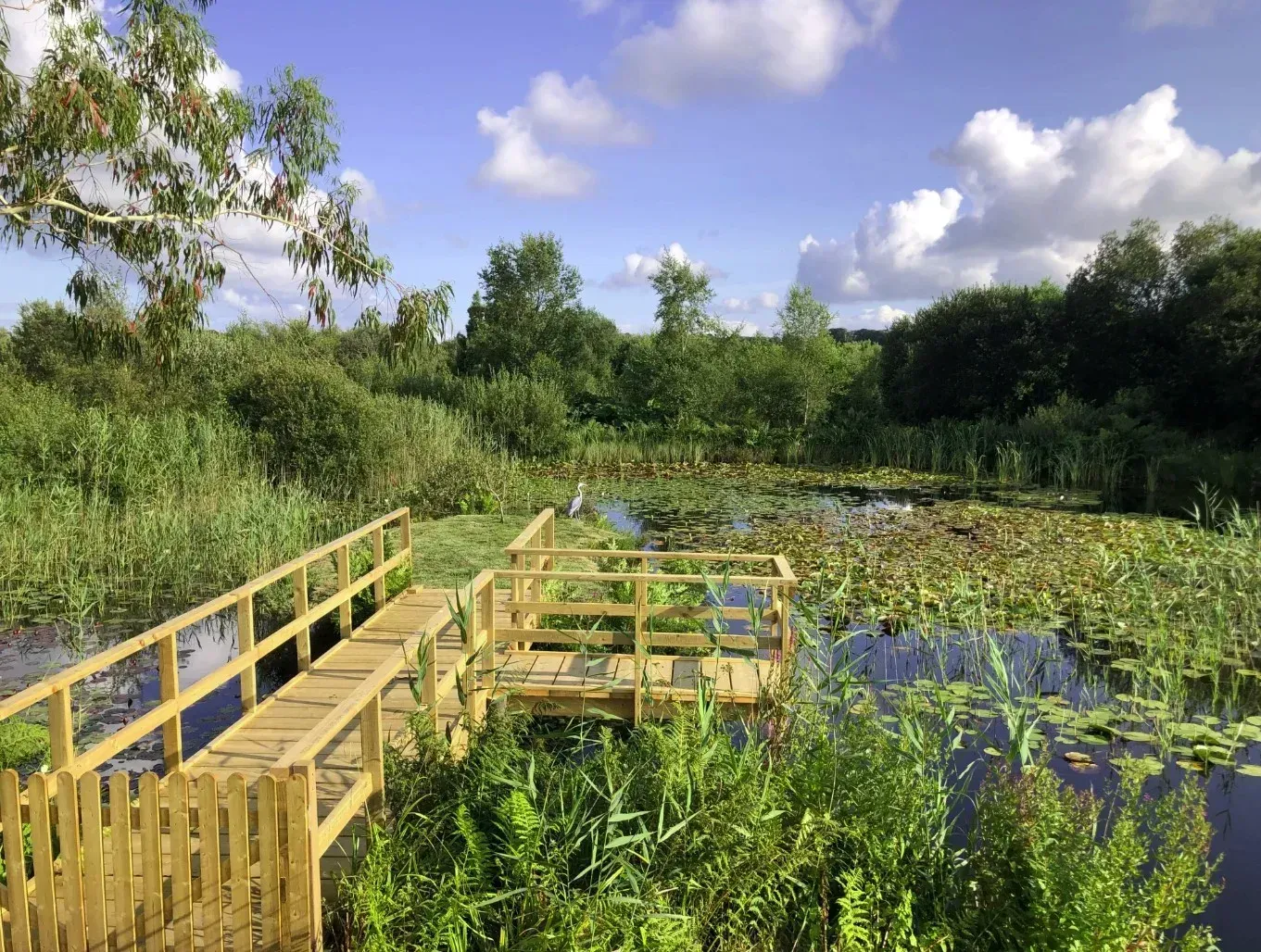
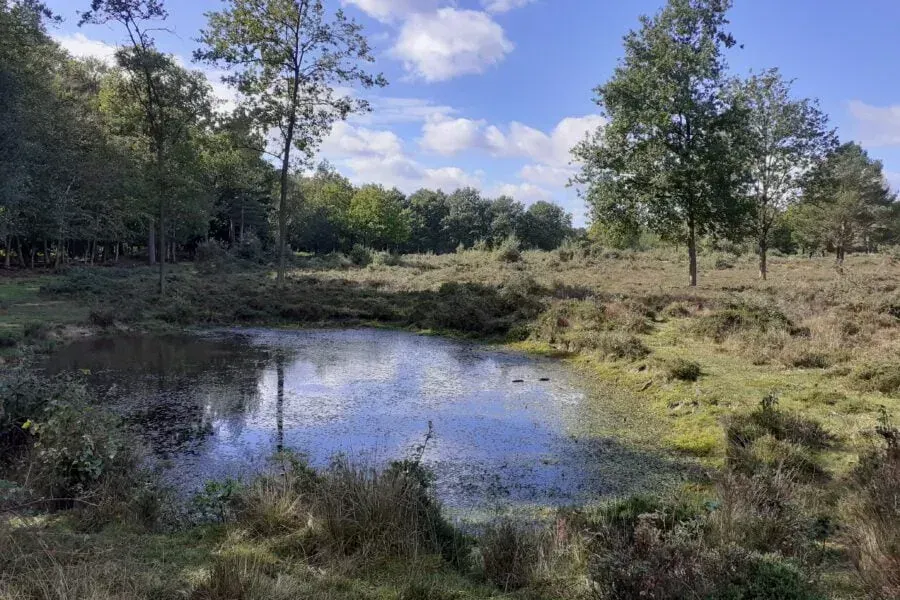
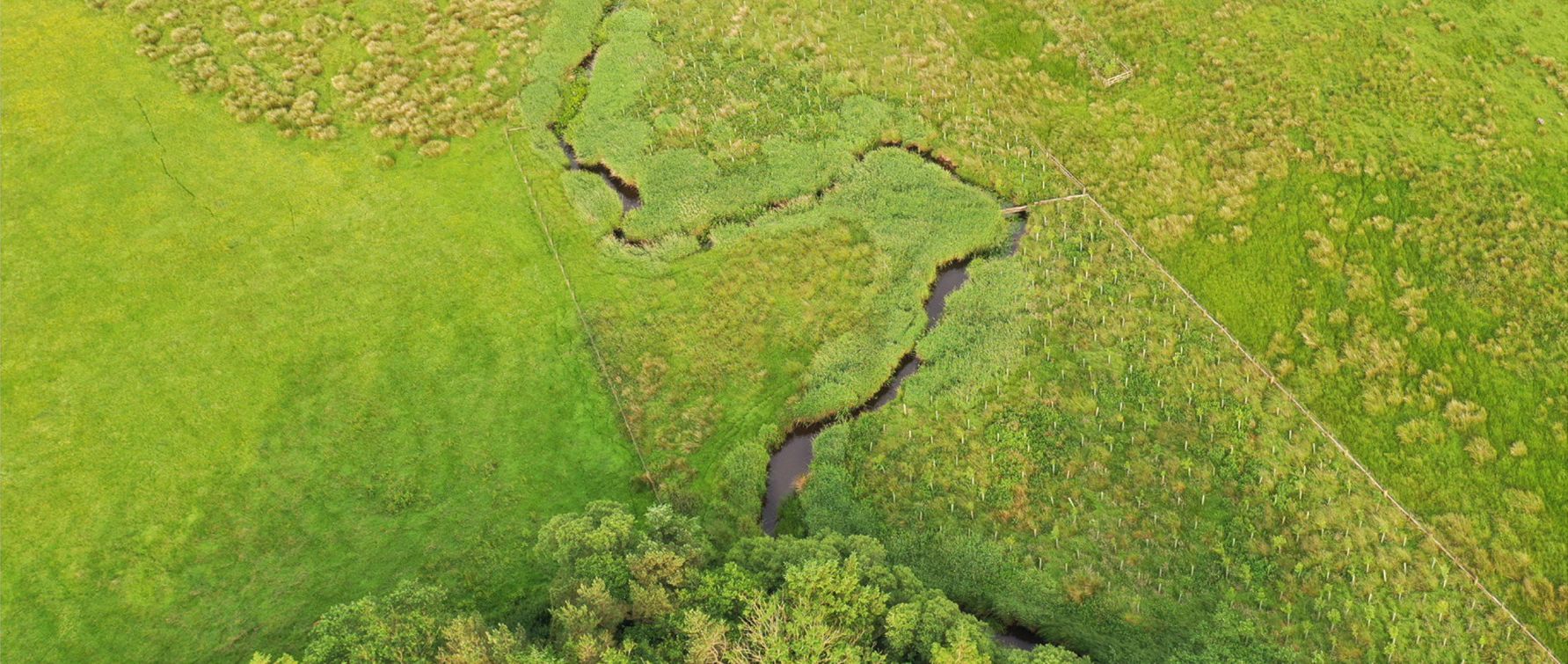
Growing People CIC at Lanjeth Nursery received a TEP Environment Grant to help improve access to the organisation's restored pond habitats in Cornwall.

TEP's Environment Grant was established to support projects that inspire environmental learning, raise awareness of environmental issues and encourage positive action. Since launching in 2020, the grant has supported 17 projects across the UK, helping individuals, community groups and organisations bring environmental ideas to life. Now in its seventh year, the grant received a record 102 applications from across the UK. Following a detailed review process, funding has been awarded to two projects that stood out for their innovative approaches to community engagement, environmental awareness and learning.
Climate change is already affecting the historic environment. Flooding, extreme heat, drought, ground movement, coastal change and changes in vegetation can all affect the survival and management of heritage assets, buried archaeology and historic landscapes. For our Heritage team , responding to climate change means more than recording risks. It is an opportunity to help clients plan for change, protect what matters and support nature recovery and low-carbon development. An integrated approach to climate resilience At TEP, our heritage specialists work alongside colleagues in arboriculture, ecology, landscape management and blue-green infrastructure. Together, we consider heritage, climate resilience, biodiversity, water management and long-term stewardship as connected priorities, rather than separate issues.
Growing People CIC at Lanjeth Nursery received a TEP Environment Grant to help improve access to the organisation's restored pond habitats in Cornwall.
TEP's Environment Grant was established to support projects that inspire environmental learning, raise awareness of environmental issues and encourage positive action. Since launching in 2020, the grant has supported 17 projects across the UK, helping individuals, community groups and organisations bring environmental ideas to life. Now in its seventh year, the grant received a record 102 applications from across the UK. Following a detailed review process, funding has been awarded to two projects that stood out for their innovative approaches to community engagement, environmental awareness and learning.