Climate change is already affecting the historic environment. Flooding, extreme heat, drought, ground movement, coastal change and changes in vegetation can all affect the survival and management of heritage assets, buried archaeology and historic landscapes. For our Heritage team , responding to climate change means more than recording risks. It is an opportunity to help clients plan for change, protect what matters and support nature recovery and low-carbon development. An integrated approach to climate resilience At TEP, our heritage specialists work alongside colleagues in arboriculture, ecology, landscape management and blue-green infrastructure. Together, we consider heritage, climate resilience, biodiversity, water management and long-term stewardship as connected priorities, rather than separate issues.
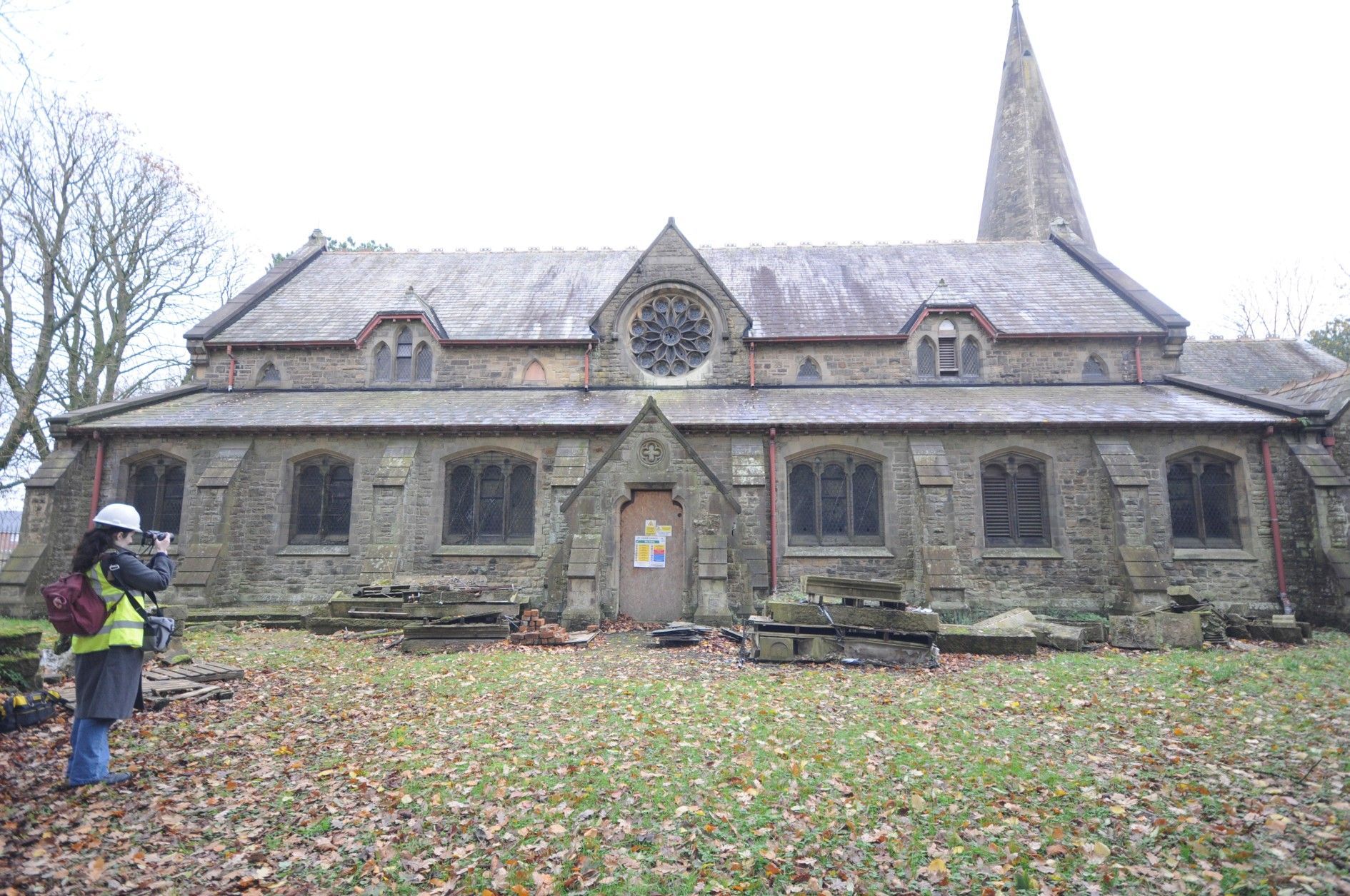
Built in 1873 as part of the former Whittingham Asylum, the Grade II listed Church of St John has stood within the Whittingham landscape for more than 150 years. Designed by Manchester architect Henry Littler, the church remained in use until the hospital closed in 1995. Today, its significance lies not only in its architecture and historic associations, but in the surviving details that tell the story of the building, from stencilled decoration and high-quality timberwork to its distinctive cast-iron columns. To help inform the church’s future management, TEP’s Historic Environment and Archaeology team was commissioned to prepare a Conservation Management Plan (CMP) for Homes England. The work began with understanding what makes the building significant. An onsite appraisal and condition review were combined with an assessment of its heritage significance, including the contribution made by its setting. This allowed the team to identify important surviving features and consider the issues affecting the building before translating that evidence into practical principles for its ongoing management.
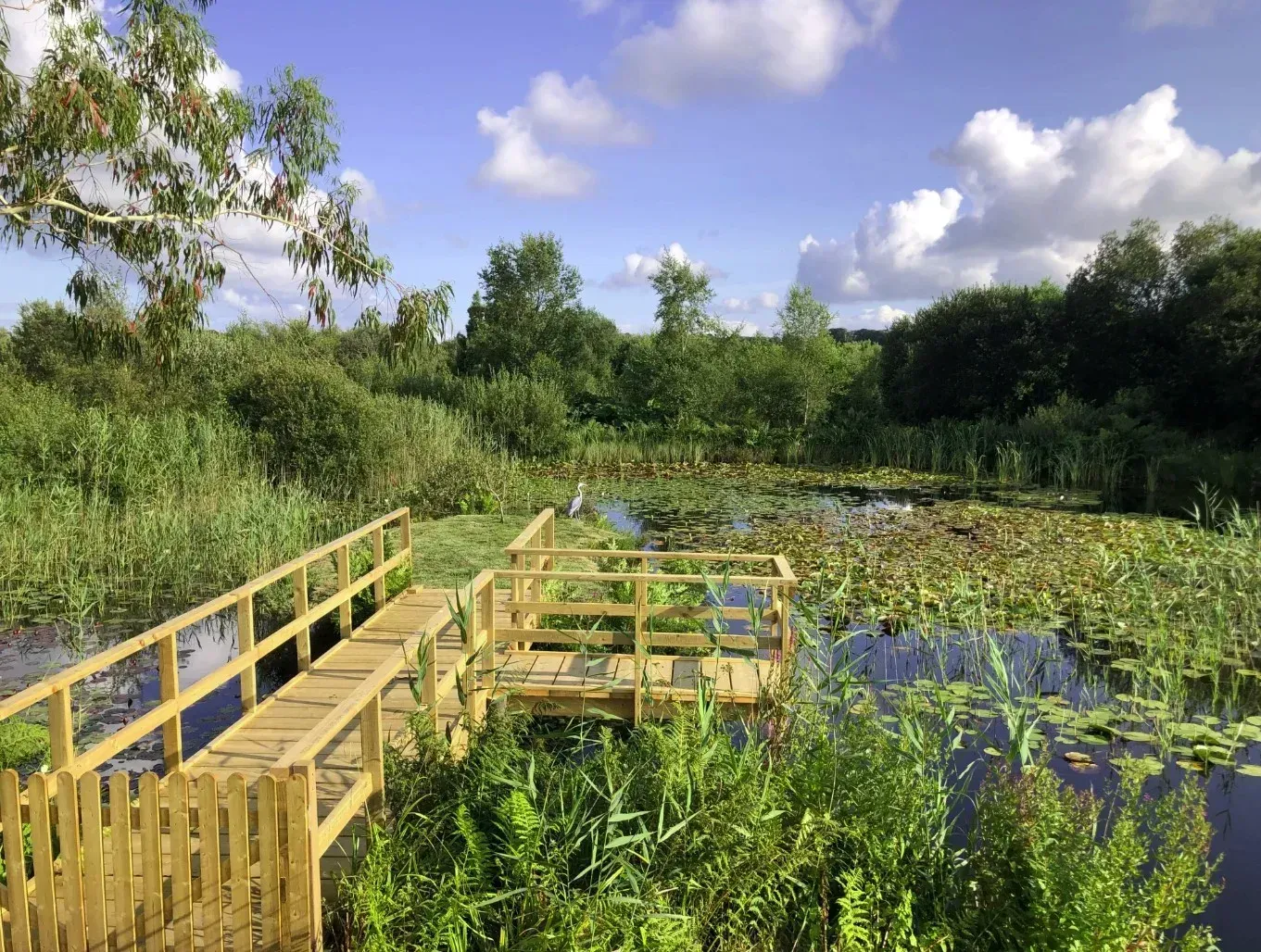
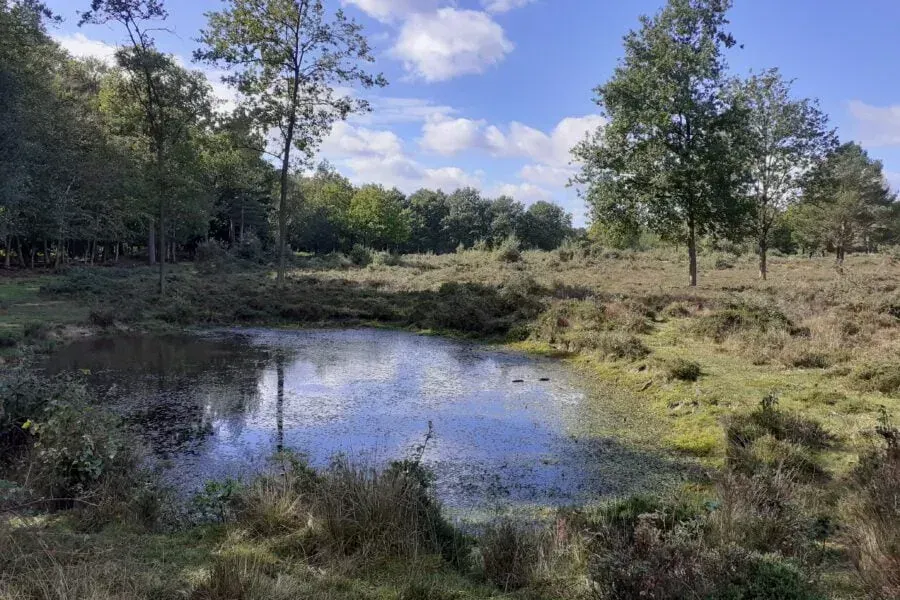
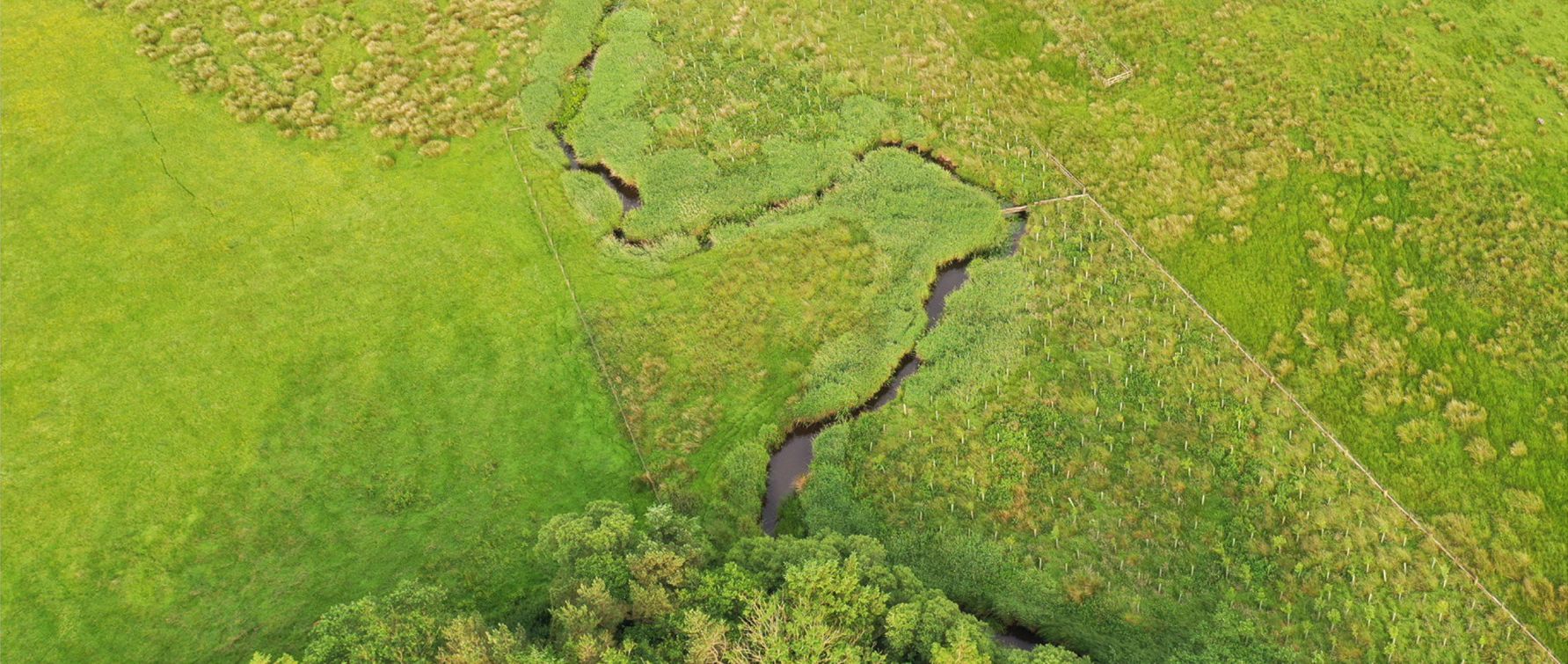
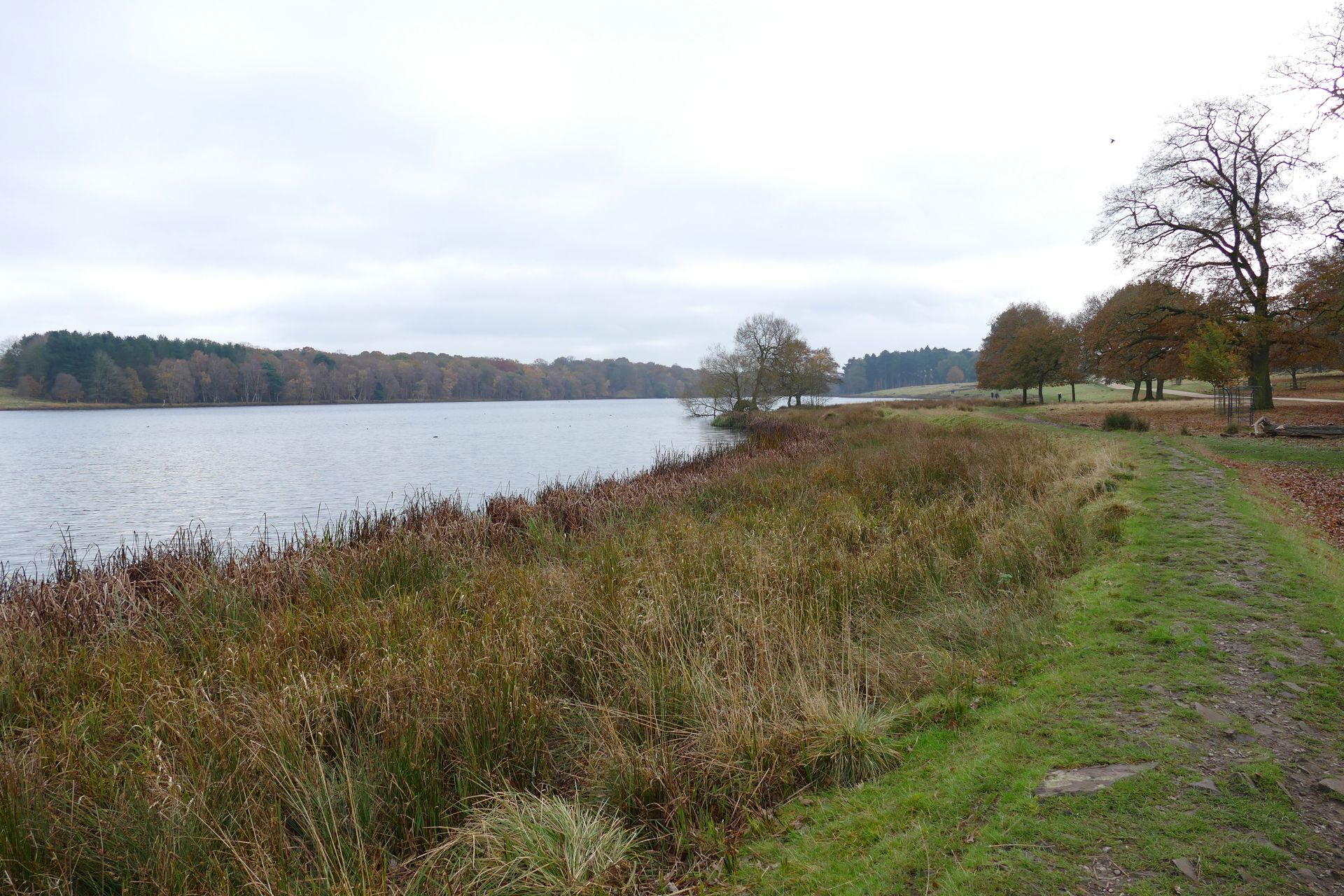
Growing People CIC at Lanjeth Nursery received a TEP Environment Grant to help improve access to the organisation's restored pond habitats in Cornwall.
Climate change is already affecting the historic environment. Flooding, extreme heat, drought, ground movement, coastal change and changes in vegetation can all affect the survival and management of heritage assets, buried archaeology and historic landscapes. For our Heritage team , responding to climate change means more than recording risks. It is an opportunity to help clients plan for change, protect what matters and support nature recovery and low-carbon development. An integrated approach to climate resilience At TEP, our heritage specialists work alongside colleagues in arboriculture, ecology, landscape management and blue-green infrastructure. Together, we consider heritage, climate resilience, biodiversity, water management and long-term stewardship as connected priorities, rather than separate issues.
Built in 1873 as part of the former Whittingham Asylum, the Grade II listed Church of St John has stood within the Whittingham landscape for more than 150 years. Designed by Manchester architect Henry Littler, the church remained in use until the hospital closed in 1995. Today, its significance lies not only in its architecture and historic associations, but in the surviving details that tell the story of the building, from stencilled decoration and high-quality timberwork to its distinctive cast-iron columns. To help inform the church’s future management, TEP’s Historic Environment and Archaeology team was commissioned to prepare a Conservation Management Plan (CMP) for Homes England. The work began with understanding what makes the building significant. An onsite appraisal and condition review were combined with an assessment of its heritage significance, including the contribution made by its setting. This allowed the team to identify important surviving features and consider the issues affecting the building before translating that evidence into practical principles for its ongoing management.
Growing People CIC at Lanjeth Nursery received a TEP Environment Grant to help improve access to the organisation's restored pond habitats in Cornwall.