Invasive Non-Native Species (INNS) Compliance
The Wildlife and Countryside Act 1981 and the Invasive Alien Species (Enforcement and Permitting) Order 2019 provide a list of species which are defined as invasive non-native species (INNS), and details legal responsibilities to prevent the spread of INNS within the UK. It is essential that landowners and those involved in site development and management are compliant with the measures outlined in relevant legislation.
INNS compliance should be integrated into project planning at the earliest stage, as well as site management, and delivery. The following key measures for management of floral INNS should be considered at each stage of a project:
- INNS identification: INNS surveys should be undertaken in the appropriate season (April-September) to identify and map INNS present on a site.
- Creation of a site-specific management plan: If any INNS are identified an INNS Management Plan should be prepared. The plan should define exclusion zones, outline appropriate biosecurity measures, and set out a treatment strategy. This strategy should take into account site constraints, access arrangements, and proposed development areas to ensure an effective and appropriate treatment strategy.
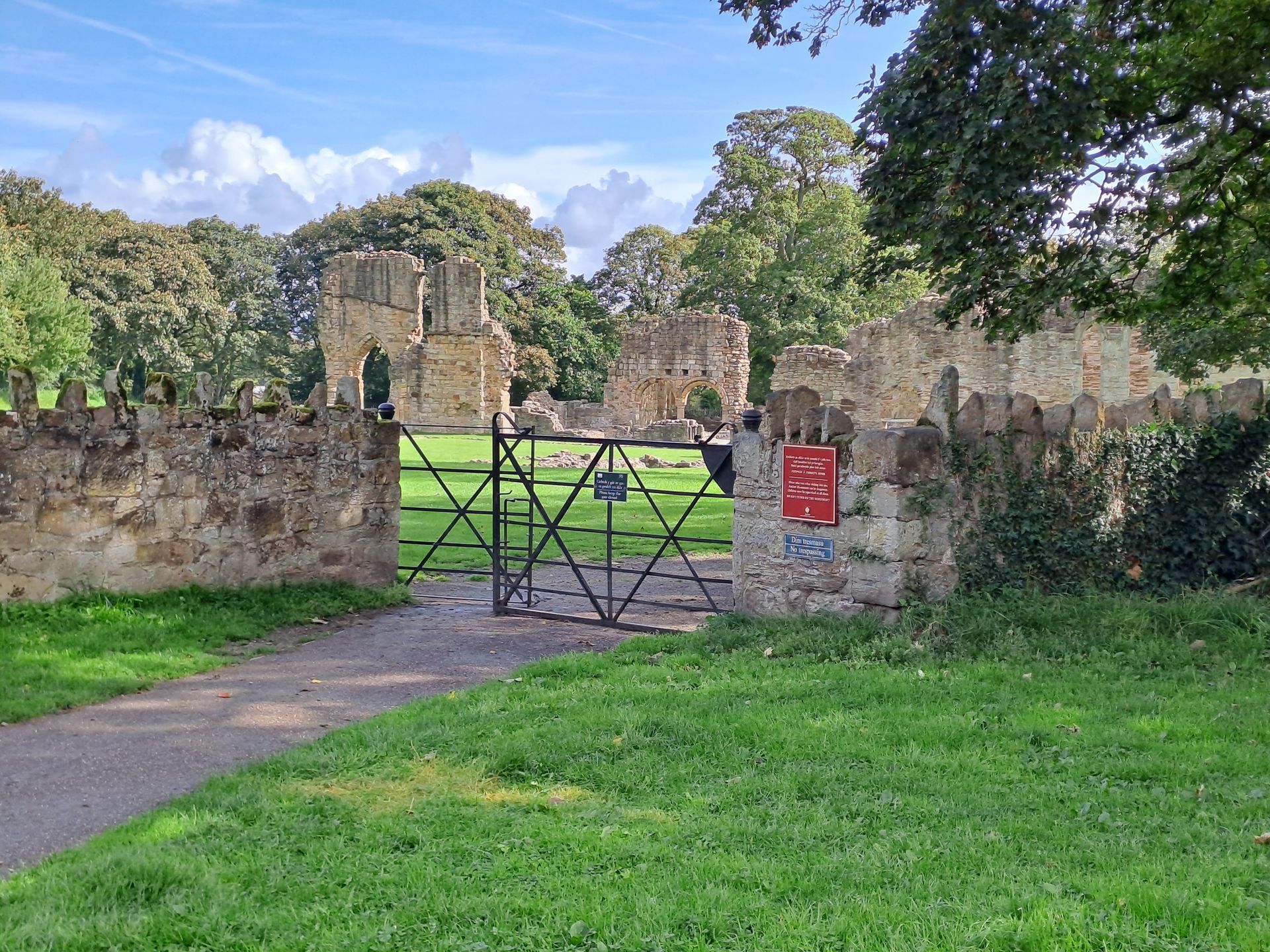
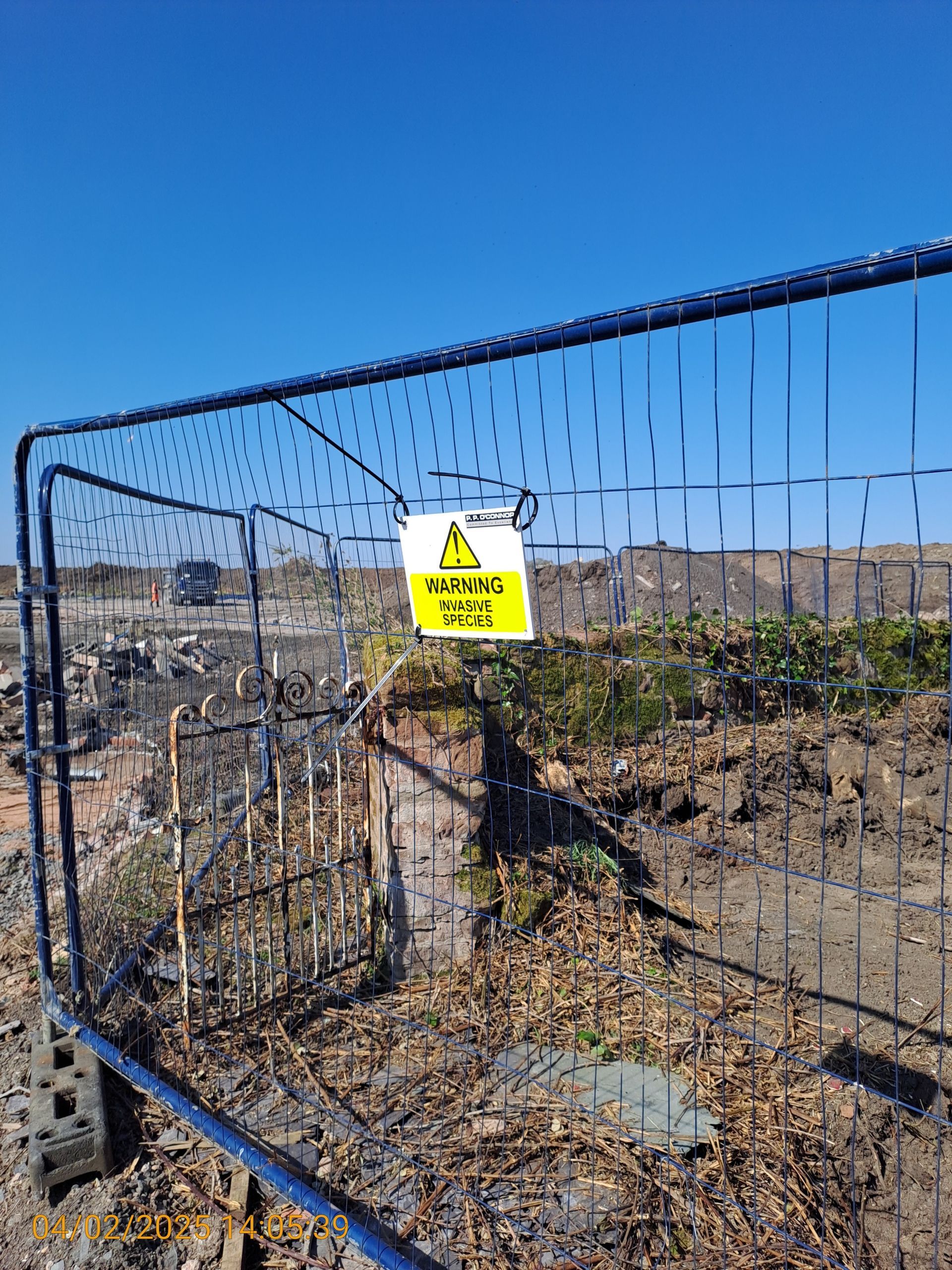
- Implementation of biosecurity measures: Exclusion and cleaning zones should be communicated and have clear signage and barriers to restrict access to contaminated areas and prevent further spread of contaminated material.
- Implementation of treatment: Treatment should be undertaken as outlined in the site-specific management plan. Contractors should have the relevant qualifications, experience and competence to undertake the required treatment.
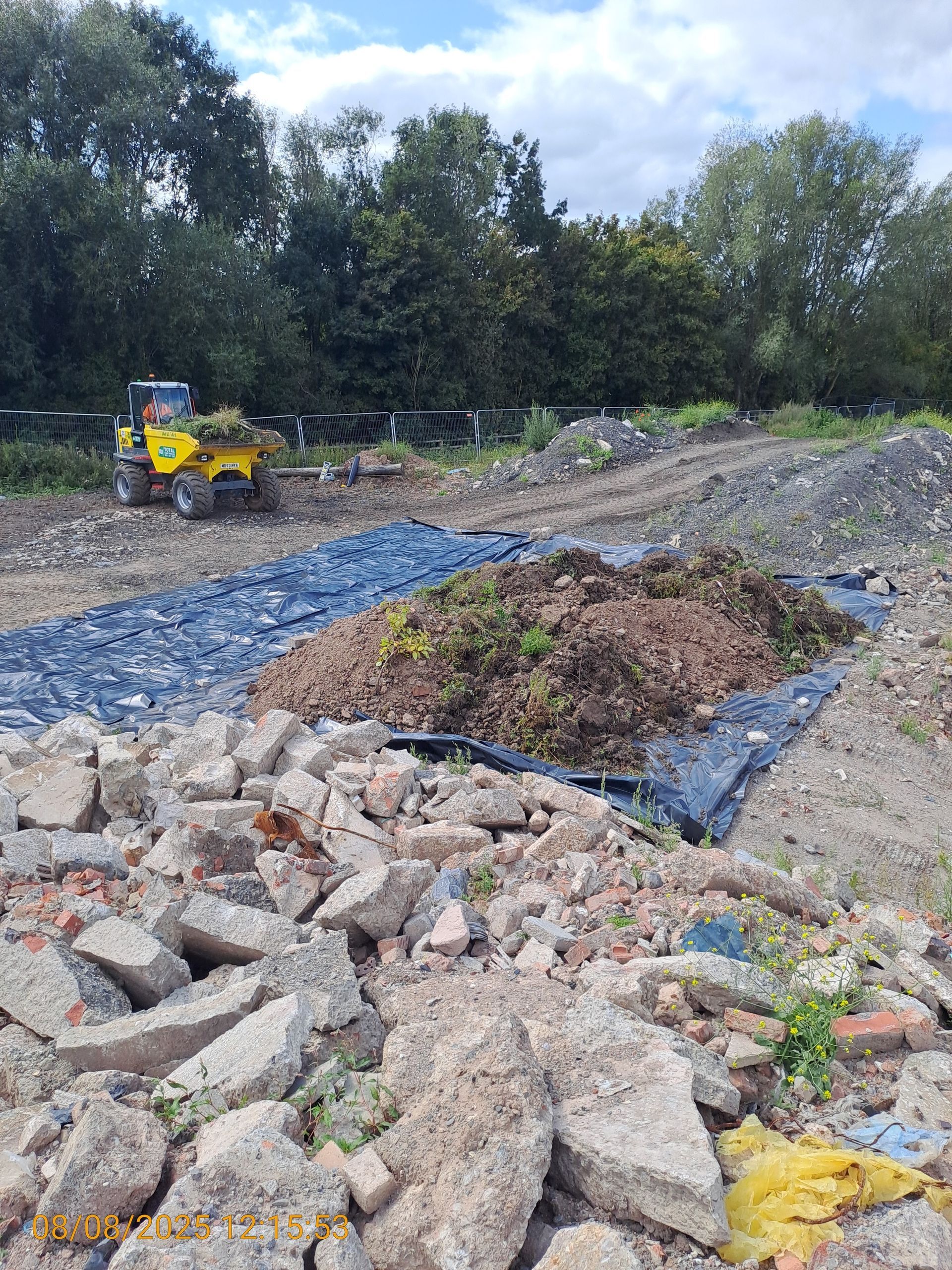
- Transport and disposal of contaminated materials: Waste containing INNS is classified as controlled waste and must be transported and disposed of by licensed individuals. When removing contaminated waste off site, it must be transported offsite to a licensed landfill in a covered vehicle to prevent accidental loss of plant material during transit. A waste transfer note should be obtained and retained for at least 3 years as required by law.
- Monitoring: Ongoing monitoring of affected areas should be undertaken following completion of treatment to confirm its effectiveness and to identify any potential regrowth that may require further treatment.
- by Imogen Graham, Consultant Landscape Manager, Warrington office.
The Importance of Timing
Timing is everything when it comes to INNS. From identification, treatment, seasonal restraints and monitoring; timing activities correctly results in effective control.
INNS have very different growing habitats, understanding when foliage will begin to emerge, flowers develop, seeds will disperse or when translocation of herbicide in evergreen species is going to be optimal, means that effective management plans can be produced.
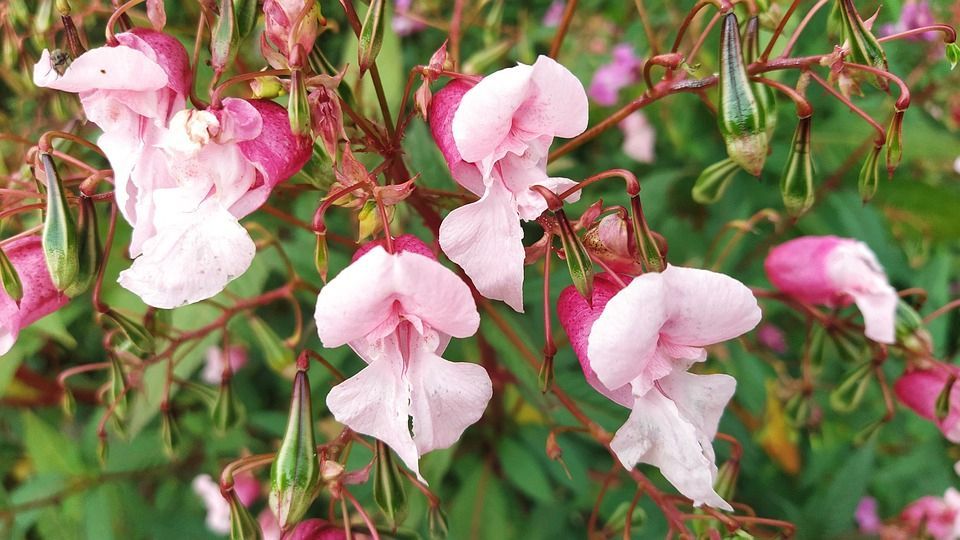
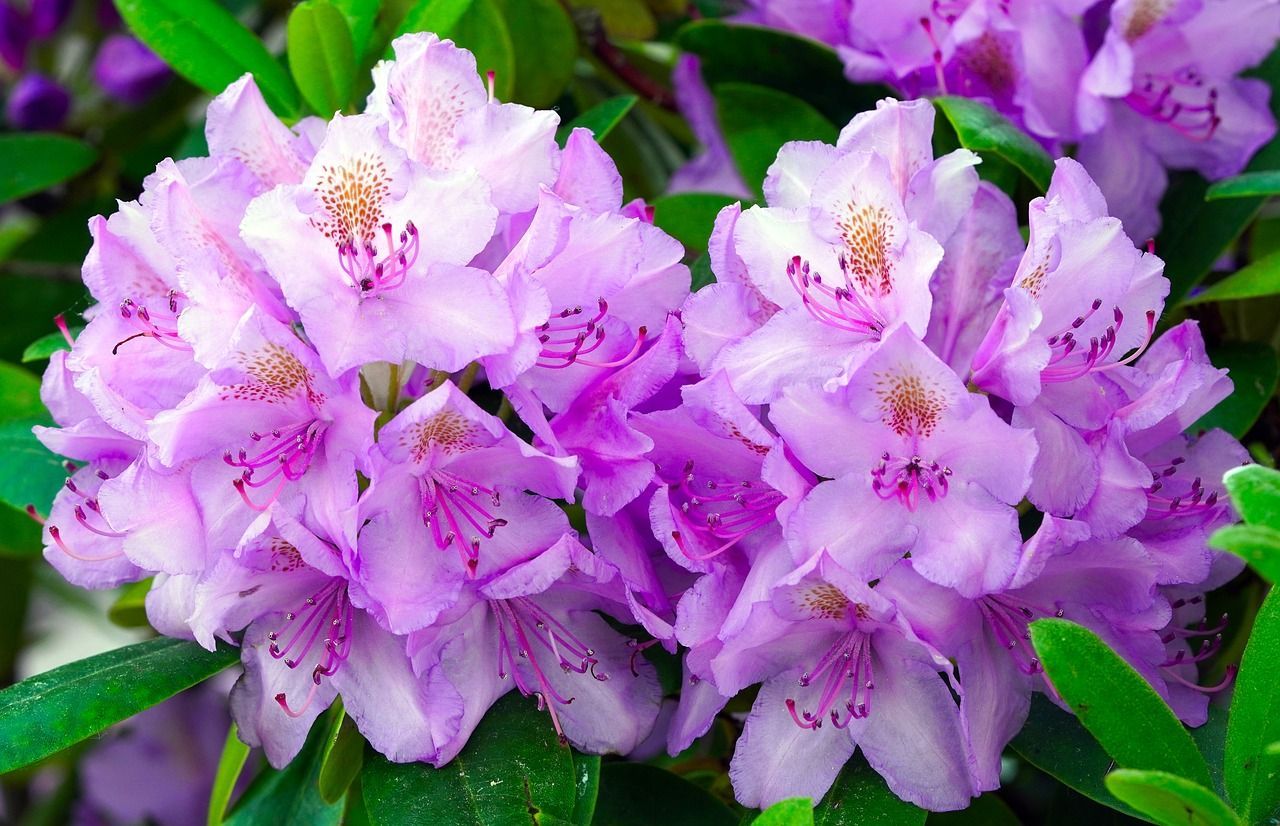
For instance, Himalayan balsam can be managed manually by strimming and hand pulling, but it must be done before the plant has flowered and seeds set and disperse, with repeated treatment later in the growing season before a second flush of flowers set seed. Rhododendron can be treated throughout the year by herbicide spray to foliage but will be most optimal when the plant is in active growth from March to October.
For INNS on development sites, it is important to align the development and treatment timescales. For Japanese knotweed there are several treatment methods, such as herbicide spray which needs to be undertake multiple times throughout the summer months and may take several years to eradicate or excavation methods which can be undertaken any time of year and eradication is immediate. Understanding this at the initial stage of planning can allow developers to plan phasing works around INNS management.
Once INNS have been identified and appropriate treatment has been actioned, regular monitoring is essential for effective long-term management. Timing is key to this, understanding when foliage will emerge, the flowering period and what INNS will look like as surrounding vegetation dies down in autumn/winter. Key times for monitoring:
- Japanese knotweed - summer/ dead canes can be identified in winter
- Himalayan balsam - late spring/ early summer
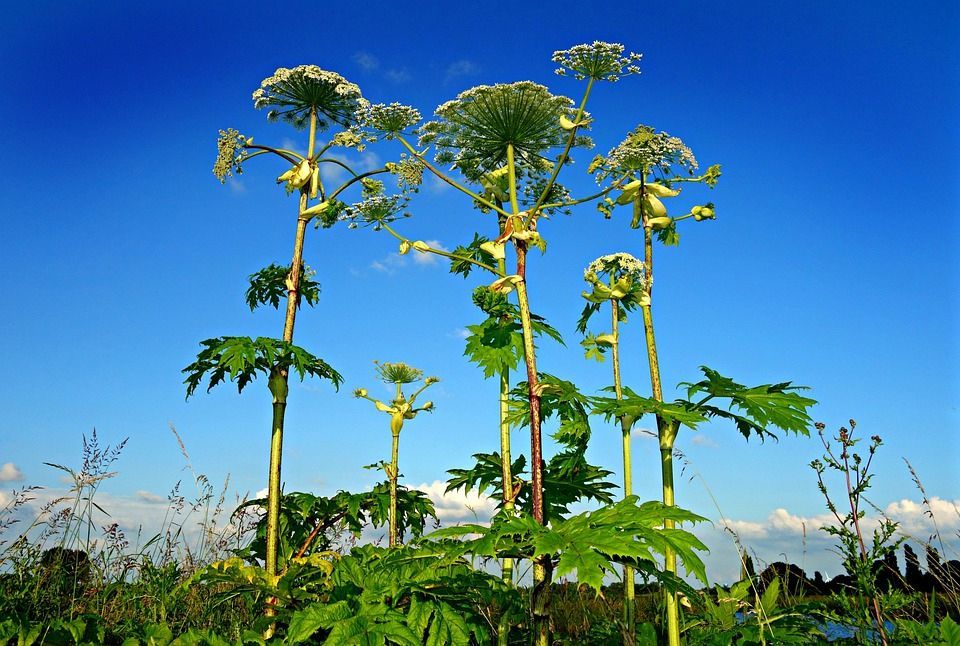
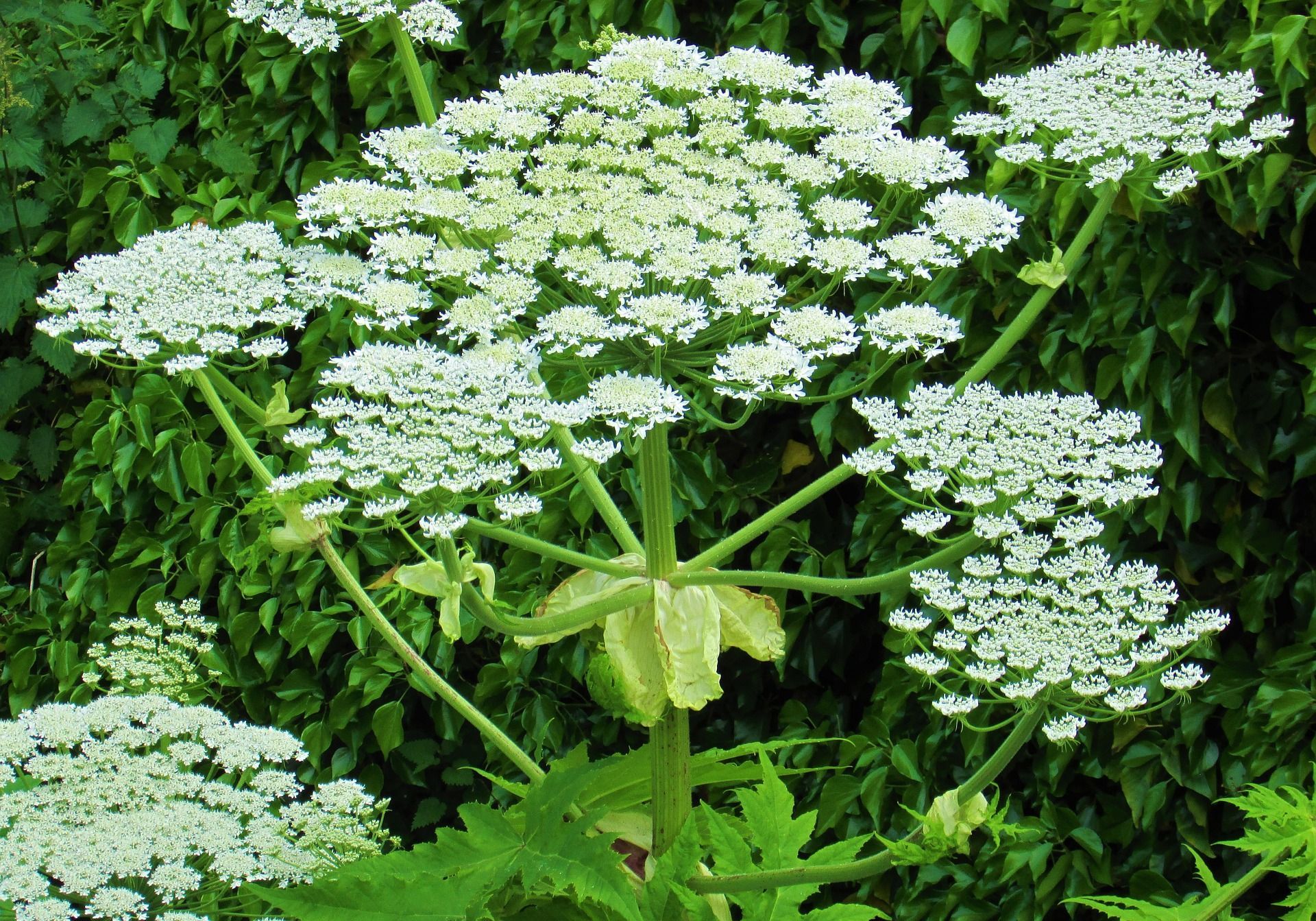
- Cotoneaster, Giant hogweed and Rhododendron - early/ mid- summer
- Japanese rose and Variegated yellow archangel- mid/ late summer
- by Isabel Stratton, Senior Landscape Manager, remote worker.
Innovation
Managing invasive non-native species (INNS) is an evolving challenge and innovation plays a key role in helping land managers deliver control that is effective, safe and compliant. In practice, innovation includes biological control research, alternative herbicide use, and better targeted application methods that improve what is used, where, when and how often. Innovation does not replace established methods, but strengthens decision making and supports more proportionate and sustainable INNS management.
Biological control continues to develop through research into species-specific agents designed to reduce reliance on chemical or mechanical intervention. In the UK, all potential biological control agents are subject to strict regulation and risk-based assessment to ensure safety and suitability before release.
Chemical control remains an important component of INNS management, but innovation is increasingly focused on alternative active substances, formulations and targeted application methods, improved evidence on efficiency, retreatment intervals and non-target impacts.
Whilst the chemical glyphosate remains authorised for use in the UK, its use is increasingly restricted by local authority policies, landowner requirements and public expectations. Many councils have already limited or phased out the use of glyphosate in public spaces, and others are actively reviewing its continued use, reinforcing the need explore innovative treatment methods and to understand and specify alternative options such as non-glyphosate, acid-based herbicides and hot foam.
Application methods are also evolving. Techniques such as stem injection, electrical weed control systems (e.g. RootWave) are being increasingly used in the UK to replace blanket spraying with plant‑specific treatment, reducing herbicide volumes and off‑target impacts while maintaining effective control; AI robots with lasers are used in the agricultural sector to manage weeds on arable fields.
As expectations, regulation and site constraints continue to evolve, innovation provides land managers with practical alternatives and greater flexibility. By keeping pace with research and operational evidence, innovative approaches can be specified responsibly, supported by monitoring, and used to deliver confident, compliant and sustainable INNS management.
- by Joseph Stamp, Graduate Landscape Manager, Market Harborough office.
For further information on our Land and Estate Management services, or to discuss invasive species or wider land management issues, please contact us and a member of our team will be in touch.
MORE NEWS