Revealing Preston’s Industrial Past

Revealing Preston’s Industrial Past

Revealing Preston’s Industrial Past
29 July 2026

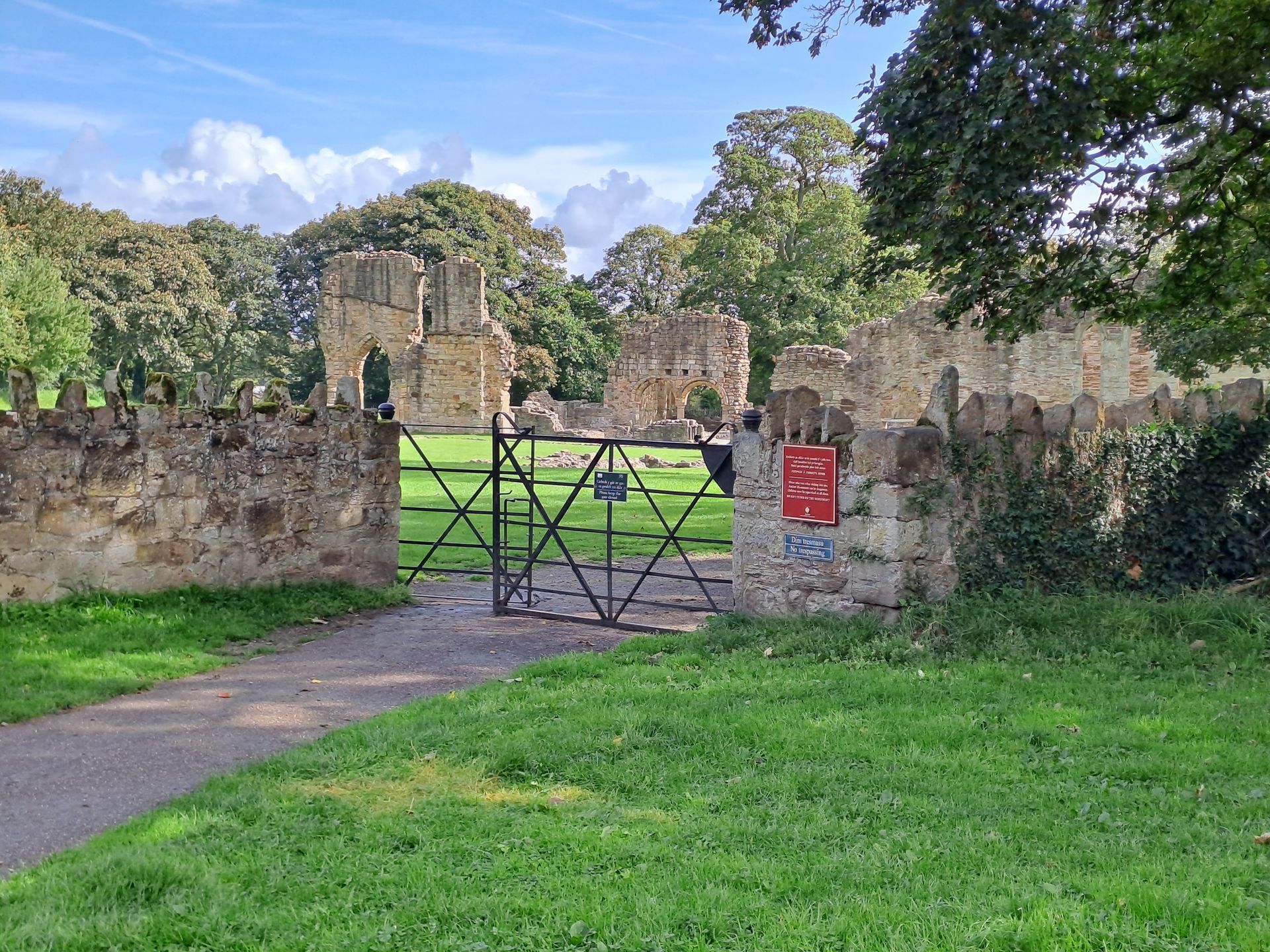
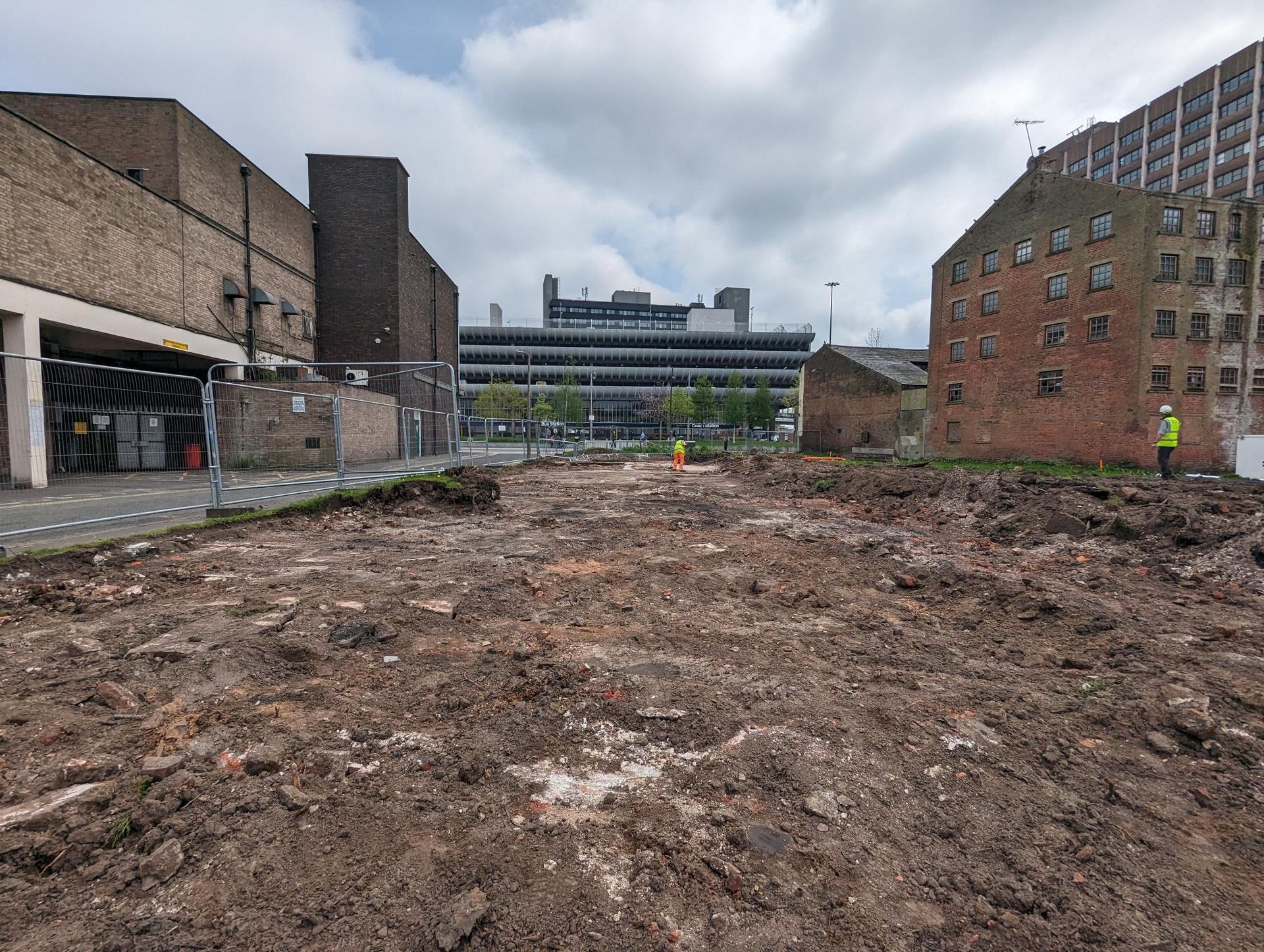
Our Historic Environment team has helped uncover a remarkable chapter of Preston’s industrial heritage during archaeological investigations supporting the proposed Preston Youth Zone development on Tithebarn Street.


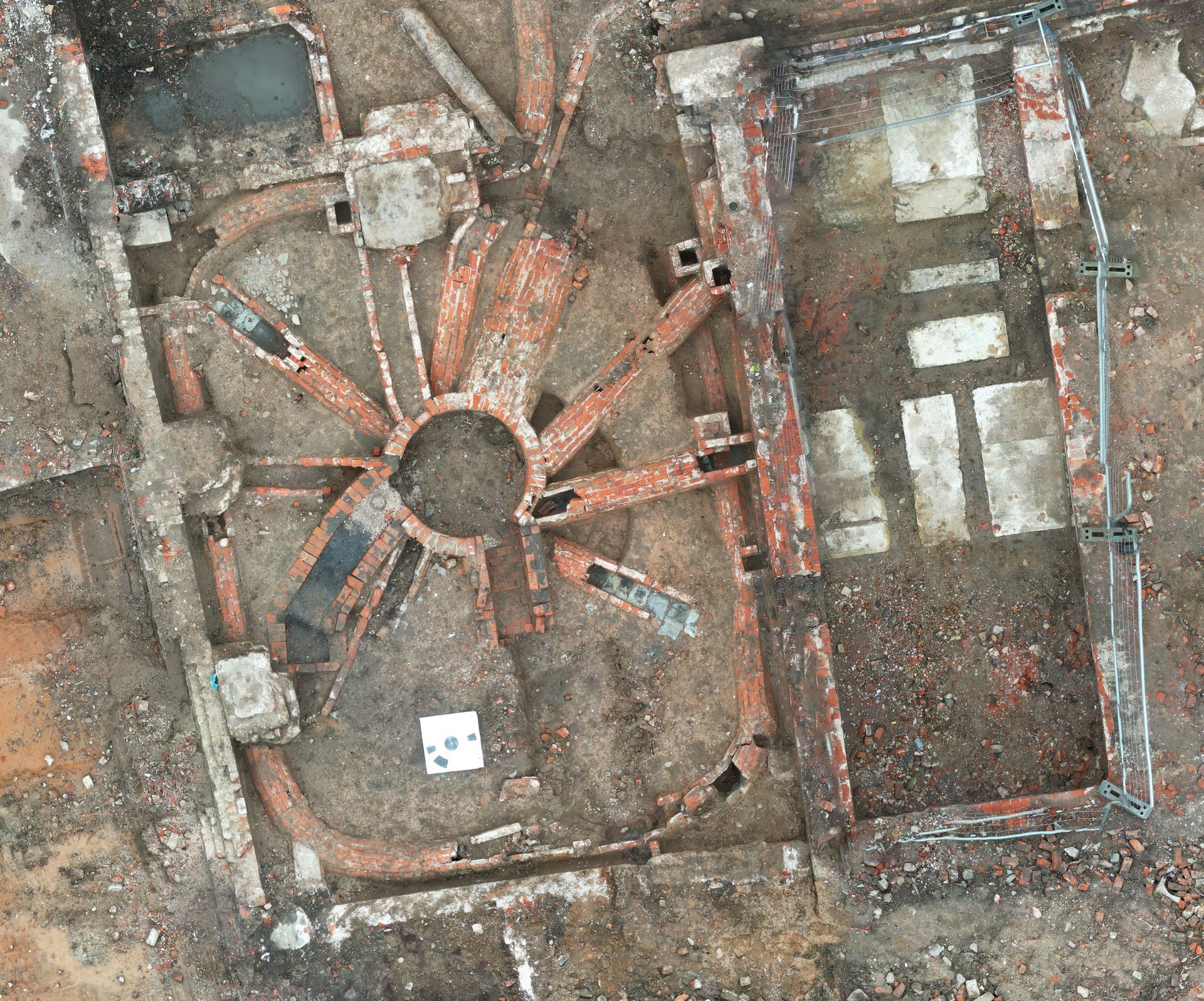
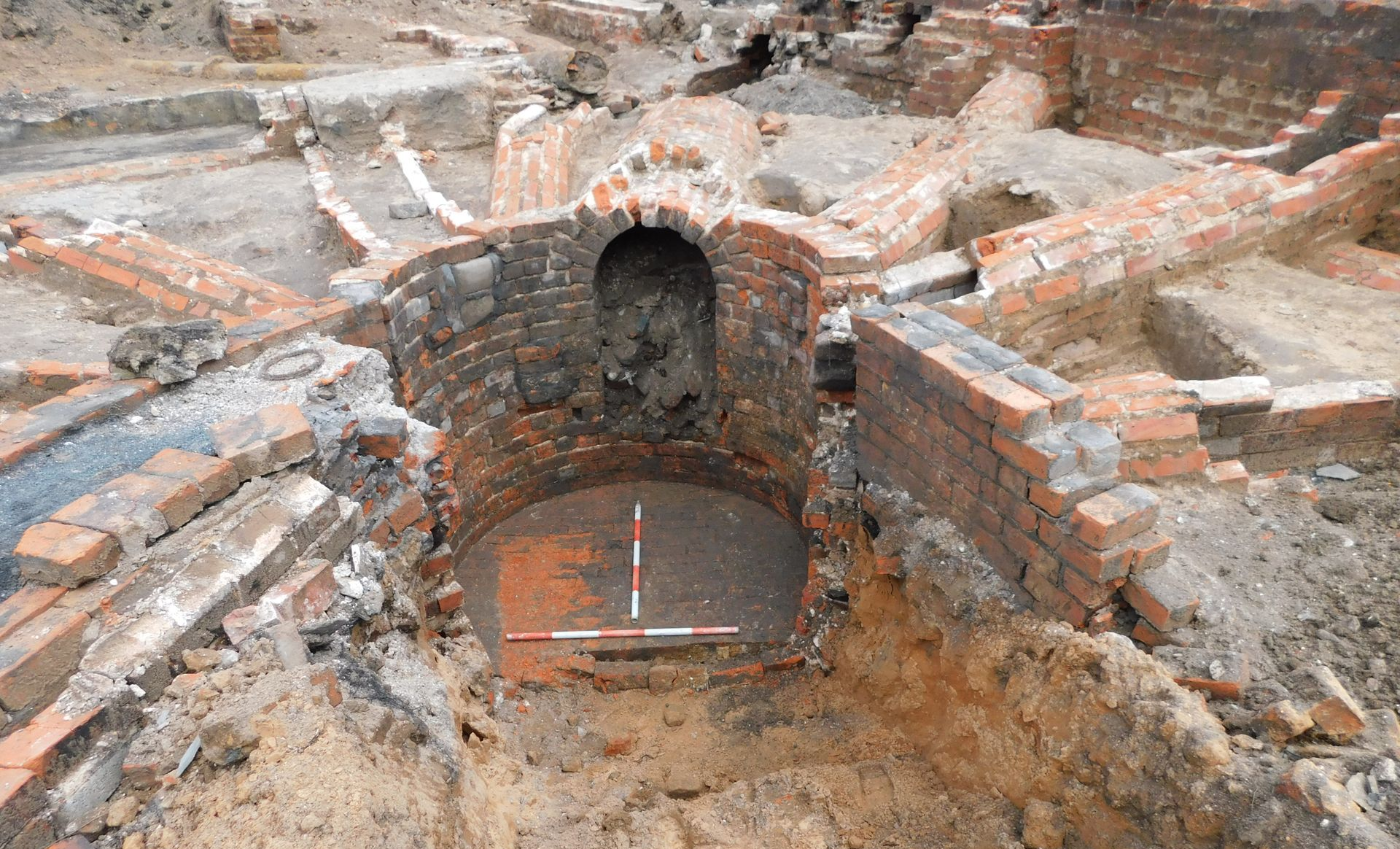
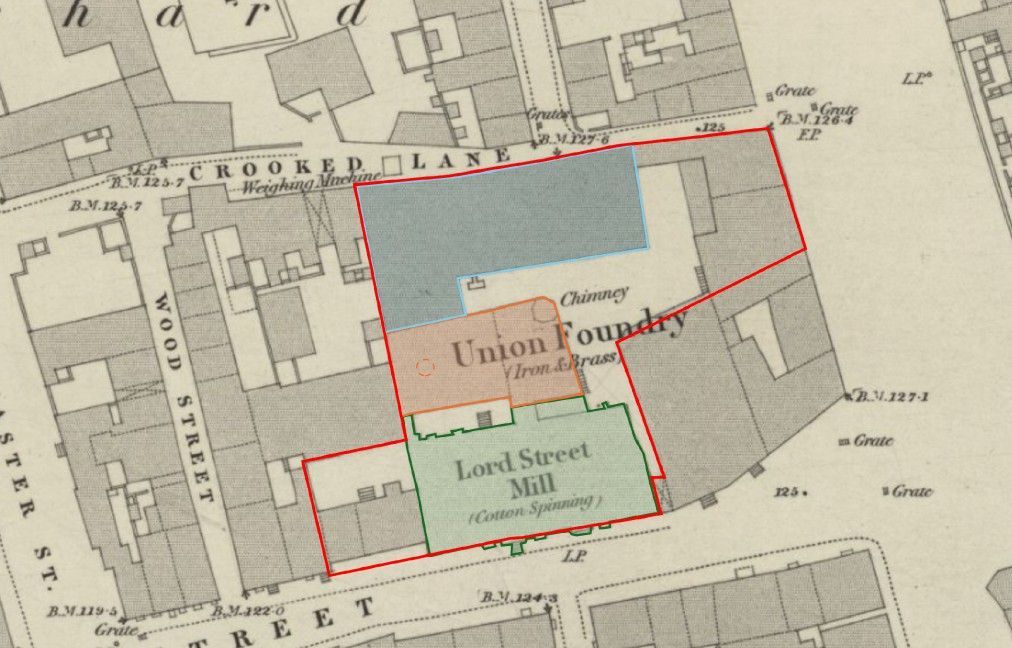
Working alongside Salford Archaeology, Civic Heritage and Lancashire County Council, the project revealed exceptionally well-preserved remains of the 19th-century Union Foundry and the neighbouring Lord Street Mill.

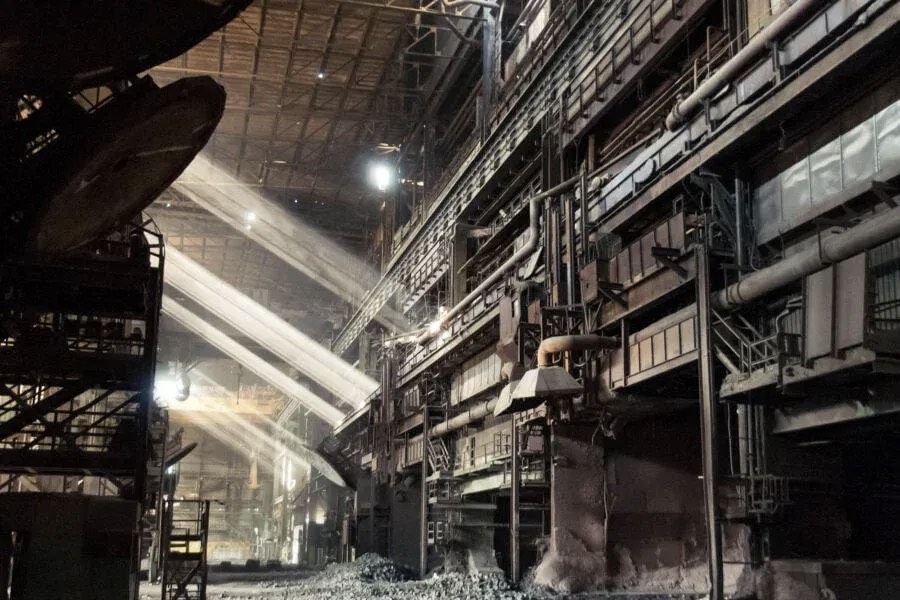
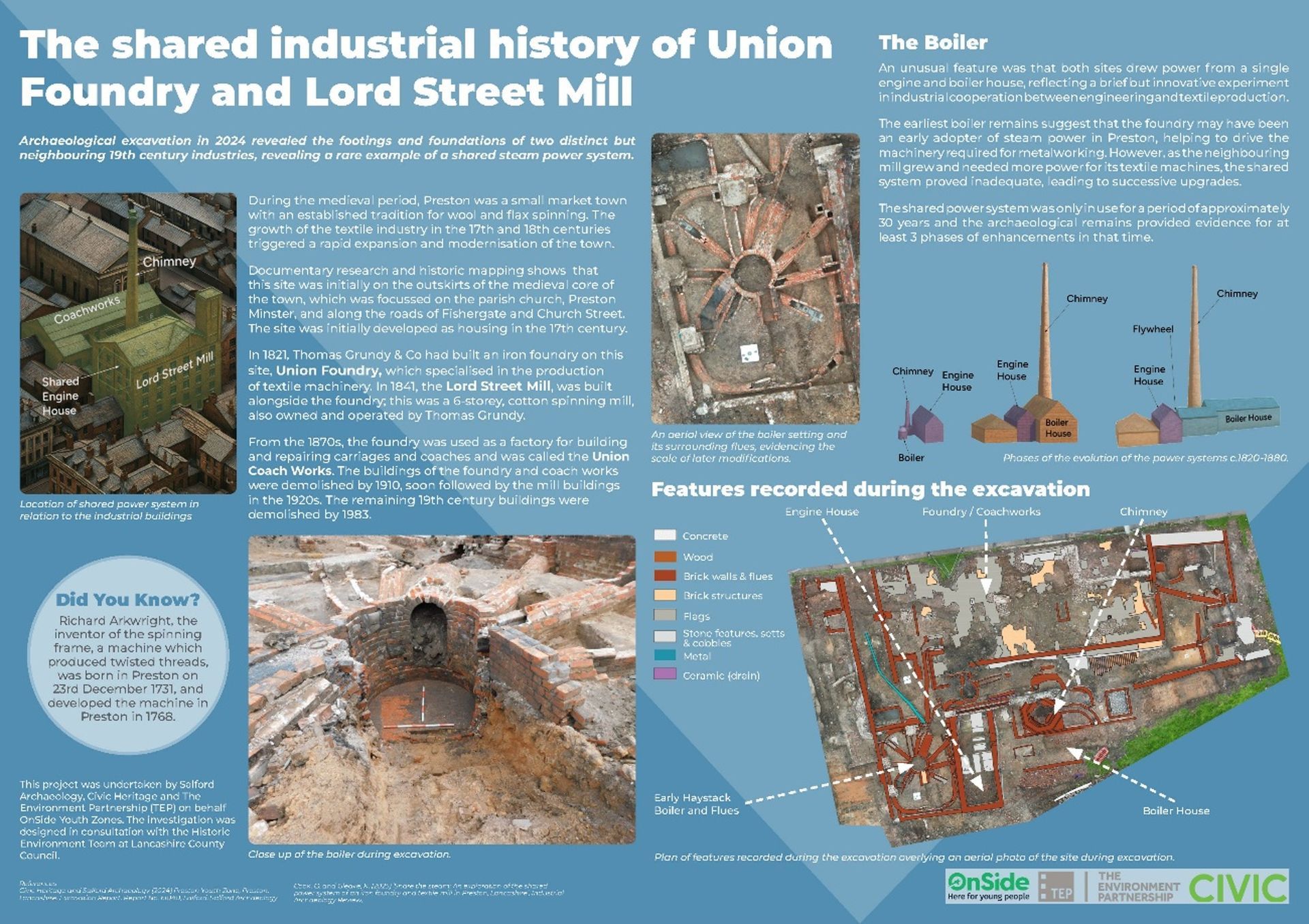
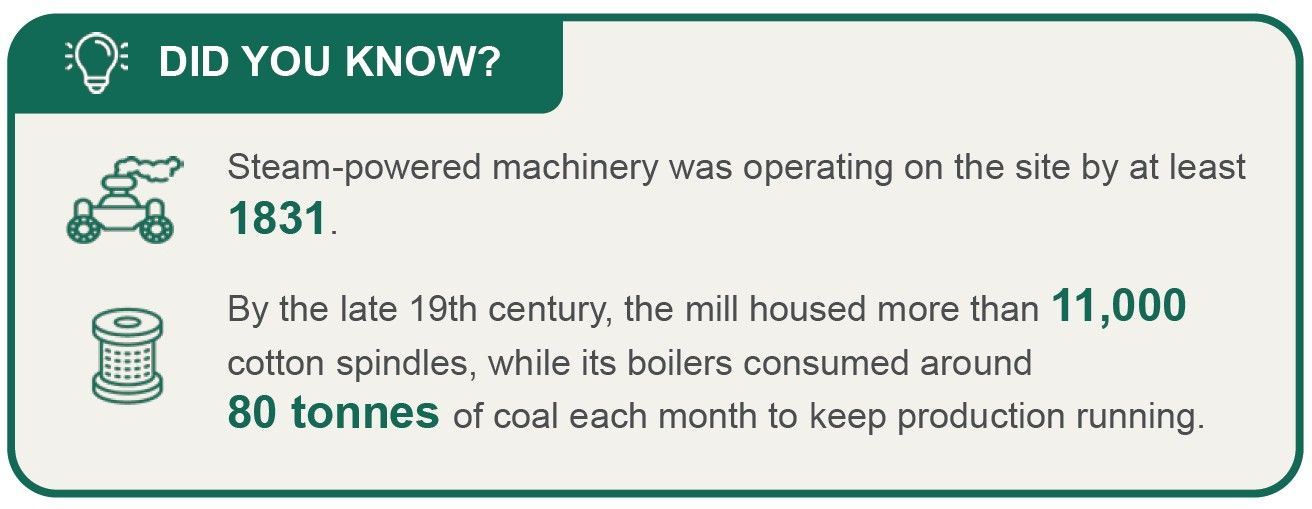
Discoveries included an engine house, boiler house, cupola furnace and a rare shared steam-power system that once powered both iron founding and cotton spinning operations. Acting as archaeological consultants to the project team, we managed the archaeological works from design through to delivery, overseeing excavations, coordinating specialist inputs and supporting the analysis, publication and public interpretation of the findings. 

The investigation has provided valuable new insights into Preston’s rapid industrial growth, documenting an unusual example of industrial cooperation in which a single steam engine and boiler powered two different industries. The findings contribute to a broader understanding of Britain’s industrial heritage while ensuring knowledge of the site is preserved ahead of redevelopment.


As part of the project, a public interpretation board will help local communities connect with the history beneath their feet, ensuring the story of this important industrial site remains accessible for future generations.

The project is a great example of how archaeology can help reveal the stories beneath our towns and cities before new  development creates the next chapter.


Find out more about our heritage and archaeology services, or get in touch with our team.

25 June 2026
Well known Invasive-Non-Native Species (INNS) are widely understood, however the threat of new and emerging INNS across the UK is real.
25 June 2026
INNS compliance should be integrated into project planning at the earliest stage, as well as site management, and delivery. We discuss key measures for the management of floral INNS.
12 June 2026
On behalf of Cheshire East Council, TEP has secured consent for the expansion of the Environmental Services Hub site. The expansion will facilitate a weekly food waste collection service for every property in the borough, helping Cheshire East Council prepare for a new statutory requirement from central government due to come into force from 2026-2027. To achieve this, we prepared and managed three planning applications: A full application for 84 new employee parking spaces, a bin storage area and a security lodge; A non-material amendment application for the reconfiguration of the existing site layout; and A variation of condition application to increase the limit on vehicle movements. The project began with a pre-application advice request, followed by discussions with the local planning authority to confirm the applications and supporting information required for submission. A key element of the project was the preparation of a planning needs case. This justified the development remaining at the Environmental Services Hub site, rather than a 'preferred site' identified within the council's Waste Plan. The case also identified the benefits of increasing recycling rates and supporting sustainable waste management across the borough. To support the applications, traffic surveys were commissioned and a Transport Statement was prepared, demonstrating that the proposals would have no negative impact on the local highway network. A Transport Note was also produced to establish the number of vehicle movements that should be permitted through the variation of condition application. Air quality and noise assessments were also undertaken to demonstrate that impacts would be limited and acceptable. 
25 June 2026
Well known Invasive-Non-Native Species (INNS) are widely understood, however the threat of new and emerging INNS across the UK is real.
25 June 2026
INNS compliance should be integrated into project planning at the earliest stage, as well as site management, and delivery. We discuss key measures for the management of floral INNS.
25 June 2026
Well known Invasive-Non-Native Species (INNS) are widely understood, however the threat of new and emerging INNS across the UK is real.
25 June 2026
INNS compliance should be integrated into project planning at the earliest stage, as well as site management, and delivery. We discuss key measures for the management of floral INNS.
12 June 2026
On behalf of Cheshire East Council, TEP has secured consent for the expansion of the Environmental Services Hub site. The expansion will facilitate a weekly food waste collection service for every property in the borough, helping Cheshire East Council prepare for a new statutory requirement from central government due to come into force from 2026-2027. To achieve this, we prepared and managed three planning applications: A full application for 84 new employee parking spaces, a bin storage area and a security lodge; A non-material amendment application for the reconfiguration of the existing site layout; and A variation of condition application to increase the limit on vehicle movements. The project began with a pre-application advice request, followed by discussions with the local planning authority to confirm the applications and supporting information required for submission. A key element of the project was the preparation of a planning needs case. This justified the development remaining at the Environmental Services Hub site, rather than a 'preferred site' identified within the council's Waste Plan. The case also identified the benefits of increasing recycling rates and supporting sustainable waste management across the borough. To support the applications, traffic surveys were commissioned and a Transport Statement was prepared, demonstrating that the proposals would have no negative impact on the local highway network. A Transport Note was also produced to establish the number of vehicle movements that should be permitted through the variation of condition application. Air quality and noise assessments were also undertaken to demonstrate that impacts would be limited and acceptable.