Axbridge Road
The Axbridge Road redevelopment delivers residential, care and commercial uses on a site of significant ecological sensitivity. Located within the North Somerset and Mendip Bats Special Area of Conservation (SAC), the site supports internationally important greater and lesser horseshoe bat populations, alongside a wide range of other protected species.
TEP was appointed to safeguard an existing outline consent through Section 73 amendments. The priority was clear: develop a time-critical ecological strategy that would maintain deliverability on a technically complex, SAC-influenced site.
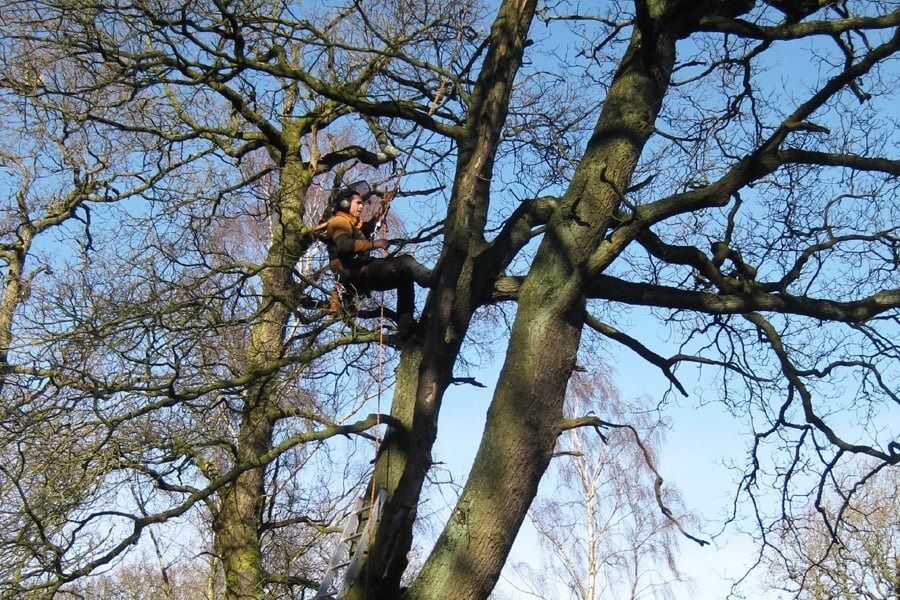
Working closely with Homes England, CampbellReith and LDA Design, we designed and coordinated a comprehensive, carefully sequenced survey programme. Extensive bat activity and roost surveys were delivered in accordance with SAC guidance, alongside updated surveys for badger, reptiles, dormouse and habitats. Early and proactive engagement with the Local Planning Authority ecologist ensured a proportionate and defensible scope, enabling ecological requirements to align with project milestones.
Demolition of former Yeo Valley factory buildings presented a further challenge, with multiple bat roosts requiring a robust, licensing-led solution. We secured a European Protected Species mitigation licence from Natural England and registered the site under the Bat Earned Recognition Class Licence. Through detailed consultation with Natural England’s licensing and protected sites teams, we designed and delivered a bespoke Bat House in advance of the factory’s demolition, sequencing works to maintain compliance while protecting progress on site.
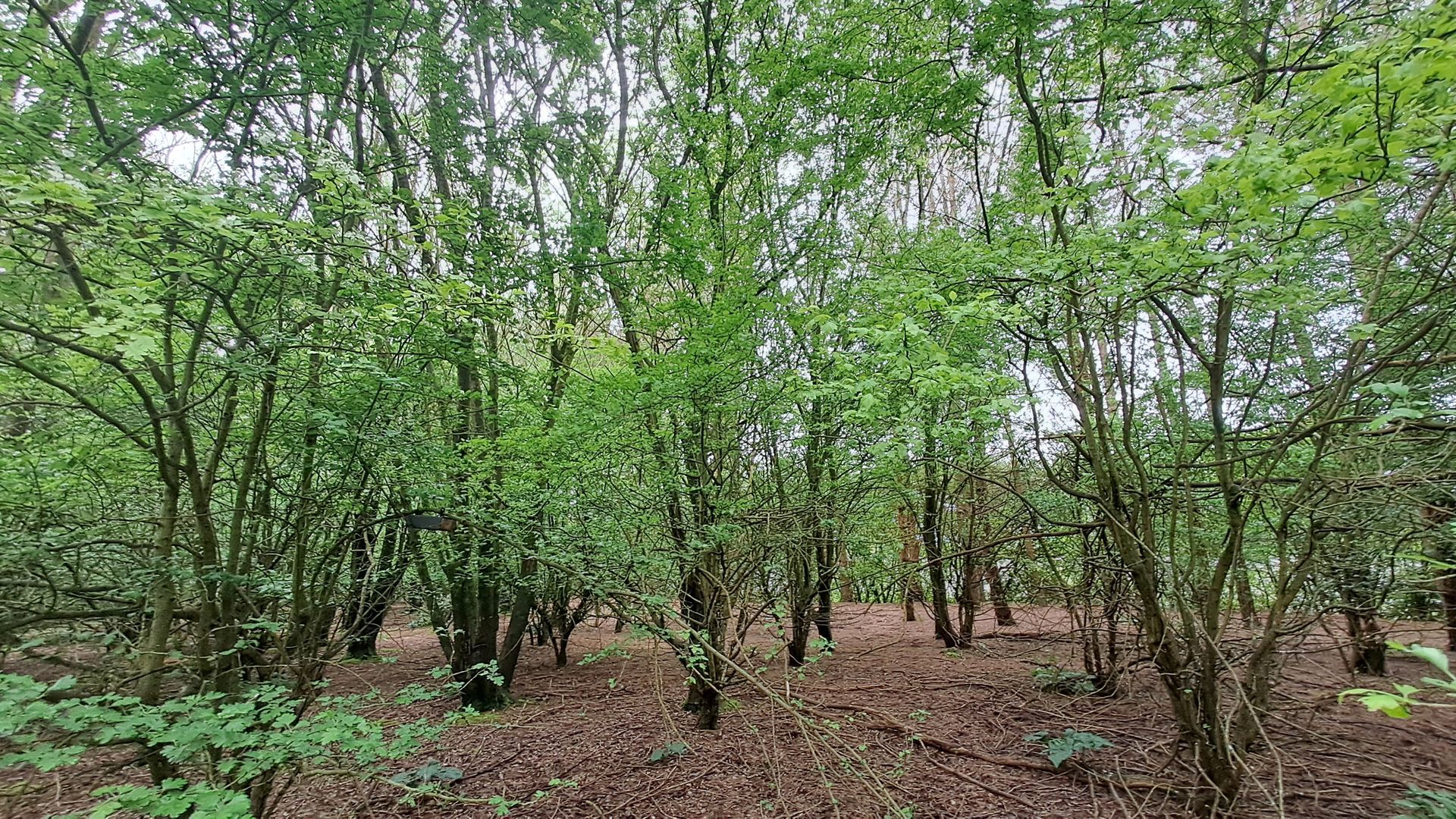
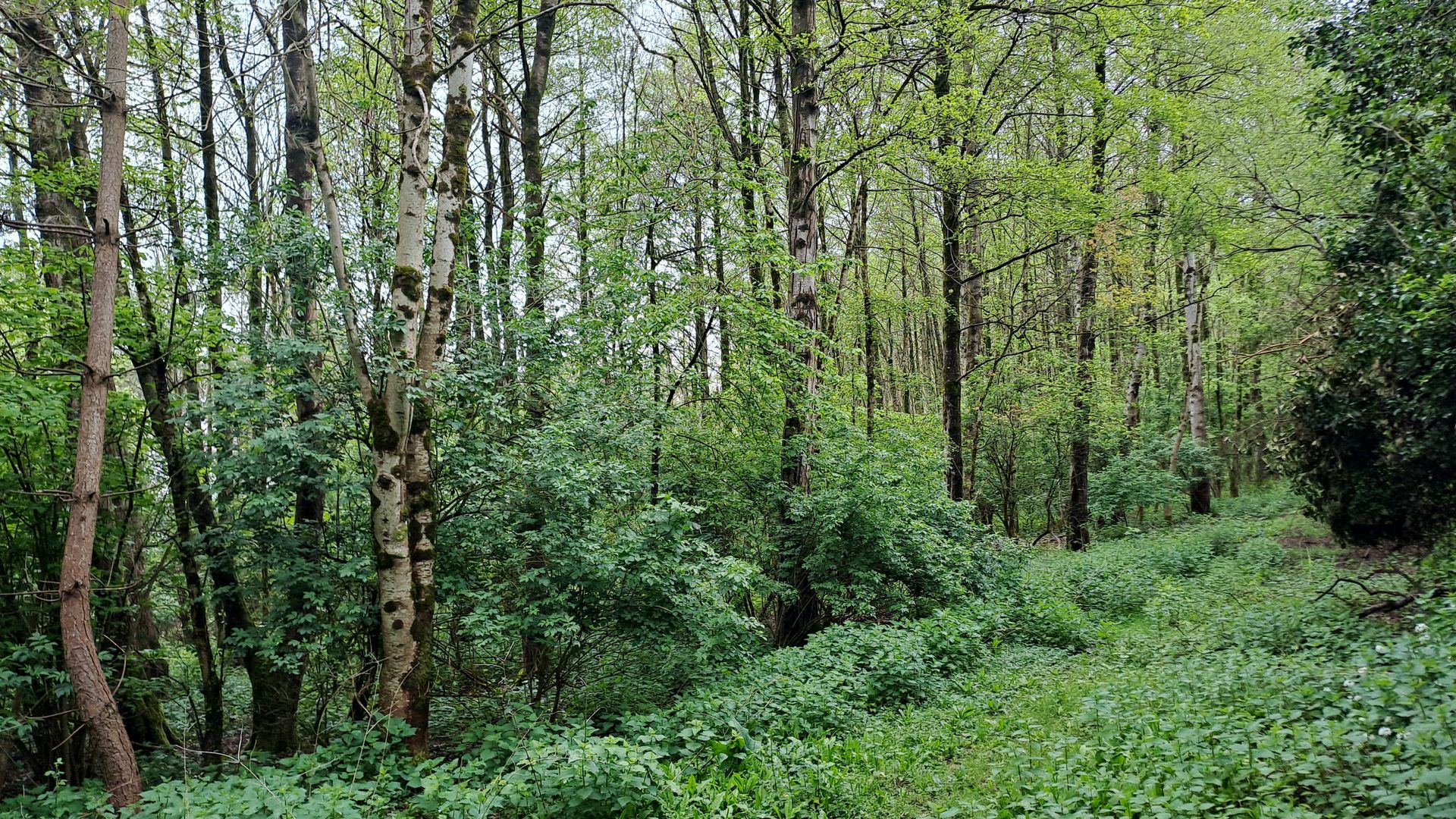
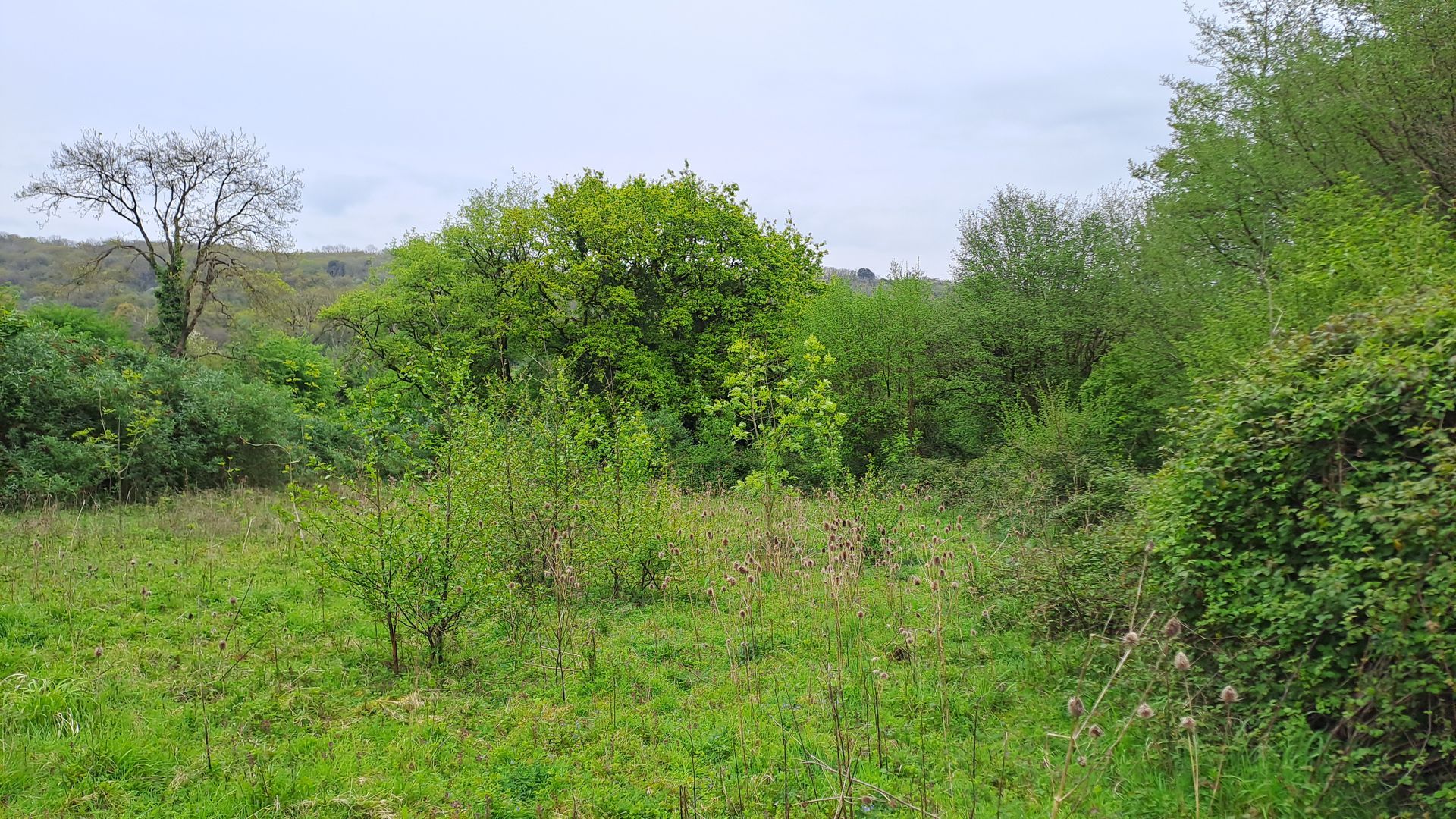
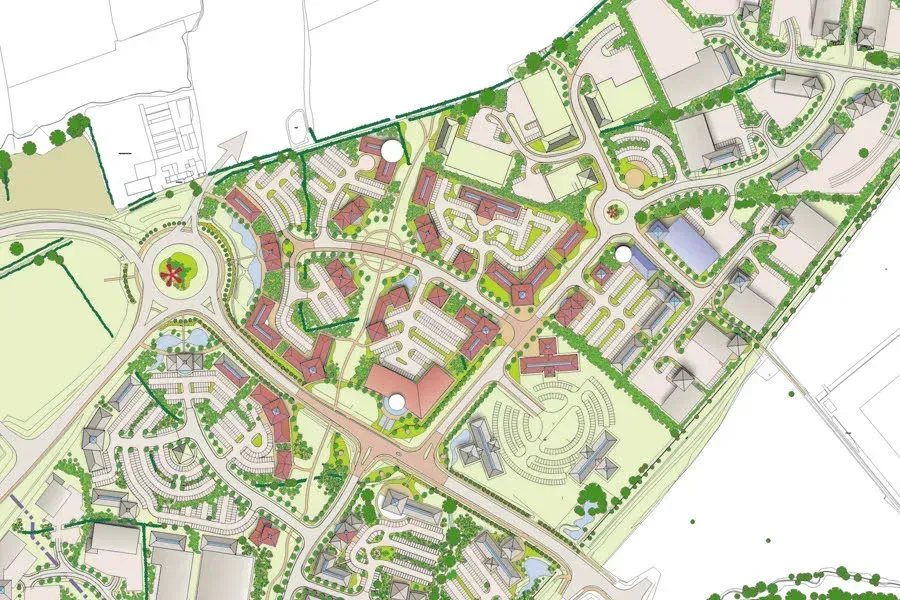
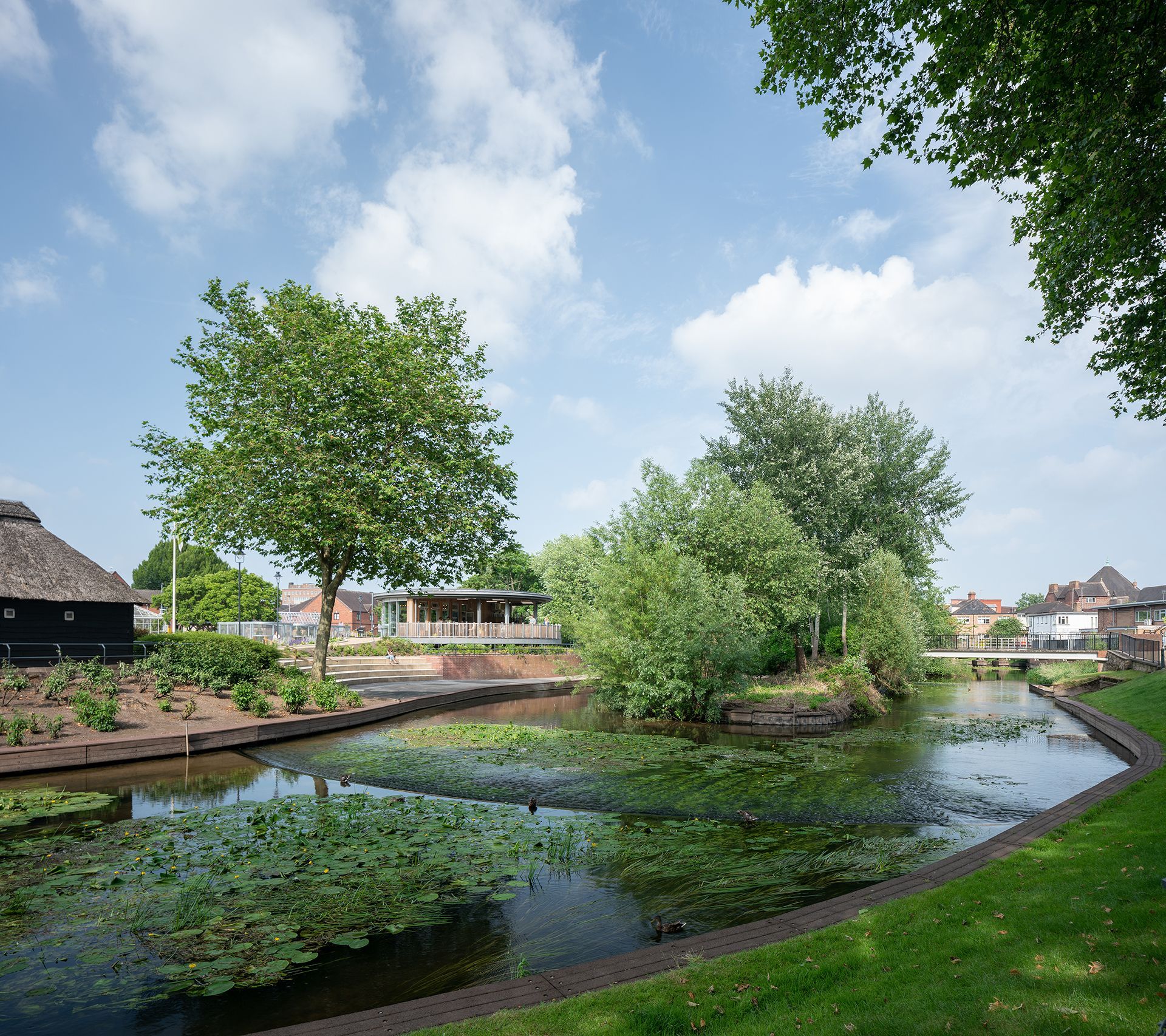
We prepared an updated Habitats Regulations Assessment, adopted by the Local Planning Authority as part of the decision-making process, and provided ongoing ecological input to refine condition wording and secure clarity around deliverable mitigation. Ecology was embedded throughout design and delivery, from maintaining dark corridors and controlling light spill, to integrating attenuation features that provide habitat value and supporting long-term stewardship.
This technically complex, time-critical project was delivered through proactive engagement and a licensing-led approach. By embedding ecology at the heart of programme, design and sequencing, we unlocked demolition and enabled the redevelopment to progress with certainty and efficiency. Our input has enabled the client to meet planning conditions, manage construction risks effectively, and ensure that the site’s tree and woodland assets are integrated into a sustainable and resilient landscape for the new community.