Large-scale Ecological Monitoring for SSSI
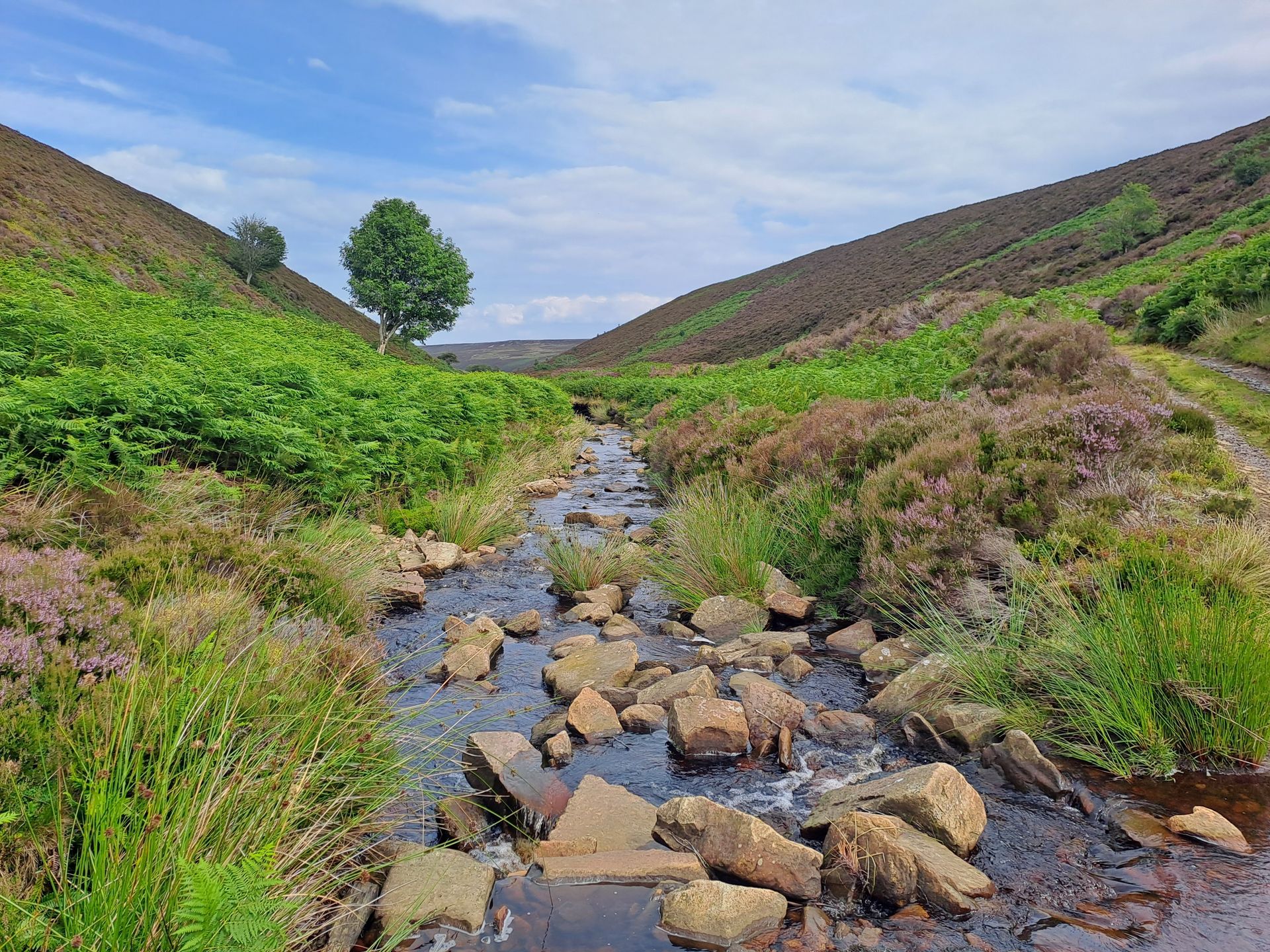
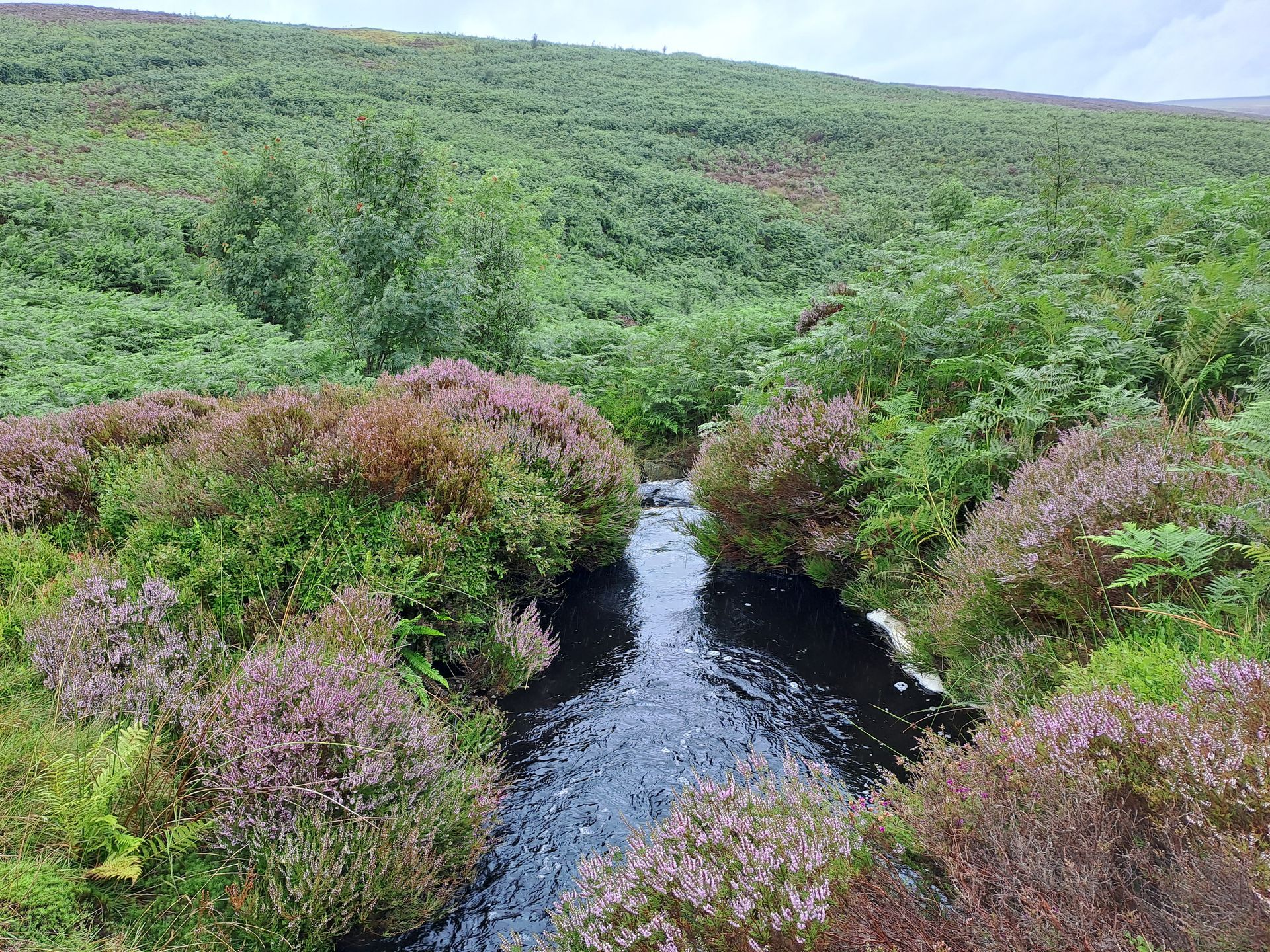
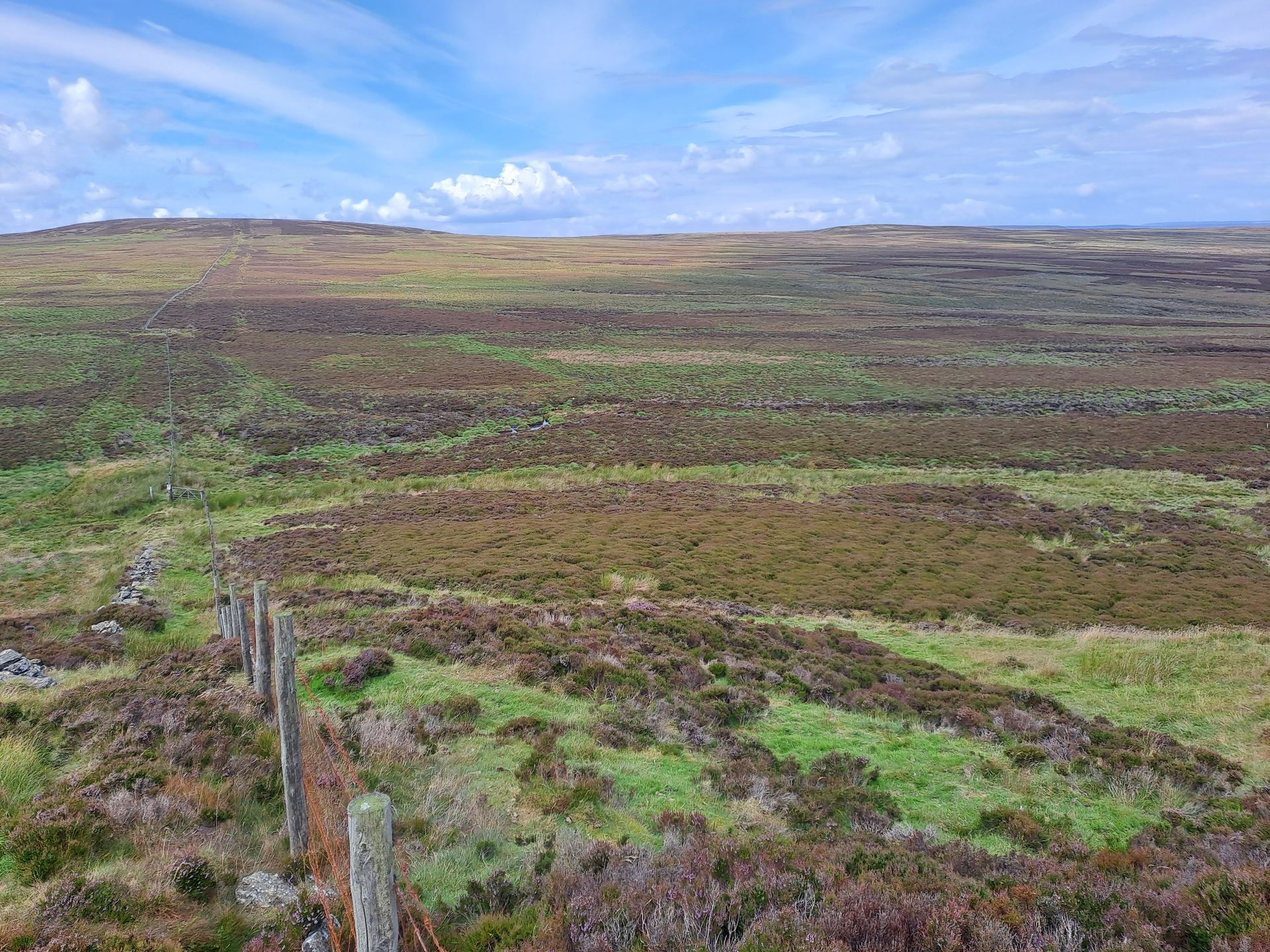
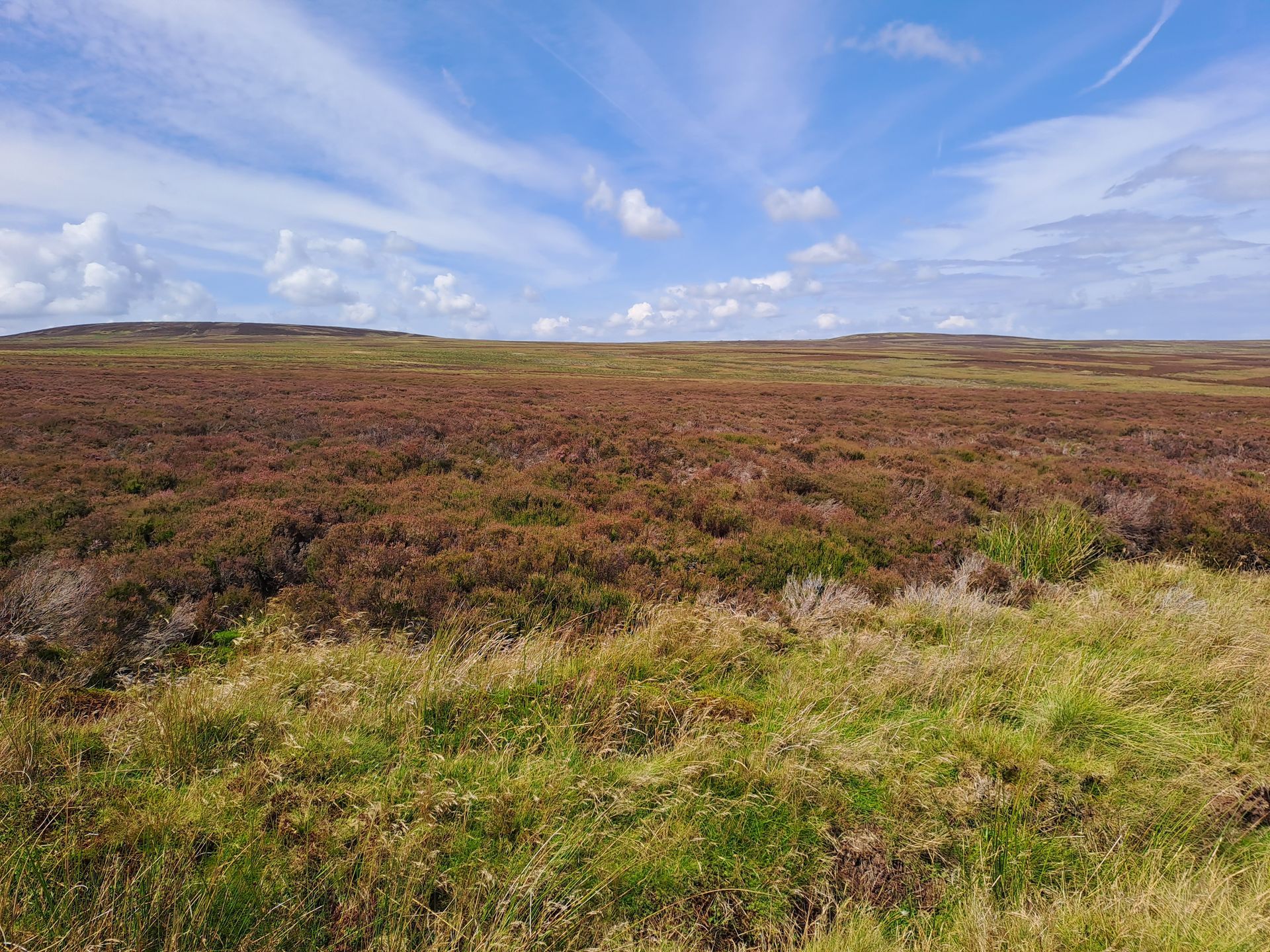
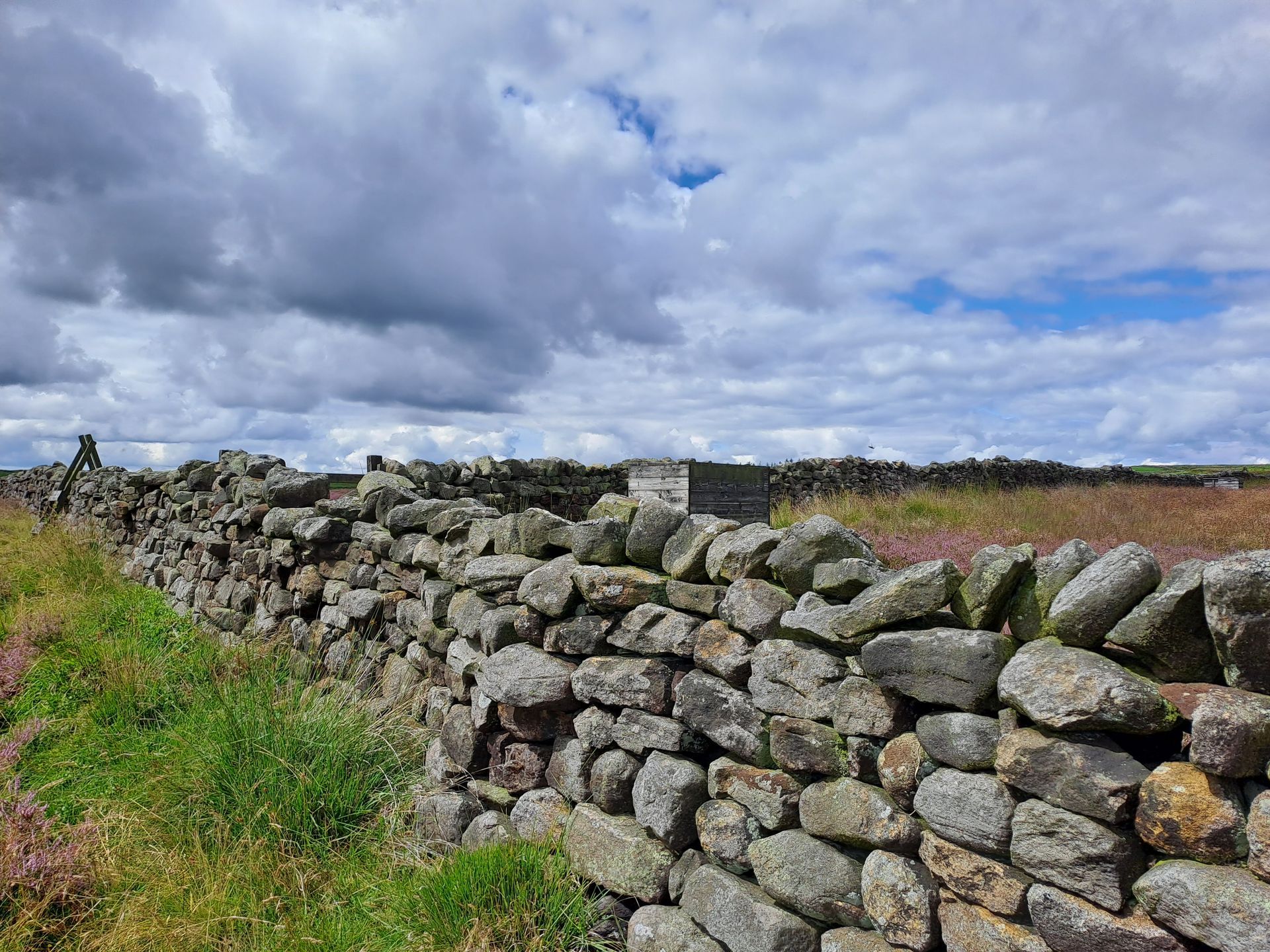
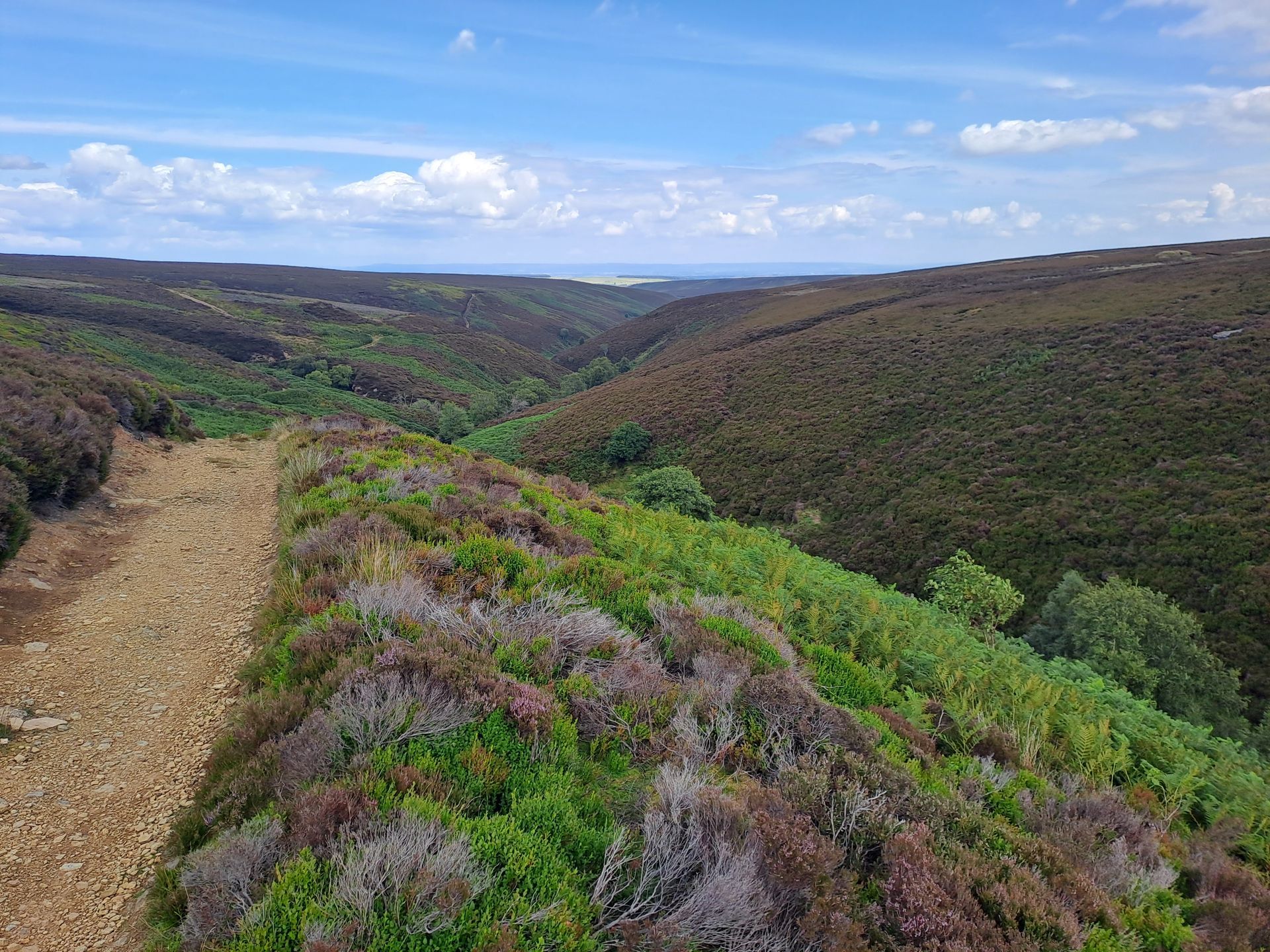
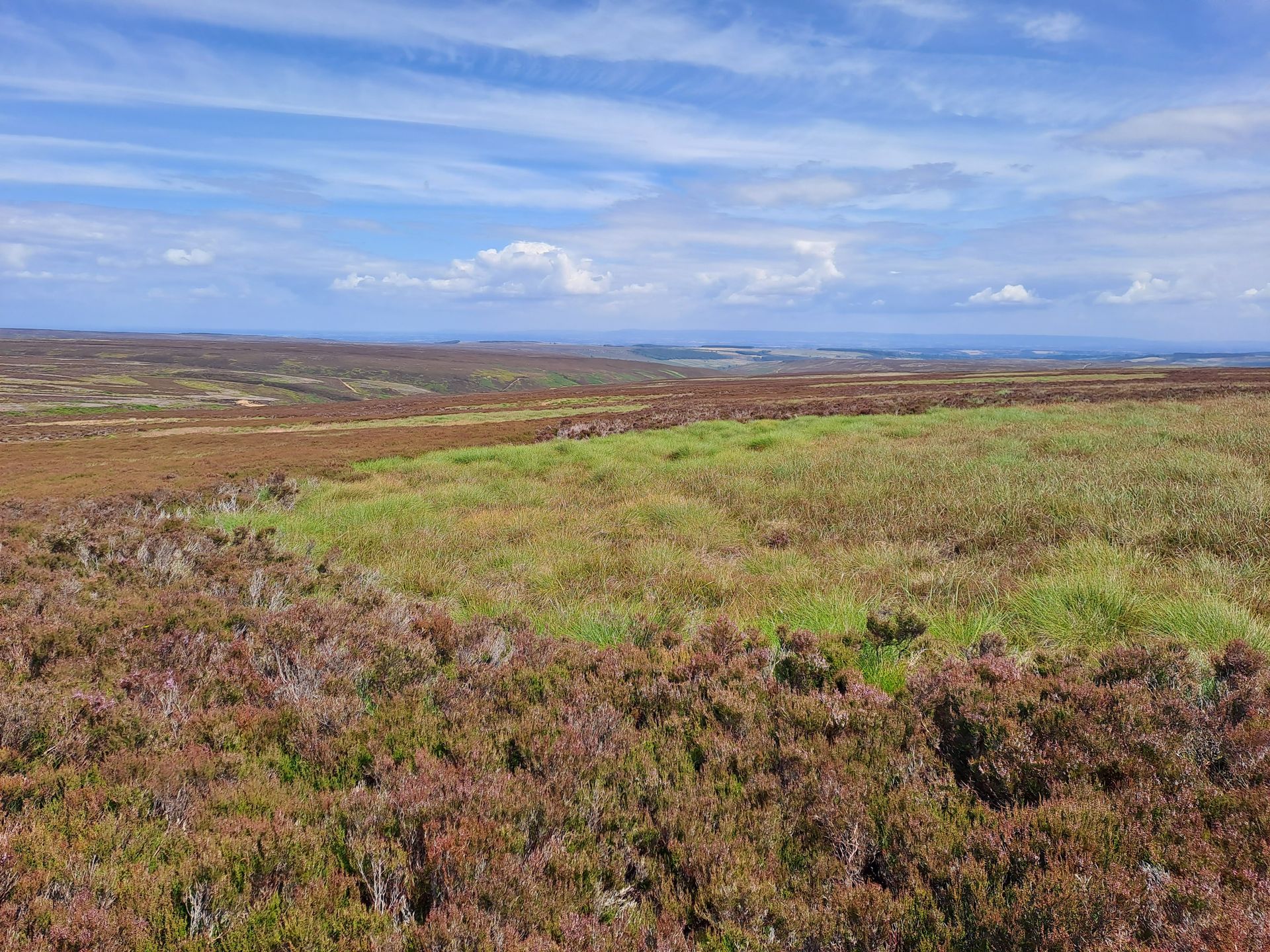
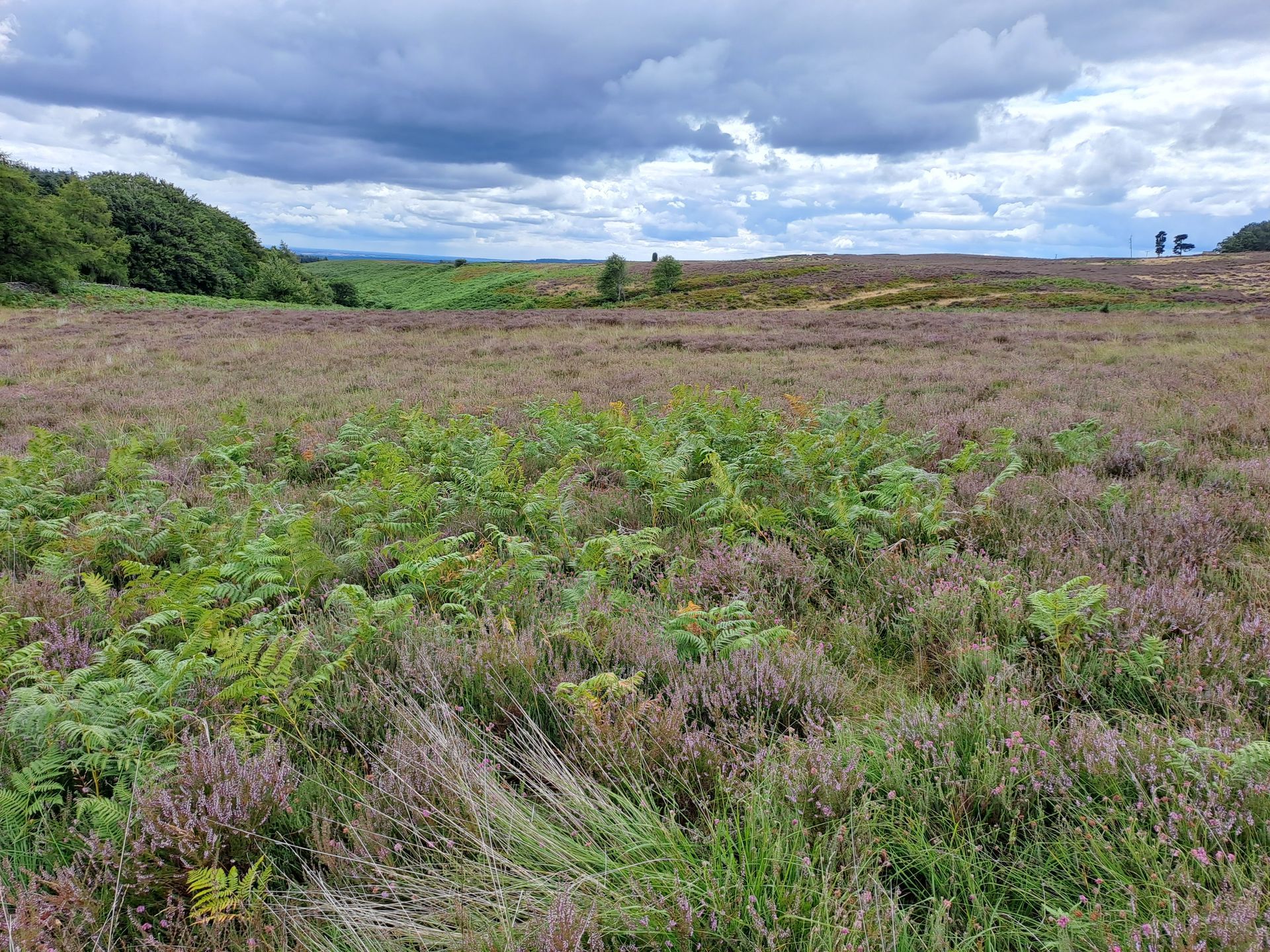
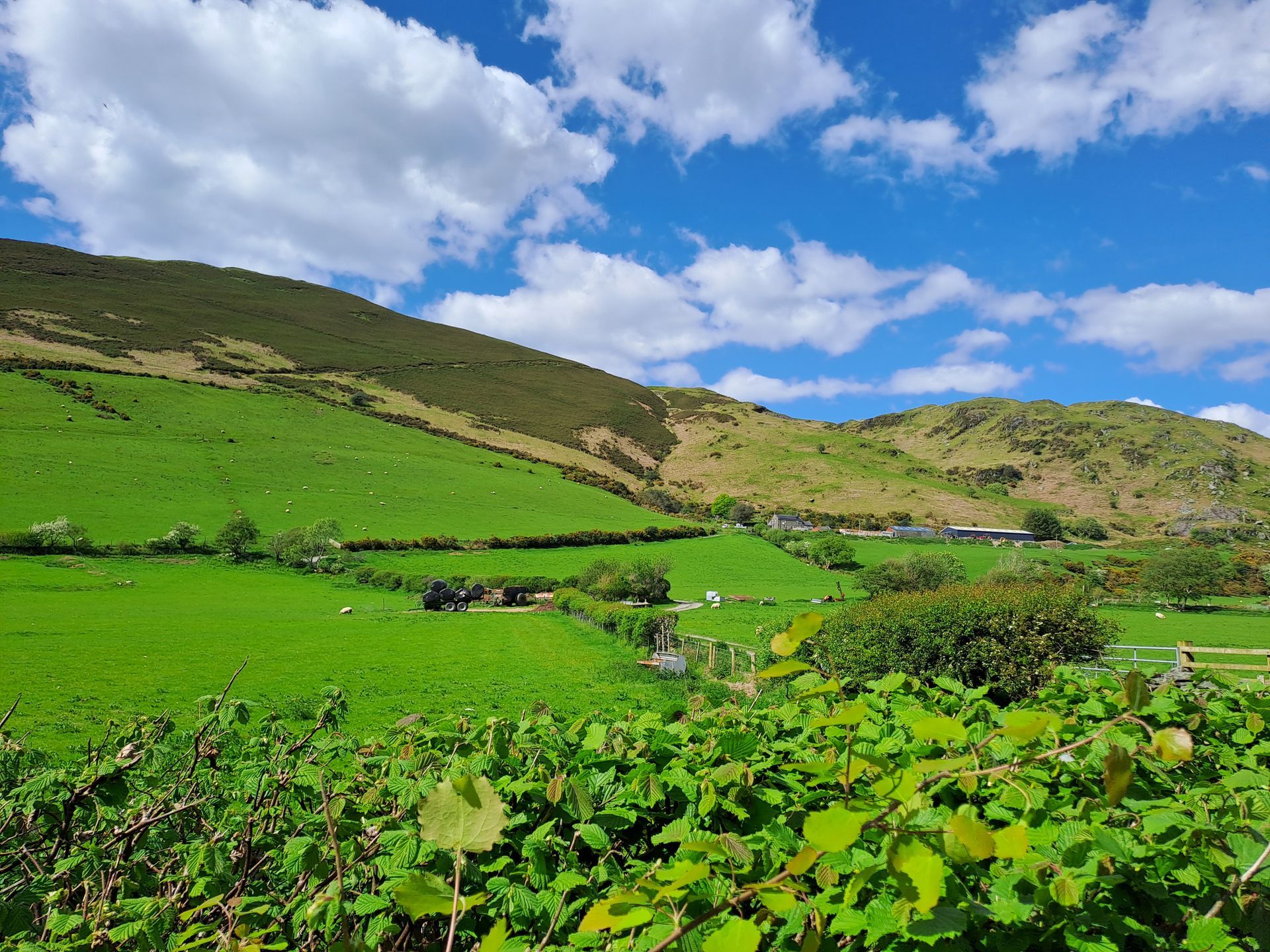
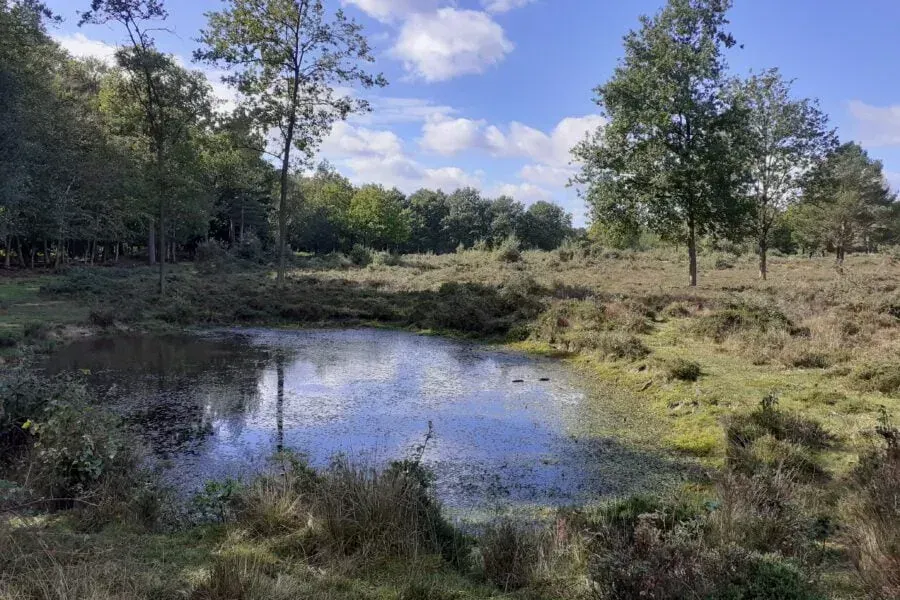
TEP has supported Natural England in delivering large-scale ecological monitoring across multiple Sites of Special Scientific Interest (SSSI), including the East Nidderdale Moors, Smardale Gill, and six northern moorland sites. Collectively, these surveys cover hundreds of square kilometres of upland and woodland habitat, supporting Nationally important bird populations such as merlin, hen harrier, golden plover, curlew and dunlin, alongside other characteristic upland species.
Our work demonstrates the repeated trust placed in TEP by a National statutory regulator. Across these projects, we delivered coordinated inputs across multiple disciplines, combining scientific rigour, practical field expertise, and robust project management to tackle logistically complex programmes at scale. Teams of up to 17 experienced upland bird surveyors and 5 support staff carried out more than 120 man-days of fieldwork, following the Brown and Shepherd methodology and adhering to strict survey guidelines for breeding birds. Training sessions and co-ordinated teamwork ensured consistency, accuracy, and careful attention to species welfare throughout the season.
Working across multiple concurrent surveys, our teams maintained clear communication with landowners and stakeholders to prevent conflict, manage access, and minimise disturbance. Innovative GIS tools enabled the mapping of approximately 20,000 individual birds, identifying breeding territories efficiently across vast upland and woodland landscapes. Each survey was supported by a rigorous quality assurance and data review process, ensuring analyses were defensible and informative.
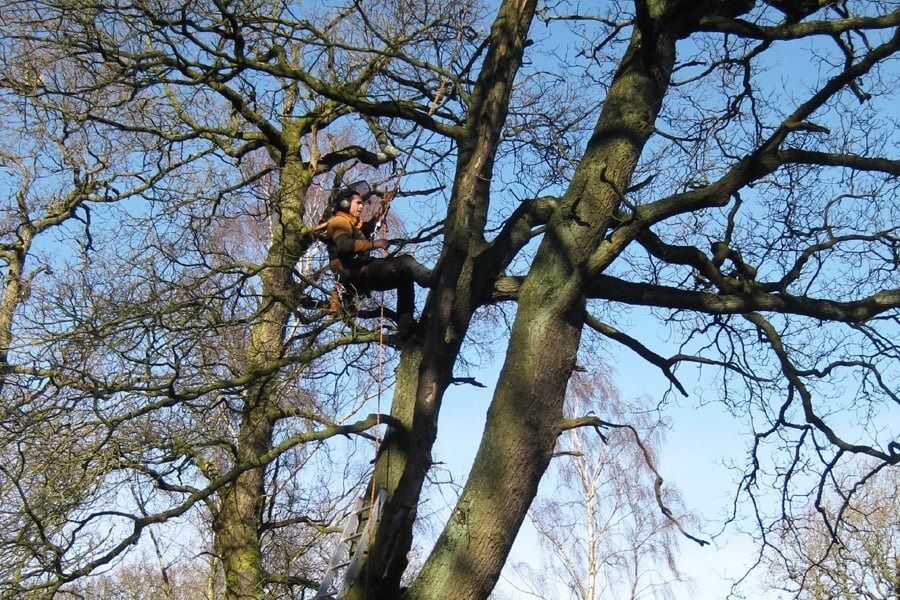
We also provided ecological advice on habitat condition, delivering recommendations to enhance habitat management, and securing protected species licences where required. In each case, our work supported Natural England’s Common Standards Monitoring (CSM) assessments and provided clear evidence to inform long-term conservation decisions. Feedback consistently highlighted our professional approach, scientific depth, and the practical delivery of complex field programmes.
These commissions demonstrate our ability to deliver logistically challenging ecological surveys across nationally important landscapes, combining repeat trust from a statutory regulator with meaningful, measurable conservation impact. From detailed field surveys to rigorous analysis and management advice, we provide the expertise, oversight, and insight to ensure high-quality, large-scale ecological programmes are delivered reliably, safely, and with long-term stewardship embedded throughout every stage.