Thetford Forest
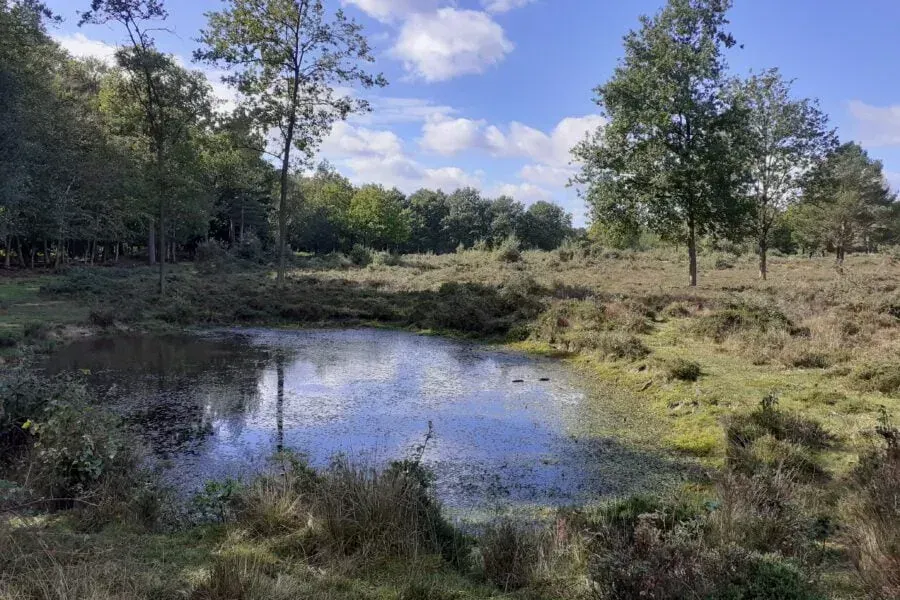
Thetford Forest is the UK’s largest manmade lowland forest. It is a much-valued recreational resource, with over 1 million visitors each year, and a nationally important site for wildlife. The majority of the forest forms part of the Breckland Forest Site of Special Scientific Interest (SSSI), designated for its populations of rare plants, invertebrates, ground nesting birds, red squirrel and important geological features.
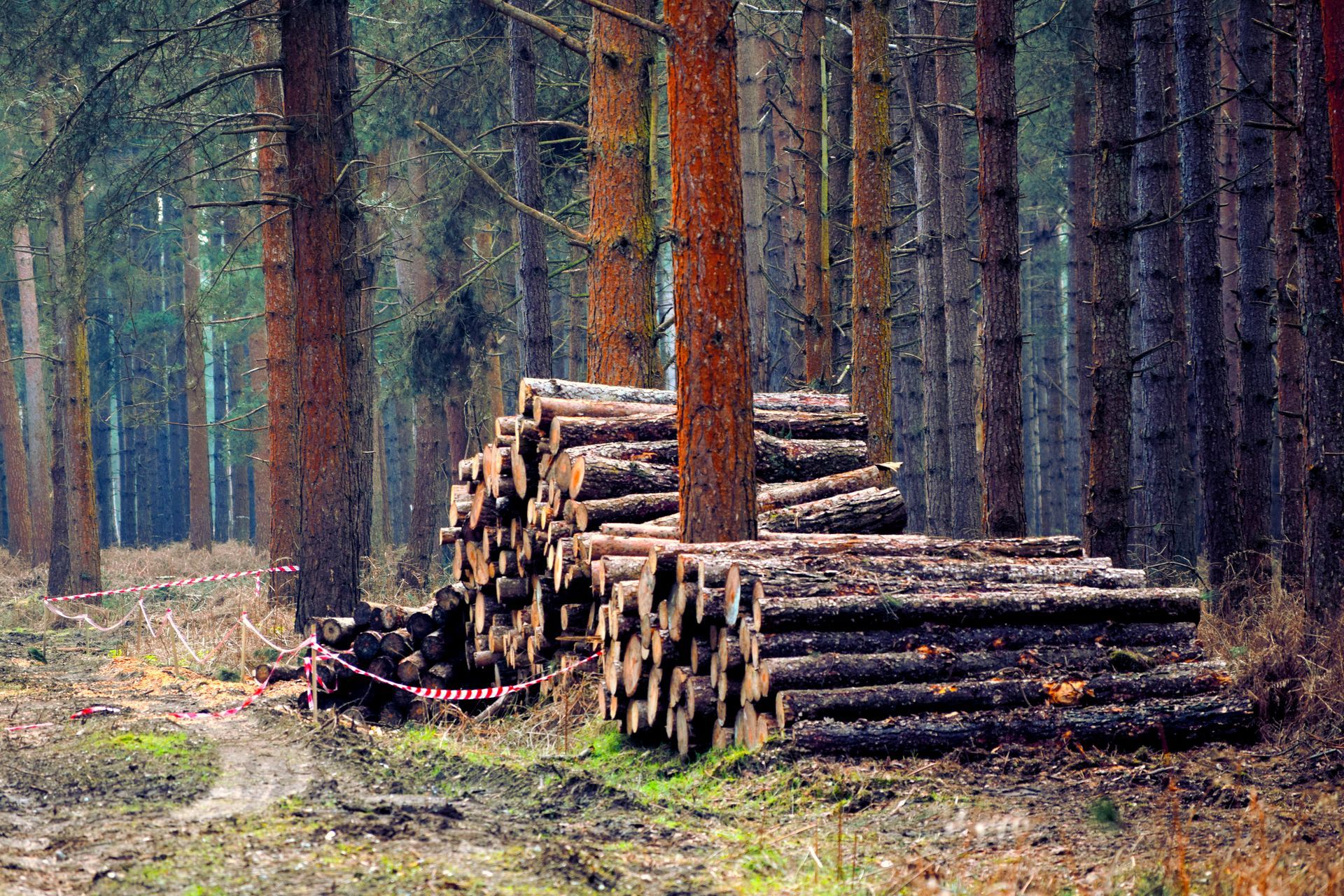
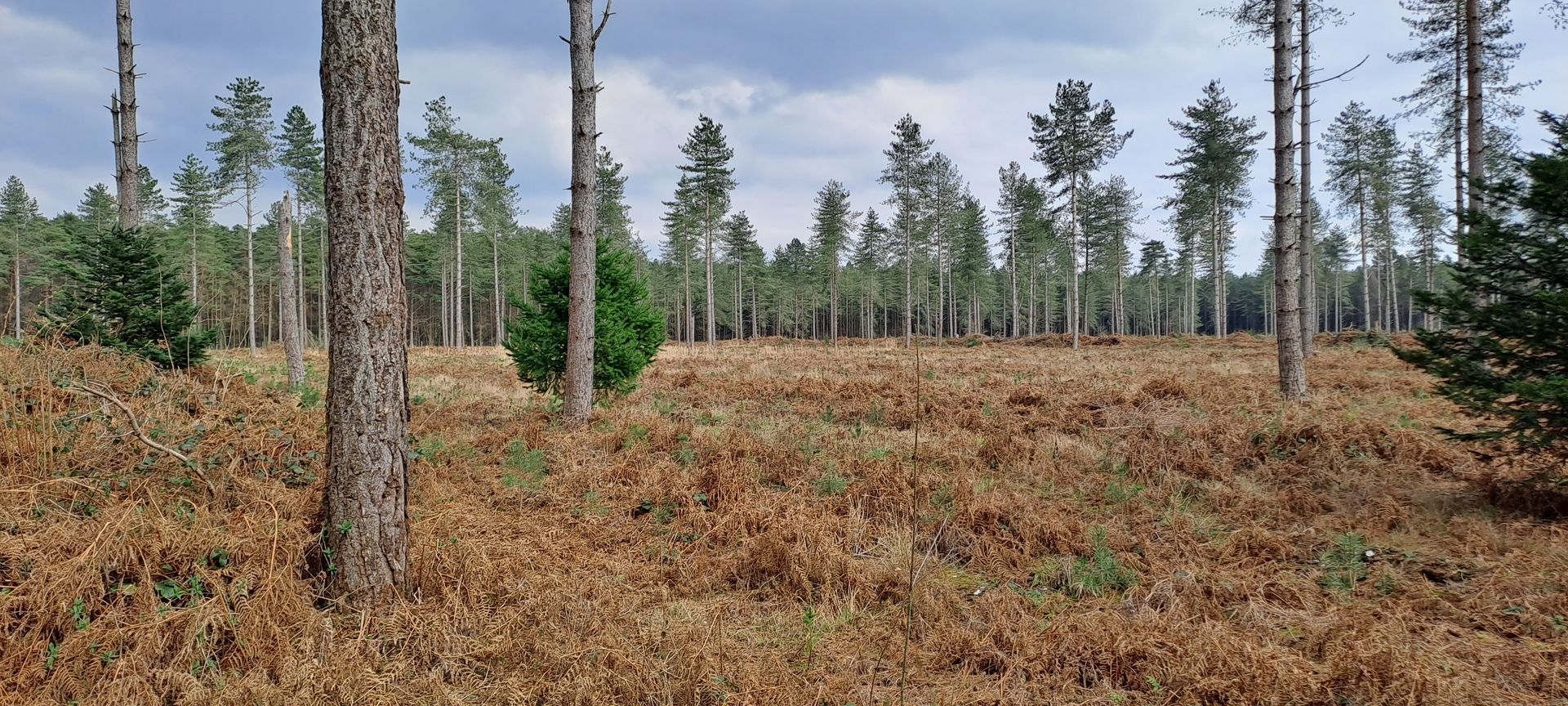
Today, the forest is largely composed of coniferous stands. Corsican and Scots pine are the most common timber species, together covering 60% of the forest area. At the turn of the century, a fungal pathogen (Dothistroma septosporum) infected most of the Corsican pine stands. This led to an uncertain prognosis for tree survival and challenged the prevalent forest management approach of single species, even-aged stands managed by clearfell and restock.
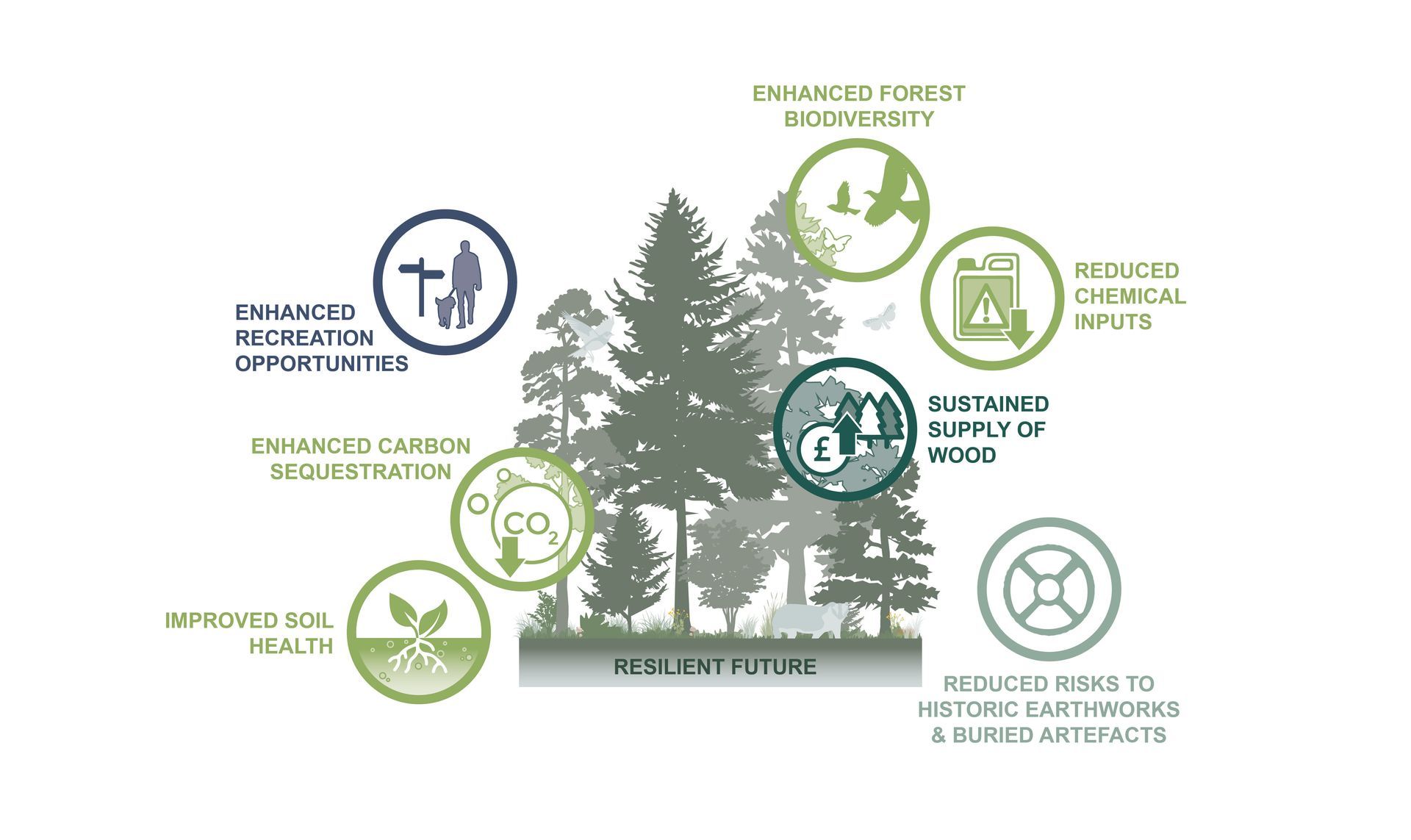
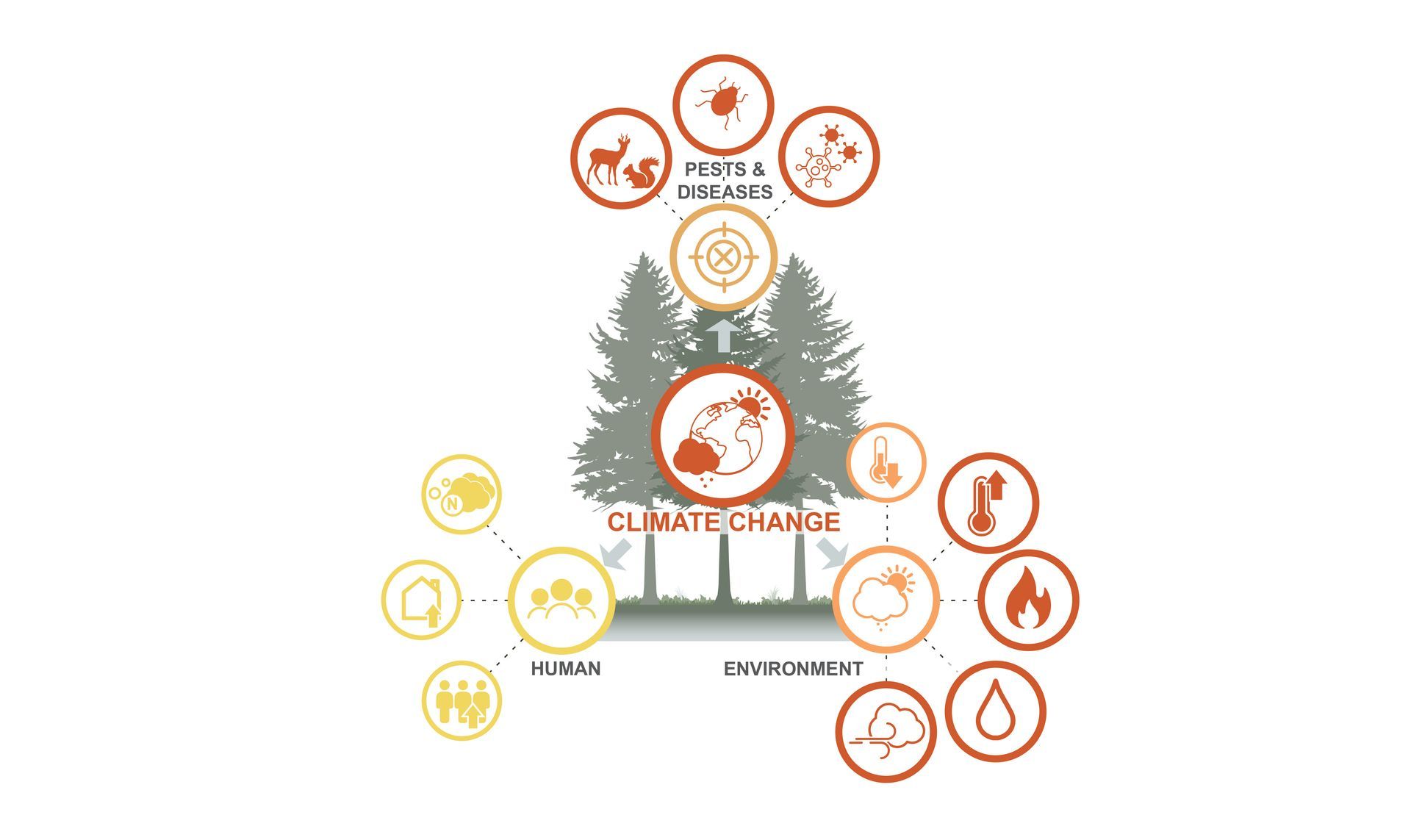
Healthy forests and woodland are key to tackling the climate and biodiversity emergencies, as well as providing a recreational resource for society. Increasing threats from climate change, biodiversity loss, pests and pathogens, and social pressures (e.g. recreation and development) pose significant challenges for forest management. A number of these threats are particularly keenly felt at Thetford Forest, because of a combination of low rainfall, risk of drought, and a mosaic of fairly extreme soil conditions.
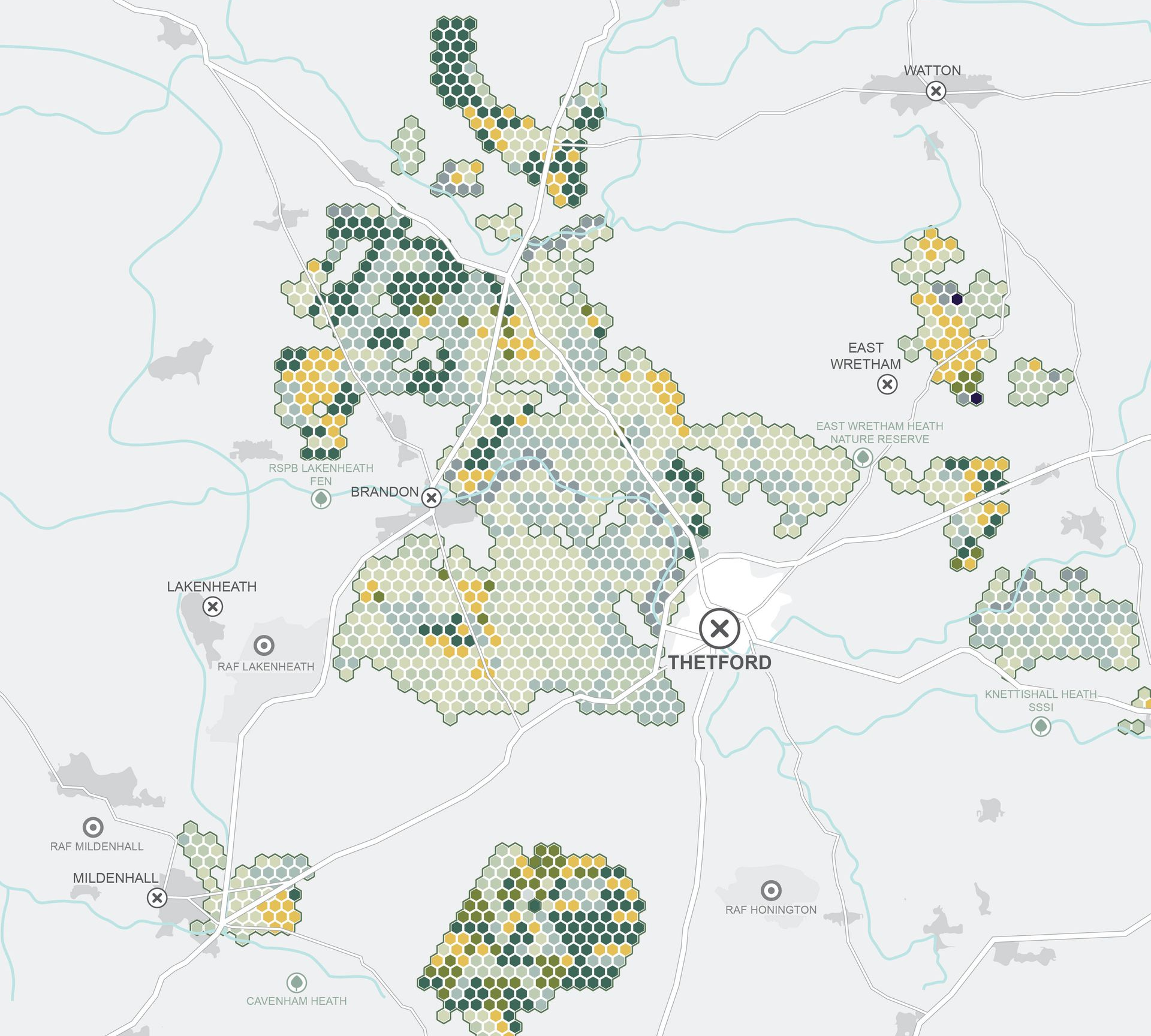
In 2024, we were commissioned by Forestry England to work with them on the Thetford Forest Resilience Project. The project defines Forestry England’s vision for a resilient Thetford Forest and sets out the changes to forest and habitat management required to address the mounting challenges the forest is facing. Our work, which combined the expertise of our Landscape Architecture and Geospatial teams, included spatial analysis of the threats faced and the development of two plans: a Strategic Plan for the next 60 years and a Transitional Plan for the next 5 years, to communicate the changes proposed.
The plans outline a shift away from single species coniferous blocks managed by clearfell and restock, towards the use of Low Impact Silvicultural Systems (LISS), which increase the structural and species diversity of forest stands. This increase in diversity is key to enhancing forest resilience.
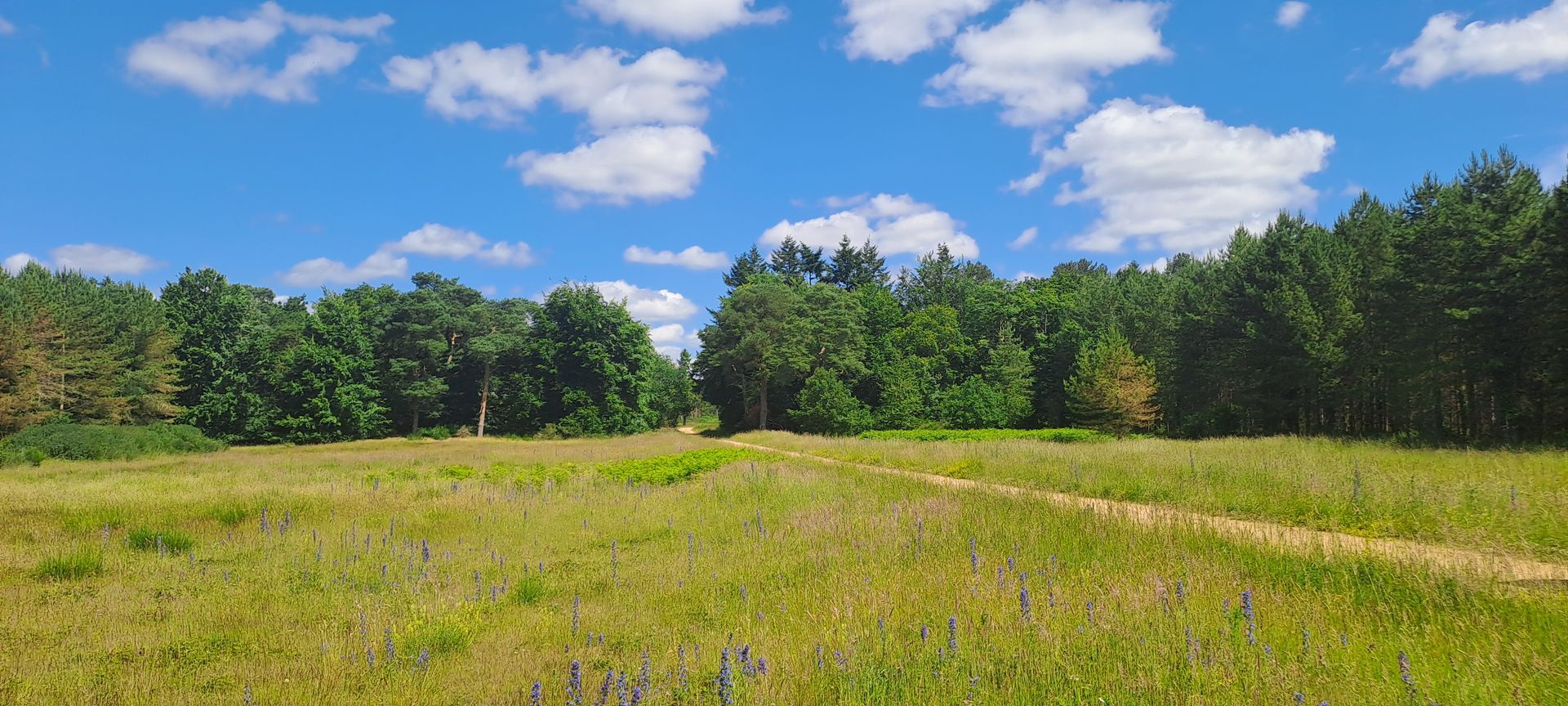
Although the clearfell and re-stock system delivers poor value woodland habitat, at Thetford it does provide valuable post-felling transient open habitat for ground nesting birds, a key reason for the SSSI designation. Therefore, a complementary strand of work was required to address the implications for habitats and species of the shift away from clearfell and restock. Proposals include enhancing the scale, diversity, condition and connectivity of the open grassland and healthland habitats which run through the forest.
The plans are presented as interactive ArcGIS story maps, with integrated web map and dashboard components. This format supports communication of the complex and integrated proposals and allows staff and stakeholders to explore the spatial application of the plans across the c.19,000 hectares of forest. The Strategic Plan is available to view on the Thetford Forest website here.