North Kent National Nature Reserve
In May 2025, The North Kent Woods and Downs National Nature Reserve (NNR) was officially designated by Natural England, one of the King’s Series of NNRs. Working alongside CFP Landscape and Heritage, we were commissioned by the Kent Downs National Landscape to prepare a comprehensive Visitor Access and Community Engagement Strategy and Implementation Plan to support the designation.
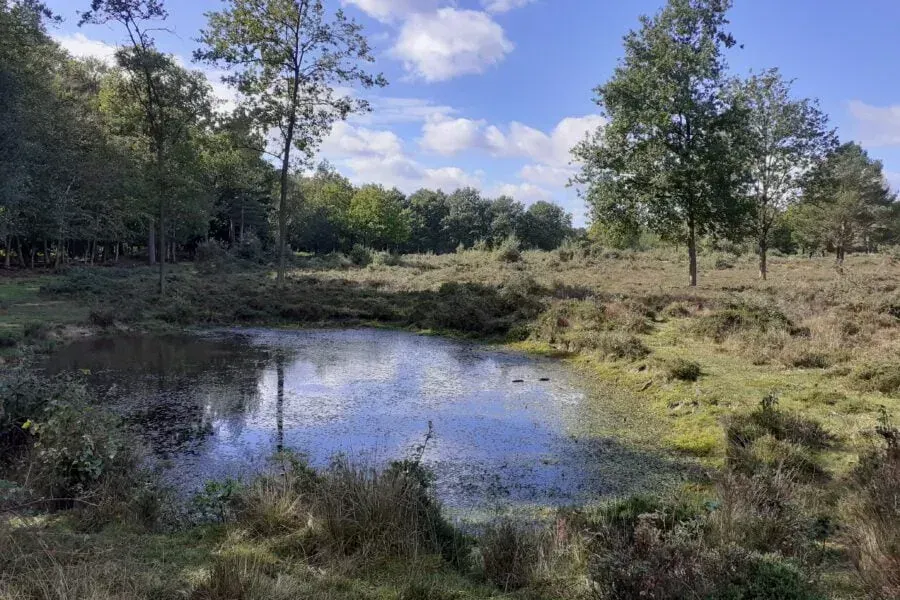
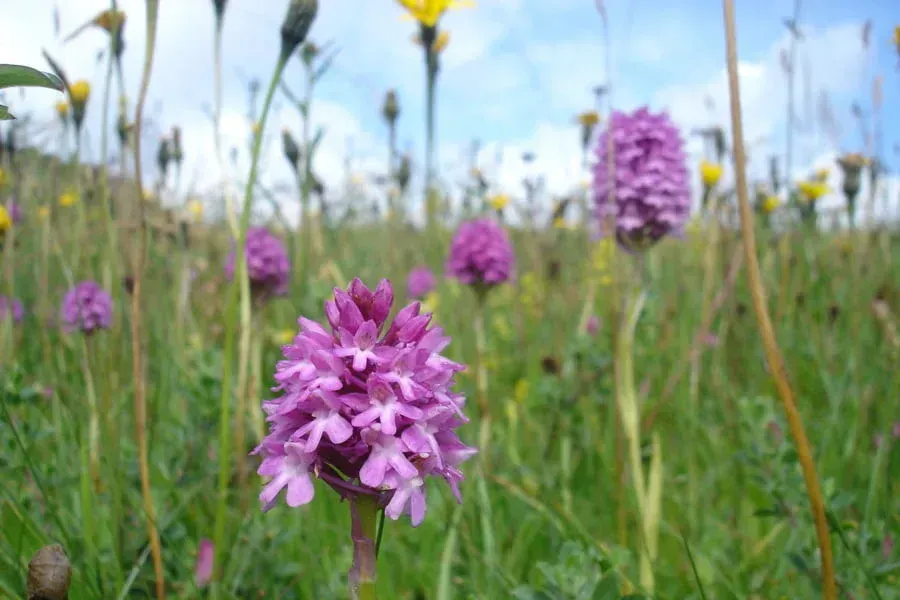
The NNR is located at the northernmost edge of the Kent Downs National Landscape, which extends south to the Kent coast and west to the border with Surrey and Greater London. The reserve is within easy reach of millions of people, being located immediately adjacent to the urban areas of Gravesend, Strood, Rochester and Chatham, and only 20km south-east of London. Priority habitats present within the study area include ancient woodland, wood pasture, internationally important arable habitats and chalk grassland. Just under 1,000 hectares within the study area are designated SSSI.
The Kent Woods and Downs NNR is a partnership reserve, bringing together multiple landowners to drive landscape scale nature recovery, inspire people and promote learning. The study area, which includes the reserve and some adjacent land, includes 21 different landholdings. Partners and affiliate members include Kent County Council, Medway Borough Council, the National Trust, PlantLife, Forestry England, The Woodland Trust, the Birling Estate and Silverhand Estate. Extensive consultation with stakeholders was undertaken through 1-to-1 calls and an in-person workshop. A considerable degree of buy-in to the process and proposals was achieved in a short 17-week programme.
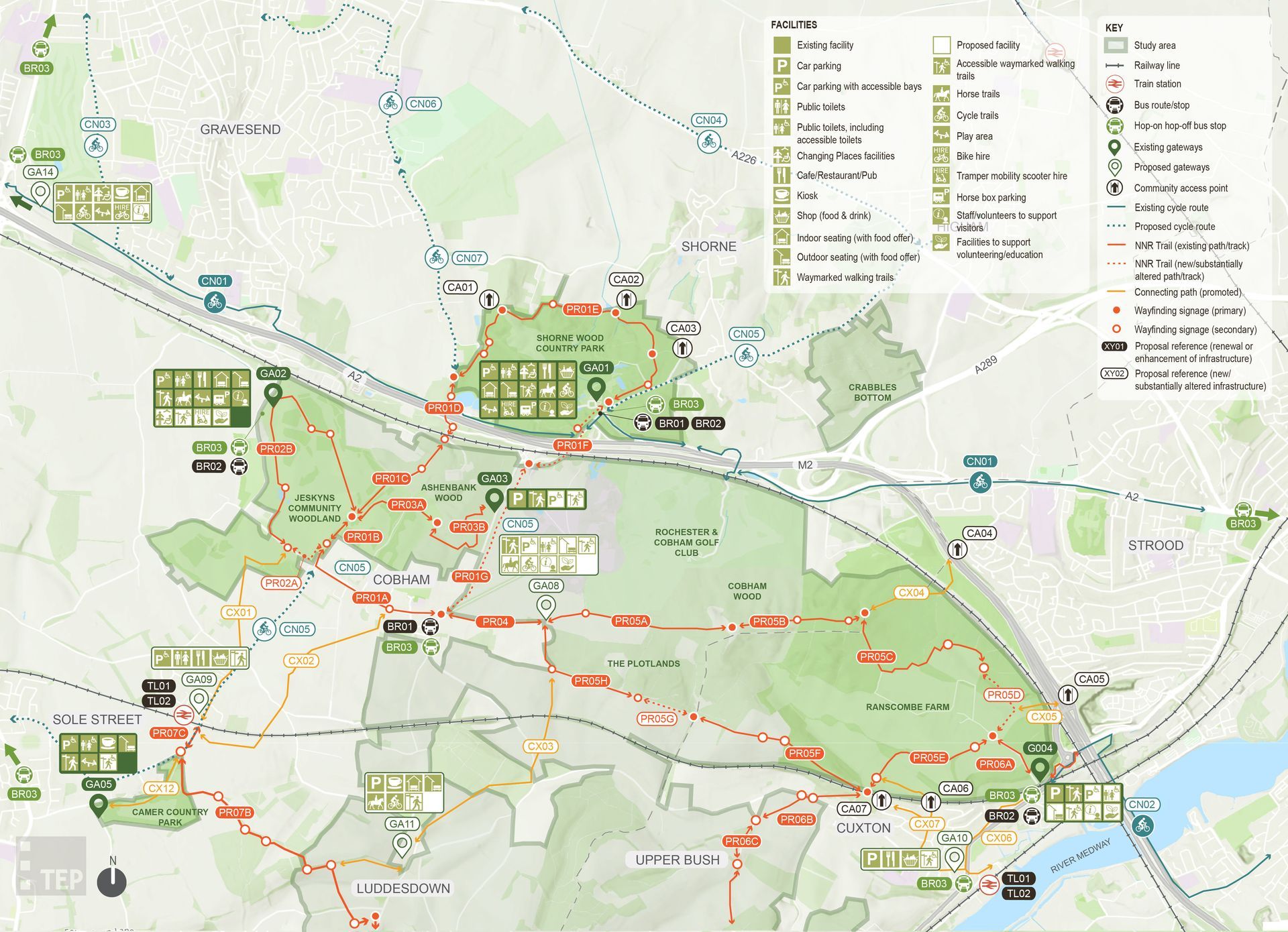
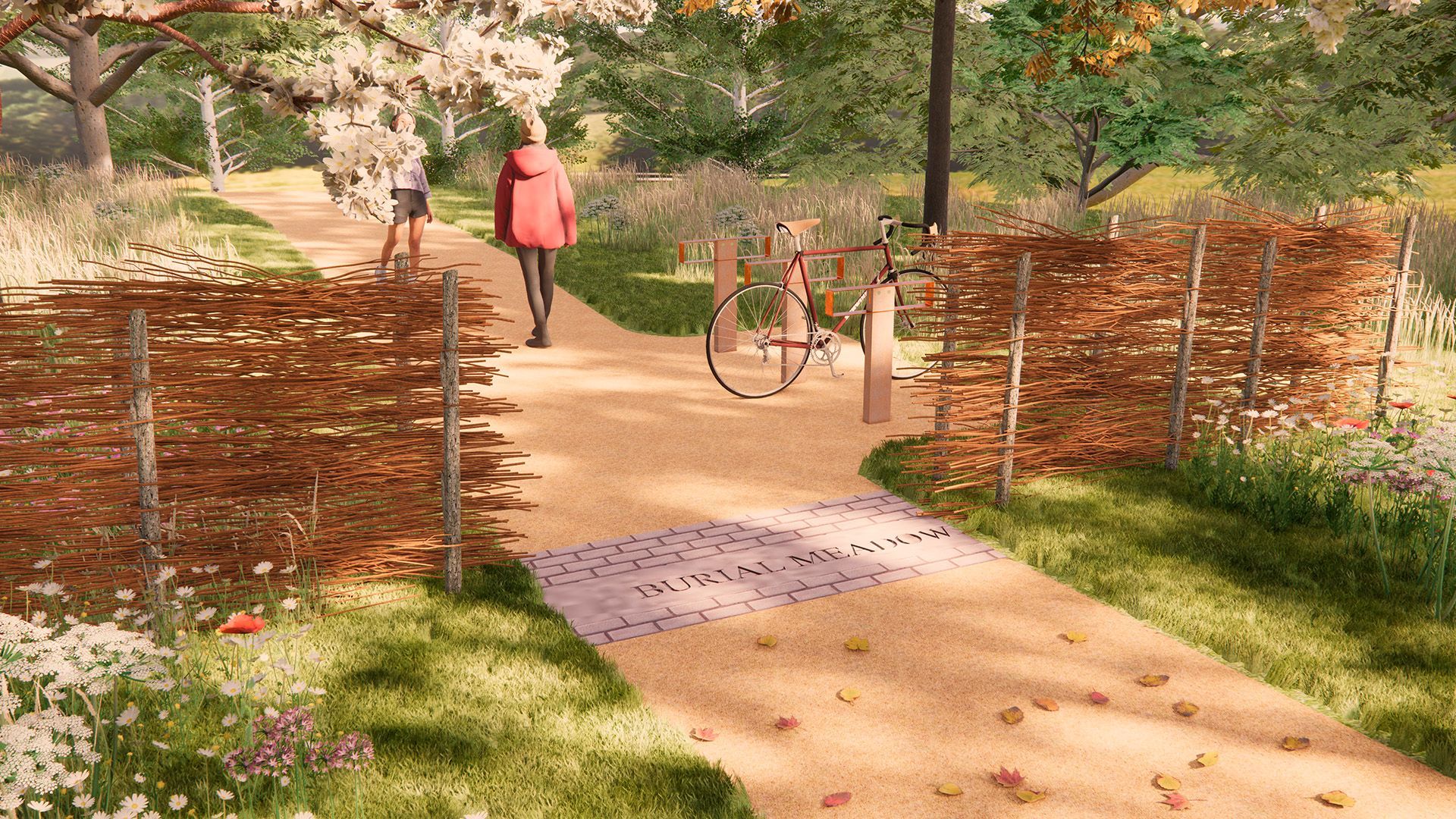
The strategy and its linked implementation plan address audiences, community engagement, pre-visit information, travelling to and from the reserve, moving through the NNR, wayfinding, and safety and security. Strategic recommendations and prioritised improvement proposals are structured in each area. Our Landscape Architects, supported by colleagues in our Geospatial team, undertook desk studies and an audit of existing infrastructure to support the development of proposals that improve access and engagement, whilst safeguarding the reserve’s sensitive habitats.
Following designation, the strategy and action plan now form part of a management framework for the NNR, with aligned strategies addressing Landscape and Natural Environment, and Heritage and Community. The strategy can be viewed on the Kent Woods and Downs NNR website.
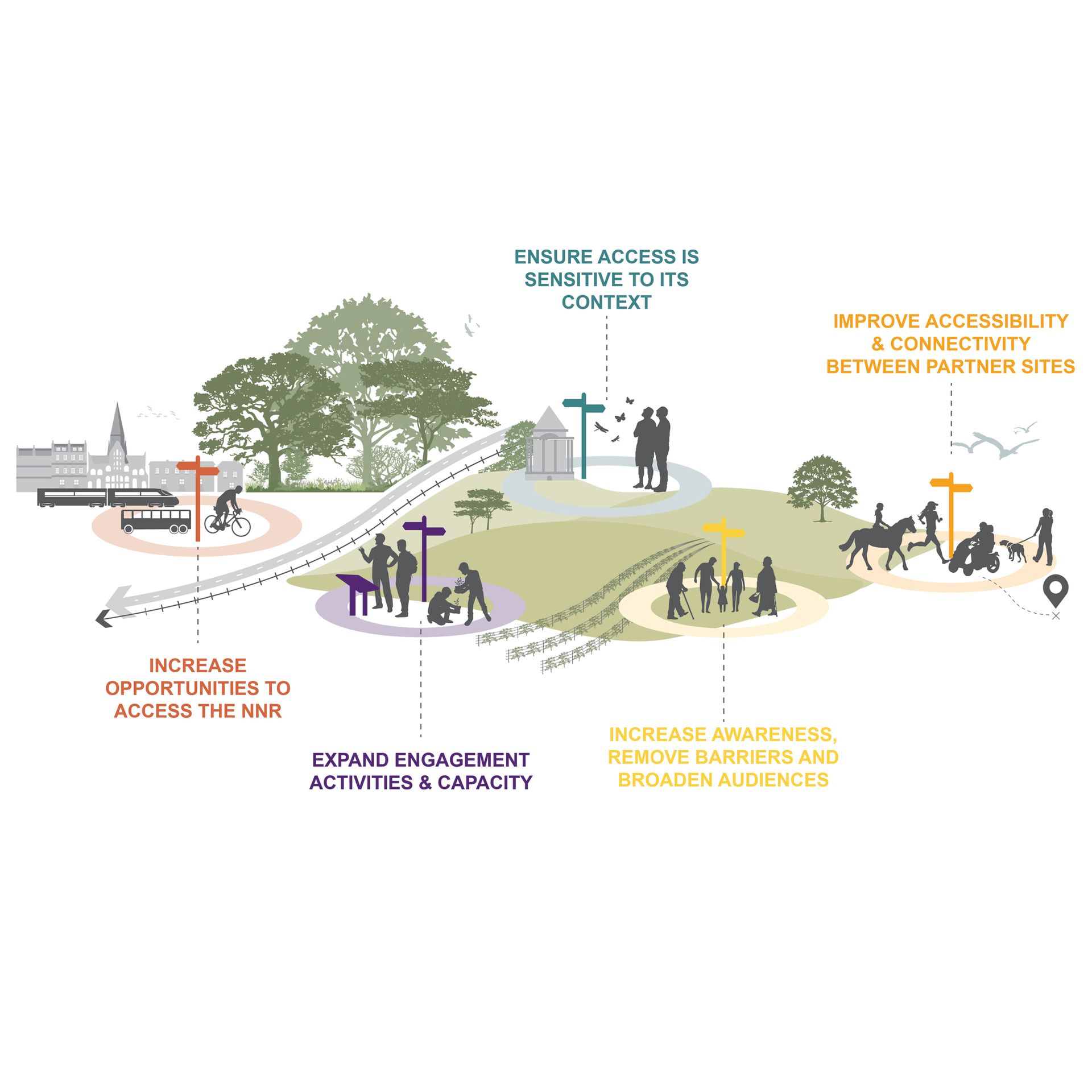
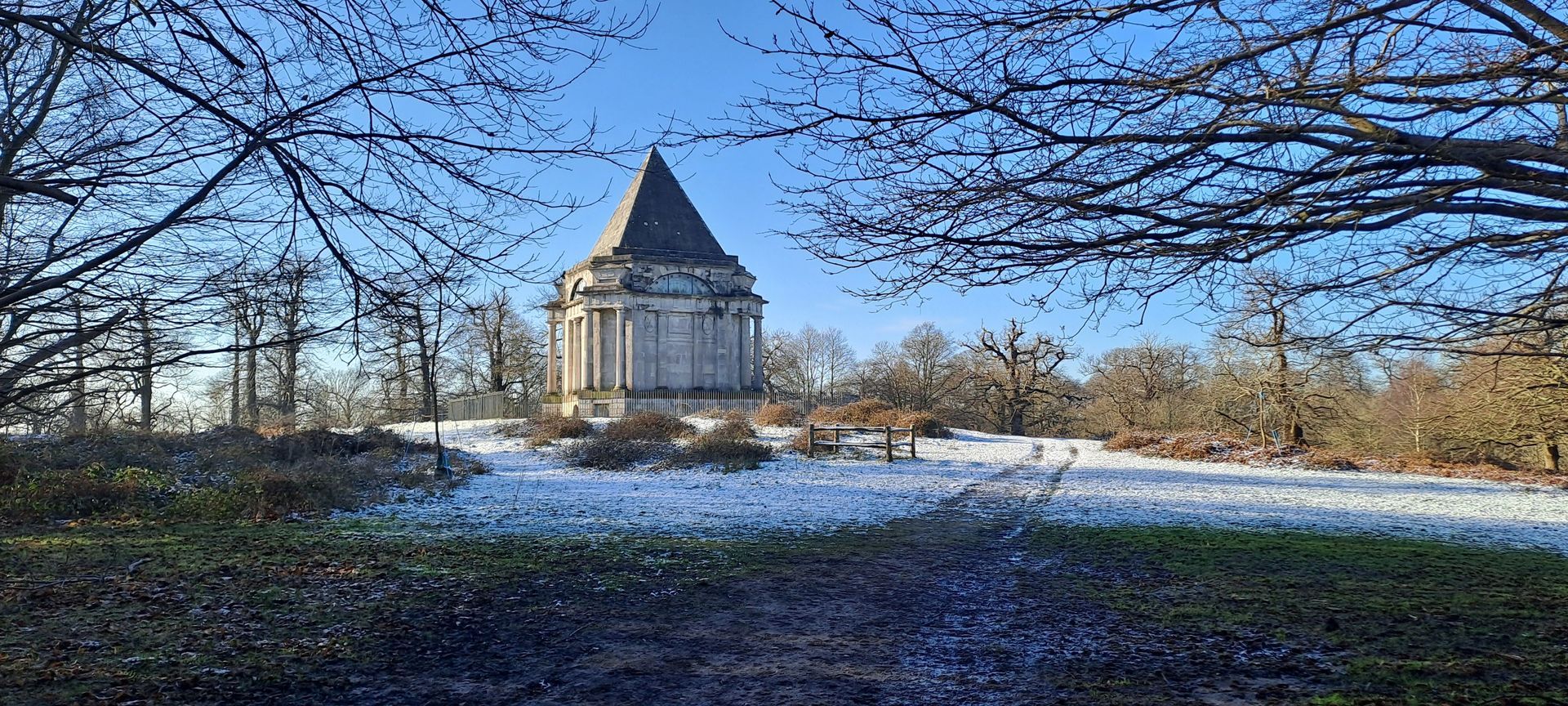
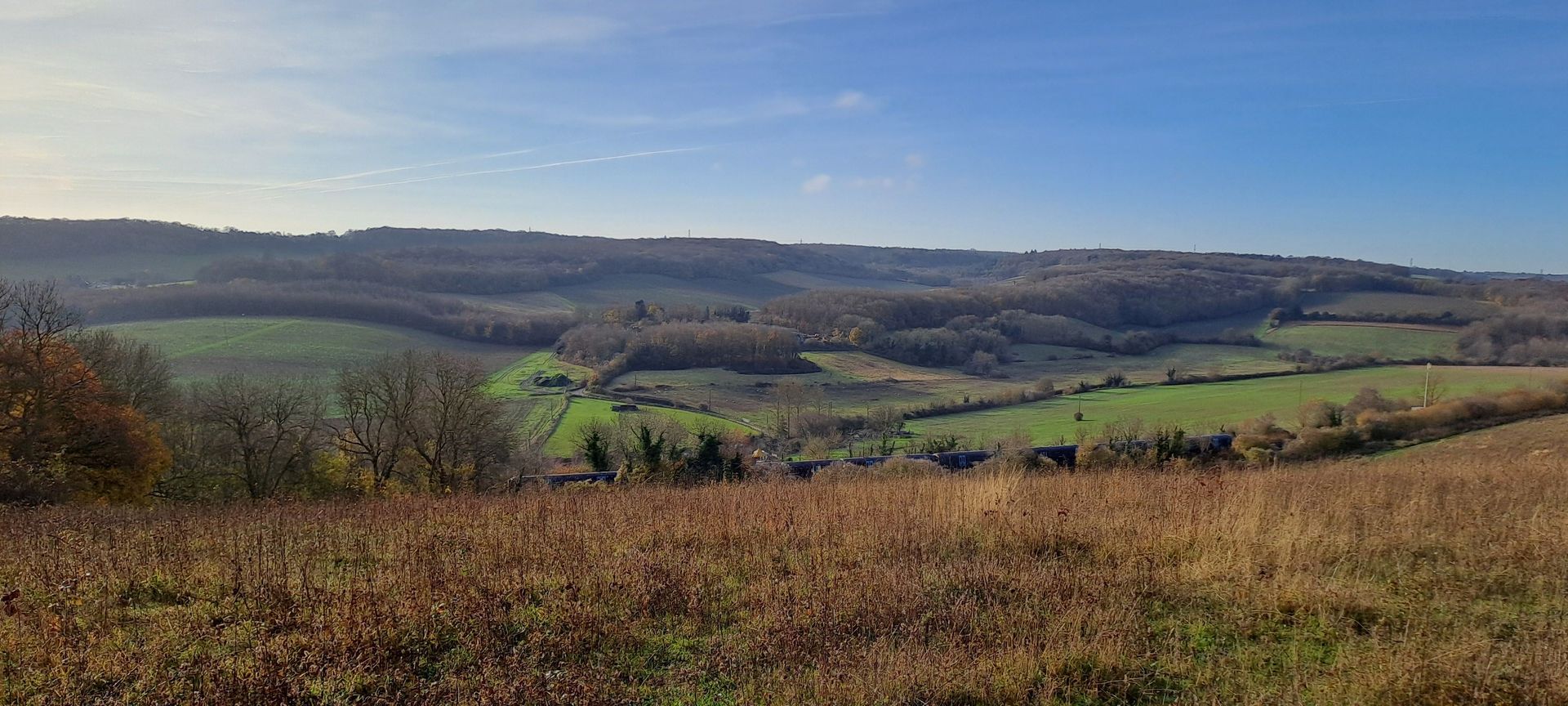
Image credit: National Trust
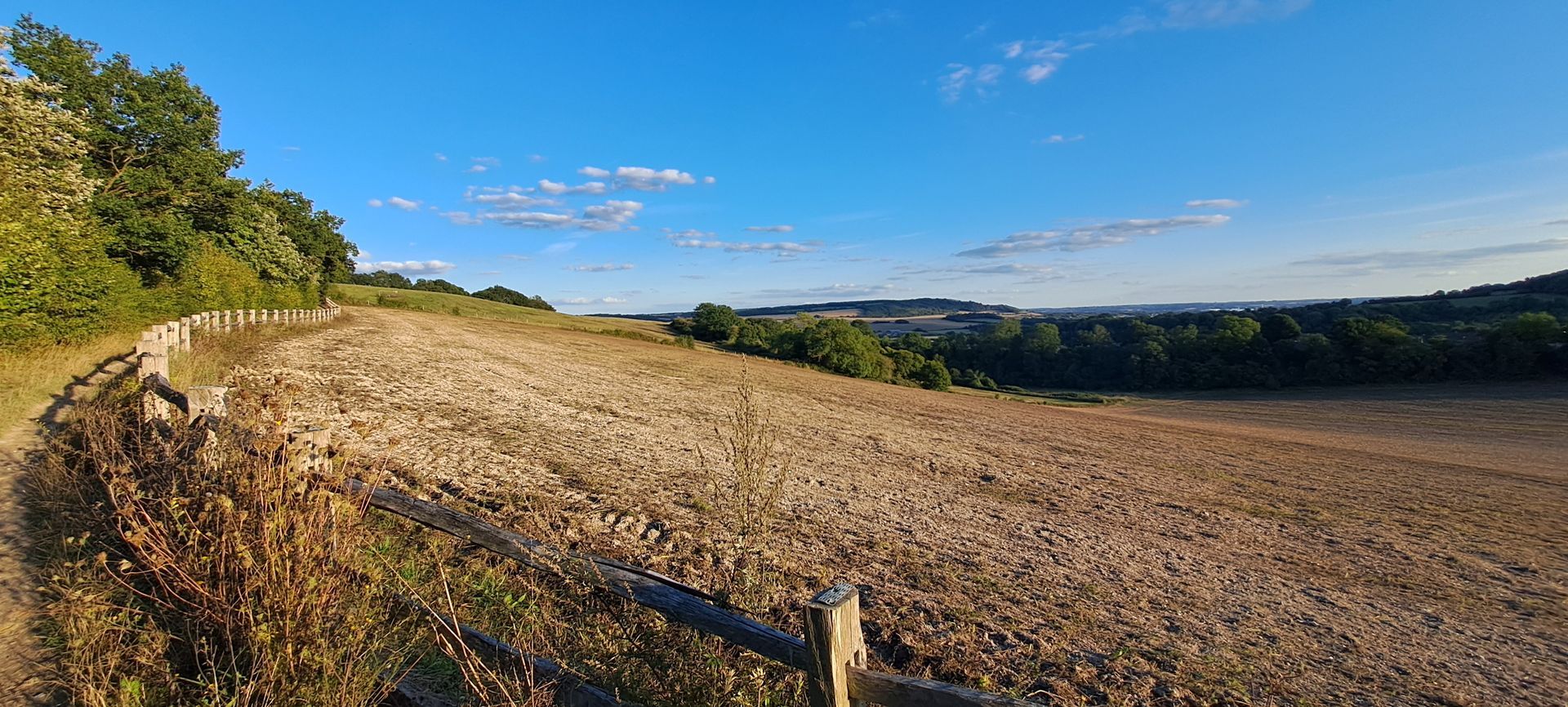
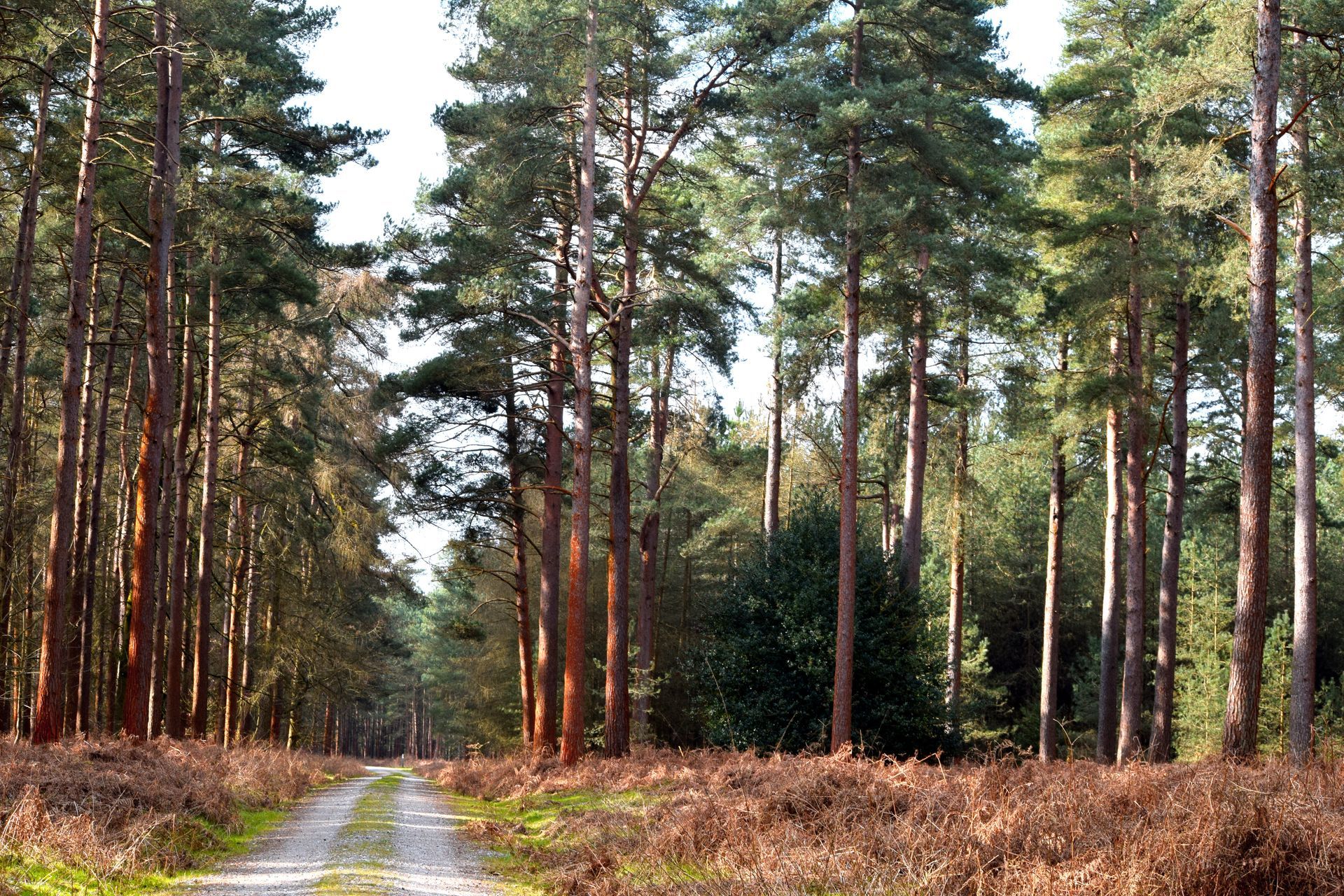
Image credit: Plant Life
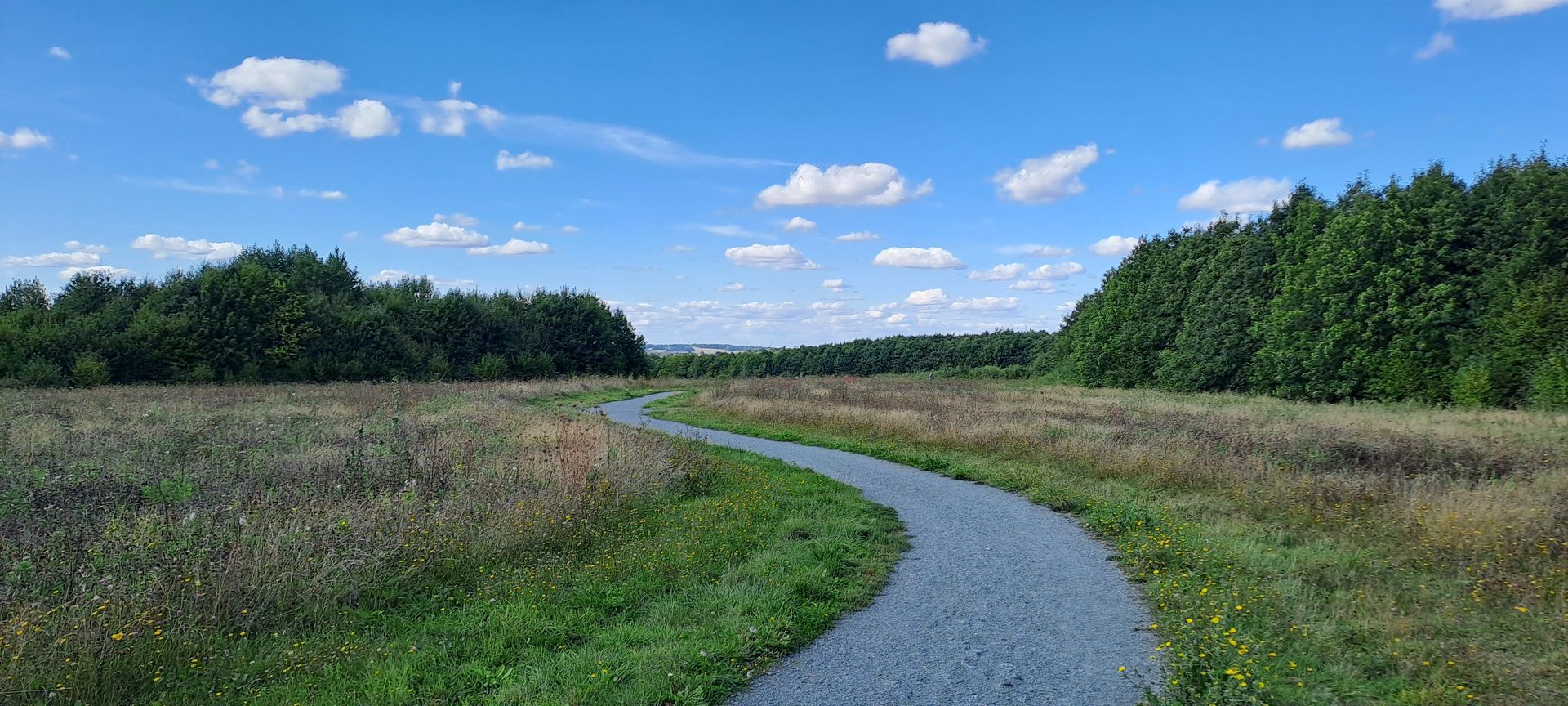
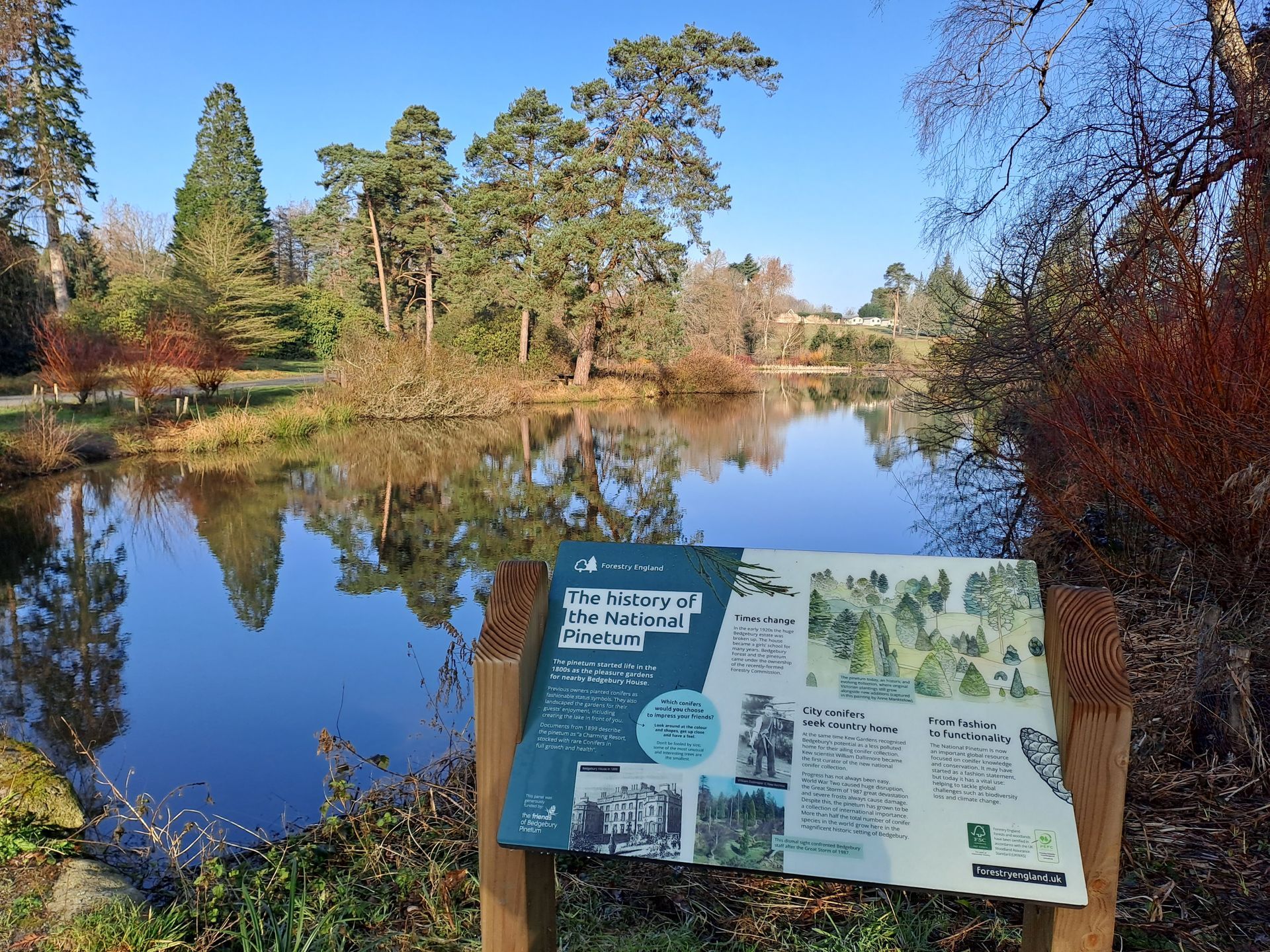
Image credit: Forestry England