


Great Crested Newt (GCN) Surveys

Great Crested Newt (GCN) Surveys

Great Crested Newt (GCN) Surveys
19 May 2026

Great Crested Newt Surveys and Mitigation


Great crested newt (GCN) surveys are a key requirement for many development and land management projects where suitable pond and terrestrial habitats may be present.


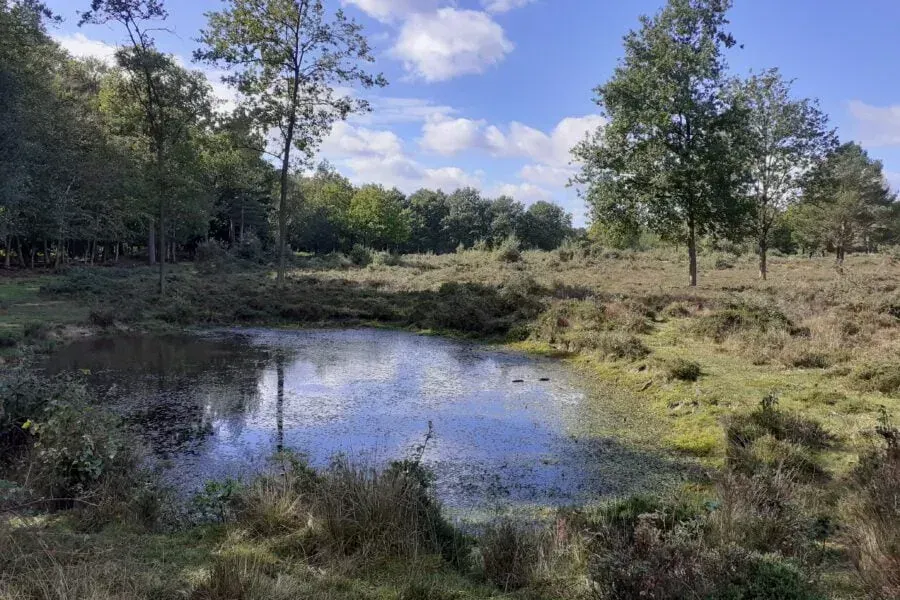
As temperatures rise and daylight lengthens, great crested newts begin to emerge from hibernation and return to breeding ponds, signalling the start of the survey season. As one of the UK’s most strictly protected species, it is an offence to kill, injure, capture or disturb great crested newts, or damage the habitats they depend on. This protection applies not only to breeding ponds, but also to surrounding terrestrial environments used throughout the year. Determining whether GCN are present on a site is therefore often an early and essential step in the planning process.


At TEP, we support clients through all stages of great crested newt surveys and mitigation, from initial ecological assessment and habitat suitability analysis through to survey design, mitigation planning, licensing, and long-term habitat creation.


Understanding Great Crested Newts


Great crested newts can live for up to 15 years and rely on a connected network of aquatic and terrestrial habitats. They breed in ponds during spring and early summer before moving into surrounding grassland, woodland edges and hedgerows for the remainder of the year. As a result, great crested newt surveys are undertaken at a landscape scale and are often supported by tools such as the Habitat Suitability Index (HSI), which assesses pond conditions and helps predict the likelihood of supporting a population.


Long-term population declines linked to habitat loss, fragmentation and land-use change have made the species a UK conservation priority. However, they remain widely distributed across suitable lowland landscapes, particularly in the north-west of England where habitat connectivity remains strong.


GCN Survey Methods


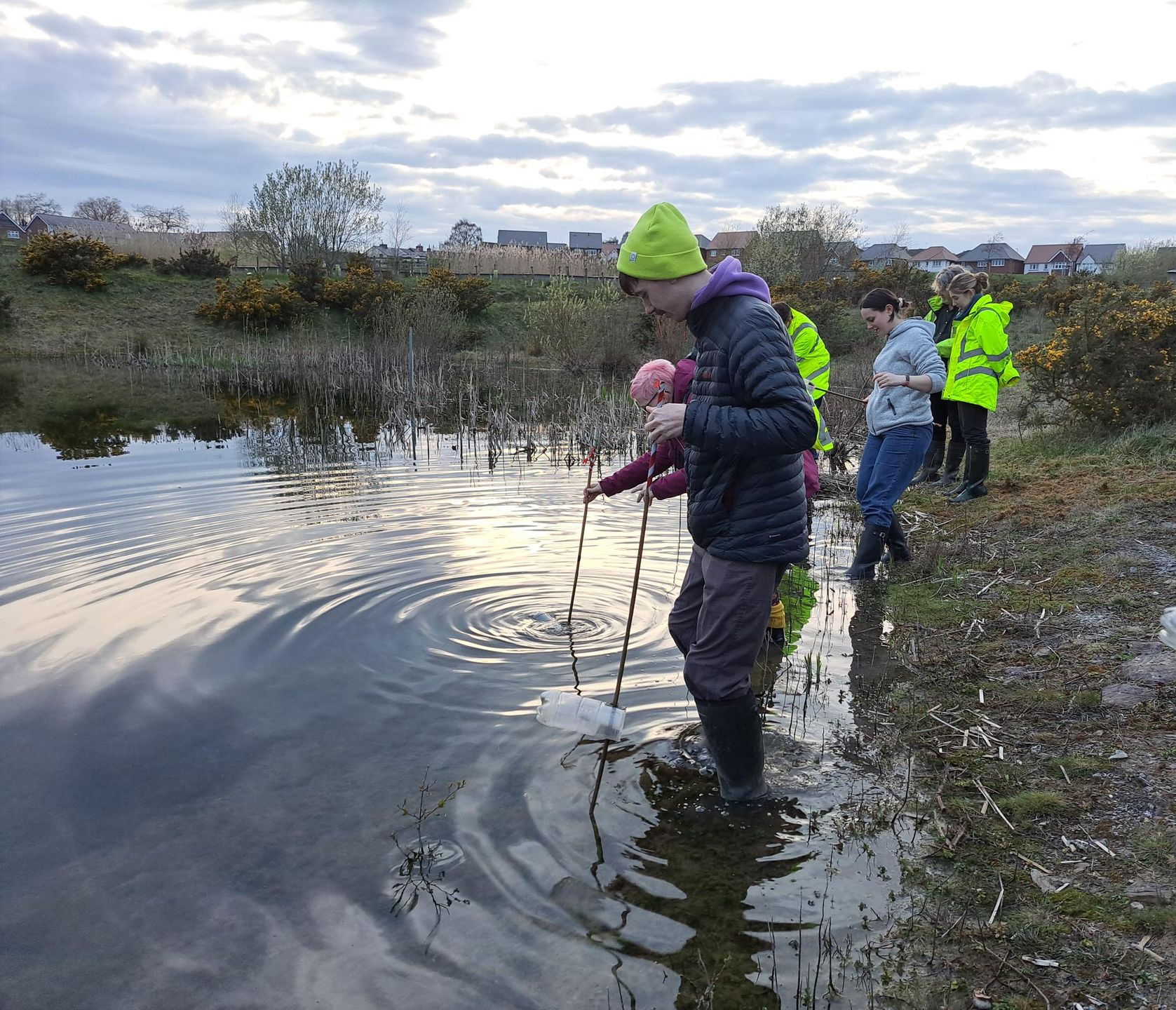
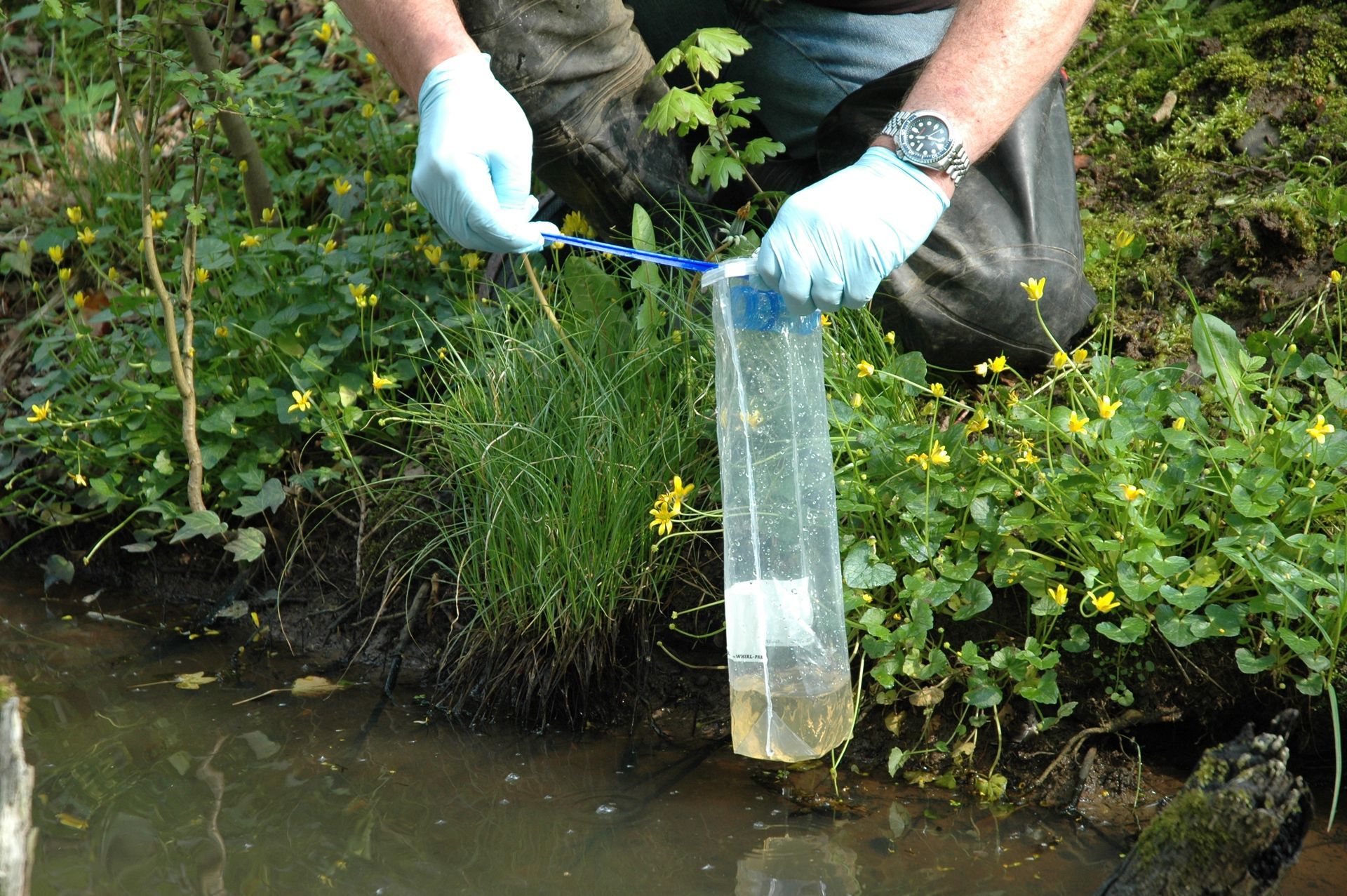
The main great crested newt survey season typically runs from mid-March to June, depending on weather conditions and site-specific constraints. Environmental DNA (eDNA) sampling is now the primary method used for determining presence or absence. This involves analysing water samples for traces of DNA, providing a highly effective and non-invasive survey technique.


Where presence is confirmed, additional survey methods may be required to estimate population size and inform appropriate mitigation design. These may include torch surveys, egg searching, netting and bottle trapping, allowing direct observation of adults, eggs and larvae. These methods require careful planning and appropriate licensing due to the protected status of the species.


Where required, further approaches such as terrestrial surveys or translocation may be undertaken where development interacts with known populations. All great crested newt survey work must be carried out by suitably licensed ecologists to ensure full legal compliance and species protection.


TEP’s Approach to GCN Surveys


At TEP, we provide a full range of great crested newt survey and mitigation services, supporting clients through ecological and planning requirements from early assessment to delivery. Work typically begins with preliminary ecological assessment and habitat suitability analysis to determine the likelihood of great crested newts being present on site. Where required, we undertake presence/absence surveys using eDNA sampling alongside standard field methods, selected according to site conditions and constraints.


Where populations are confirmed, or where impacts are likely, we design tailored great crested newt mitigation strategies. These may include new pond creation, enhancement of surrounding terrestrial habitat, and measures to improve connectivity across the wider landscape. We also support clients through the licensing process, including Natural England District Level Licensing (DLL) and traditional European Protected Species (EPS) mitigation licensing routes, helping ensure schemes are both compliant and deliverable.

Alongside mitigation and licensing, we support long-term habitat creation and monitoring schemes to ensure mitigation sites are not only compliant at delivery, but capable of supporting successful colonisation and sustainable populations over time.


In practice, early ecological input can make a significant difference to project outcomes. For schemes within areas supporting larger great crested newt populations, we often work closely with both local planning authority ecologists and Natural England to ensure mitigation proposals are robust, proportionate, and deliverable. This collaborative approach helps align ecological requirements with planning constraints and supports positive outcomes for both development and biodiversity.


Great crested newts are widely recognised as an indicator species for connected, healthy wetland and terrestrial ecosystems. Their presence reflects the relationship between aquatic breeding sites and surrounding terrestrial habitat, reinforcing the importance of landscape-scale assessment and mitigation.


Get in Touch


If you are planning a development, managing land, or need advice on great crested newts or other protected species, contact us today. Our Ecology team can support you through every stage of the process.


Find out more about our Ecology services and explore some of the projects our team has delivered across the UK.


22 April 2026
Delivering major infrastructure in sensitive environments requires a coordinated approach, bringing together a range of expertise to understand place, manage risk and support informed decision-making. Our work on the North Hykeham Relief Road (NHRR) in Lincolnshire is a strong example of this in practice, with teams from across TEP working together to support the delivery of this long-planned scheme. A long-planned piece of infrastructure The NHRR forms the final section of Lincoln’s ring road, a scheme that has been identified in Local Plans for around twenty years. As the project progressed, it required careful consideration of environmental constraints, historic assets and landscape character, alongside the practicalities of delivering a major new road. Working alongside Balfour Beatty and the wider project team, we provided a range of services spanning heritage and archaeology, planning, landscape, ecology and arboriculture. A coordinated programme of assessment and support underpinned the development of the scheme. Our Historic Environment team established the baseline through desk-based assessment, consultation and phased archaeological evaluation. This work identified areas of interest including sites of prehistoric activity, the important Roman road of Ermine Street, and a potential Roman villa complex, providing valuable insight into the long-term history of the site. These findings directly informed the design process, helping to shape the scheme in response to the site’s archaeological and historical context. The team also assessed potential impacts on sensitive heritage assets, including listed buildings and conservation areas, ensuring that the historic environment was fully considered as the project evolved.
21 April 2026
Bringing the world of books to life for blind or visually impaired children
14 April 2026
TEP is proud to be partnered with the award-winning initiative Time for Geograph y, whic h showcases the importance of geography and the diverse careers it can lead to. Time for Geography is a free, online education platform reaching schools and universities across the UK. Through a series of engaging video resources, it brings geography to life in the classroom, connecting academic learning with real-world challenges such as sustainability, climate change, urban planning and environmental management. Our contribution to the initiative forms part of the platform’s Careers Collection, where our team shares insight into the varied and rewarding pathways geography can open up. These resources are designed to help students understand how their studies translate into professional roles, offering a clearer view of the opportunities available within the environmental sector. We’re delighted that this collaboration has been recognised with a Highly Commended Geographical Association Publishers Award , which celebrates the careers-focused videos and resources developed to guide students towards further education and careers in our industry. With an audience of over 2.5 million this year, Time for Geography is a powerful example of how education and industry can come together to inspire future talent, showing how a subject studied in the classroom can lead to meaningful, real-world careers. For many of our colleagues at TEP, that journey began with a simple interest in geography at school. Today, that interest has grown into careers spanning ecology, arboriculture, heritage, planning, landscape design and environmental management. By sharing these experiences, we hope to encourage the next generation to see geography not only as a fascinating subject, but as a pathway into work that makes a tangible difference. We’re proud to support an initiative that is helping shape the future talent pipeline for our sector, and to inspire the environmental specialists of tomorrow. Learn more and watch our video: 
22 April 2026
Delivering major infrastructure in sensitive environments requires a coordinated approach, bringing together a range of expertise to understand place, manage risk and support informed decision-making. Our work on the North Hykeham Relief Road (NHRR) in Lincolnshire is a strong example of this in practice, with teams from across TEP working together to support the delivery of this long-planned scheme. A long-planned piece of infrastructure The NHRR forms the final section of Lincoln’s ring road, a scheme that has been identified in Local Plans for around twenty years. As the project progressed, it required careful consideration of environmental constraints, historic assets and landscape character, alongside the practicalities of delivering a major new road. Working alongside Balfour Beatty and the wider project team, we provided a range of services spanning heritage and archaeology, planning, landscape, ecology and arboriculture. A coordinated programme of assessment and support underpinned the development of the scheme. Our Historic Environment team established the baseline through desk-based assessment, consultation and phased archaeological evaluation. This work identified areas of interest including sites of prehistoric activity, the important Roman road of Ermine Street, and a potential Roman villa complex, providing valuable insight into the long-term history of the site. These findings directly informed the design process, helping to shape the scheme in response to the site’s archaeological and historical context. The team also assessed potential impacts on sensitive heritage assets, including listed buildings and conservation areas, ensuring that the historic environment was fully considered as the project evolved.
21 April 2026
Bringing the world of books to life for blind or visually impaired children
22 April 2026
Delivering major infrastructure in sensitive environments requires a coordinated approach, bringing together a range of expertise to understand place, manage risk and support informed decision-making. Our work on the North Hykeham Relief Road (NHRR) in Lincolnshire is a strong example of this in practice, with teams from across TEP working together to support the delivery of this long-planned scheme. A long-planned piece of infrastructure The NHRR forms the final section of Lincoln’s ring road, a scheme that has been identified in Local Plans for around twenty years. As the project progressed, it required careful consideration of environmental constraints, historic assets and landscape character, alongside the practicalities of delivering a major new road. Working alongside Balfour Beatty and the wider project team, we provided a range of services spanning heritage and archaeology, planning, landscape, ecology and arboriculture. A coordinated programme of assessment and support underpinned the development of the scheme. Our Historic Environment team established the baseline through desk-based assessment, consultation and phased archaeological evaluation. This work identified areas of interest including sites of prehistoric activity, the important Roman road of Ermine Street, and a potential Roman villa complex, providing valuable insight into the long-term history of the site. These findings directly informed the design process, helping to shape the scheme in response to the site’s archaeological and historical context. The team also assessed potential impacts on sensitive heritage assets, including listed buildings and conservation areas, ensuring that the historic environment was fully considered as the project evolved.
21 April 2026
Bringing the world of books to life for blind or visually impaired children
14 April 2026
TEP is proud to be partnered with the award-winning initiative Time for Geograph y, whic h showcases the importance of geography and the diverse careers it can lead to. Time for Geography is a free, online education platform reaching schools and universities across the UK. Through a series of engaging video resources, it brings geography to life in the classroom, connecting academic learning with real-world challenges such as sustainability, climate change, urban planning and environmental management. Our contribution to the initiative forms part of the platform’s Careers Collection, where our team shares insight into the varied and rewarding pathways geography can open up. These resources are designed to help students understand how their studies translate into professional roles, offering a clearer view of the opportunities available within the environmental sector. We’re delighted that this collaboration has been recognised with a Highly Commended Geographical Association Publishers Award , which celebrates the careers-focused videos and resources developed to guide students towards further education and careers in our industry. With an audience of over 2.5 million this year, Time for Geography is a powerful example of how education and industry can come together to inspire future talent, showing how a subject studied in the classroom can lead to meaningful, real-world careers. For many of our colleagues at TEP, that journey began with a simple interest in geography at school. Today, that interest has grown into careers spanning ecology, arboriculture, heritage, planning, landscape design and environmental management. By sharing these experiences, we hope to encourage the next generation to see geography not only as a fascinating subject, but as a pathway into work that makes a tangible difference. We’re proud to support an initiative that is helping shape the future talent pipeline for our sector, and to inspire the environmental specialists of tomorrow. Learn more and watch our video: