Environmental Storytelling Through Touch and Sound

Environmental Storytelling Through Touch and Sound

Environmental Storytelling Through Touch and Sound
21 April 2026

Bringing the world of books to life for blind or visually impaired children

Each year, TEP’s Environment Grant supports grassroots projects that raise awareness of environmental issues or contribute to the environmental profession. It provides funding for individuals, groups, charities and institutions working to make a positive impact through education, conservation or community engagement.


In 2025, two projects were awarded funding through the grant, one of which was Living Paintings, a national charity creating audio-tactile books for children who are blind or visually impaired.


At the heart of Living Paintings’ work is the belief that the visual world of books and learning should be accessible to every child. Through their audio-tactile library, they transform stories into multi-sensory experiences, combining raised tactile illustrations with detailed audio descriptions so that children can explore stories through touch and sound. These books are available free of charge through a postal lending library, reaching thousands of children across the UK, supporting both learning and inclusion in everyday reading.


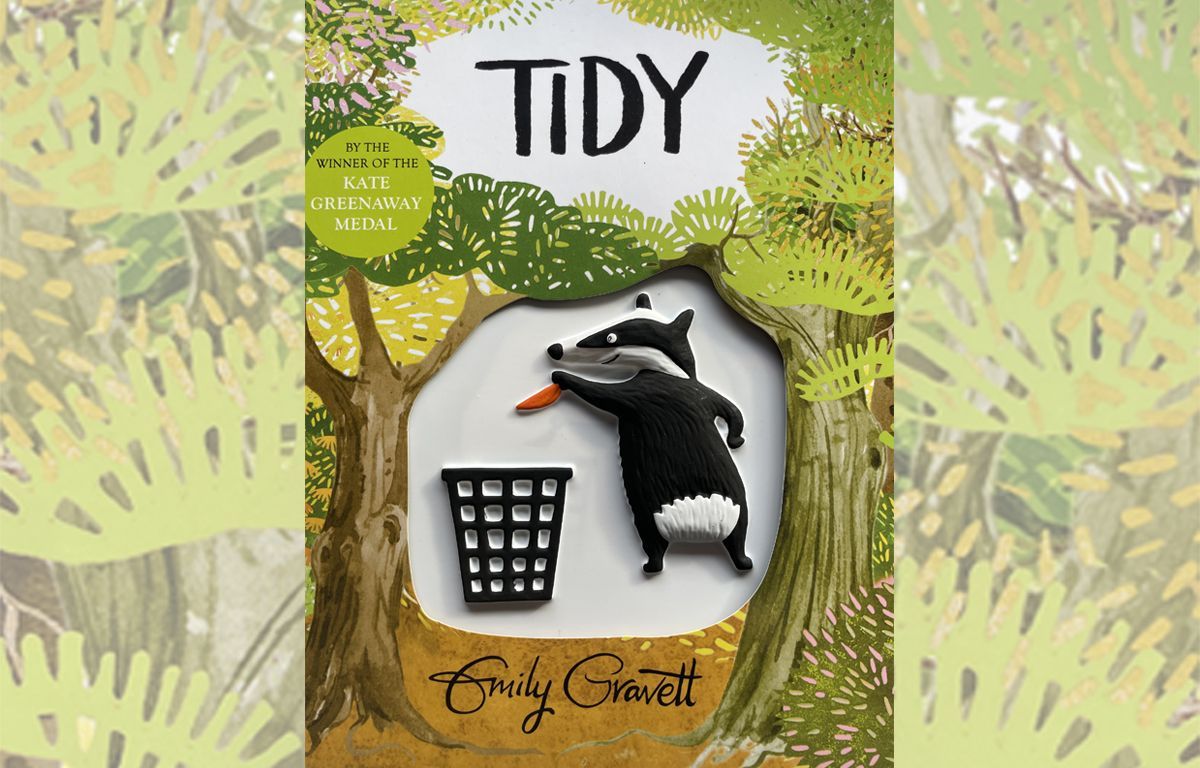
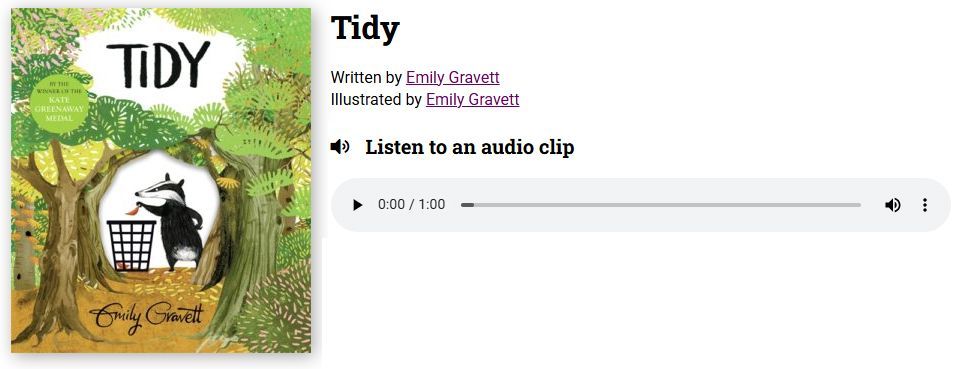
Living Paintings used TEP’s Environment Grant to adapt Tidy by Emily Gravett, a story that explores environmental responsibility with humour and subtlety, and links closely to curriculum themes around habitats and environmental change.

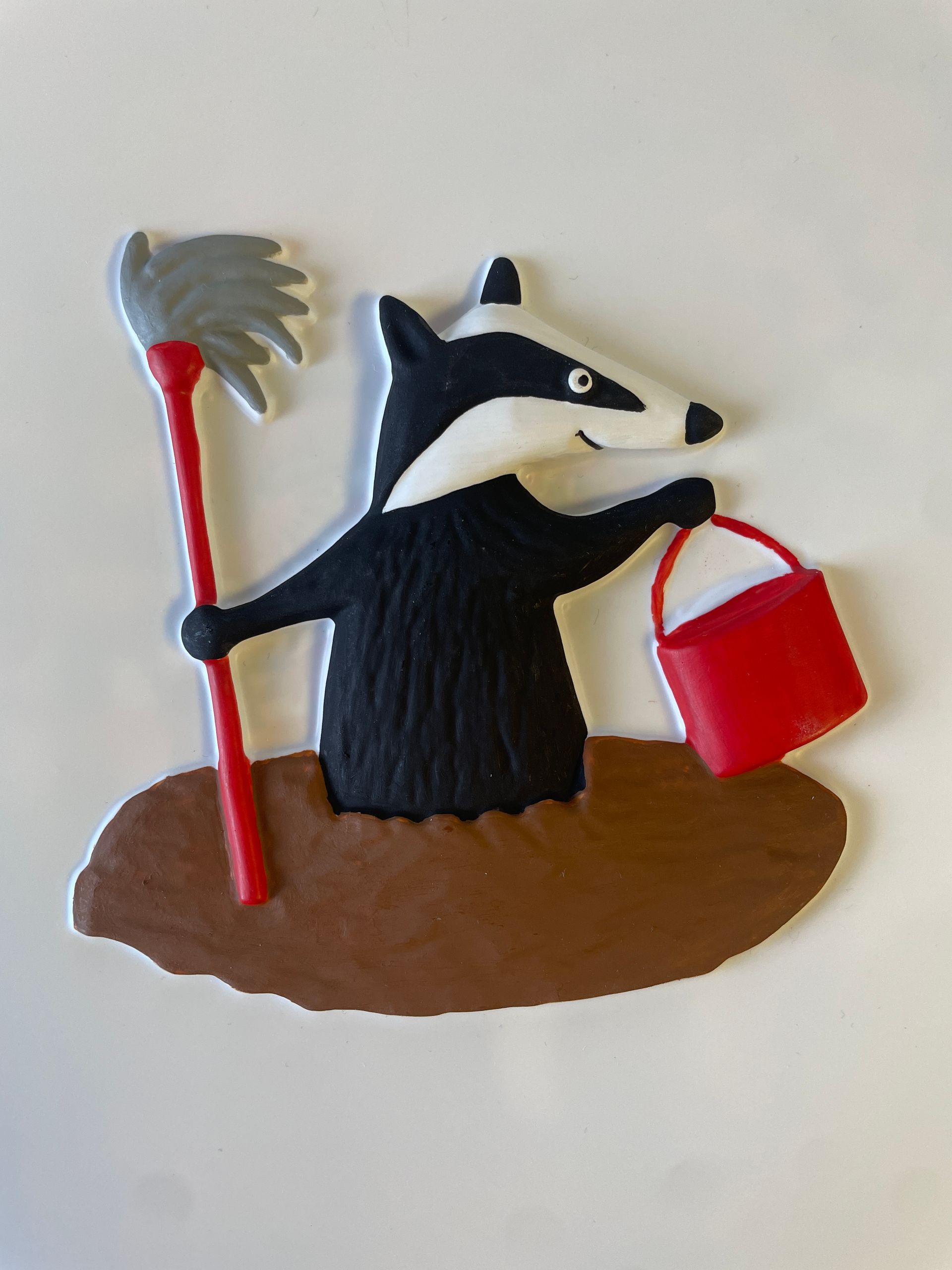
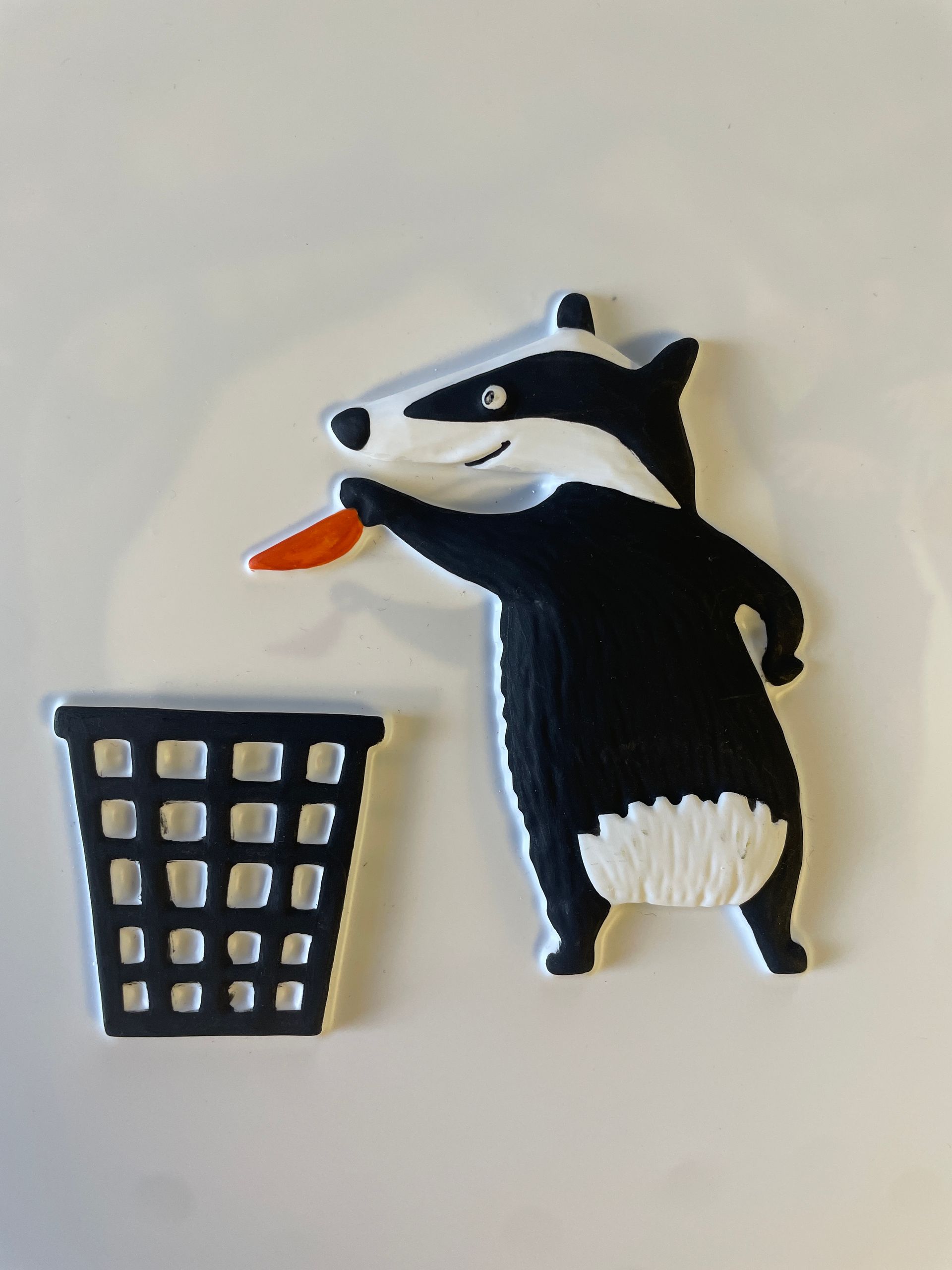
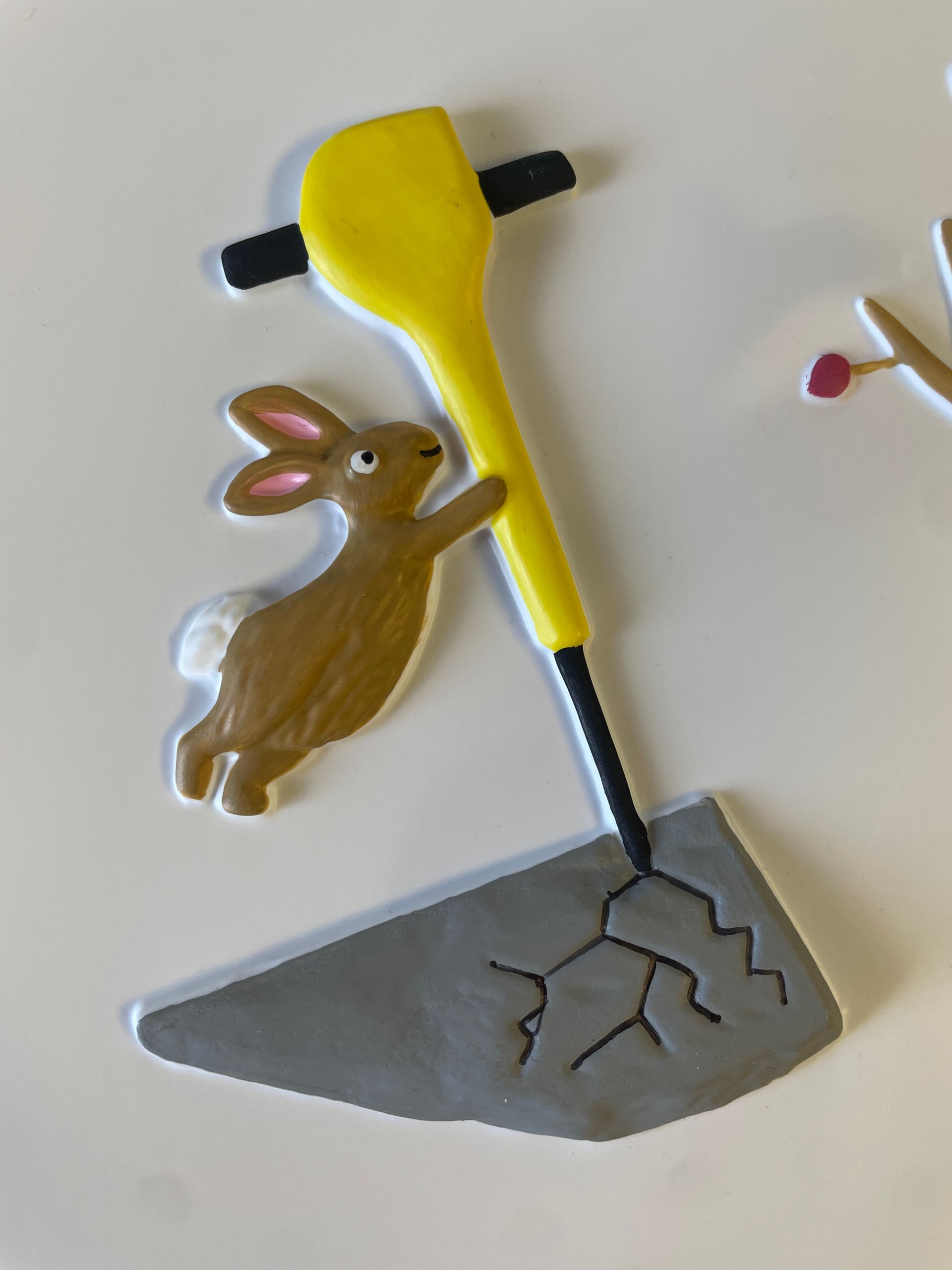
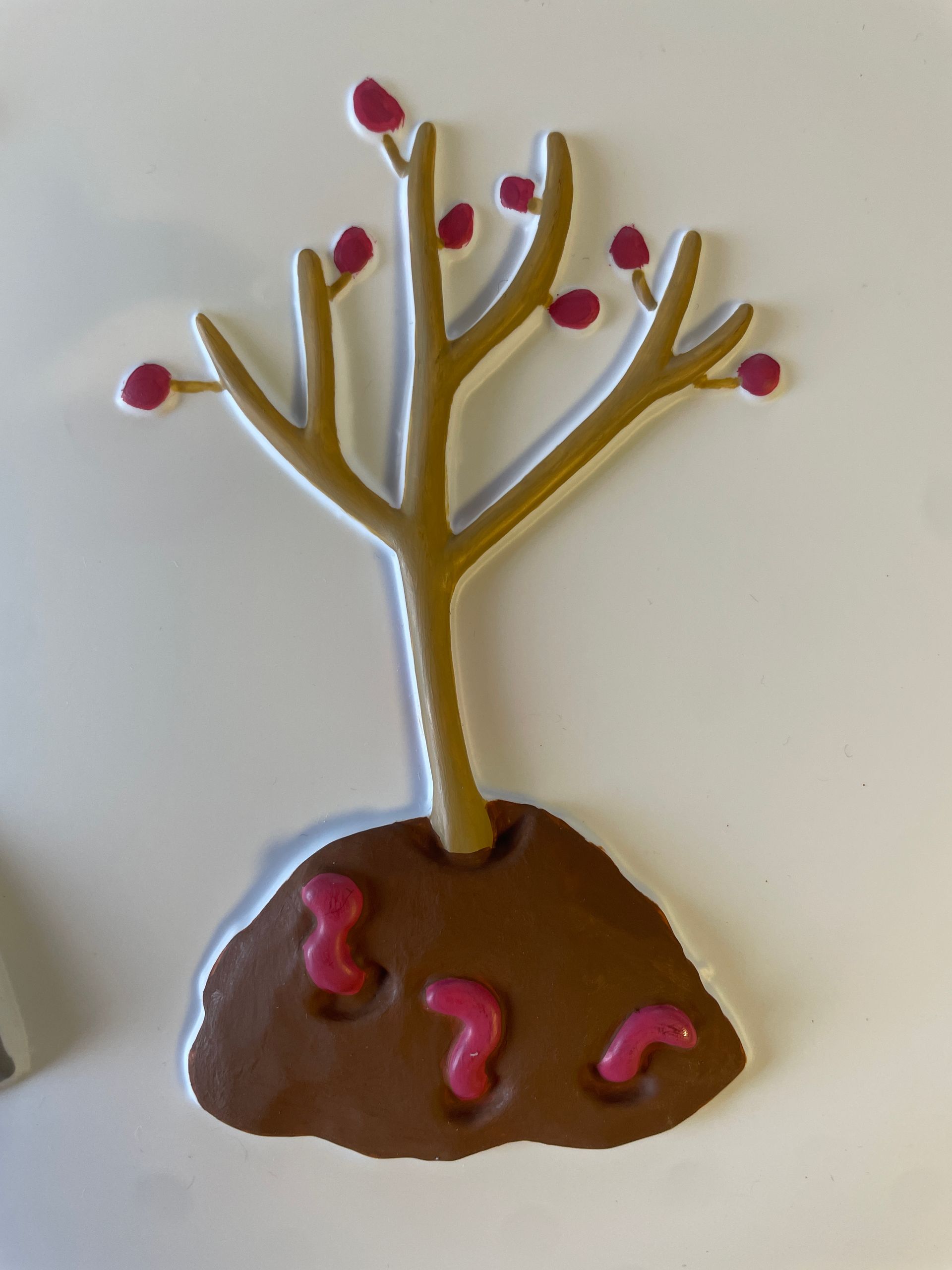
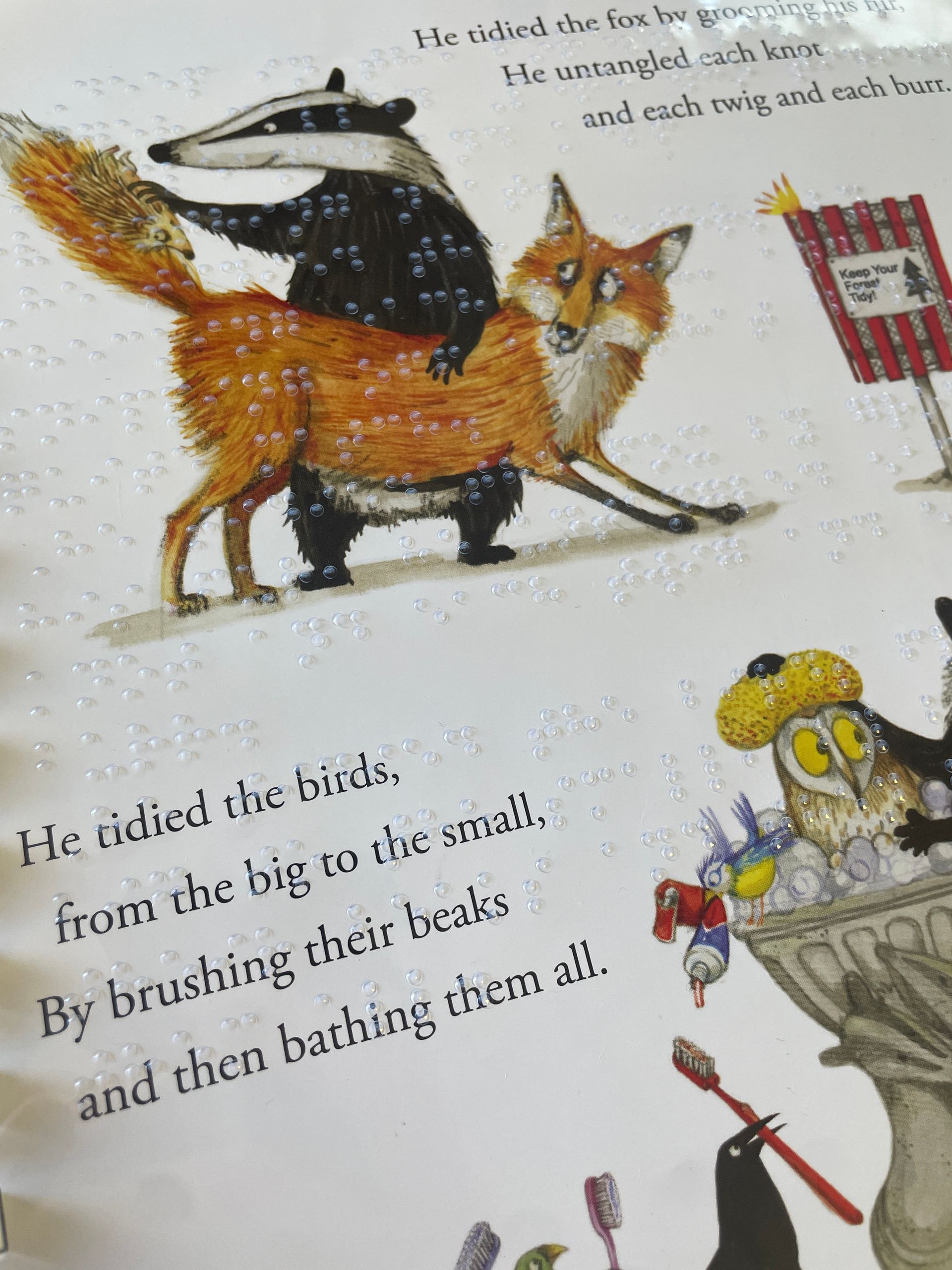
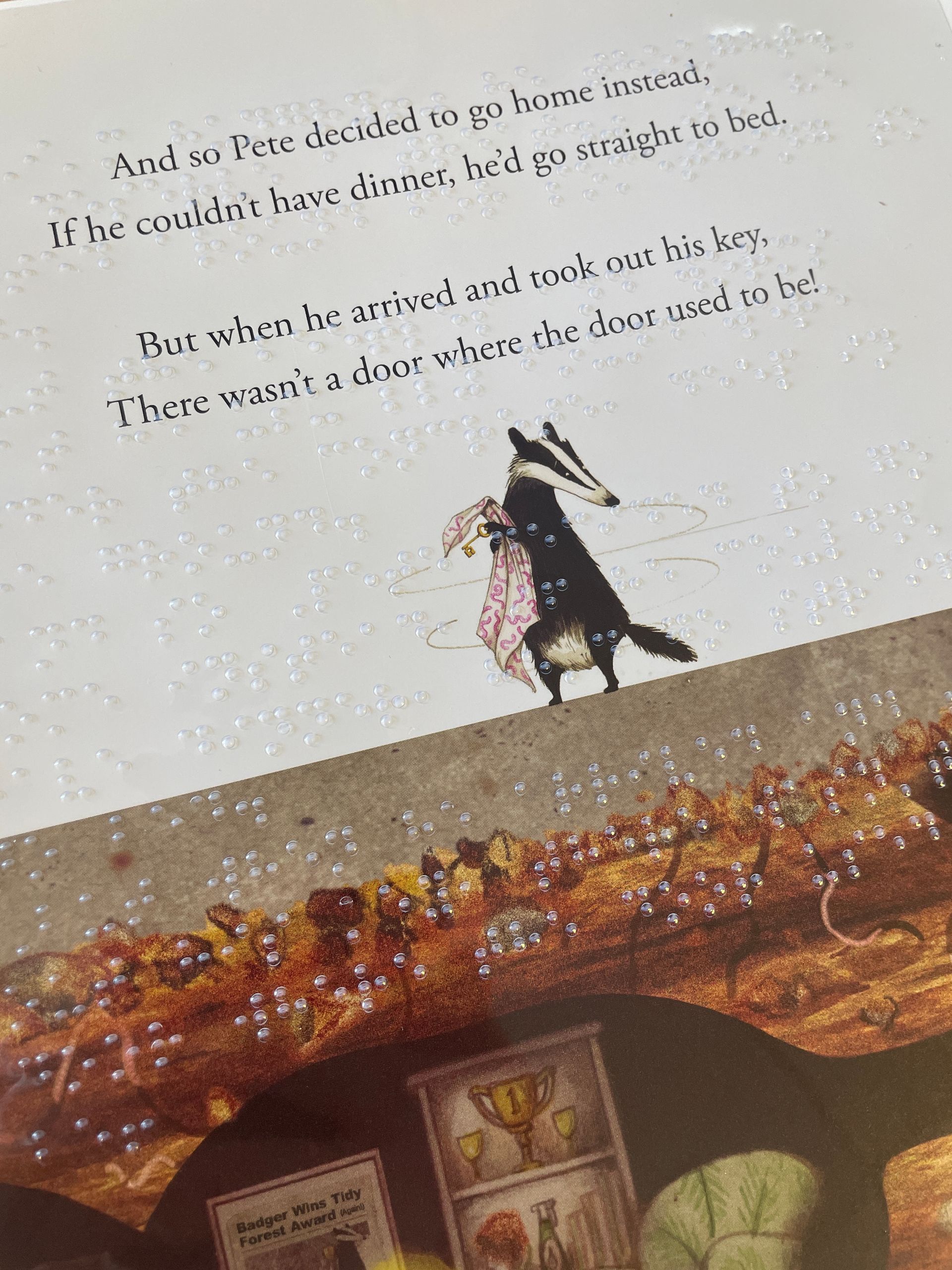
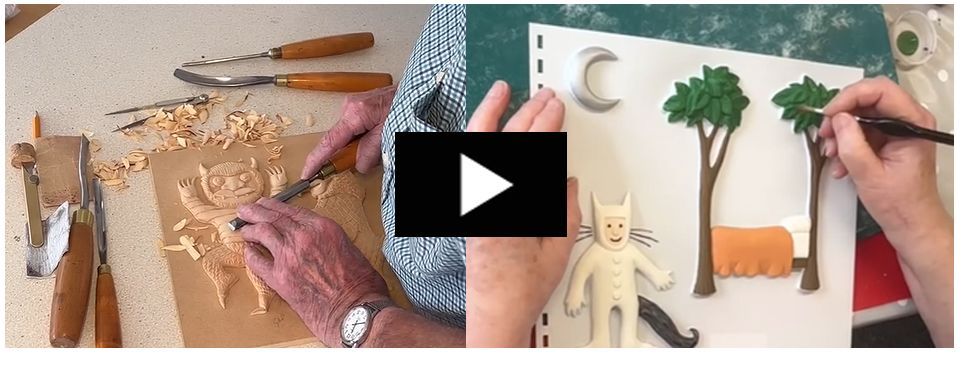
The adaptation process brings the story into a new format. Key illustrations were recreated as raised tactile images, formed from hand-carved masters and carefully hand-painted by volunteers. These sit alongside transparent braille overlays, allowing children to read independently while building confidence in braille literacy. An accompanying audio guide, voiced by Sean Bean, adds description and context, guiding children through each page and bringing the illustrations to life through touch and sound.


Together, these elements turn Tidy into something that is not simply read, but explored.

Following testing with a volunteer beneficiary group, 35 copies were produced and added to the national lending library. They are now available to more than 5,000 children across the UK who are blind or visually impaired. This means the themes within Tidy, from habitats and ecosystems to environmental change, are now accessible to children who might otherwise be excluded from these conversations in mainstream learning materials. It allows them to engage with the same stories as their peers, not separately, but as part of the same shared experience.

TEP’s Environment Grant supported the adaptation of Tidy, but the impact of the work extends far beyond the initial funding. The book now forms part of a wider national library resource that continues to be used, shared, and requested by families and schools across the UK.


We are proud to have supported this project, and the care behind its development is clear in every detail. Living Paintings continue to receive regular requests for new books, highlighting the growing need for accessible storytelling and the importance of making environmental education available in different ways.

Projects like this show how environmental storytelling can be made more inclusive, not by simplifying ideas, but by presenting them in ways that more people can engage with. This is exactly what the Environment Grant is designed to support. 


How to apply


TEP’s Environment Grant provides funding for projects and initiatives that raise awareness of important environmental issues and support the development of the environmental profession. Grants range from £250 to £1,000 and are open to individuals, groups, professionals, students, institutions, and charities across the UK.


Click here to read more, including the full guidelines and details on how to apply.


25 June 2026
Well known Invasive-Non-Native Species (INNS) are widely understood, however the threat of new and emerging INNS across the UK is real.
25 June 2026
INNS compliance should be integrated into project planning at the earliest stage, as well as site management, and delivery. We discuss key measures for the management of floral INNS.
12 June 2026
On behalf of Cheshire East Council, TEP has secured consent for the expansion of the Environmental Services Hub site. The expansion will facilitate a weekly food waste collection service for every property in the borough, helping Cheshire East Council prepare for a new statutory requirement from central government due to come into force from 2026-2027. To achieve this, we prepared and managed three planning applications: A full application for 84 new employee parking spaces, a bin storage area and a security lodge; A non-material amendment application for the reconfiguration of the existing site layout; and A variation of condition application to increase the limit on vehicle movements. The project began with a pre-application advice request, followed by discussions with the local planning authority to confirm the applications and supporting information required for submission. A key element of the project was the preparation of a planning needs case. This justified the development remaining at the Environmental Services Hub site, rather than a 'preferred site' identified within the council's Waste Plan. The case also identified the benefits of increasing recycling rates and supporting sustainable waste management across the borough. To support the applications, traffic surveys were commissioned and a Transport Statement was prepared, demonstrating that the proposals would have no negative impact on the local highway network. A Transport Note was also produced to establish the number of vehicle movements that should be permitted through the variation of condition application. Air quality and noise assessments were also undertaken to demonstrate that impacts would be limited and acceptable. 
25 June 2026
Well known Invasive-Non-Native Species (INNS) are widely understood, however the threat of new and emerging INNS across the UK is real.
25 June 2026
INNS compliance should be integrated into project planning at the earliest stage, as well as site management, and delivery. We discuss key measures for the management of floral INNS.
25 June 2026
Well known Invasive-Non-Native Species (INNS) are widely understood, however the threat of new and emerging INNS across the UK is real.
25 June 2026
INNS compliance should be integrated into project planning at the earliest stage, as well as site management, and delivery. We discuss key measures for the management of floral INNS.
12 June 2026
On behalf of Cheshire East Council, TEP has secured consent for the expansion of the Environmental Services Hub site. The expansion will facilitate a weekly food waste collection service for every property in the borough, helping Cheshire East Council prepare for a new statutory requirement from central government due to come into force from 2026-2027. To achieve this, we prepared and managed three planning applications: A full application for 84 new employee parking spaces, a bin storage area and a security lodge; A non-material amendment application for the reconfiguration of the existing site layout; and A variation of condition application to increase the limit on vehicle movements. The project began with a pre-application advice request, followed by discussions with the local planning authority to confirm the applications and supporting information required for submission. A key element of the project was the preparation of a planning needs case. This justified the development remaining at the Environmental Services Hub site, rather than a 'preferred site' identified within the council's Waste Plan. The case also identified the benefits of increasing recycling rates and supporting sustainable waste management across the borough. To support the applications, traffic surveys were commissioned and a Transport Statement was prepared, demonstrating that the proposals would have no negative impact on the local highway network. A Transport Note was also produced to establish the number of vehicle movements that should be permitted through the variation of condition application. Air quality and noise assessments were also undertaken to demonstrate that impacts would be limited and acceptable.