Happy 21st Birthday to BNG!

Happy 21st Birthday to BNG!

Happy 21st Birthday to BNG!
12 February 2025

February 2025 marks the 1st birthday for legally binding BNG in England. As we celebrate this landmark date, we look back at a development that celebrates its 21st birthday in 2025, to consider how the new BNG legislation might shape our neighbourhoods in the coming decades.

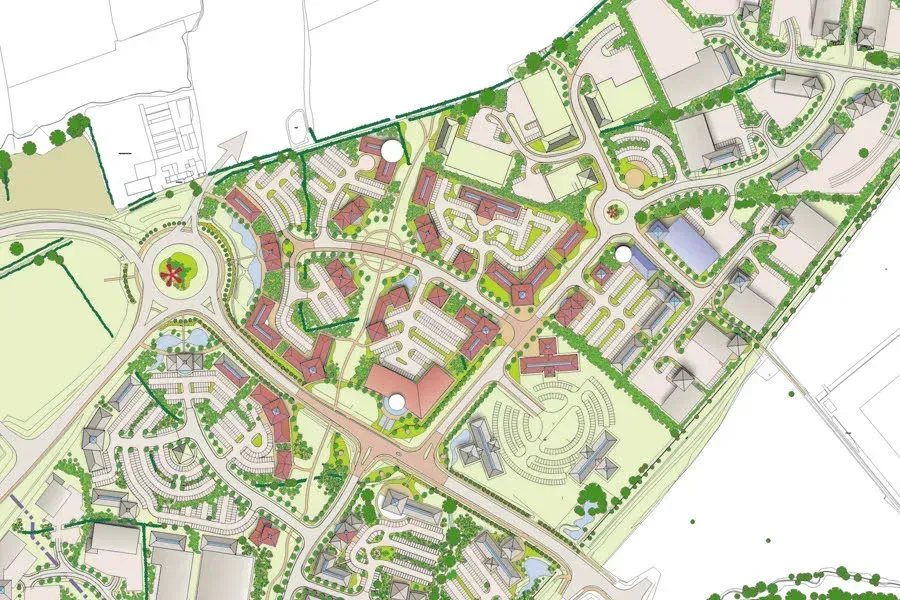
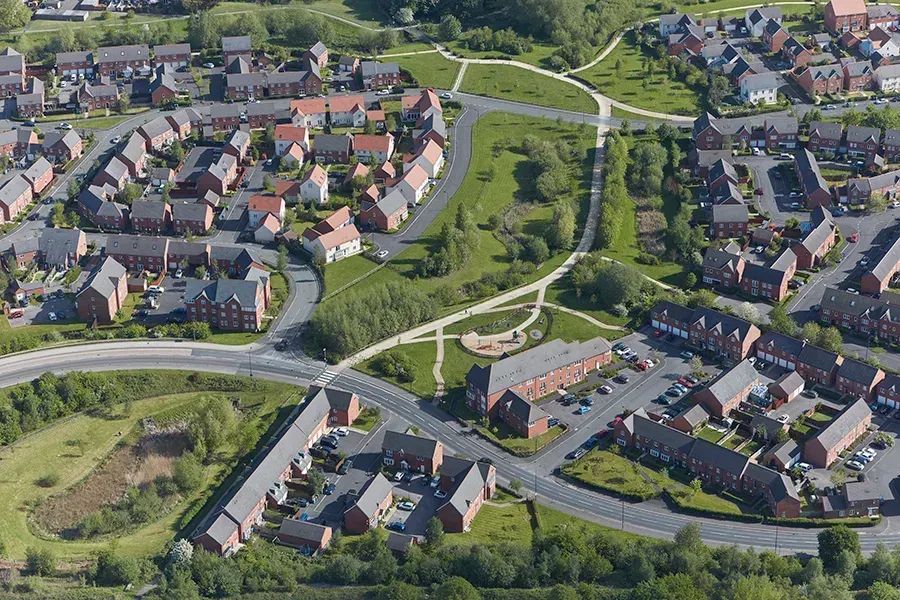
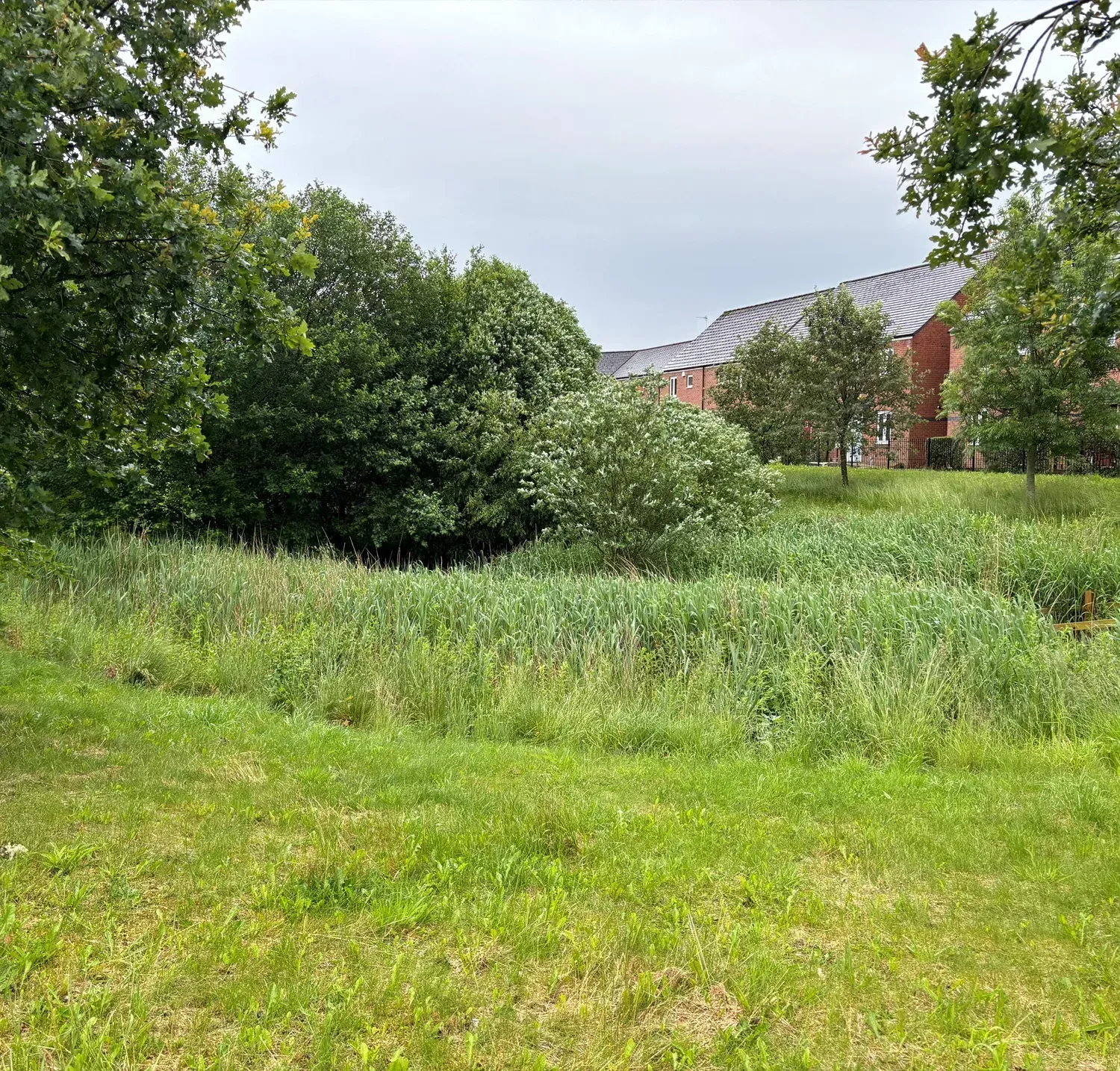
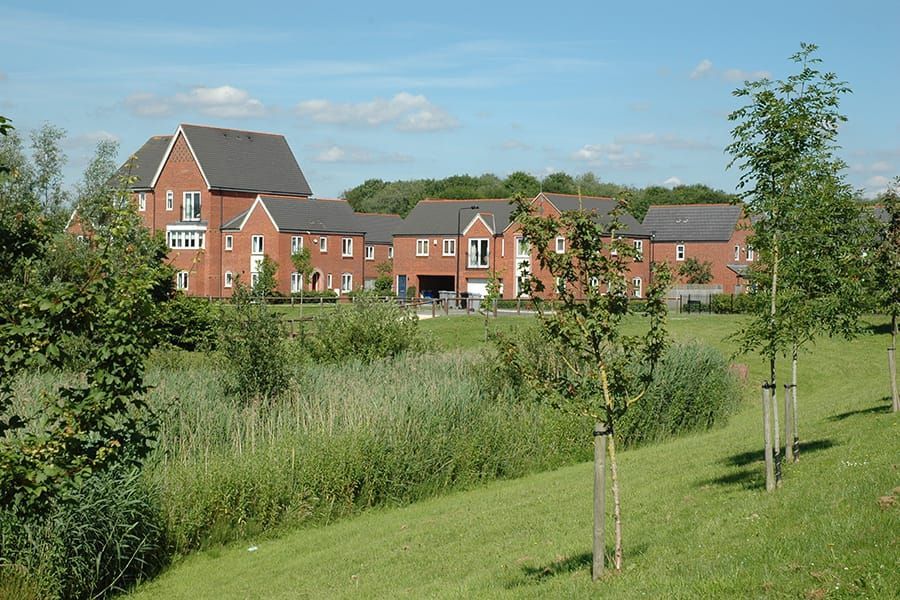
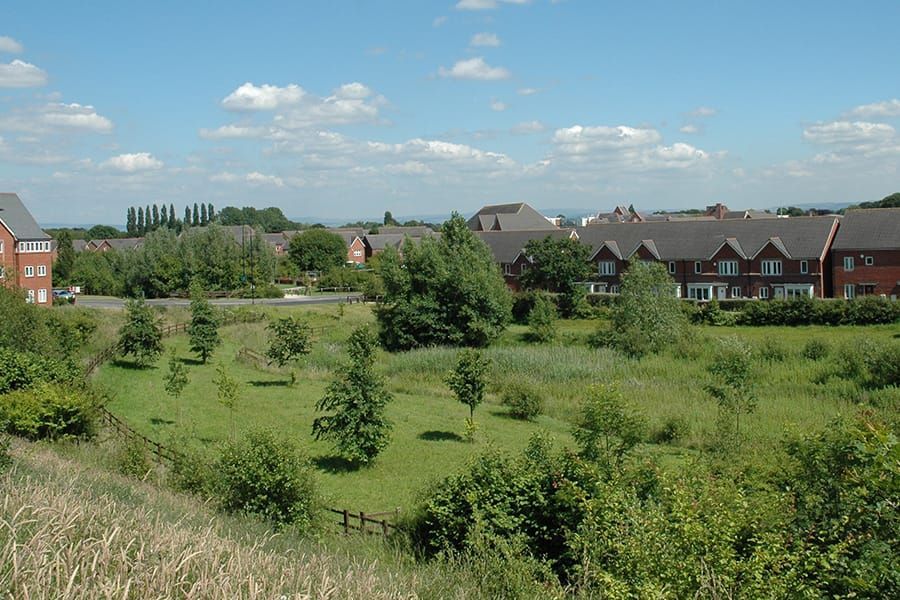
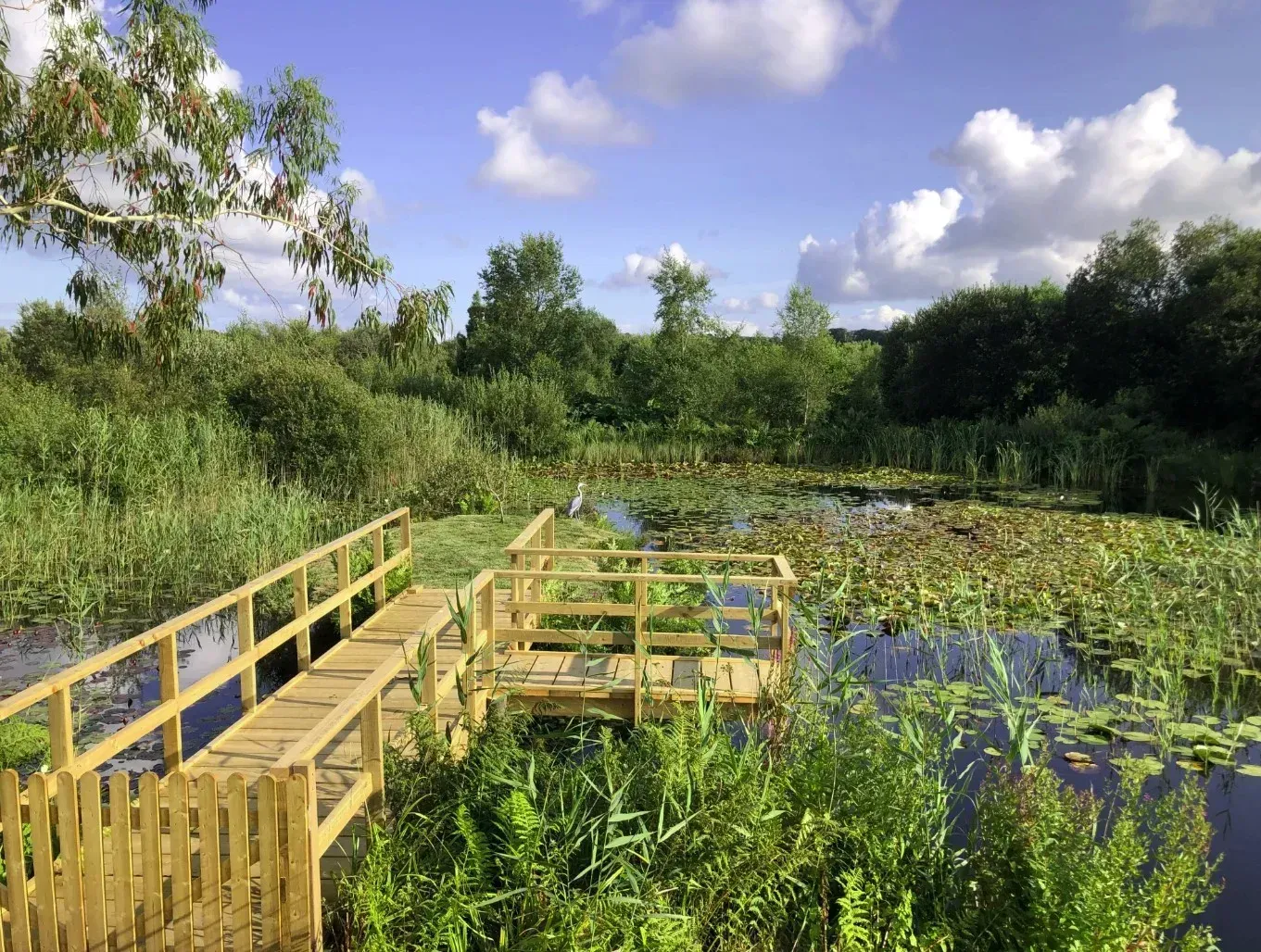
Stamford Brook in Greater Manchester is a 700 house scheme with a local centre, built on former arable land, owned by the National Trust in partnership with developers Redrow Homes and Bryant Homes. Built before statutory BNG legislation, it had extensive and diverse landscaping at the core of its design, driven by the values of the National Trust and Redrow Homes’ desire to create a sustainable development at a commercial scale.

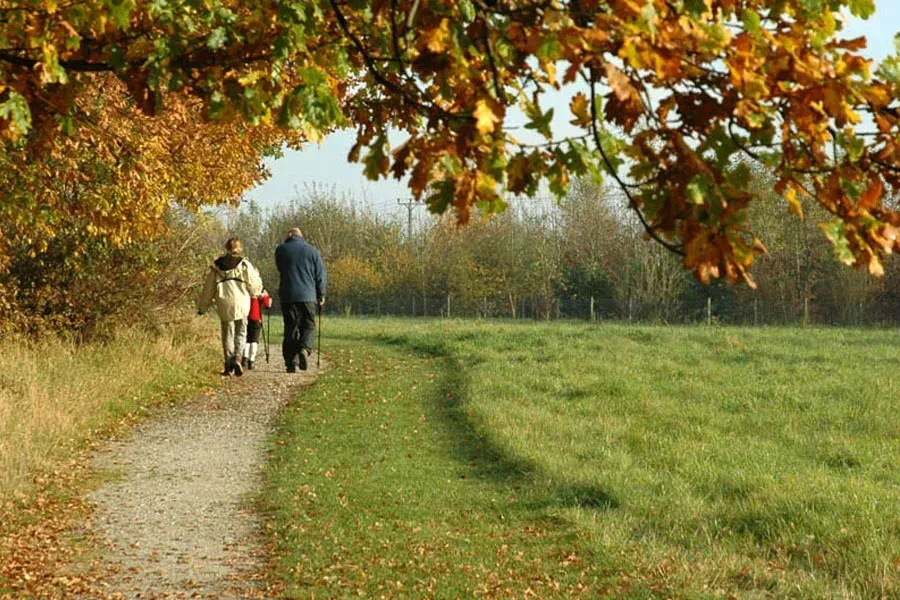
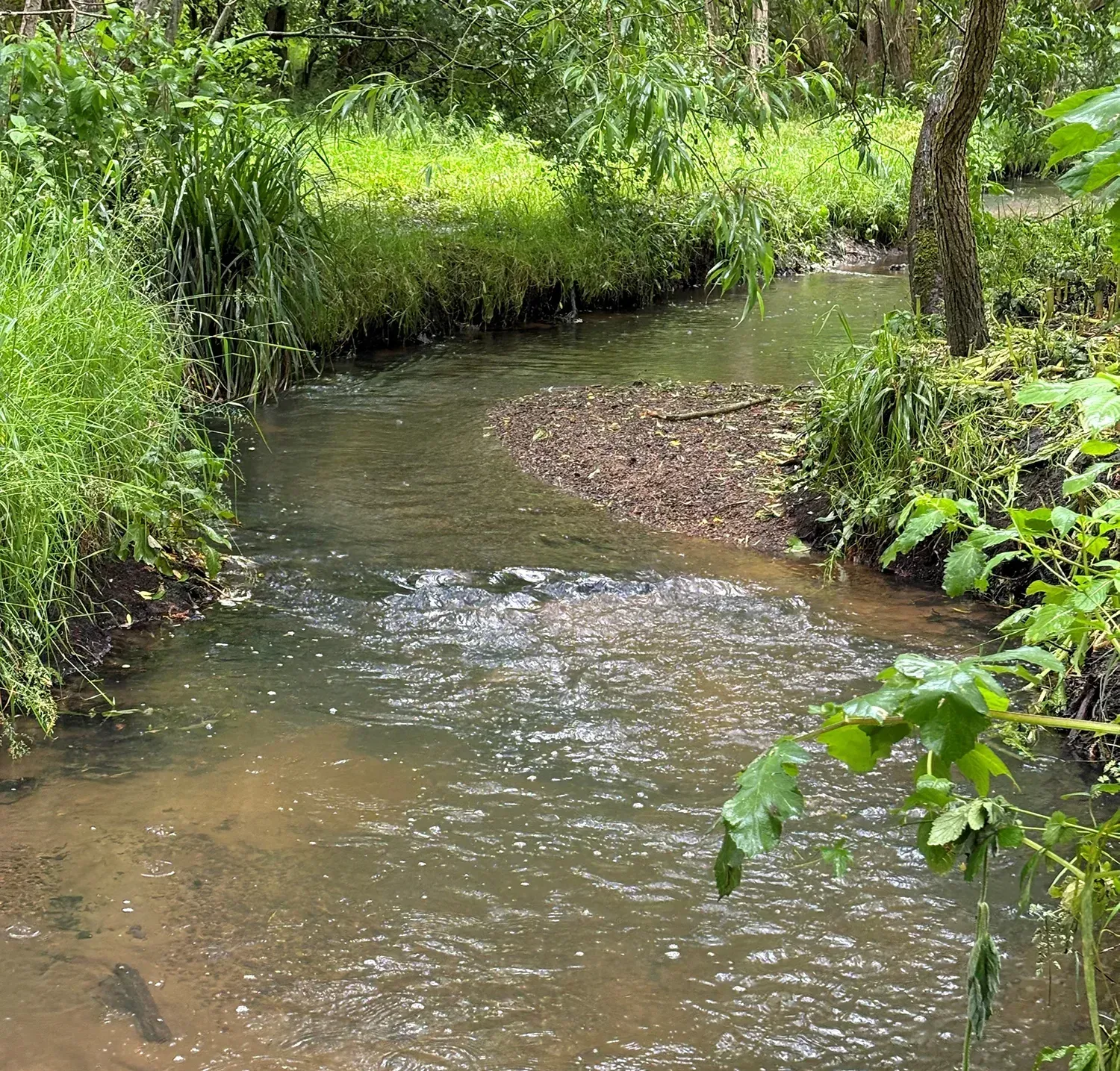
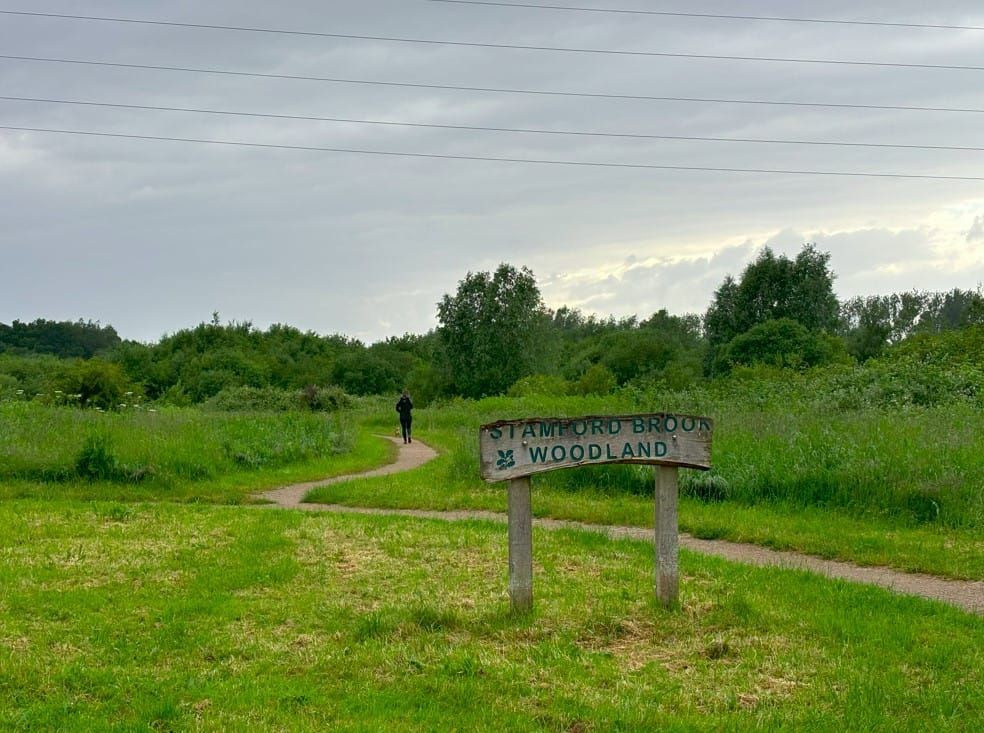
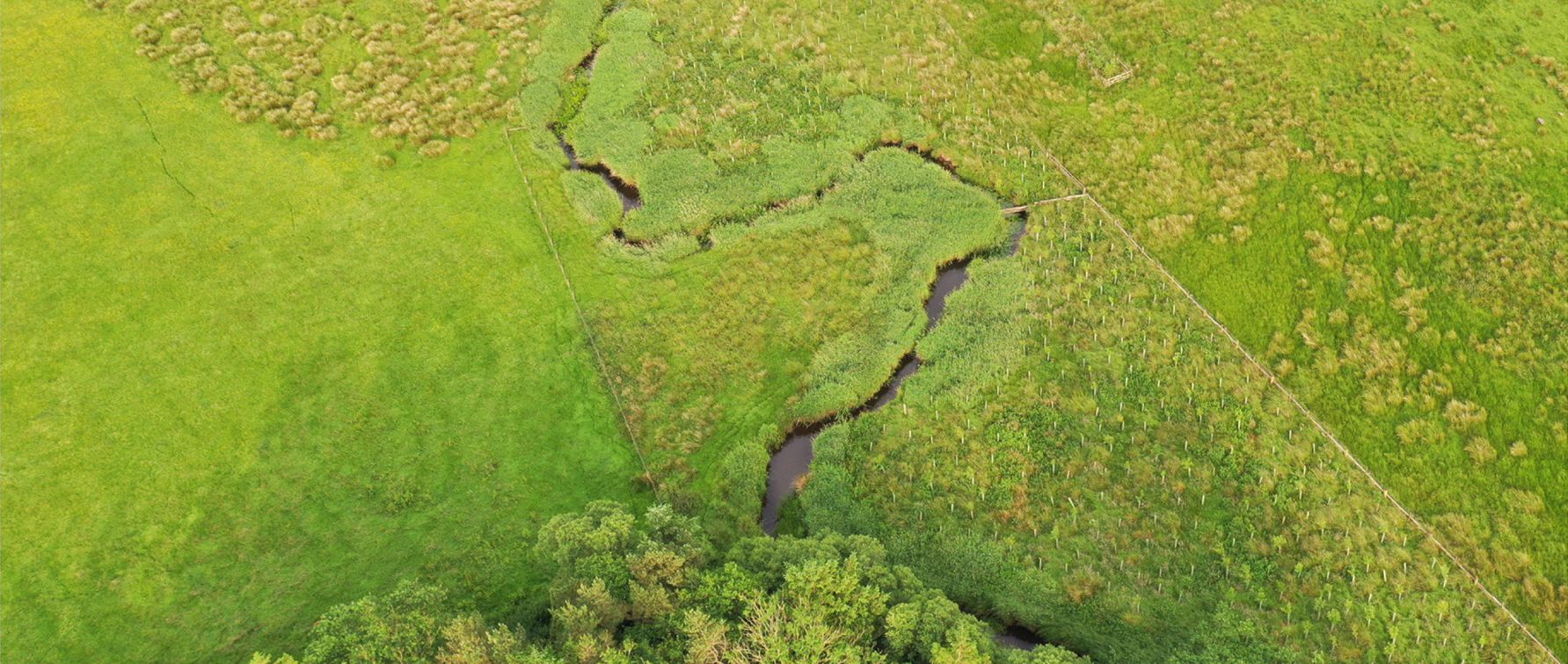
Key features of the development included energy efficient homes, doorstep green spaces and play areas, swales, sustainable drainage systems, a re-meandered brook and a restored floodplain to improve flood risk, and a community woodland with extensive circular paths.

Earthworks started in 2004 with remodelling of the Sinderland Brook and its floodplain. The 700 homes and associated landscapes were built in several phases between 2005 and 2012.

A retro BNG assessment reveals that Stamford Brook, across 36 hectares, delivers 12% BNG in respect of habitats and a whopping 200% for watercourse BNG! Using industry-standard valuations of £30 to £40,000 per habitat unit and £50 to £60,000 per watercourse unit, the net gains would be worth around £1.3m.

But money is only a shallow and partial way of reflecting the real value of the new habitats to the area.

Biodiversity enhancement was just one of the key pillars of Stamford Brook’s design philosophy. The landscape masterplan also created great access to nature for incoming residents and existing communities. High-quality landscape management was embedded with a management company that takes landscape very seriously with prompt attention to repairs and communicating well with residents. The landscape uses ‘nature-based solutions’ in the form of reedbeds and swales that filter surface water and reduce flood risk.

When creating habitats at scale, species will benefit – the brook corridor and community woodland were strongholds for singing willow warblers in 2024, a species that is being pushed northwards in England by climate change.

The success of the scheme is not just measured by BNG units. Creating a desirable place to live facilitates the growth of local communities, with local spending from new residents supporting services and amenities.

Liz Seal, TEP’s ecology director and a local resident says, “ Stamford Brook shows that BNG adds value to development when it is ‘baked into’ the placemaking and neighbourhood quality aspects of design. Of course, not every development can achieve so much BNG on site but the key thing everywhere is to ensure that biodiversity is part of a multi functional design approach to open spaces and that new habitats should be well managed and supply good access to nature, improved water management and provide a good setting for the development.

“Stamford Brook also benefits from the far-sighted approach by the landowner and developer. Delivering deep environmental improvements meant a realistic approach to land values had to be adopted but the long term gain for the neighbourhood has been worth it.”

In summary, our 21 year old BNG housing scheme, shows that integrating diverse landscaping into development schemes with appropriate long-term management can have a positive impact for wildlife and the community.  Therefore, legally-binding BNG which ought to make the delivery of similar schemes the norm, should celebrate its first birthday in style!

Liz Seal again, “ TEP’s integrated team of ecologists and landscape designers can help to maximise on-site BNG in a pragmatic and people friendly way. The challenge for BNG as it matures in England is to streamline the process for smaller sites and SME developers so that the costs of planning for BNG are reduced. 10% BNG is often not possible on smaller sites. As ecologists we understand the importance of housing growth so at TEP we’re looking at ways to streamline BNG advice for small sites to reduce the costs associated with their planning applications.”

Note: TEP acted as ecologist, landscape designer and landscape manager to support the masterplanning, implementation and handover of the river restoration, habitat creation and public open spaces at Stamford Brook. The scheme is in Trafford Borough.

22 April 2026
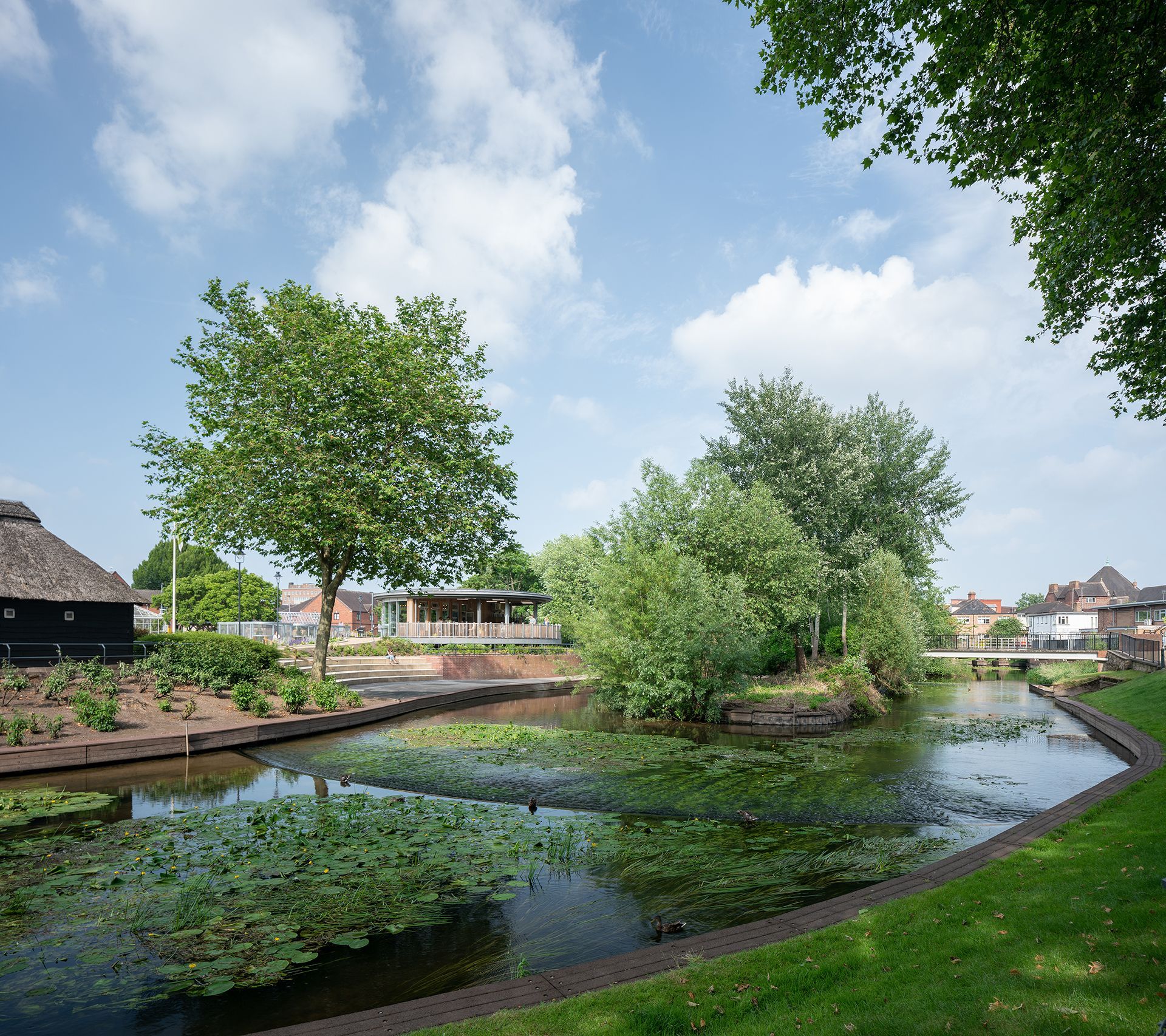
Delivering major infrastructure in sensitive environments requires a coordinated approach, bringing together a range of expertise to understand place, manage risk and support informed decision-making. Our work on the North Hykeham Relief Road (NHRR) in Lincolnshire is a strong example of this in practice, with teams from across TEP working together to support the delivery of this long-planned scheme. A long-planned piece of infrastructure The NHRR forms the final section of Lincoln’s ring road, a scheme that has been identified in Local Plans for around twenty years. As the project progressed, it required careful consideration of environmental constraints, historic assets and landscape character, alongside the practicalities of delivering a major new road. Working alongside Balfour Beatty and the wider project team, we provided a range of services spanning heritage and archaeology, planning, landscape, ecology and arboriculture. A coordinated programme of assessment and support underpinned the development of the scheme. Our Historic Environment team established the baseline through desk-based assessment, consultation and phased archaeological evaluation. This work identified areas of interest including sites of prehistoric activity, the important Roman road of Ermine Street, and a potential Roman villa complex, providing valuable insight into the long-term history of the site. These findings directly informed the design process, helping to shape the scheme in response to the site’s archaeological and historical context. The team also assessed potential impacts on sensitive heritage assets, including listed buildings and conservation areas, ensuring that the historic environment was fully considered as the project evolved.
21 April 2026
Bringing the world of books to life for blind or visually impaired children
14 April 2026
TEP is proud to be partnered with the award-winning initiative Time for Geograph y, whic h showcases the importance of geography and the diverse careers it can lead to. Time for Geography is a free, online education platform reaching schools and universities across the UK. Through a series of engaging video resources, it brings geography to life in the classroom, connecting academic learning with real-world challenges such as sustainability, climate change, urban planning and environmental management. Our contribution to the initiative forms part of the platform’s Careers Collection, where our team shares insight into the varied and rewarding pathways geography can open up. These resources are designed to help students understand how their studies translate into professional roles, offering a clearer view of the opportunities available within the environmental sector. We’re delighted that this collaboration has been recognised with a Highly Commended Geographical Association Publishers Award , which celebrates the careers-focused videos and resources developed to guide students towards further education and careers in our industry. With an audience of over 2.5 million this year, Time for Geography is a powerful example of how education and industry can come together to inspire future talent, showing how a subject studied in the classroom can lead to meaningful, real-world careers. For many of our colleagues at TEP, that journey began with a simple interest in geography at school. Today, that interest has grown into careers spanning ecology, arboriculture, heritage, planning, landscape design and environmental management. By sharing these experiences, we hope to encourage the next generation to see geography not only as a fascinating subject, but as a pathway into work that makes a tangible difference. We’re proud to support an initiative that is helping shape the future talent pipeline for our sector, and to inspire the environmental specialists of tomorrow. Learn more and watch our video: 
22 April 2026
Delivering major infrastructure in sensitive environments requires a coordinated approach, bringing together a range of expertise to understand place, manage risk and support informed decision-making. Our work on the North Hykeham Relief Road (NHRR) in Lincolnshire is a strong example of this in practice, with teams from across TEP working together to support the delivery of this long-planned scheme. A long-planned piece of infrastructure The NHRR forms the final section of Lincoln’s ring road, a scheme that has been identified in Local Plans for around twenty years. As the project progressed, it required careful consideration of environmental constraints, historic assets and landscape character, alongside the practicalities of delivering a major new road. Working alongside Balfour Beatty and the wider project team, we provided a range of services spanning heritage and archaeology, planning, landscape, ecology and arboriculture. A coordinated programme of assessment and support underpinned the development of the scheme. Our Historic Environment team established the baseline through desk-based assessment, consultation and phased archaeological evaluation. This work identified areas of interest including sites of prehistoric activity, the important Roman road of Ermine Street, and a potential Roman villa complex, providing valuable insight into the long-term history of the site. These findings directly informed the design process, helping to shape the scheme in response to the site’s archaeological and historical context. The team also assessed potential impacts on sensitive heritage assets, including listed buildings and conservation areas, ensuring that the historic environment was fully considered as the project evolved.
21 April 2026
Bringing the world of books to life for blind or visually impaired children
22 April 2026
Delivering major infrastructure in sensitive environments requires a coordinated approach, bringing together a range of expertise to understand place, manage risk and support informed decision-making. Our work on the North Hykeham Relief Road (NHRR) in Lincolnshire is a strong example of this in practice, with teams from across TEP working together to support the delivery of this long-planned scheme. A long-planned piece of infrastructure The NHRR forms the final section of Lincoln’s ring road, a scheme that has been identified in Local Plans for around twenty years. As the project progressed, it required careful consideration of environmental constraints, historic assets and landscape character, alongside the practicalities of delivering a major new road. Working alongside Balfour Beatty and the wider project team, we provided a range of services spanning heritage and archaeology, planning, landscape, ecology and arboriculture. A coordinated programme of assessment and support underpinned the development of the scheme. Our Historic Environment team established the baseline through desk-based assessment, consultation and phased archaeological evaluation. This work identified areas of interest including sites of prehistoric activity, the important Roman road of Ermine Street, and a potential Roman villa complex, providing valuable insight into the long-term history of the site. These findings directly informed the design process, helping to shape the scheme in response to the site’s archaeological and historical context. The team also assessed potential impacts on sensitive heritage assets, including listed buildings and conservation areas, ensuring that the historic environment was fully considered as the project evolved.
21 April 2026
Bringing the world of books to life for blind or visually impaired children
14 April 2026
TEP is proud to be partnered with the award-winning initiative Time for Geograph y, whic h showcases the importance of geography and the diverse careers it can lead to. Time for Geography is a free, online education platform reaching schools and universities across the UK. Through a series of engaging video resources, it brings geography to life in the classroom, connecting academic learning with real-world challenges such as sustainability, climate change, urban planning and environmental management. Our contribution to the initiative forms part of the platform’s Careers Collection, where our team shares insight into the varied and rewarding pathways geography can open up. These resources are designed to help students understand how their studies translate into professional roles, offering a clearer view of the opportunities available within the environmental sector. We’re delighted that this collaboration has been recognised with a Highly Commended Geographical Association Publishers Award , which celebrates the careers-focused videos and resources developed to guide students towards further education and careers in our industry. With an audience of over 2.5 million this year, Time for Geography is a powerful example of how education and industry can come together to inspire future talent, showing how a subject studied in the classroom can lead to meaningful, real-world careers. For many of our colleagues at TEP, that journey began with a simple interest in geography at school. Today, that interest has grown into careers spanning ecology, arboriculture, heritage, planning, landscape design and environmental management. By sharing these experiences, we hope to encourage the next generation to see geography not only as a fascinating subject, but as a pathway into work that makes a tangible difference. We’re proud to support an initiative that is helping shape the future talent pipeline for our sector, and to inspire the environmental specialists of tomorrow. Learn more and watch our video: