Restoring a Landmark: Earlestown Town Hall

Restoring a Landmark: Earlestown Town Hall

Restoring a Landmark: Earlestown Town Hall
27 May 2026

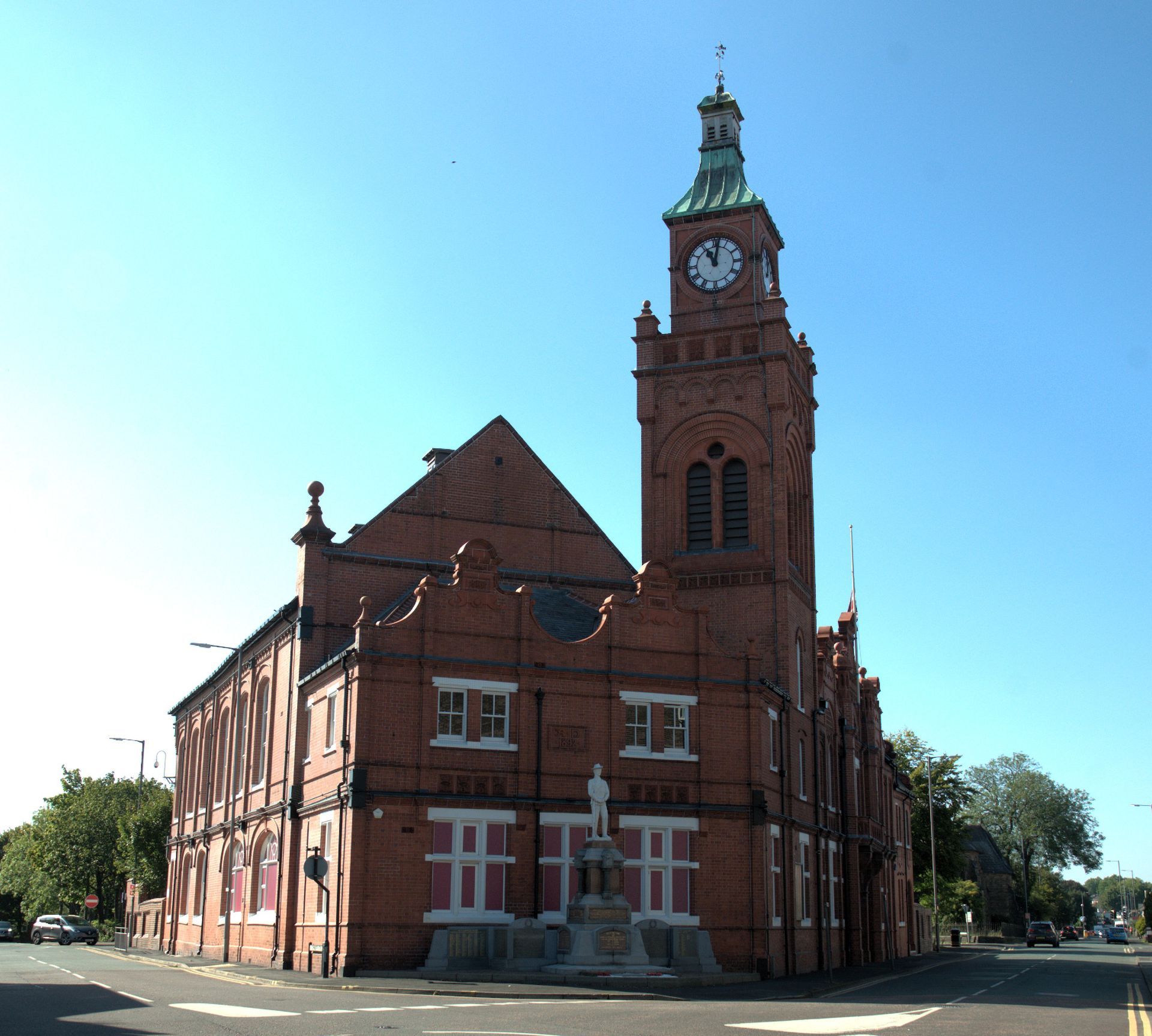
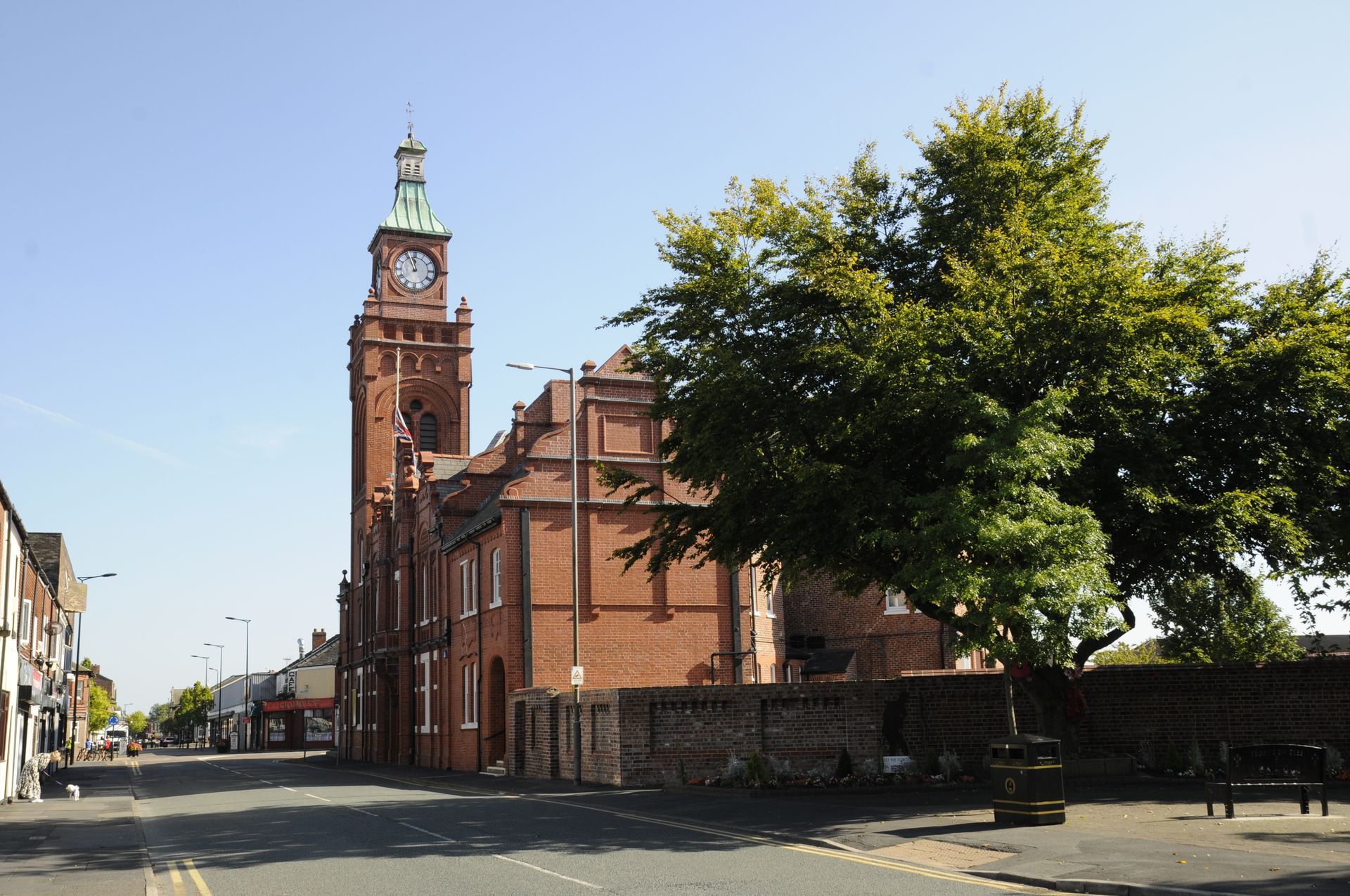
TEP has been proud to support the regeneration of the Grade II Listed Earlestown Town Hall, one of the most historically and visually significant buildings in the town centre.


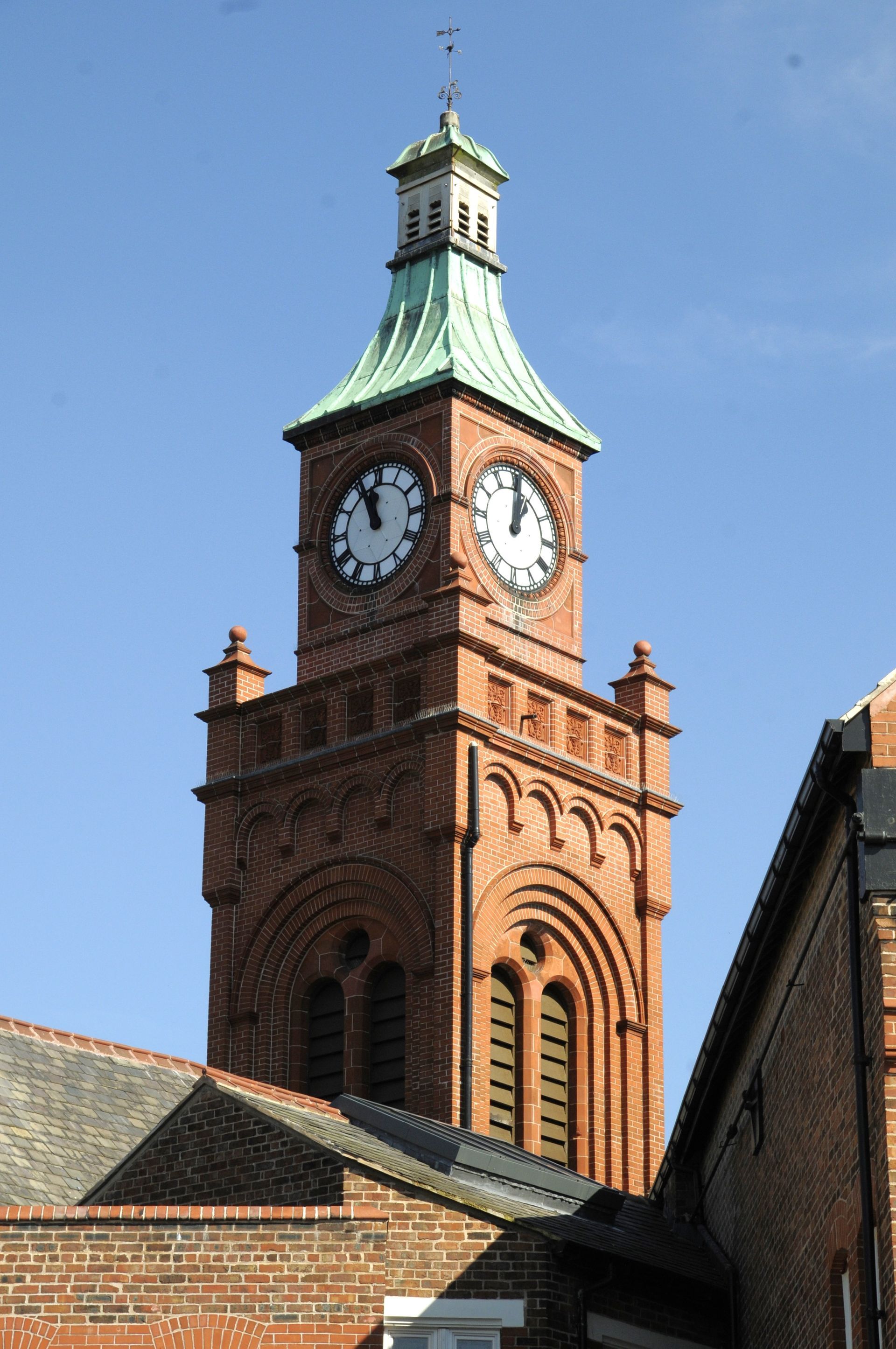
Dating from the late 19th century, the Flemish-inspired civic building occupies a commanding position within Earlestown and has long served as a local landmark and community venue. Over the years, the Town Hall has played host to generations of local events and performances, including an appearance by The Beatles during the early years of their rise to fame.


Commissioned by ECF, we provided heritage and archaeology consultancy services to support the redevelopment and restoration of the building as part of wider regeneration ambitions for Earlestown town centre.


Working as part of a multidisciplinary team, we provided heritage support and advice throughout the pre-application stage, helping to shape proposals that would be sympathetic to the building’s historic character while enabling it to meet modern community needs.

Understanding the Building’s Heritage Significance


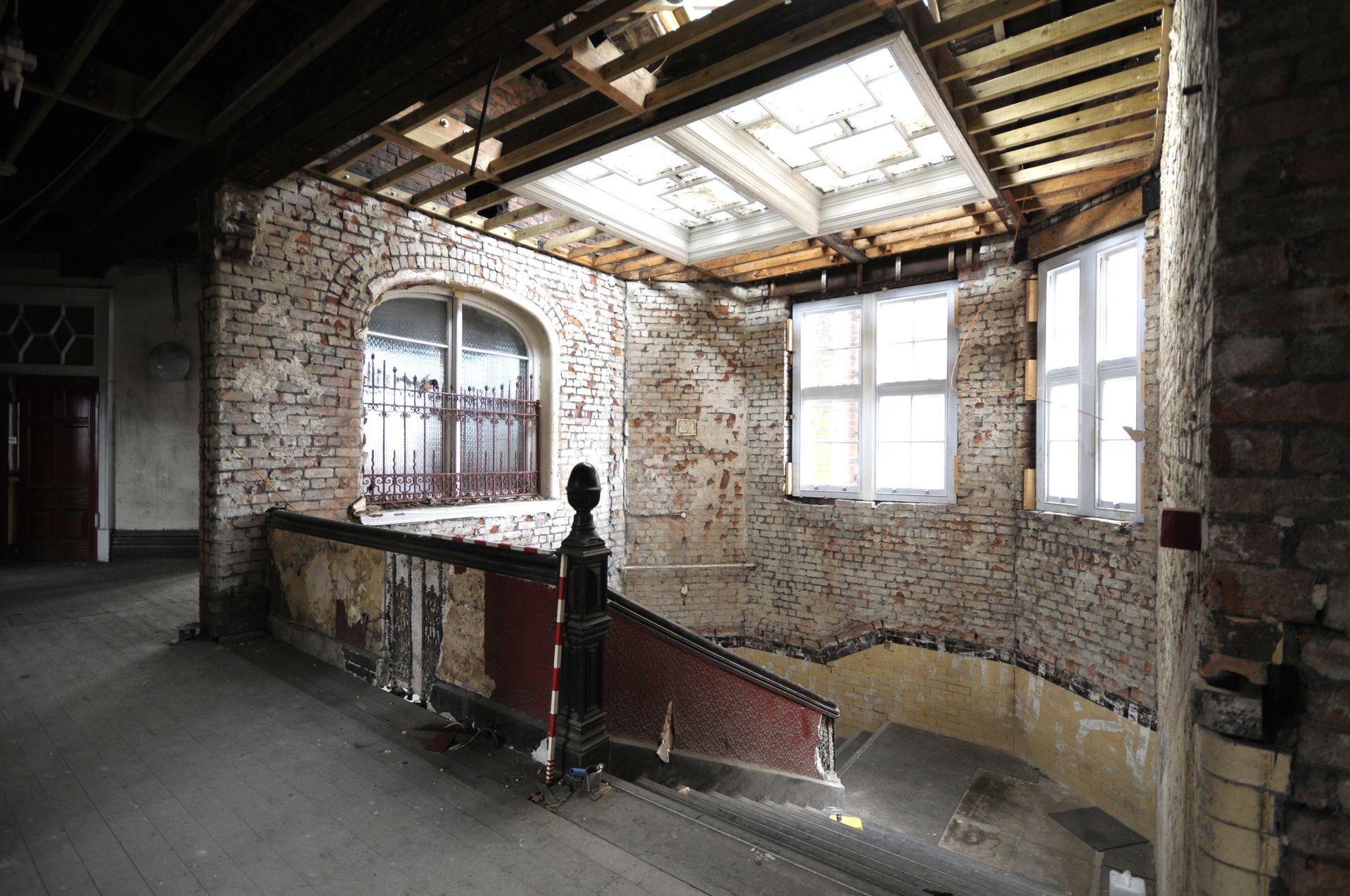
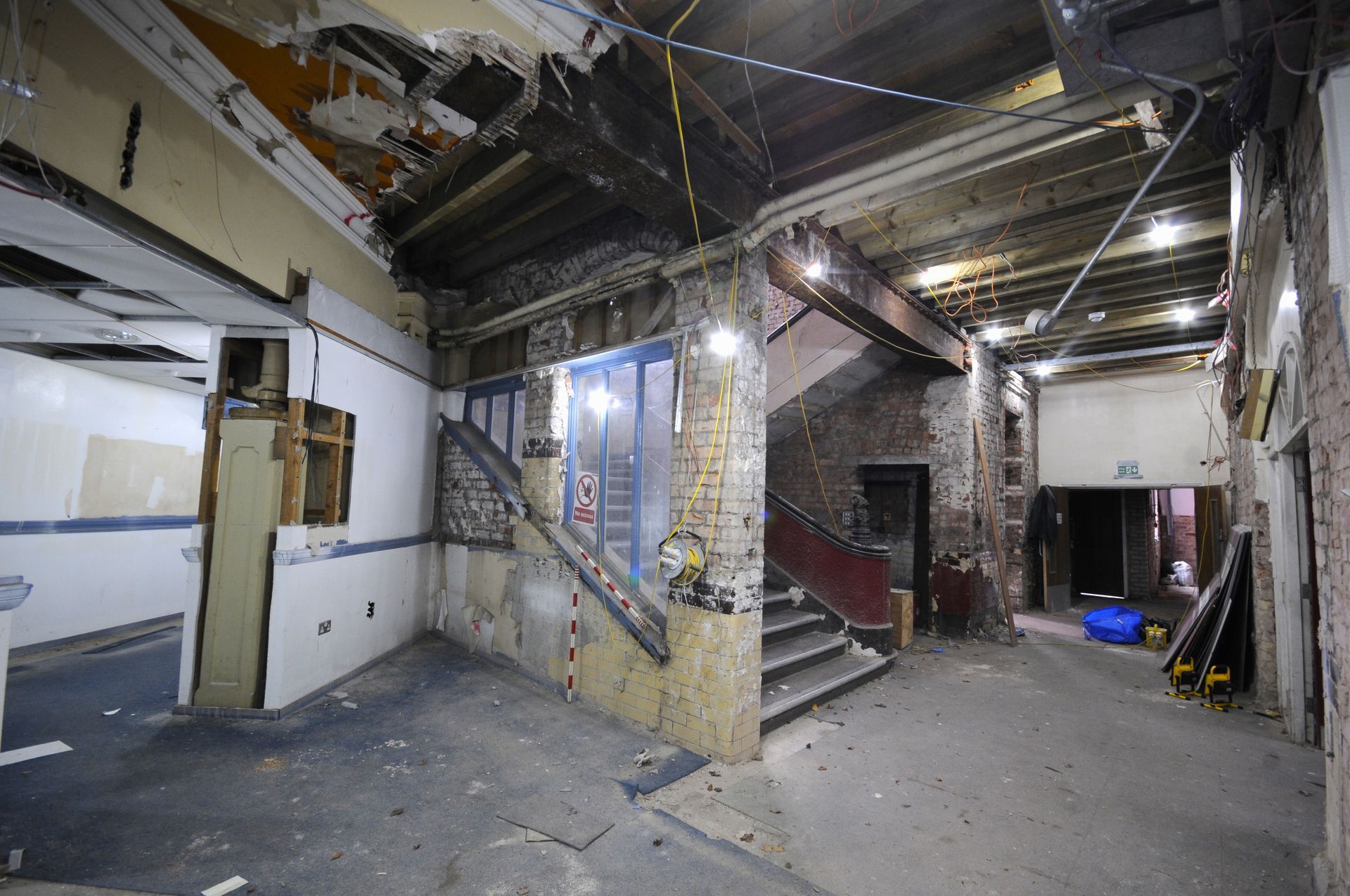
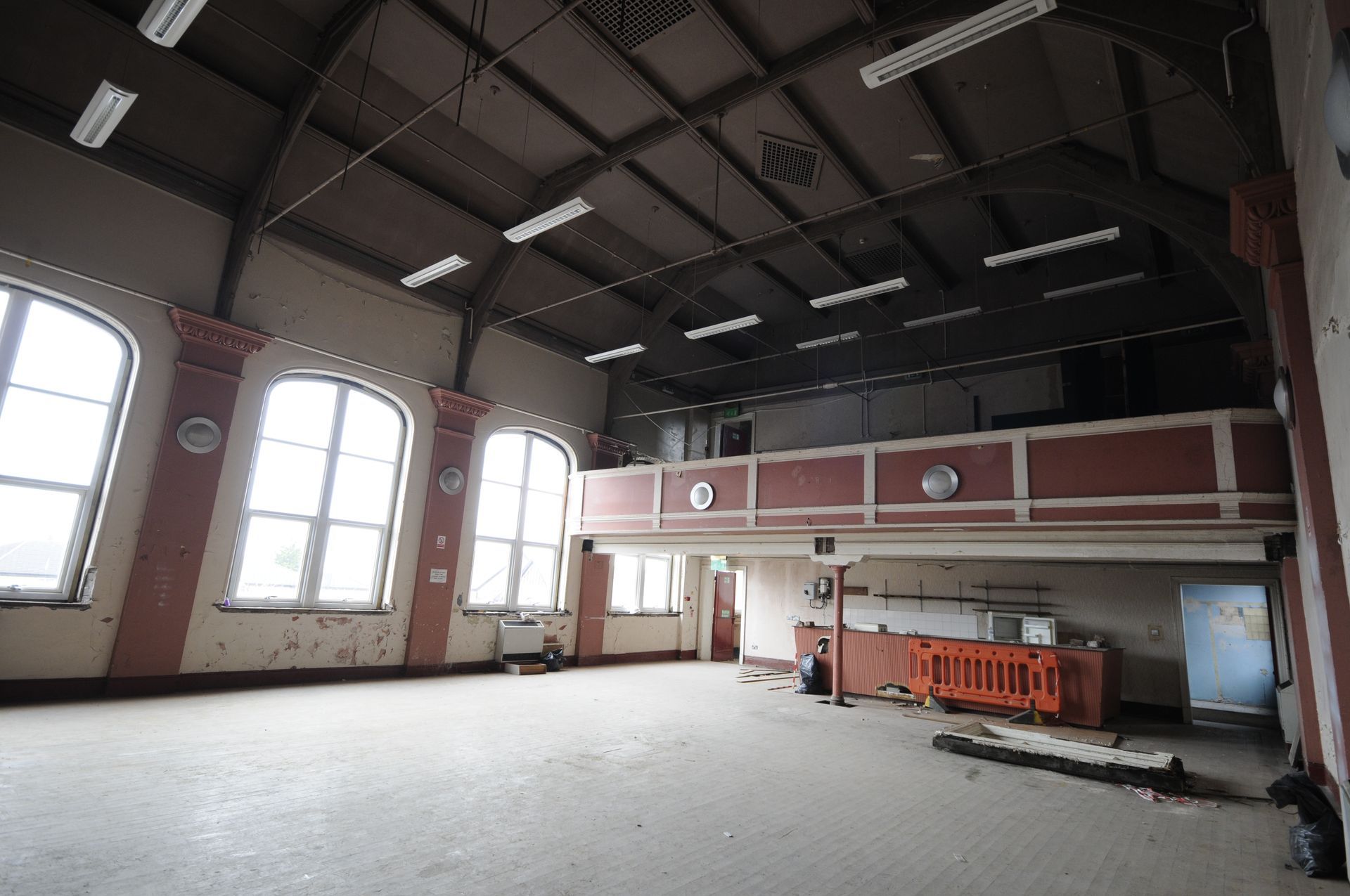
A key part of our role involved producing a detailed Heritage Impact Assessment. As part of this work, our team undertook a comprehensive survey of the building to identify the elements of its fabric, form and architectural character that contribute most strongly to its heritage significance.


The assessment provided a clear rationale for the proposed changes and evaluated how they could impact the listed building. We worked closely with the project team to identify opportunities to protect and enhance significant features while minimising potential harm.


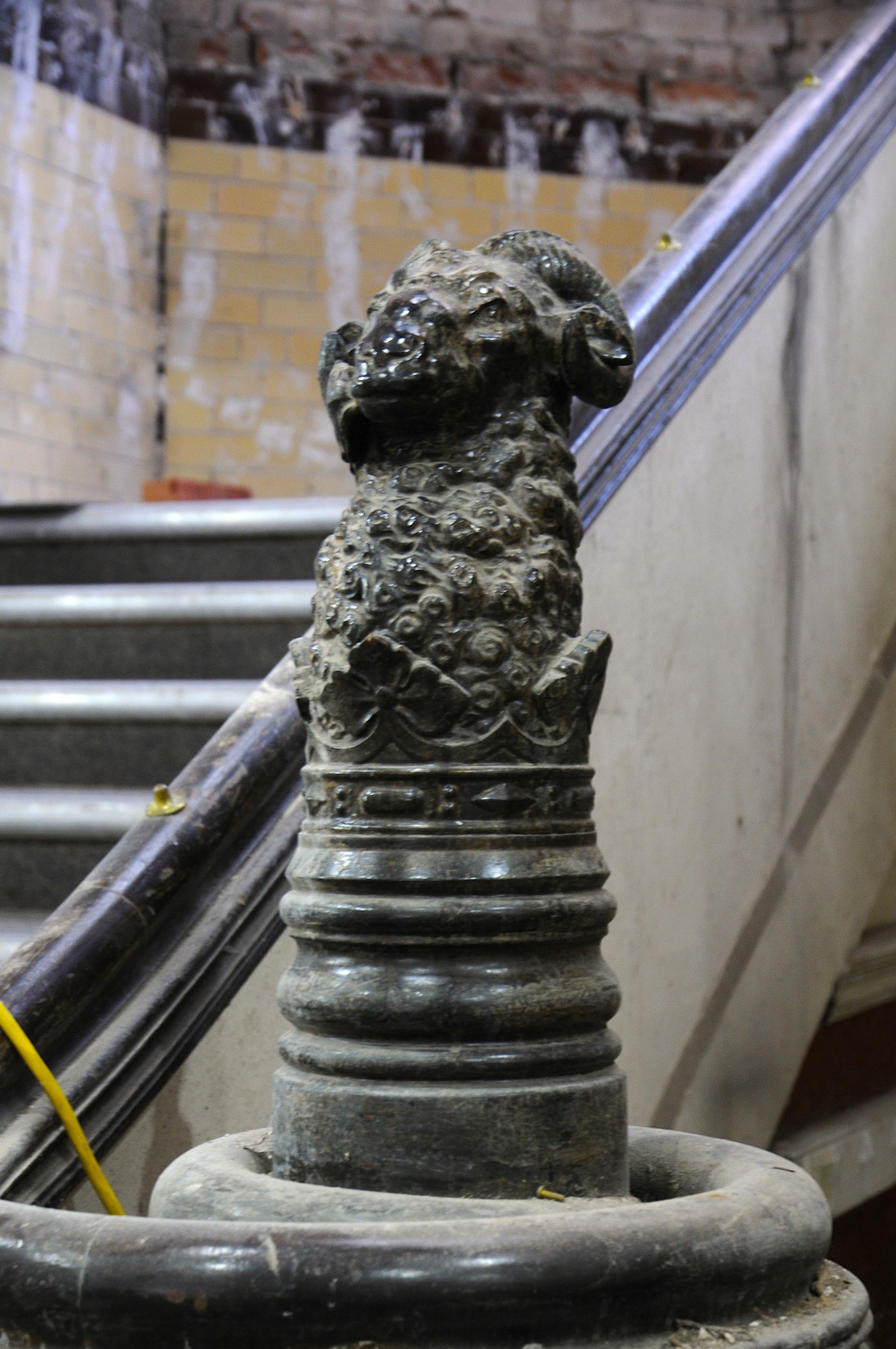
The Town Hall reflects an eclectic mix of architectural influences. Flemish inspiration can be seen in its shaped gables, while Italianate and Romanesque detailing is evident in the clock tower design, Lombardic friezes and arched openings. Together, these features demonstrate the civic pride and ambitious late 19th century development that shaped Earlestown during this period.

Supporting Regeneration and Community Use


The proposals included the creation of new community spaces and facilities, including flexible offices, workspaces, meeting rooms, community toilets and a new courtyard café.


Our assessment concluded that the redevelopment proposals would help bring the iconic building back into active public use, supporting wider regeneration ambitions within the town centre.


Throughout the project, we also consulted with the regional Conservation Officer and Merseyside Environmental Advisory Service, and produced a Written Scheme of Investigation (WSI) alongside archaeological mitigation during ground investigation works within the courtyard.


Recording and Restoring the Historic Clock Tower


Following the successful grant of planning consent, we carried out a Level 3 Historic Building Recording to discharge an archaeological planning condition. The resulting report concluded that the Town Hall is an important part of Earlestown’s built environment, serving both as a landmark and as evidence of the town’s historic civic development.


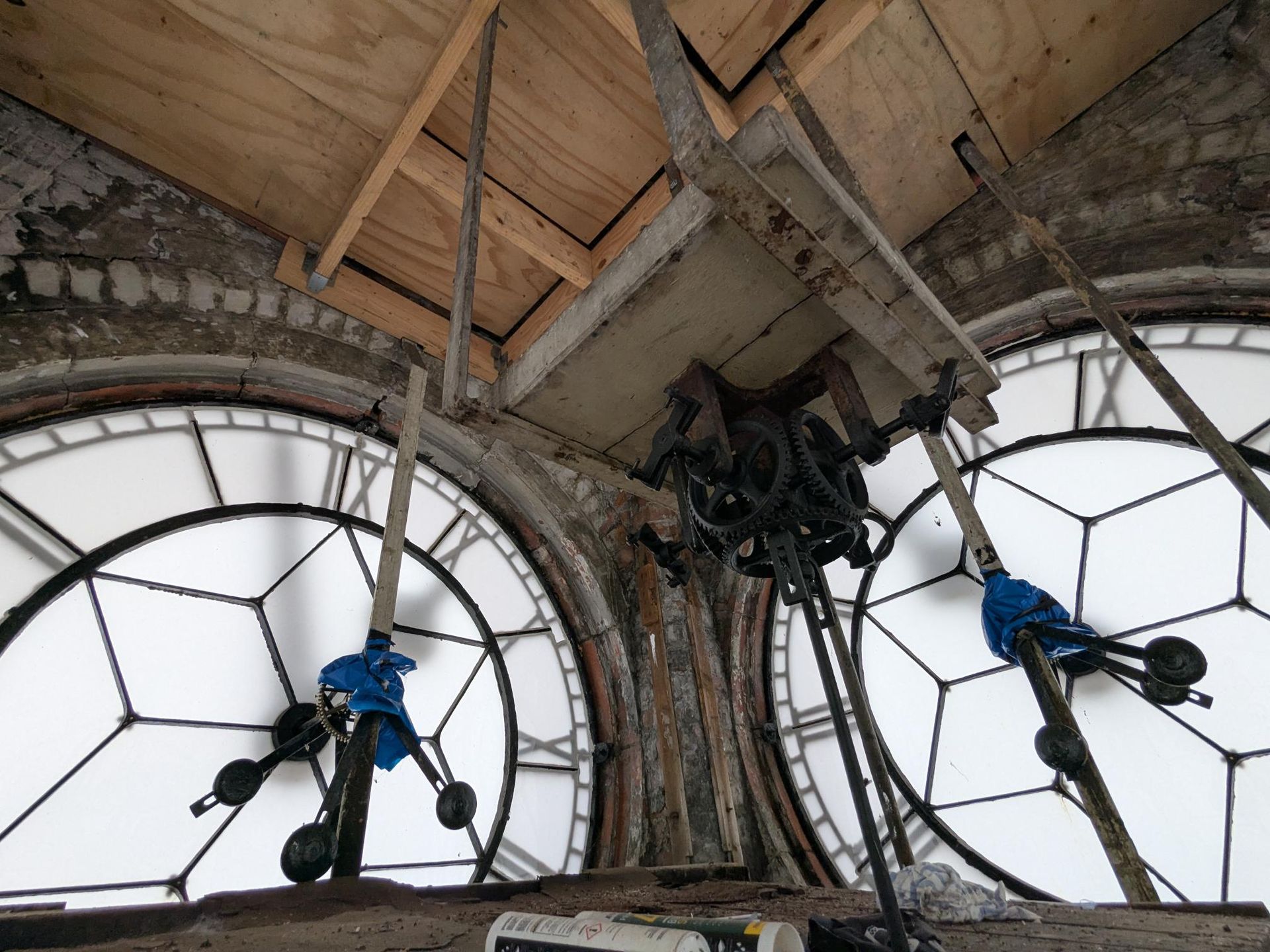
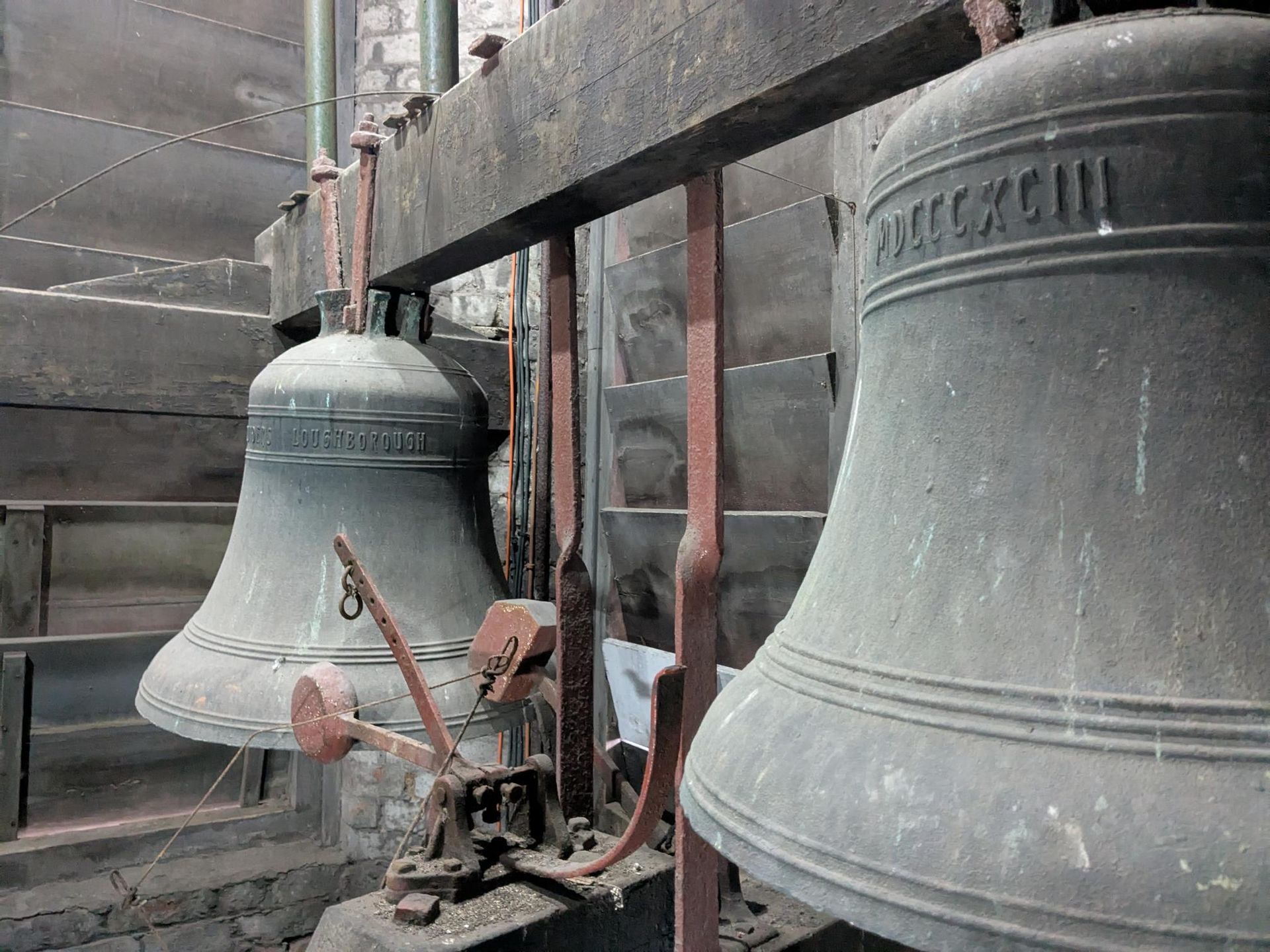
More recently, our team provided further heritage support in relation to a separate Listed Building Consent application for remediation works within the historic clock tower. This included preparing a Heritage Impact Assessment focused on the significance of the clock tower, its surviving original bells and historic clock mechanism, and assessing the potential impacts of the proposed works.


Subsequent feedback from the Conservation Officer agreed with our assessment and confirmed that the proposed works would help sustain the significance of the listed building. The restoration of the historic clock tower and its bells to full working condition marks a significant milestone in the regeneration of Earlestown Town Hall, helping to preserve an important piece of the town’s heritage for future generations.

Find out more about our heritage and archaeology services, or get in touch with our team.

20 May 2026
Explore what the Energy Independence Bill could mean for renewable energy, planning reform and UK infrastructure projects.
19 May 2026
If you are planning a development, managing land, or need advice on great crested newts or other protected species, contact us today.
22 April 2026
Delivering major infrastructure in sensitive environments requires a coordinated approach, bringing together a range of expertise to understand place, manage risk and support informed decision-making. Our work on the North Hykeham Relief Road (NHRR) in Lincolnshire is a strong example of this in practice, with teams from across TEP working together to support the delivery of this long-planned scheme. A long-planned piece of infrastructure The NHRR forms the final section of Lincoln’s ring road, a scheme that has been identified in Local Plans for around twenty years. As the project progressed, it required careful consideration of environmental constraints, historic assets and landscape character, alongside the practicalities of delivering a major new road. Working alongside Balfour Beatty and the wider project team, we provided a range of services spanning heritage and archaeology, planning, landscape, ecology and arboriculture. A coordinated programme of assessment and support underpinned the development of the scheme. Our Historic Environment team established the baseline through desk-based assessment, consultation and phased archaeological evaluation. This work identified areas of interest including sites of prehistoric activity, the important Roman road of Ermine Street, and a potential Roman villa complex, providing valuable insight into the long-term history of the site. These findings directly informed the design process, helping to shape the scheme in response to the site’s archaeological and historical context. The team also assessed potential impacts on sensitive heritage assets, including listed buildings and conservation areas, ensuring that the historic environment was fully considered as the project evolved.
20 May 2026
Explore what the Energy Independence Bill could mean for renewable energy, planning reform and UK infrastructure projects.
19 May 2026
If you are planning a development, managing land, or need advice on great crested newts or other protected species, contact us today.
20 May 2026
Explore what the Energy Independence Bill could mean for renewable energy, planning reform and UK infrastructure projects.
19 May 2026
If you are planning a development, managing land, or need advice on great crested newts or other protected species, contact us today.
22 April 2026
Delivering major infrastructure in sensitive environments requires a coordinated approach, bringing together a range of expertise to understand place, manage risk and support informed decision-making. Our work on the North Hykeham Relief Road (NHRR) in Lincolnshire is a strong example of this in practice, with teams from across TEP working together to support the delivery of this long-planned scheme. A long-planned piece of infrastructure The NHRR forms the final section of Lincoln’s ring road, a scheme that has been identified in Local Plans for around twenty years. As the project progressed, it required careful consideration of environmental constraints, historic assets and landscape character, alongside the practicalities of delivering a major new road. Working alongside Balfour Beatty and the wider project team, we provided a range of services spanning heritage and archaeology, planning, landscape, ecology and arboriculture. A coordinated programme of assessment and support underpinned the development of the scheme. Our Historic Environment team established the baseline through desk-based assessment, consultation and phased archaeological evaluation. This work identified areas of interest including sites of prehistoric activity, the important Roman road of Ermine Street, and a potential Roman villa complex, providing valuable insight into the long-term history of the site. These findings directly informed the design process, helping to shape the scheme in response to the site’s archaeological and historical context. The team also assessed potential impacts on sensitive heritage assets, including listed buildings and conservation areas, ensuring that the historic environment was fully considered as the project evolved.