Restoring Lindow Moss – A Landscape in Recovery

Restoring Lindow Moss – A Landscape in Recovery

Restoring Lindow Moss – A Landscape in Recovery
8 October 2025

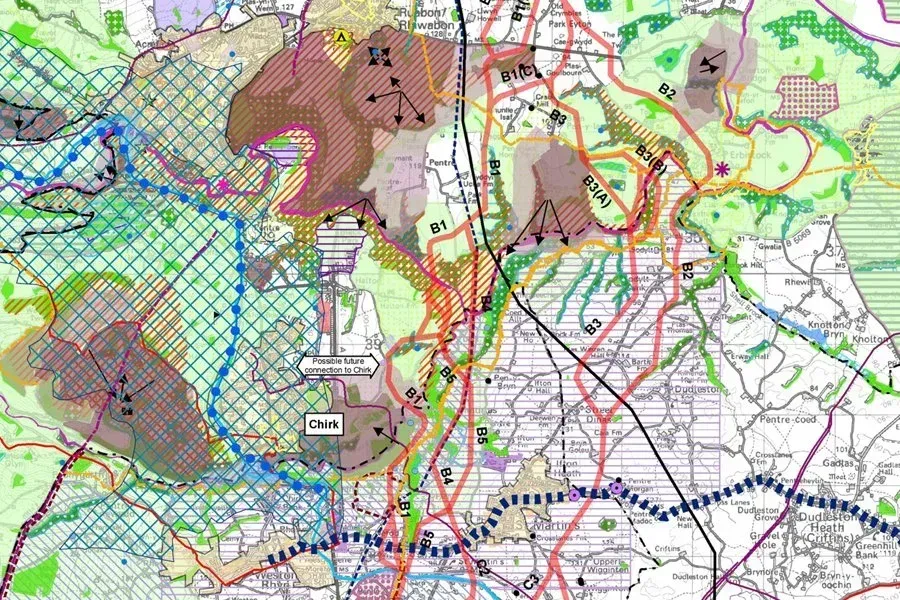
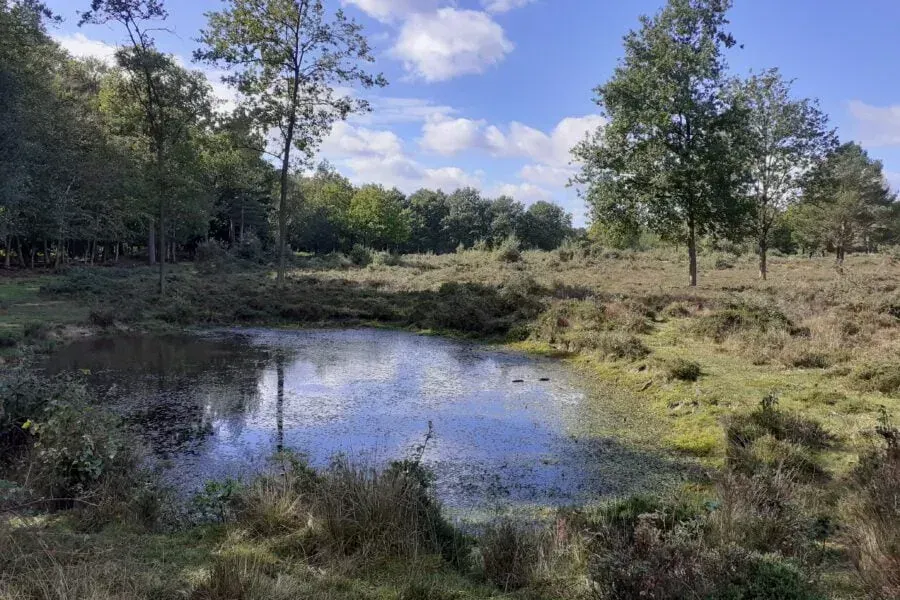
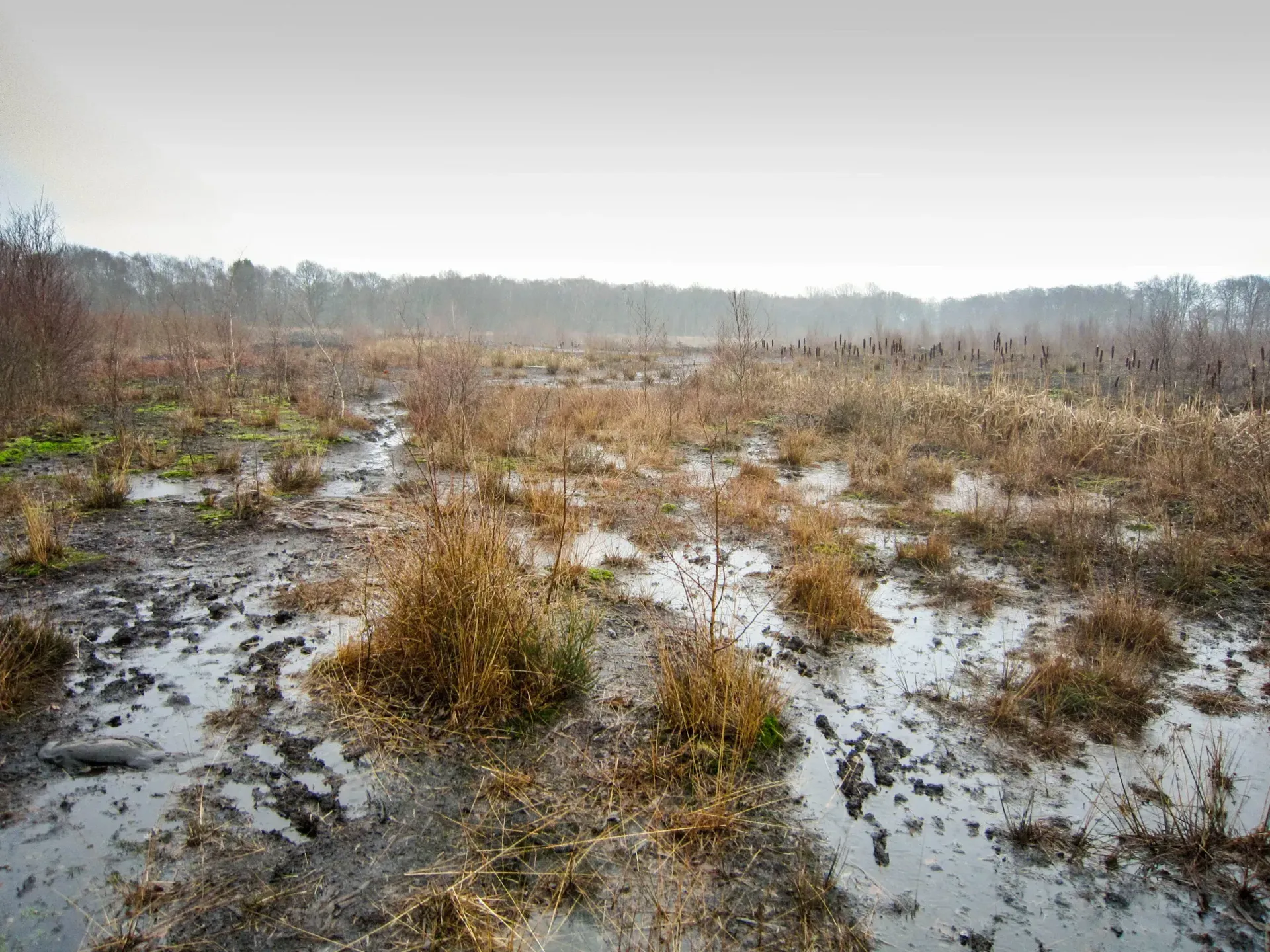
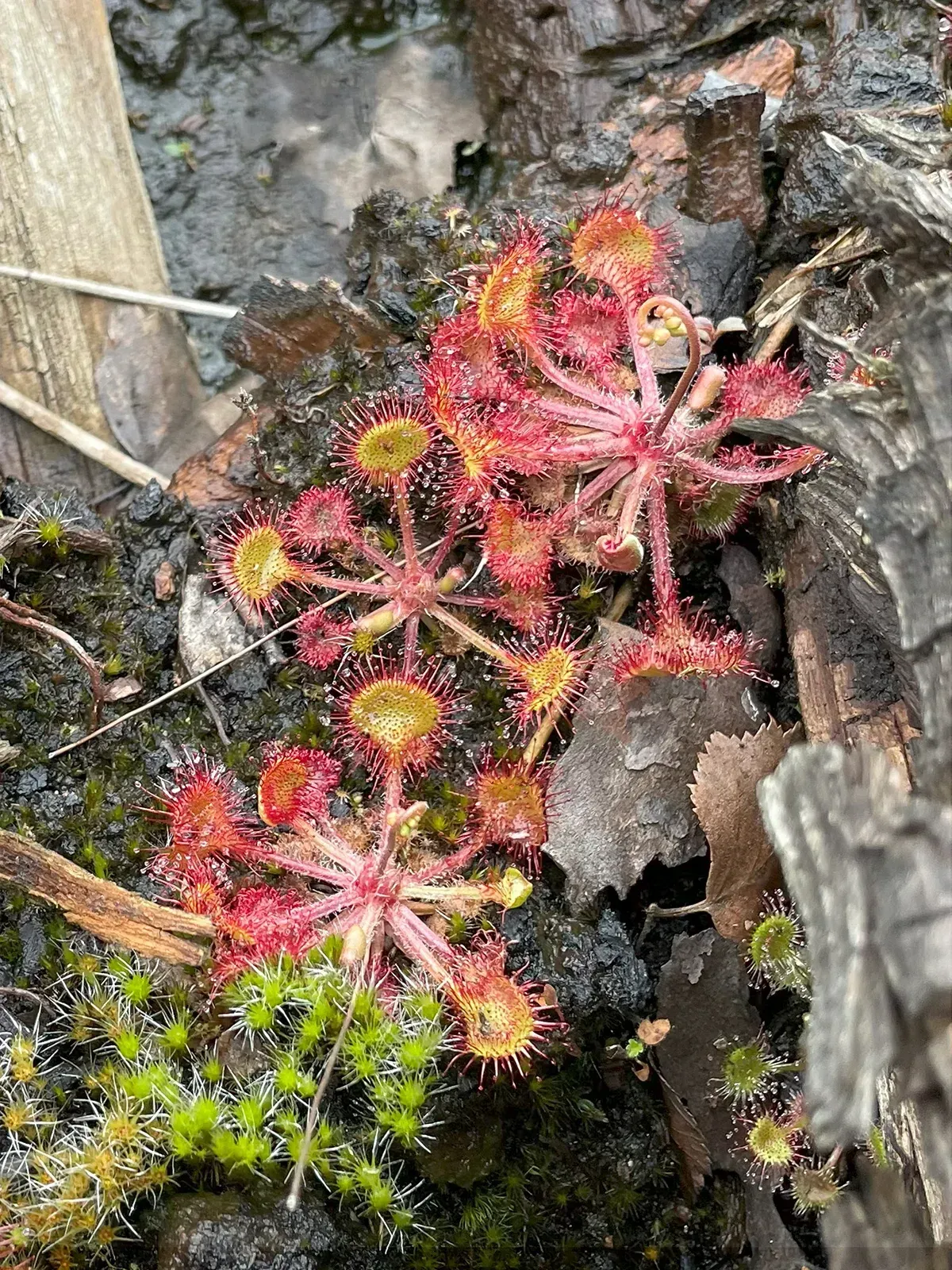
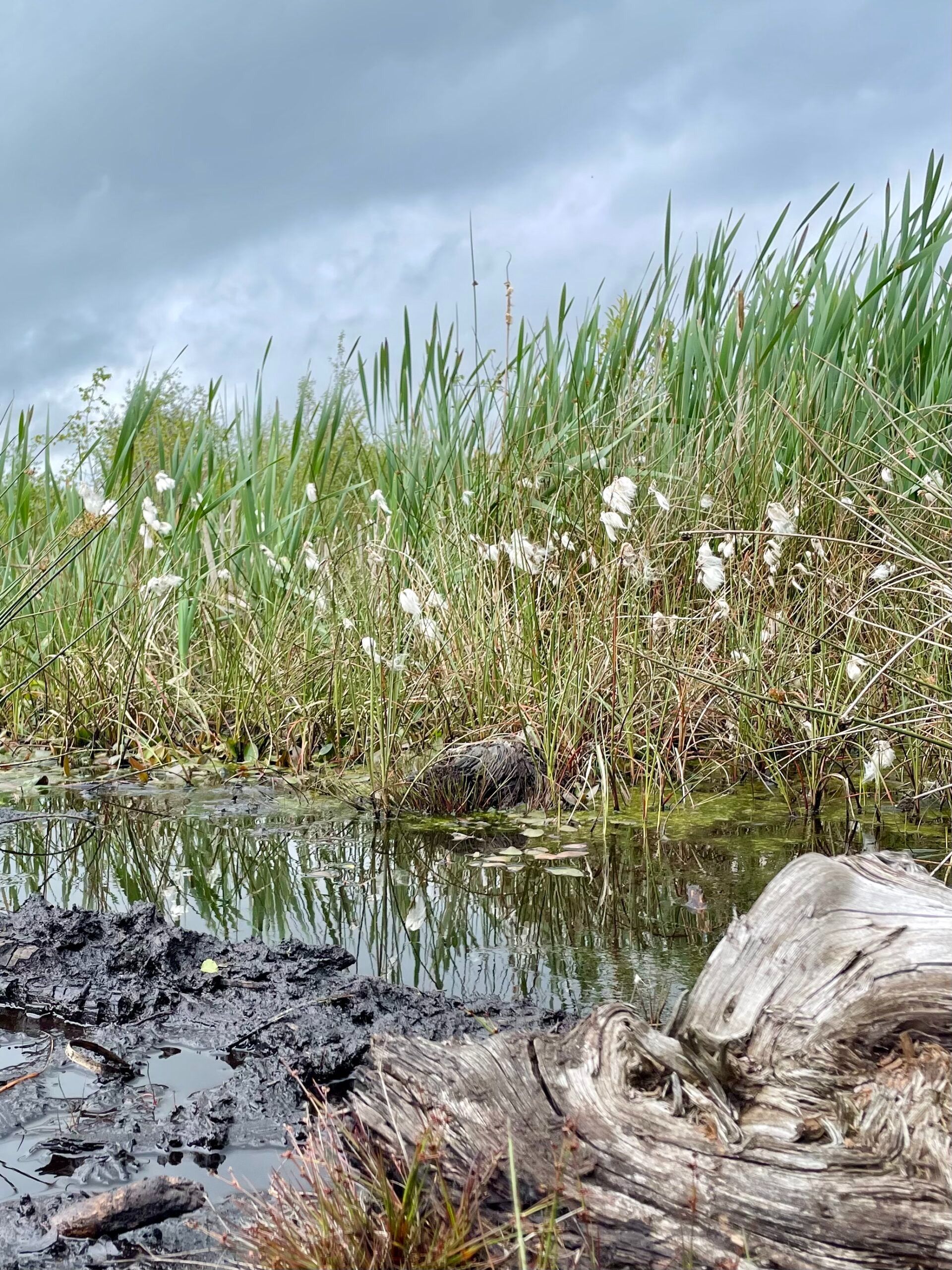
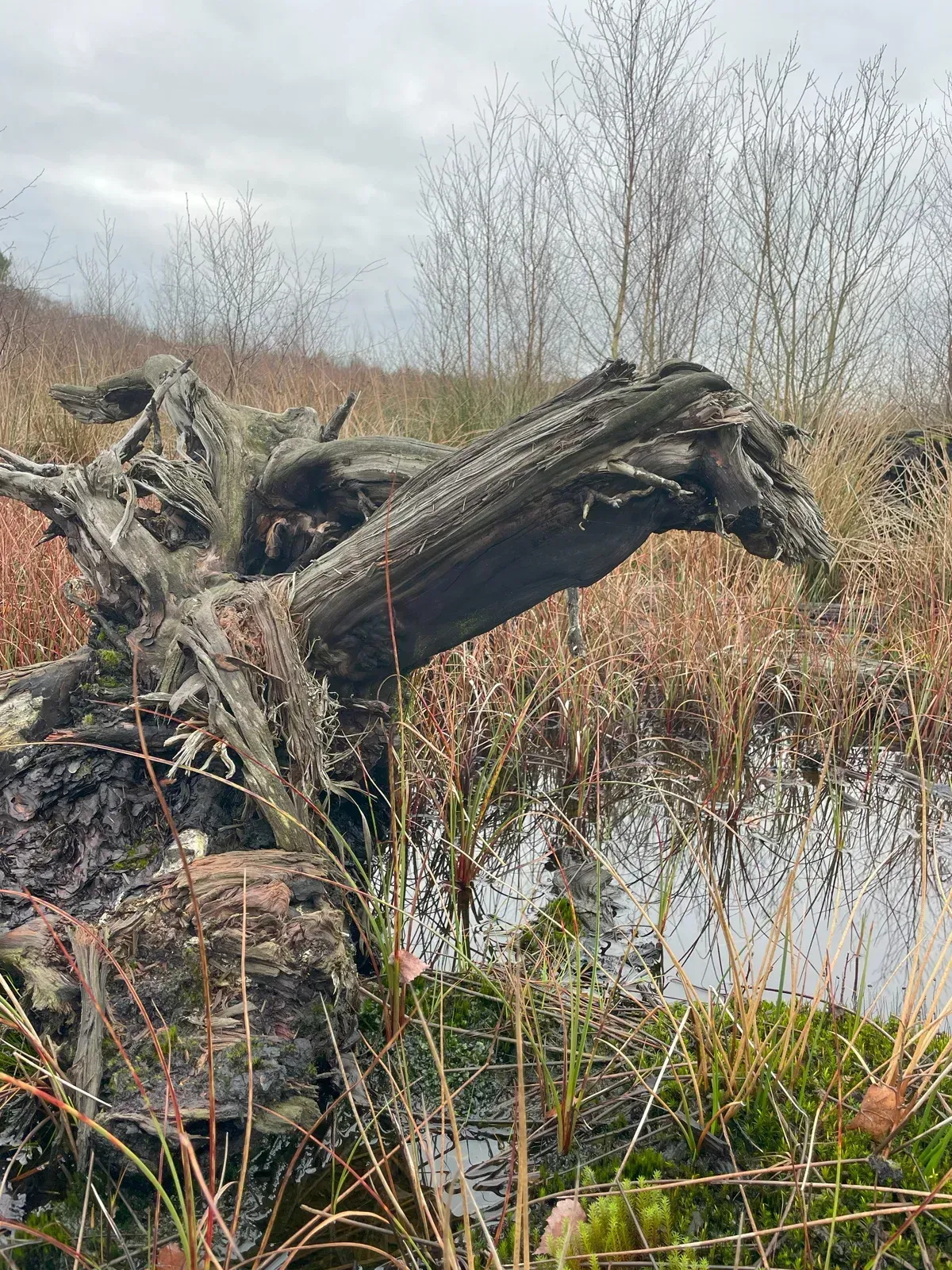
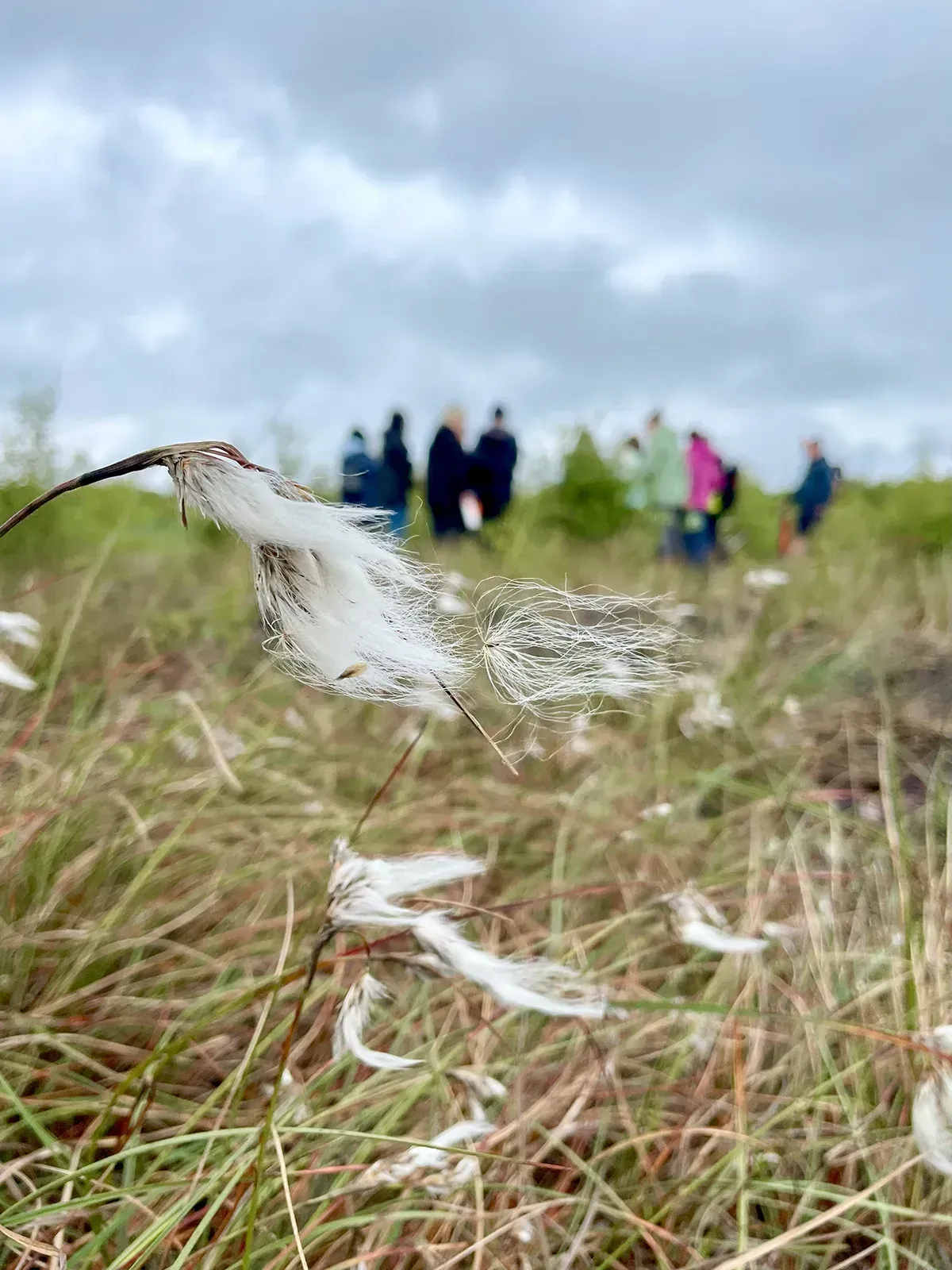
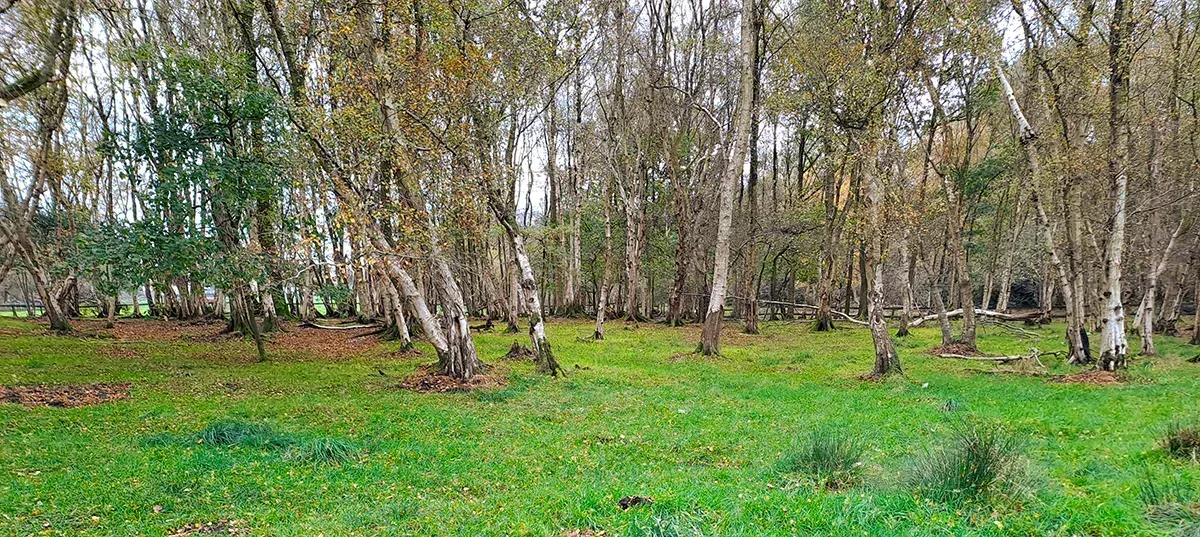
Lindow Moss is an ecologically and historically significant peatland, but decades of drainage and degradation have left it in poor condition. In autumn 2024, we were commissioned by Groundwork CLM to survey peat extent and condition, map habitats and hydrology, and identify opportunities for restoration. This work lays the foundation for restoring the site for climate, nature, and people.


Partnership and Community Engagement

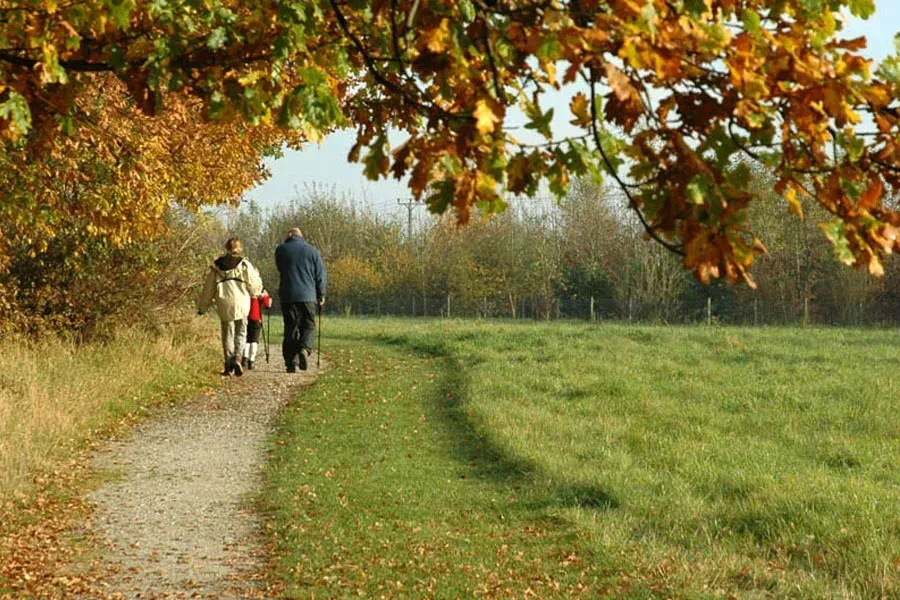
Restoring Lindow Moss is a collaborative effort, bringing together conservation organisations, local authorities, and community groups through the Lindow Moss Landscape Partnership. Their 10-year restoration plan focuses on enhancing carbon storage, improving biodiversity, protecting cultural heritage, and supporting community involvement. Partners include Transition Wilmslow, Friends of Lindow Moss, Cheshire East Council, Wilmslow Town Council, Cheshire Wildlife Trust, Mersey Rivers Trust, and Groundwork CLM.

We worked closely with Groundwork CLM and landowners to secure access for surveys through emails, calls, mail-outs, and a press release linked to the StoryMap. This approach secured access to over 50% of the Landscape Character Area and created a database to support ongoing and future restoration, while fostering local support and stewardship.

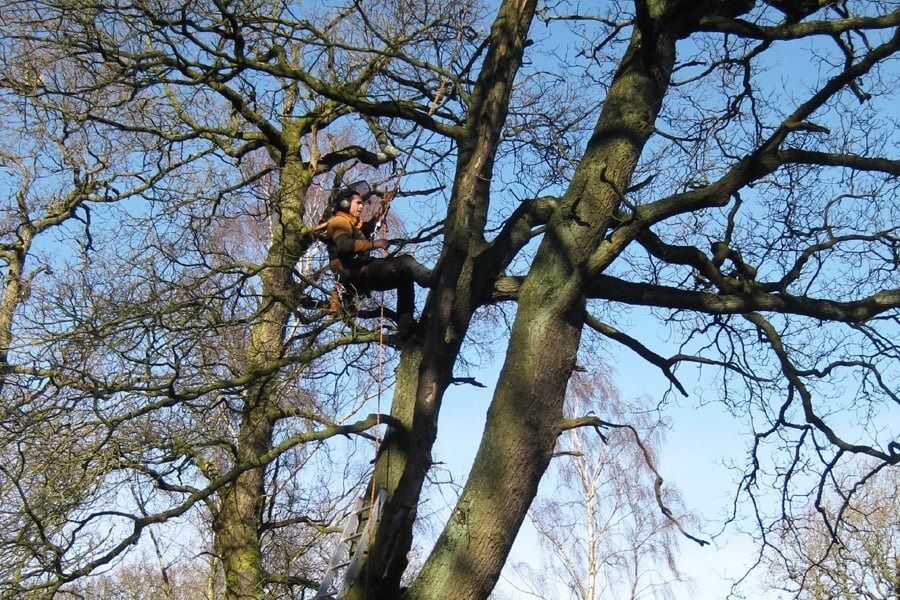
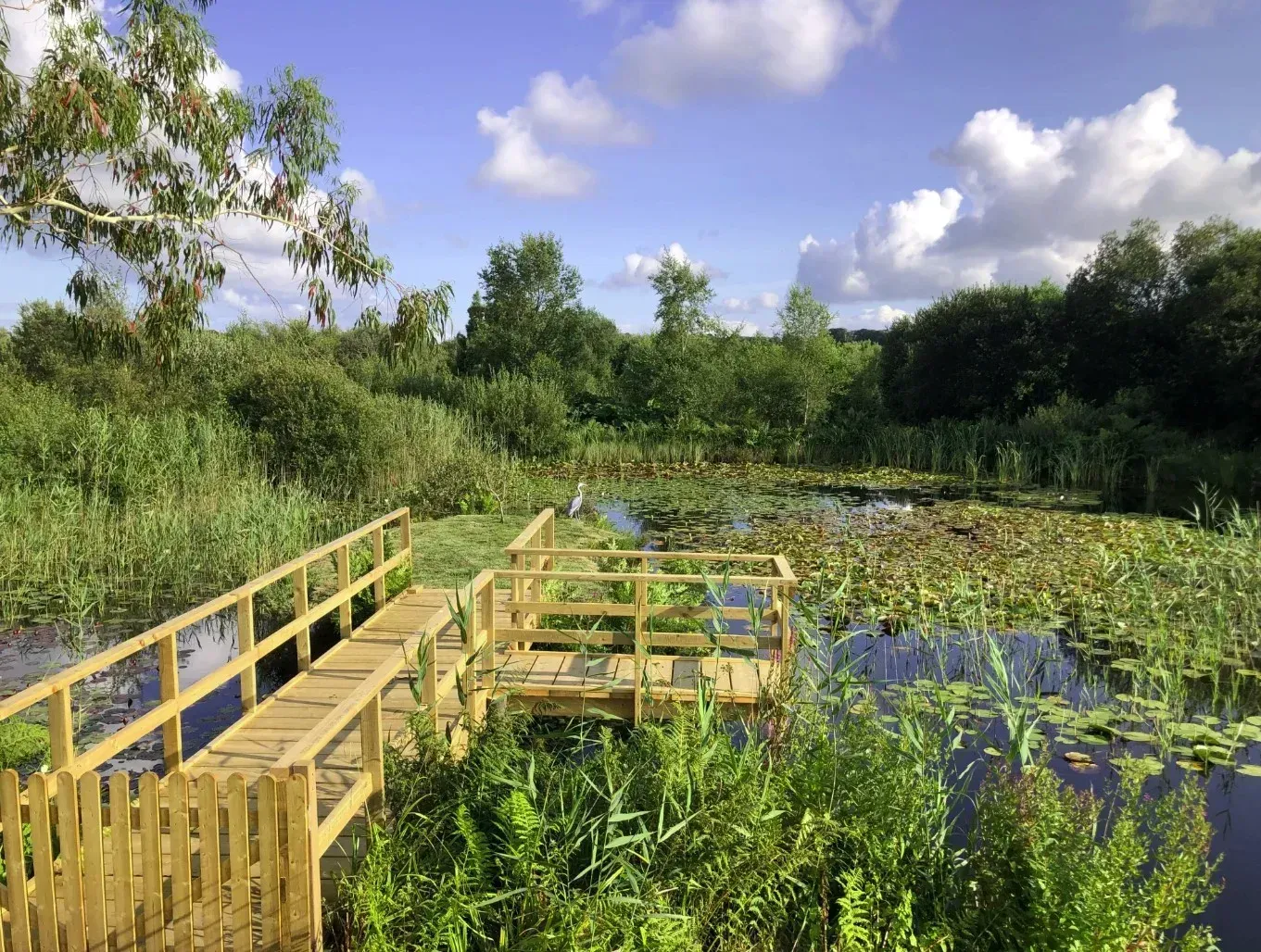
(Photos courtesy of Groundwork CLM)


Surveying and Mapping

Using a bespoke ArcGIS Field Maps tool, we conducted detailed surveys incorporating elements of the Peatland Code methodology. Surveys recorded:


🌿 Peat depth and condition (von Post scale);
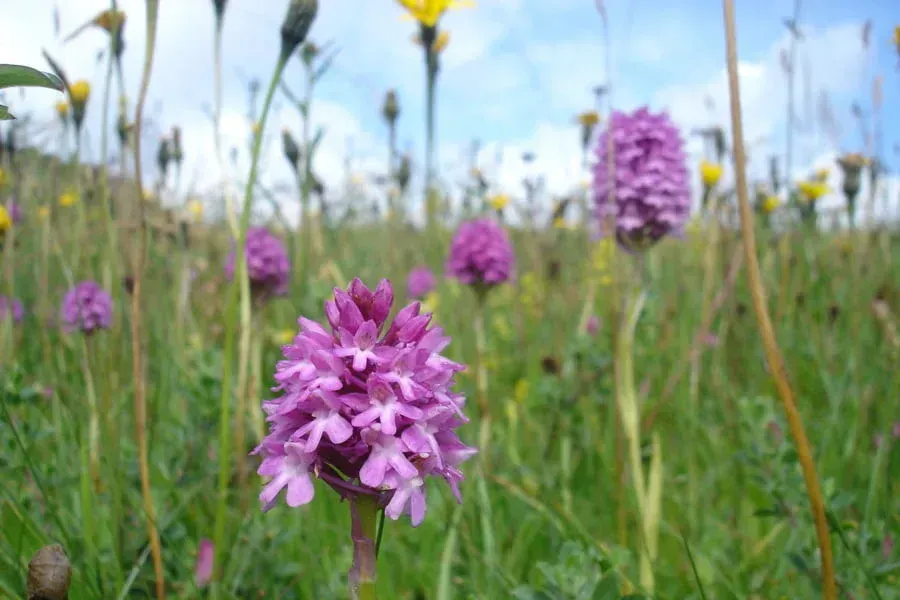
🌿 Key ecological benchmarks, including indicator species and UKHabitat classification;
🌿 Grazing impacts and drainage features
🌿 Soil cores to verify survey findings.

This work produced a comprehensive baseline of the peatland’s condition, helping the partnership target areas for rewetting, habitat recovery, and restoration interventions.


Spatial Analysis and Restoration Planning

Multi-Criteria Decision Analysis (MCDA) supported the generation of a landscape restoration opportunity map, highlighting where interventions would have the greatest impact. Using our in-house habitat modelling tool, HabiTEP, we produced a UKHabitat map of the full site, which is now being ground-truthed with ecological survey data. Together, these tools inform restoration planning and guide actions to recover habitats, protect biodiversity, and restore carbon storage.

(Photos courtesy of Groundwork CLM)


Looking Ahead

The next phase focuses on implementing restoration actions, including:


🌿 Rewetting key areas to prevent further peat loss;
🌿 Promoting peat-forming vegetation to enhance carbon sequestration;
🌿 Monitoring water levels, vegetation recovery, and carbon storage potential
🌿 Continuing engagement with landowners to foster stewardship and community support.

The Lindow Moss Landscape Partnership is committed to restoring this vital ecosystem for people, nature, and climate. We are proud to have contributed to this ambitious project and looks forward to supporting its next stages.


Explore the StoryMap

For an interactive view of survey results, maps, and restoration opportunities, visit the Lindow Moss StoryMap

(Photos courtesy of G Davies, TEP)

22 April 2026
Delivering major infrastructure in sensitive environments requires a coordinated approach, bringing together a range of expertise to understand place, manage risk and support informed decision-making. Our work on the North Hykeham Relief Road (NHRR) in Lincolnshire is a strong example of this in practice, with teams from across TEP working together to support the delivery of this long-planned scheme. A long-planned piece of infrastructure The NHRR forms the final section of Lincoln’s ring road, a scheme that has been identified in Local Plans for around twenty years. As the project progressed, it required careful consideration of environmental constraints, historic assets and landscape character, alongside the practicalities of delivering a major new road. Working alongside Balfour Beatty and the wider project team, we provided a range of services spanning heritage and archaeology, planning, landscape, ecology and arboriculture. A coordinated programme of assessment and support underpinned the development of the scheme. Our Historic Environment team established the baseline through desk-based assessment, consultation and phased archaeological evaluation. This work identified areas of interest including sites of prehistoric activity, the important Roman road of Ermine Street, and a potential Roman villa complex, providing valuable insight into the long-term history of the site. These findings directly informed the design process, helping to shape the scheme in response to the site’s archaeological and historical context. The team also assessed potential impacts on sensitive heritage assets, including listed buildings and conservation areas, ensuring that the historic environment was fully considered as the project evolved.
21 April 2026
Bringing the world of books to life for blind or visually impaired children
14 April 2026
TEP is proud to be partnered with the award-winning initiative Time for Geograph y, whic h showcases the importance of geography and the diverse careers it can lead to. Time for Geography is a free, online education platform reaching schools and universities across the UK. Through a series of engaging video resources, it brings geography to life in the classroom, connecting academic learning with real-world challenges such as sustainability, climate change, urban planning and environmental management. Our contribution to the initiative forms part of the platform’s Careers Collection, where our team shares insight into the varied and rewarding pathways geography can open up. These resources are designed to help students understand how their studies translate into professional roles, offering a clearer view of the opportunities available within the environmental sector. We’re delighted that this collaboration has been recognised with a Highly Commended Geographical Association Publishers Award , which celebrates the careers-focused videos and resources developed to guide students towards further education and careers in our industry. With an audience of over 2.5 million this year, Time for Geography is a powerful example of how education and industry can come together to inspire future talent, showing how a subject studied in the classroom can lead to meaningful, real-world careers. For many of our colleagues at TEP, that journey began with a simple interest in geography at school. Today, that interest has grown into careers spanning ecology, arboriculture, heritage, planning, landscape design and environmental management. By sharing these experiences, we hope to encourage the next generation to see geography not only as a fascinating subject, but as a pathway into work that makes a tangible difference. We’re proud to support an initiative that is helping shape the future talent pipeline for our sector, and to inspire the environmental specialists of tomorrow. Learn more and watch our video: 
22 April 2026
Delivering major infrastructure in sensitive environments requires a coordinated approach, bringing together a range of expertise to understand place, manage risk and support informed decision-making. Our work on the North Hykeham Relief Road (NHRR) in Lincolnshire is a strong example of this in practice, with teams from across TEP working together to support the delivery of this long-planned scheme. A long-planned piece of infrastructure The NHRR forms the final section of Lincoln’s ring road, a scheme that has been identified in Local Plans for around twenty years. As the project progressed, it required careful consideration of environmental constraints, historic assets and landscape character, alongside the practicalities of delivering a major new road. Working alongside Balfour Beatty and the wider project team, we provided a range of services spanning heritage and archaeology, planning, landscape, ecology and arboriculture. A coordinated programme of assessment and support underpinned the development of the scheme. Our Historic Environment team established the baseline through desk-based assessment, consultation and phased archaeological evaluation. This work identified areas of interest including sites of prehistoric activity, the important Roman road of Ermine Street, and a potential Roman villa complex, providing valuable insight into the long-term history of the site. These findings directly informed the design process, helping to shape the scheme in response to the site’s archaeological and historical context. The team also assessed potential impacts on sensitive heritage assets, including listed buildings and conservation areas, ensuring that the historic environment was fully considered as the project evolved.
21 April 2026
Bringing the world of books to life for blind or visually impaired children
22 April 2026
Delivering major infrastructure in sensitive environments requires a coordinated approach, bringing together a range of expertise to understand place, manage risk and support informed decision-making. Our work on the North Hykeham Relief Road (NHRR) in Lincolnshire is a strong example of this in practice, with teams from across TEP working together to support the delivery of this long-planned scheme. A long-planned piece of infrastructure The NHRR forms the final section of Lincoln’s ring road, a scheme that has been identified in Local Plans for around twenty years. As the project progressed, it required careful consideration of environmental constraints, historic assets and landscape character, alongside the practicalities of delivering a major new road. Working alongside Balfour Beatty and the wider project team, we provided a range of services spanning heritage and archaeology, planning, landscape, ecology and arboriculture. A coordinated programme of assessment and support underpinned the development of the scheme. Our Historic Environment team established the baseline through desk-based assessment, consultation and phased archaeological evaluation. This work identified areas of interest including sites of prehistoric activity, the important Roman road of Ermine Street, and a potential Roman villa complex, providing valuable insight into the long-term history of the site. These findings directly informed the design process, helping to shape the scheme in response to the site’s archaeological and historical context. The team also assessed potential impacts on sensitive heritage assets, including listed buildings and conservation areas, ensuring that the historic environment was fully considered as the project evolved.
21 April 2026
Bringing the world of books to life for blind or visually impaired children
14 April 2026
TEP is proud to be partnered with the award-winning initiative Time for Geograph y, whic h showcases the importance of geography and the diverse careers it can lead to. Time for Geography is a free, online education platform reaching schools and universities across the UK. Through a series of engaging video resources, it brings geography to life in the classroom, connecting academic learning with real-world challenges such as sustainability, climate change, urban planning and environmental management. Our contribution to the initiative forms part of the platform’s Careers Collection, where our team shares insight into the varied and rewarding pathways geography can open up. These resources are designed to help students understand how their studies translate into professional roles, offering a clearer view of the opportunities available within the environmental sector. We’re delighted that this collaboration has been recognised with a Highly Commended Geographical Association Publishers Award , which celebrates the careers-focused videos and resources developed to guide students towards further education and careers in our industry. With an audience of over 2.5 million this year, Time for Geography is a powerful example of how education and industry can come together to inspire future talent, showing how a subject studied in the classroom can lead to meaningful, real-world careers. For many of our colleagues at TEP, that journey began with a simple interest in geography at school. Today, that interest has grown into careers spanning ecology, arboriculture, heritage, planning, landscape design and environmental management. By sharing these experiences, we hope to encourage the next generation to see geography not only as a fascinating subject, but as a pathway into work that makes a tangible difference. We’re proud to support an initiative that is helping shape the future talent pipeline for our sector, and to inspire the environmental specialists of tomorrow. Learn more and watch our video: