The Importance of Winter Bird Surveys

The Importance of Winter Bird Surveys

The Importance of Winter Bird Surveys
8 September 2023

Every autumn we see the arrival of many thousands of ducks, geese, swans and waders; north-west England is an attractive proposition with its extensive coastline, rich seas, and intertidal and grassland feeding grounds.

The Ribble Estuary, Morecombe Bay and the Dee Estuary are all within the top-four UK sites by population for non-breeding waterbirds.

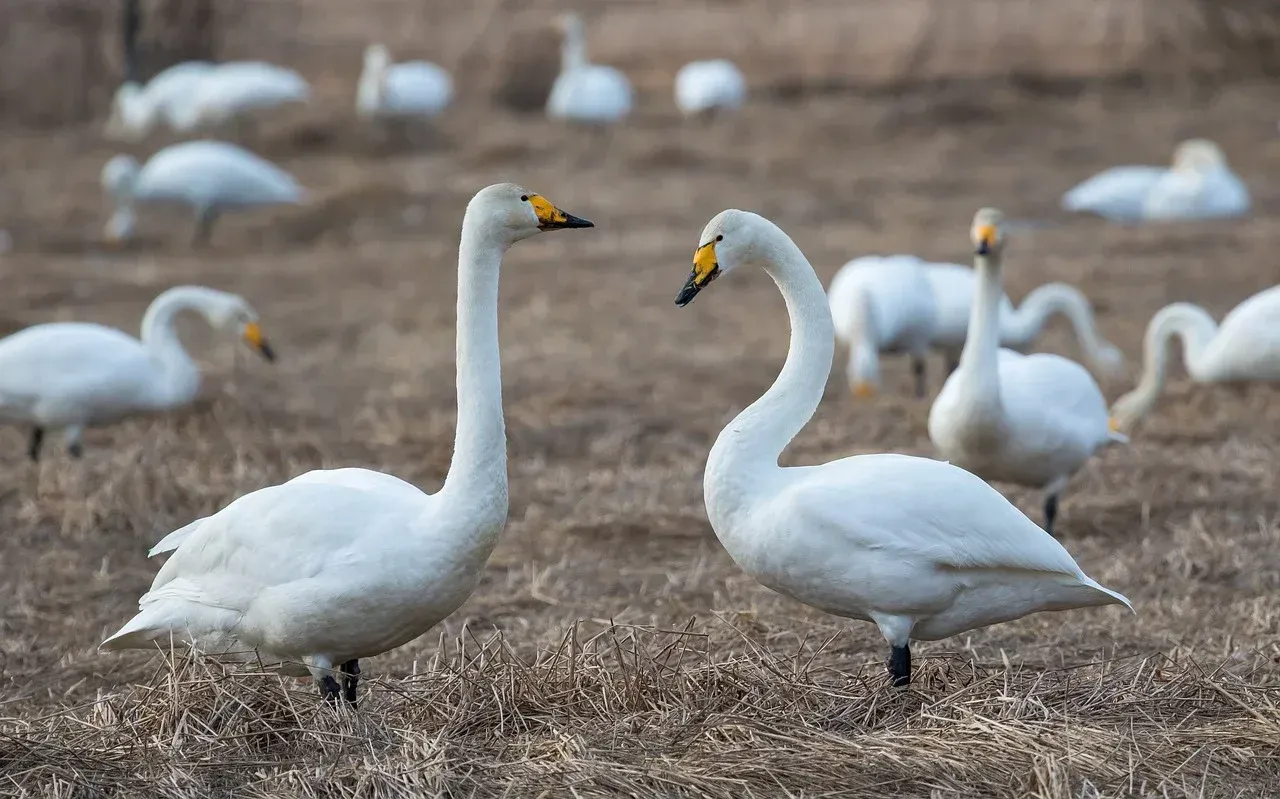
Whooper Swan – Cygnus cygnus (WCA1, BAm)

The mighty whooper swan, only rivalled in size by its more sedentary cousin the mute swan, is a magnificent bird. The UK provides a winter home for internationally significant numbers of these birds and those numbers are happily increasing. This is in no small part down to the efforts of reserves throughout the region and the good practice of environmental consultancies like TEP.

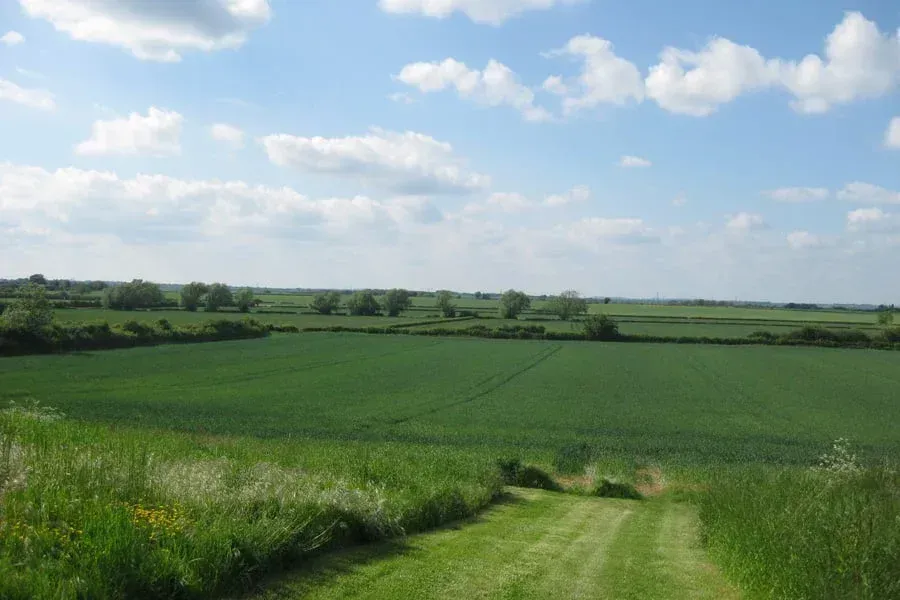
Whooper swans need space. They need clear sightlines across large fields in order to feel secure when feeding on agricultural land. The vicinity of roads, footpaths, aerial obstacles and the presence of livestock are also important considerations when ascertaining the suitability of sites for this species.

Golden Plover – Pluvialis acricaria

A handsome bird of remote moorland in the summer months,-autumn sees golden plover migrate to lower altitudes and gather in dense flocks. It is therefore on farmland and some coastal areas that peoplecome across numbers of this species, still resplendent in their winter plumage. They often appear nervous on the ground, standing upright and alert. Golden plover fly high in oval flocks and readily associate with the more familiar lapwing.

TEP Ornithologists are here to help!

Disturbance caused to birds can negatively affect their overwintering and breeding success as they use precious energy to take flight more often. This can be minimised by better understanding their interactions with a site. The early autumn is the right time to commence winter bird surveys to inform projects. Such surveys are often an essential requirement for projects covering large areas of open agricultural land. Species like the whooper swan and especially golden plover can make daily feeding flights of up to 20km from their protected coastal sites, of which there are many on the Northwest coastline. Therefore, it is essential not to overlook winter bird surveys at this time of year.

TEP has a dedicated team of ornithologists that can review your project requirements and provide advice on the potential requirement for the design and undertaking of winter bird surveys. Please contact Principal Ecologist Tim Ross ( timross@tep.uk.com ) for more information.

-Tobie Wharton, Consultant Ecologist

27 May 2026
We have been proud to support the regeneration of the Grade II Listed Earlestown Town Hall, one of the most historically and visually significant buildings in the town centre. Dating from the late 19th century, the Flemish-inspired civic building occupies a commanding position within Earlestown and has long served as a local landmark and community venue. Over the years, the Town Hall has played host to generations of local events and performances, including an appearance by The Beatles during the early years of their rise to fame. Commissioned by ECF, we provided heritage and archaeology consultancy services to support the redevelopment and restoration of the building as part of wider regeneration ambitions for Earlestown town centre. Working as part of a multidisciplinary team, we offered heritage advice throughout the pre-application stage, helping to shape proposals that would be sympathetic to the building’s historic character while enabling it to meet modern community needs.
20 May 2026
Explore what the Energy Independence Bill could mean for renewable energy, planning reform and UK infrastructure projects.
19 May 2026
If you are planning a development, managing land, or need advice on great crested newts or other protected species, contact us today.
27 May 2026
We have been proud to support the regeneration of the Grade II Listed Earlestown Town Hall, one of the most historically and visually significant buildings in the town centre. Dating from the late 19th century, the Flemish-inspired civic building occupies a commanding position within Earlestown and has long served as a local landmark and community venue. Over the years, the Town Hall has played host to generations of local events and performances, including an appearance by The Beatles during the early years of their rise to fame. Commissioned by ECF, we provided heritage and archaeology consultancy services to support the redevelopment and restoration of the building as part of wider regeneration ambitions for Earlestown town centre. Working as part of a multidisciplinary team, we offered heritage advice throughout the pre-application stage, helping to shape proposals that would be sympathetic to the building’s historic character while enabling it to meet modern community needs.
20 May 2026
Explore what the Energy Independence Bill could mean for renewable energy, planning reform and UK infrastructure projects.
27 May 2026
We have been proud to support the regeneration of the Grade II Listed Earlestown Town Hall, one of the most historically and visually significant buildings in the town centre. Dating from the late 19th century, the Flemish-inspired civic building occupies a commanding position within Earlestown and has long served as a local landmark and community venue. Over the years, the Town Hall has played host to generations of local events and performances, including an appearance by The Beatles during the early years of their rise to fame. Commissioned by ECF, we provided heritage and archaeology consultancy services to support the redevelopment and restoration of the building as part of wider regeneration ambitions for Earlestown town centre. Working as part of a multidisciplinary team, we offered heritage advice throughout the pre-application stage, helping to shape proposals that would be sympathetic to the building’s historic character while enabling it to meet modern community needs.
20 May 2026
Explore what the Energy Independence Bill could mean for renewable energy, planning reform and UK infrastructure projects.
19 May 2026
If you are planning a development, managing land, or need advice on great crested newts or other protected species, contact us today.