Biodiversity Potential at Moor Allerton Golf Club

Biodiversity Potential at Moor Allerton Golf Club

Biodiversity Potential at Moor Allerton Golf Club
27 March 2026

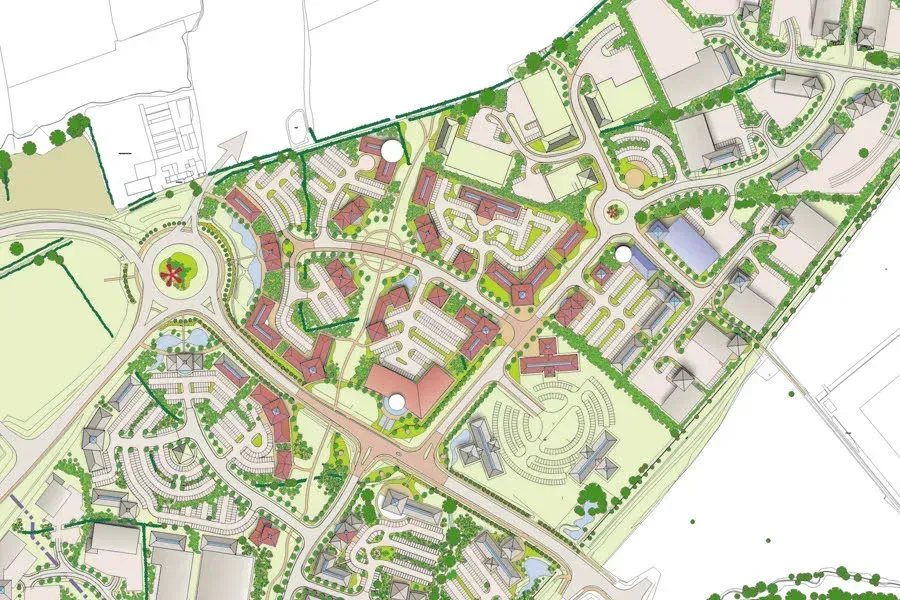
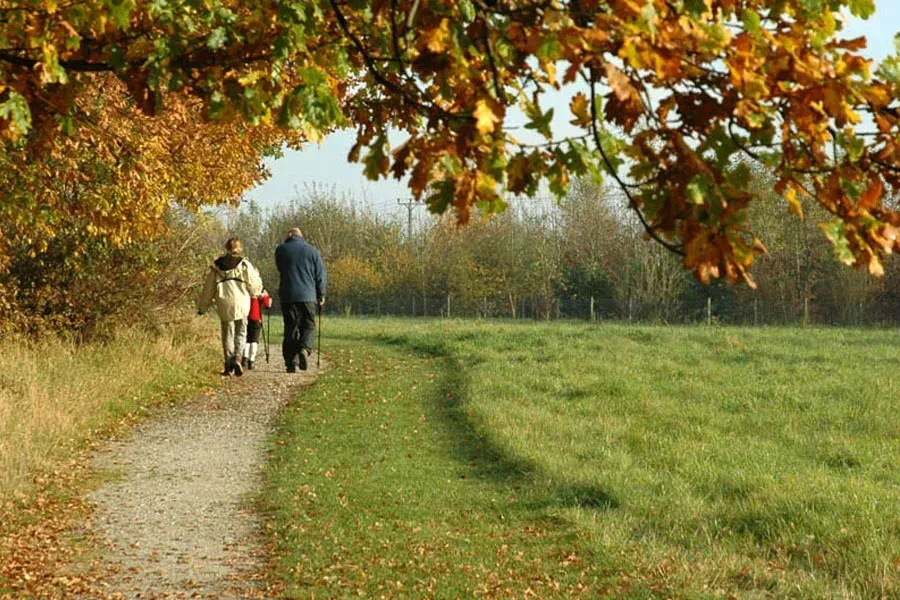
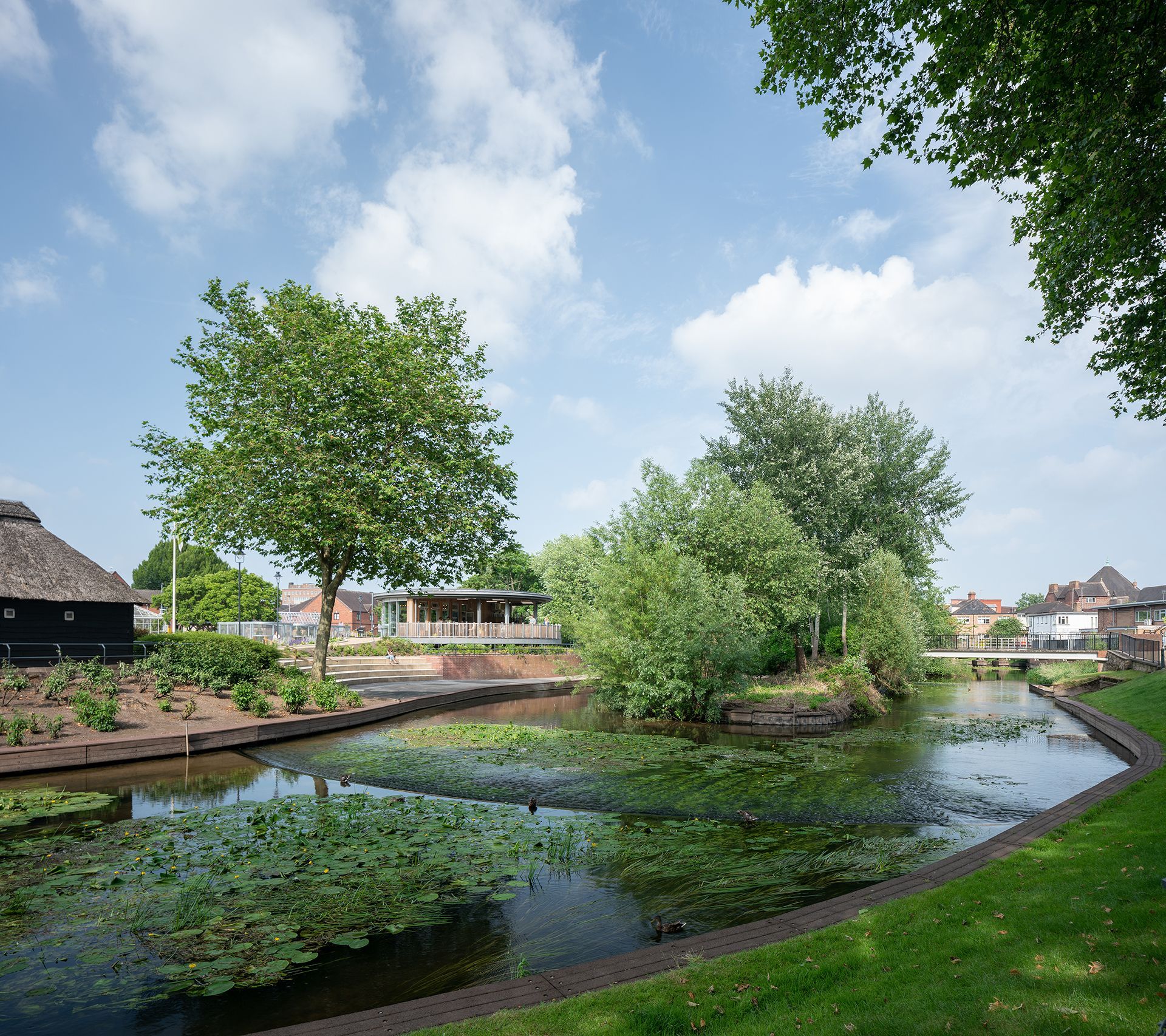
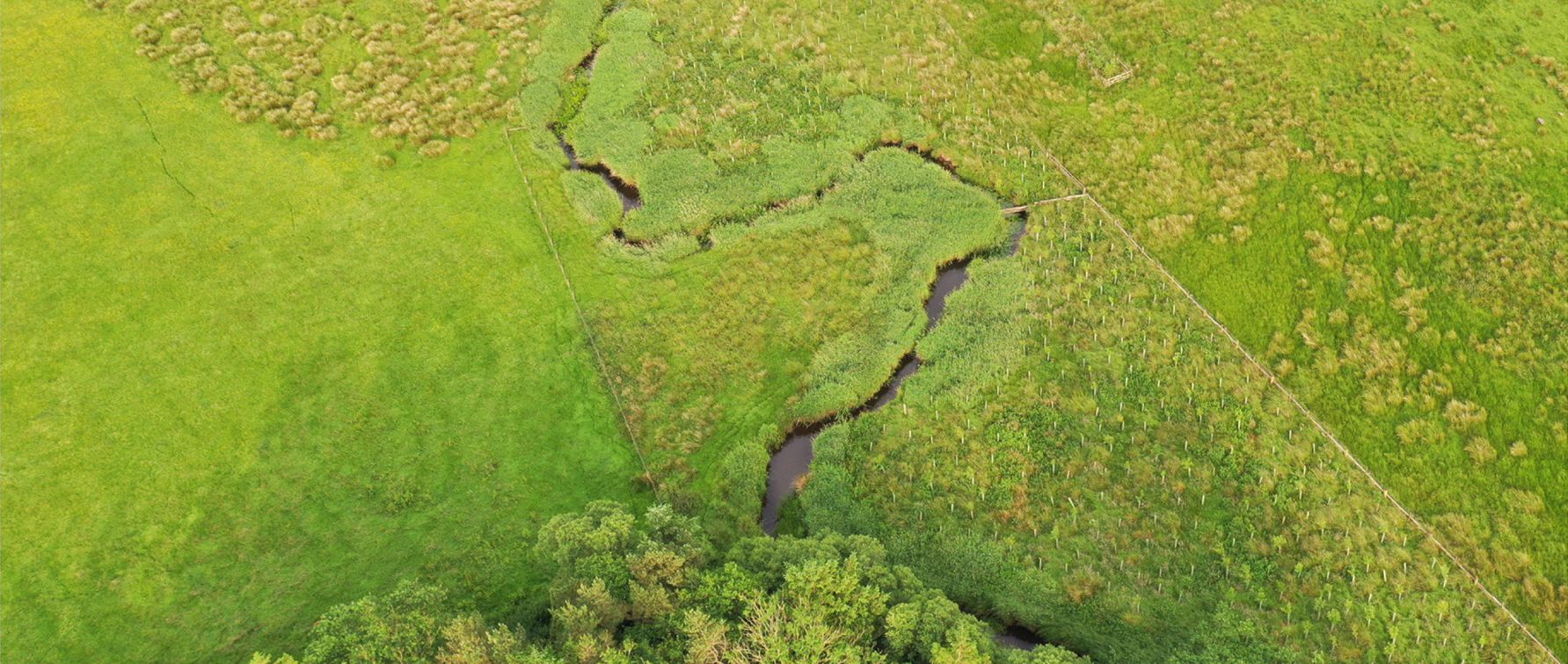
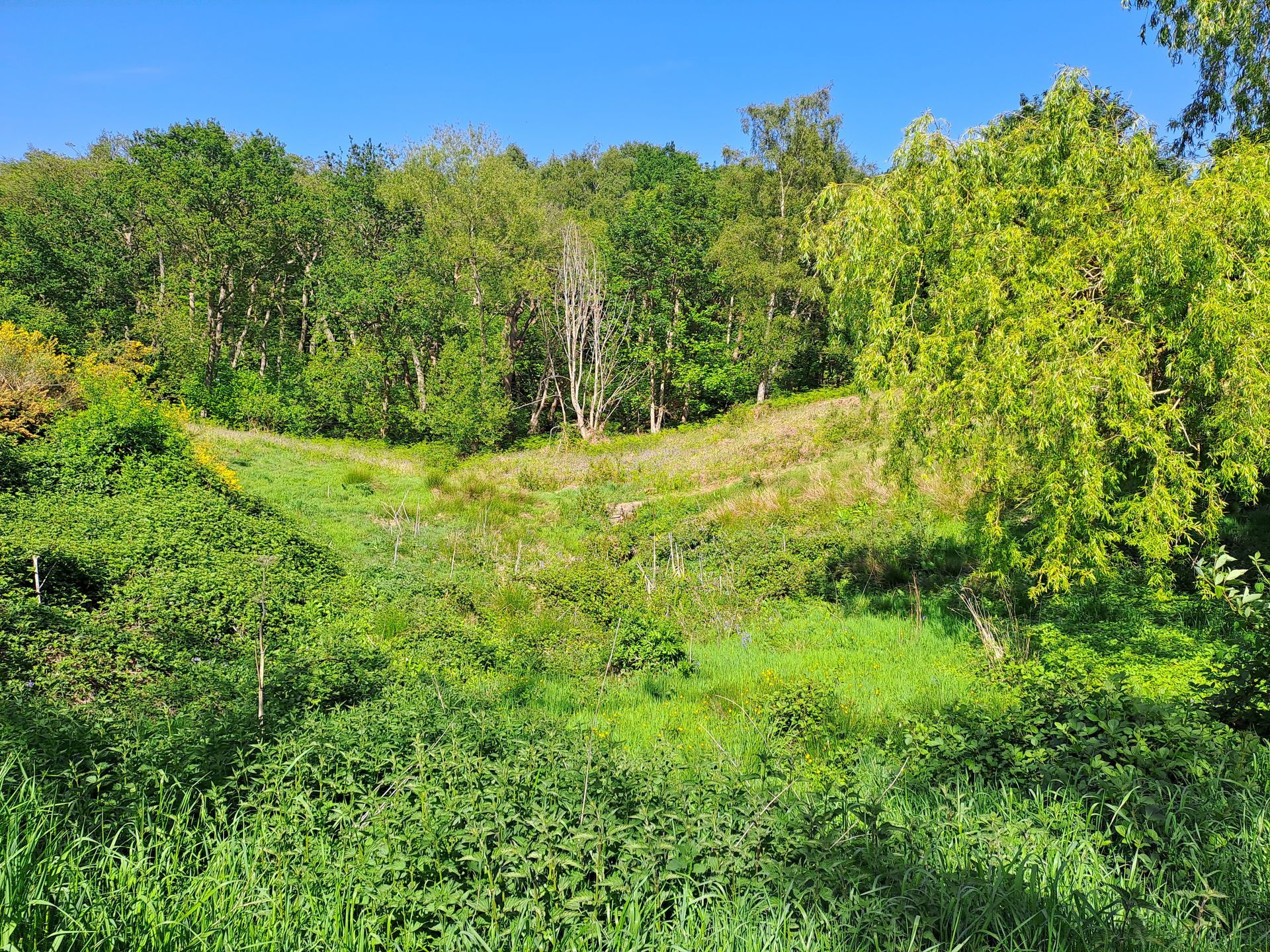
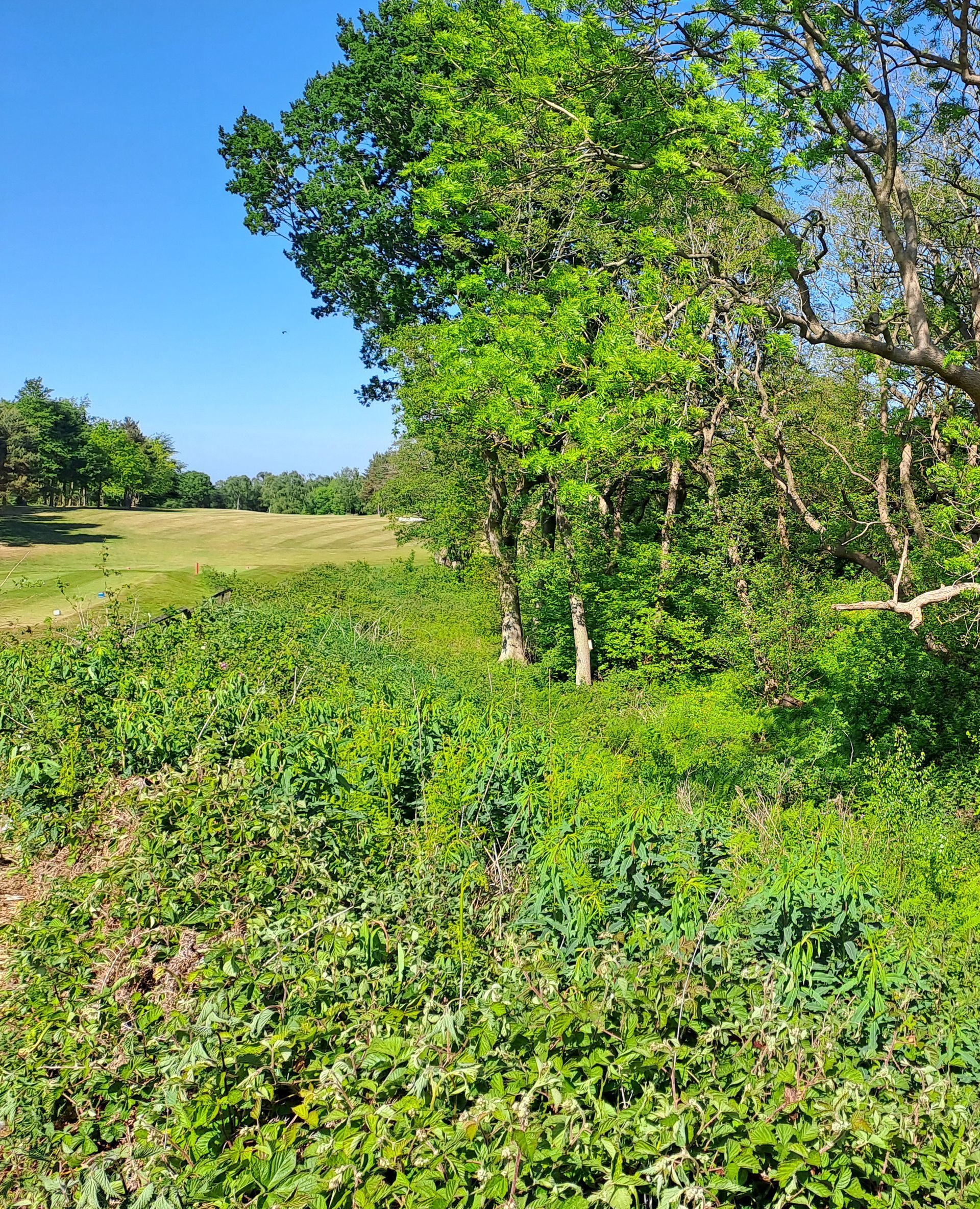
TEP supported Moor Allerton Golf Club in exploring the opportunity to establish a habitat bank across areas of land identified as surplus to operational requirements. As an active golf course, careful consideration was given to ensuring proposed habitat creation would not conflict with play or negatively affect member experience, while strengthening the Club’s long-term resilience.


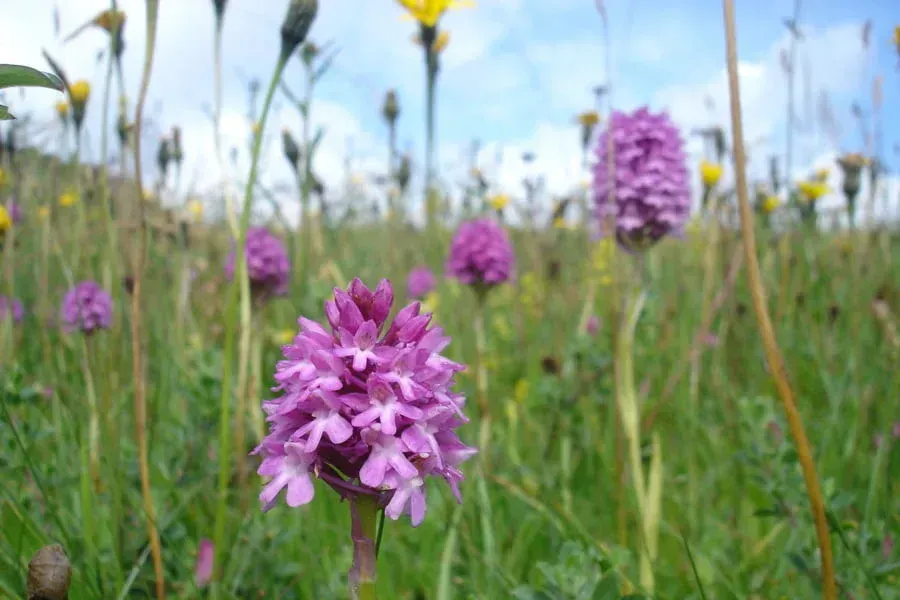
Following an agreed scope of work, we identified site constraints and prepared high-level habitat mapping before undertaking detailed UK Habitat Classification surveys to verify condition and establish a robust baseline using the biodiversity metric. While much of the opportunity lay within unmanaged areas of the course, the Club also considered the proactive decommissioning of selected playing surfaces, creating space for a diverse mosaic of habitats that would complement the wider landscape.


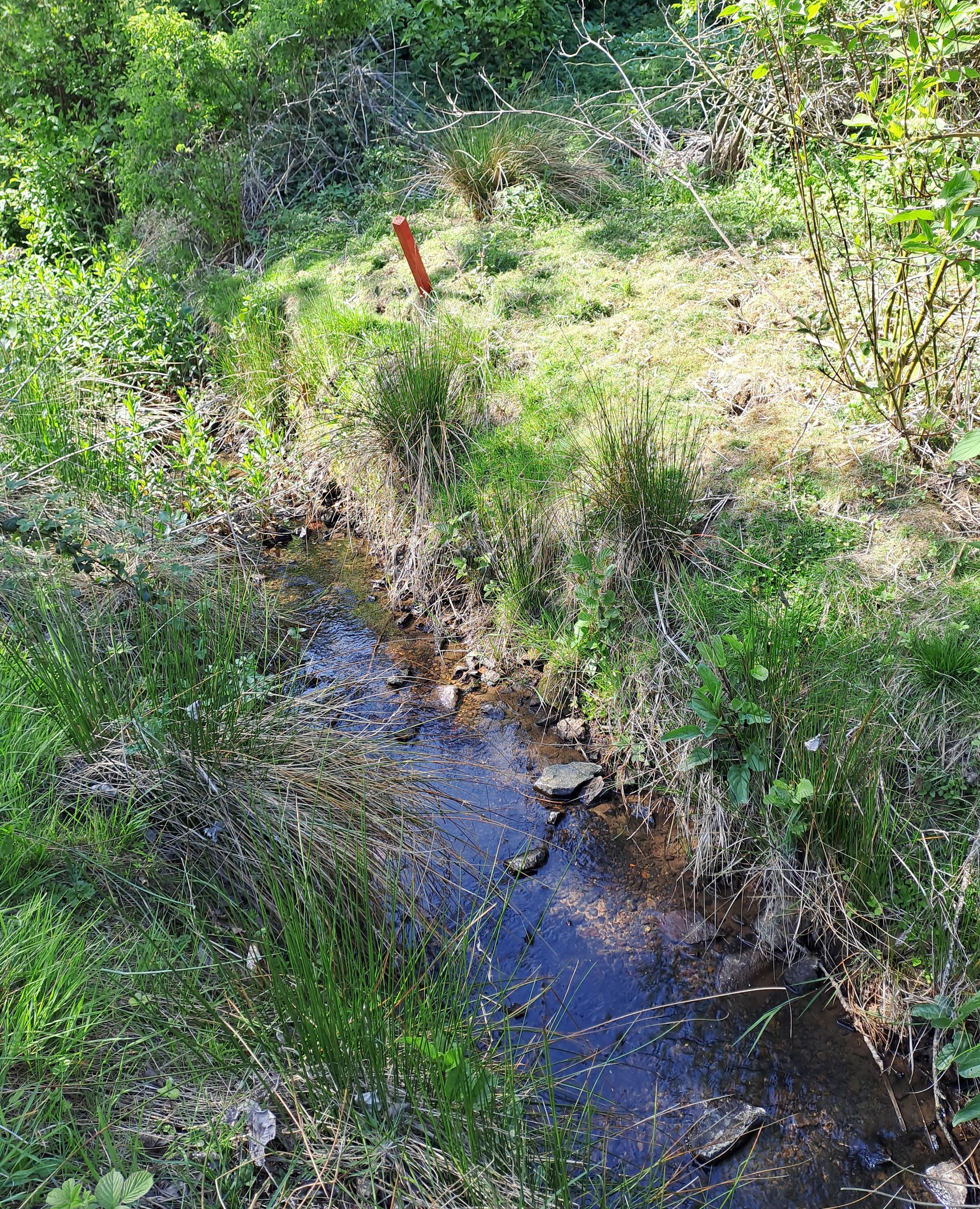
We carried out River Condition Assessments of watercourses crossing the site and identified targeted enhancements to improve ecological value while aligning with the Club’s wider ambitions for the landscape. All enhancement proposals were tested through metric recalculations to quantify biodiversity uplift and establish a portfolio of units suitable for the natural capital market.

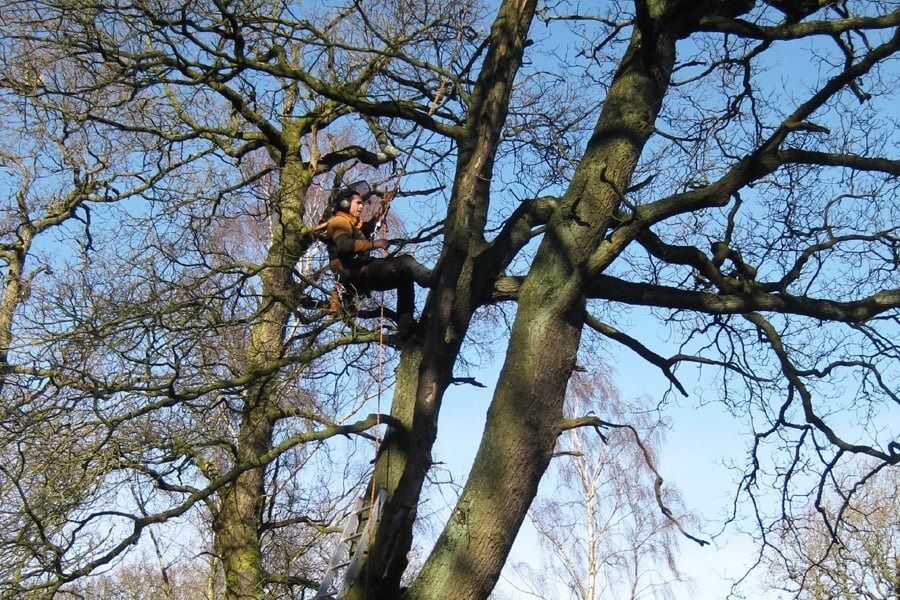
Long-term delivery was central to the strategy. Working closely with the Club’s professional Greenkeeping team, we explored future management responsibilities, resourcing implications and costings. This informed a detailed 30-year Habitat Management and Monitoring Plan, providing clarity, transparency and confidence in long-term stewardship.


Throughout the process, we maintained proactive engagement with the Local Planning Authority to ensure proposals aligned with local Biodiversity and Nature Recovery priorities. Legal agreements were secured to enable registration as a habitat bank, and we supported introductions to natural capital brokers to facilitate route-to-market discussions.


The result is a carefully considered, commercially viable habitat bank strategy, balancing recreation, ecological enhancement and long-term environmental responsibility.


25 June 2026
Well known Invasive-Non-Native Species (INNS) are widely understood, however the threat of new and emerging INNS across the UK is real.
25 June 2026
INNS compliance should be integrated into project planning at the earliest stage, as well as site management, and delivery. We discuss key measures for the management of floral INNS.
12 June 2026
On behalf of Cheshire East Council, TEP has secured consent for the expansion of the Environmental Services Hub site. The expansion will facilitate a weekly food waste collection service for every property in the borough, helping Cheshire East Council prepare for a new statutory requirement from central government due to come into force from 2026-2027. To achieve this, we prepared and managed three planning applications: A full application for 84 new employee parking spaces, a bin storage area and a security lodge; A non-material amendment application for the reconfiguration of the existing site layout; and A variation of condition application to increase the limit on vehicle movements. The project began with a pre-application advice request, followed by discussions with the local planning authority to confirm the applications and supporting information required for submission. A key element of the project was the preparation of a planning needs case. This justified the development remaining at the Environmental Services Hub site, rather than a 'preferred site' identified within the council's Waste Plan. The case also identified the benefits of increasing recycling rates and supporting sustainable waste management across the borough. To support the applications, traffic surveys were commissioned and a Transport Statement was prepared, demonstrating that the proposals would have no negative impact on the local highway network. A Transport Note was also produced to establish the number of vehicle movements that should be permitted through the variation of condition application. Air quality and noise assessments were also undertaken to demonstrate that impacts would be limited and acceptable. 
25 June 2026
Well known Invasive-Non-Native Species (INNS) are widely understood, however the threat of new and emerging INNS across the UK is real.
25 June 2026
INNS compliance should be integrated into project planning at the earliest stage, as well as site management, and delivery. We discuss key measures for the management of floral INNS.
25 June 2026
Well known Invasive-Non-Native Species (INNS) are widely understood, however the threat of new and emerging INNS across the UK is real.
25 June 2026
INNS compliance should be integrated into project planning at the earliest stage, as well as site management, and delivery. We discuss key measures for the management of floral INNS.
12 June 2026
On behalf of Cheshire East Council, TEP has secured consent for the expansion of the Environmental Services Hub site. The expansion will facilitate a weekly food waste collection service for every property in the borough, helping Cheshire East Council prepare for a new statutory requirement from central government due to come into force from 2026-2027. To achieve this, we prepared and managed three planning applications: A full application for 84 new employee parking spaces, a bin storage area and a security lodge; A non-material amendment application for the reconfiguration of the existing site layout; and A variation of condition application to increase the limit on vehicle movements. The project began with a pre-application advice request, followed by discussions with the local planning authority to confirm the applications and supporting information required for submission. A key element of the project was the preparation of a planning needs case. This justified the development remaining at the Environmental Services Hub site, rather than a 'preferred site' identified within the council's Waste Plan. The case also identified the benefits of increasing recycling rates and supporting sustainable waste management across the borough. To support the applications, traffic surveys were commissioned and a Transport Statement was prepared, demonstrating that the proposals would have no negative impact on the local highway network. A Transport Note was also produced to establish the number of vehicle movements that should be permitted through the variation of condition application. Air quality and noise assessments were also undertaken to demonstrate that impacts would be limited and acceptable.