
Understanding Chalk Grassland and Scrub at The Seven Sisters National Nature Reserve

Understanding Chalk Grassland and Scrub at The Seven Sisters National Nature Reserve

Understanding Chalk Grassland and Scrub at The Seven Sisters National Nature Reserve
30 March 2026

A Landscape of Global Importance

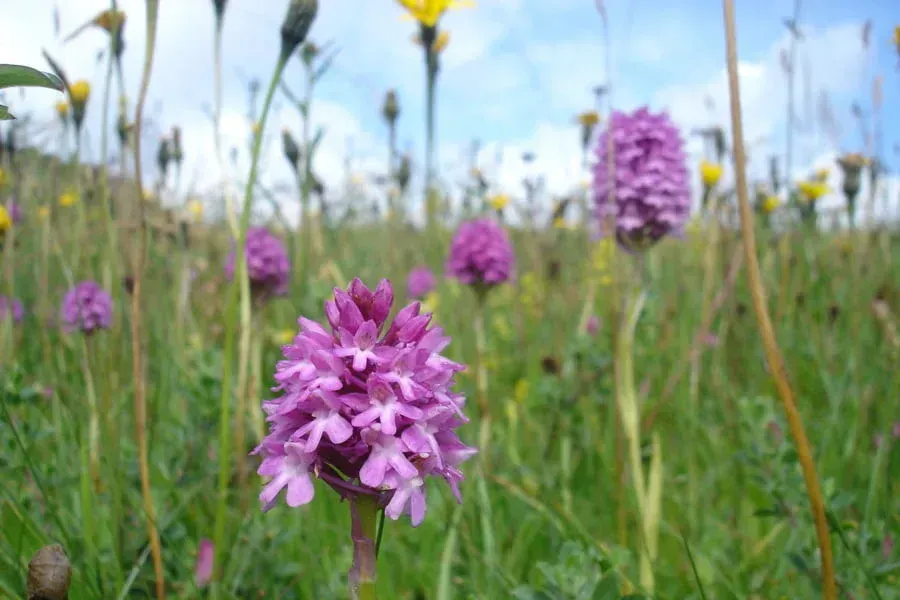
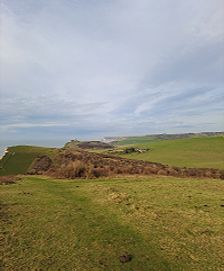
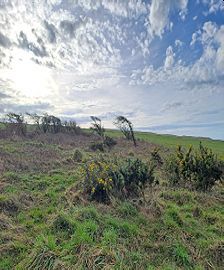
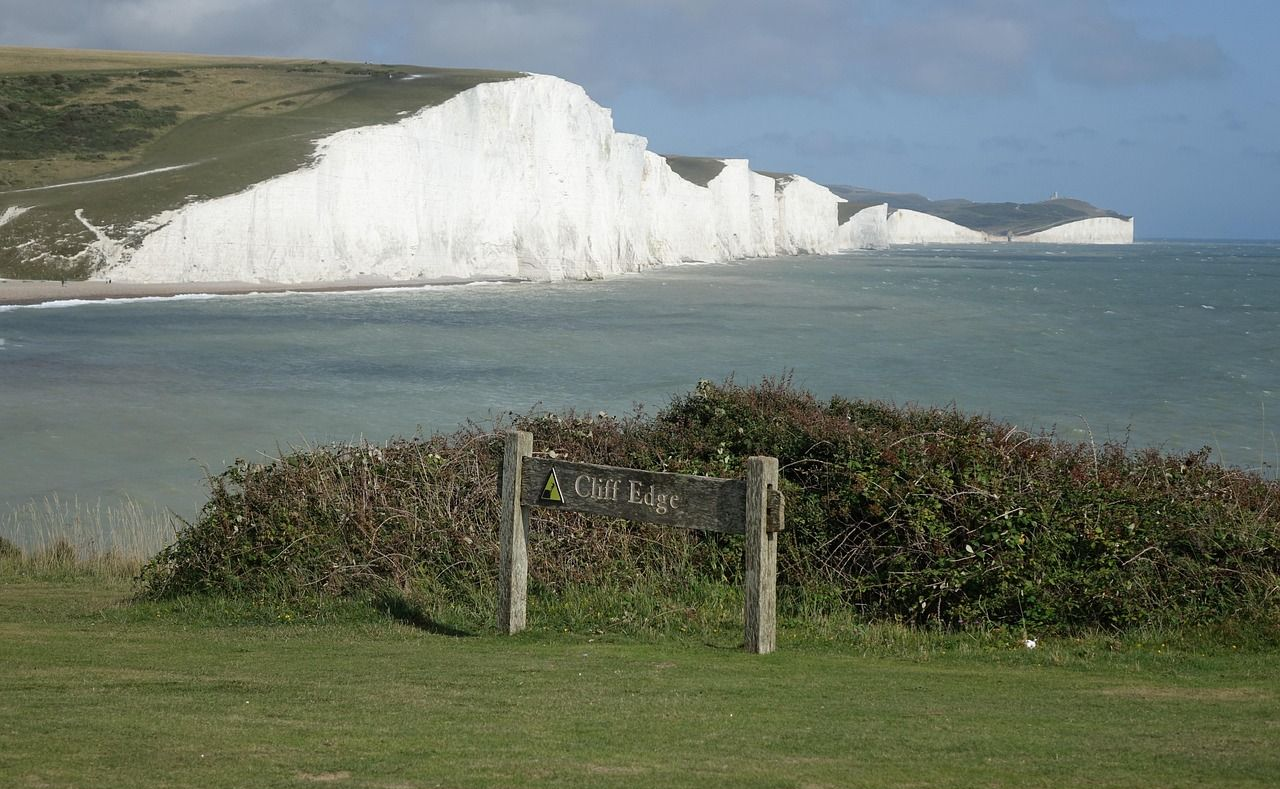
The iconic Seven Sisters cliffs in East Sussex have recently been formally declared England’s newest National Nature Reserve (NNR). Covering 1,500 hectares, the area includes chalk grasslands, heathland, and floodplain meadows - habitats that support rare and specialist species including chalkhill blue butterflies, bee orchids, and skylarks.


TEP’s Chalk Scrub Study


In 2024, TEP was commissioned by Natural England to carry out a detailed chalk scrub study across the NNR. Our team combined a literature review of previous research with field mapping of scrub habitats to understand the value of different areas for chalk grassland specialists.


This approach provided insight into:


  • The extent and condition of scrub habitats;
  • Their role in supporting key species;
  • How future management could maintain and enhance ecological value.

Informing Conservation and Restoration


Our findings provided an evidence base to inform site management and habitat restoration opportunities, ensuring interventions such as targeted scrub control and biodiversity enhancement could be delivered without impacting the NNR’s historic and ecological character. This enabled Natural England to take forward measures that protect and restore one of England’s most treasured landscapes.


Part of the King’s Series of National Nature Reserves


The Seven Sisters NNR forms part of the King’s Series, a programme aiming to create or extend 25 National Nature Reserves by 2028. This designation ensures the area will continue to be protected and restored, providing habitat for wildlife while offering space for people to enjoy nature.

25 June 2026
Well known Invasive-Non-Native Species (INNS) are widely understood, however the threat of new and emerging INNS across the UK is real.
25 June 2026
INNS compliance should be integrated into project planning at the earliest stage, as well as site management, and delivery. We discuss key measures for the management of floral INNS.
12 June 2026
On behalf of Cheshire East Council, TEP has secured consent for the expansion of the Environmental Services Hub site. The expansion will facilitate a weekly food waste collection service for every property in the borough, helping Cheshire East Council prepare for a new statutory requirement from central government due to come into force from 2026-2027. To achieve this, we prepared and managed three planning applications: A full application for 84 new employee parking spaces, a bin storage area and a security lodge; A non-material amendment application for the reconfiguration of the existing site layout; and A variation of condition application to increase the limit on vehicle movements. The project began with a pre-application advice request, followed by discussions with the local planning authority to confirm the applications and supporting information required for submission. A key element of the project was the preparation of a planning needs case. This justified the development remaining at the Environmental Services Hub site, rather than a 'preferred site' identified within the council's Waste Plan. The case also identified the benefits of increasing recycling rates and supporting sustainable waste management across the borough. To support the applications, traffic surveys were commissioned and a Transport Statement was prepared, demonstrating that the proposals would have no negative impact on the local highway network. A Transport Note was also produced to establish the number of vehicle movements that should be permitted through the variation of condition application. Air quality and noise assessments were also undertaken to demonstrate that impacts would be limited and acceptable. 
25 June 2026
Well known Invasive-Non-Native Species (INNS) are widely understood, however the threat of new and emerging INNS across the UK is real.
25 June 2026
INNS compliance should be integrated into project planning at the earliest stage, as well as site management, and delivery. We discuss key measures for the management of floral INNS.
25 June 2026
Well known Invasive-Non-Native Species (INNS) are widely understood, however the threat of new and emerging INNS across the UK is real.
25 June 2026
INNS compliance should be integrated into project planning at the earliest stage, as well as site management, and delivery. We discuss key measures for the management of floral INNS.
12 June 2026
On behalf of Cheshire East Council, TEP has secured consent for the expansion of the Environmental Services Hub site. The expansion will facilitate a weekly food waste collection service for every property in the borough, helping Cheshire East Council prepare for a new statutory requirement from central government due to come into force from 2026-2027. To achieve this, we prepared and managed three planning applications: A full application for 84 new employee parking spaces, a bin storage area and a security lodge; A non-material amendment application for the reconfiguration of the existing site layout; and A variation of condition application to increase the limit on vehicle movements. The project began with a pre-application advice request, followed by discussions with the local planning authority to confirm the applications and supporting information required for submission. A key element of the project was the preparation of a planning needs case. This justified the development remaining at the Environmental Services Hub site, rather than a 'preferred site' identified within the council's Waste Plan. The case also identified the benefits of increasing recycling rates and supporting sustainable waste management across the borough. To support the applications, traffic surveys were commissioned and a Transport Statement was prepared, demonstrating that the proposals would have no negative impact on the local highway network. A Transport Note was also produced to establish the number of vehicle movements that should be permitted through the variation of condition application. Air quality and noise assessments were also undertaken to demonstrate that impacts would be limited and acceptable.