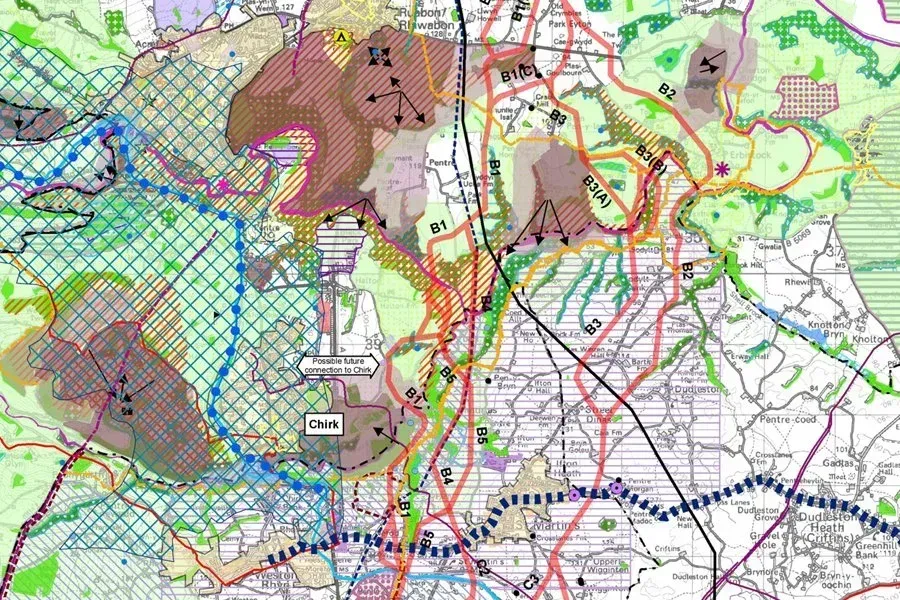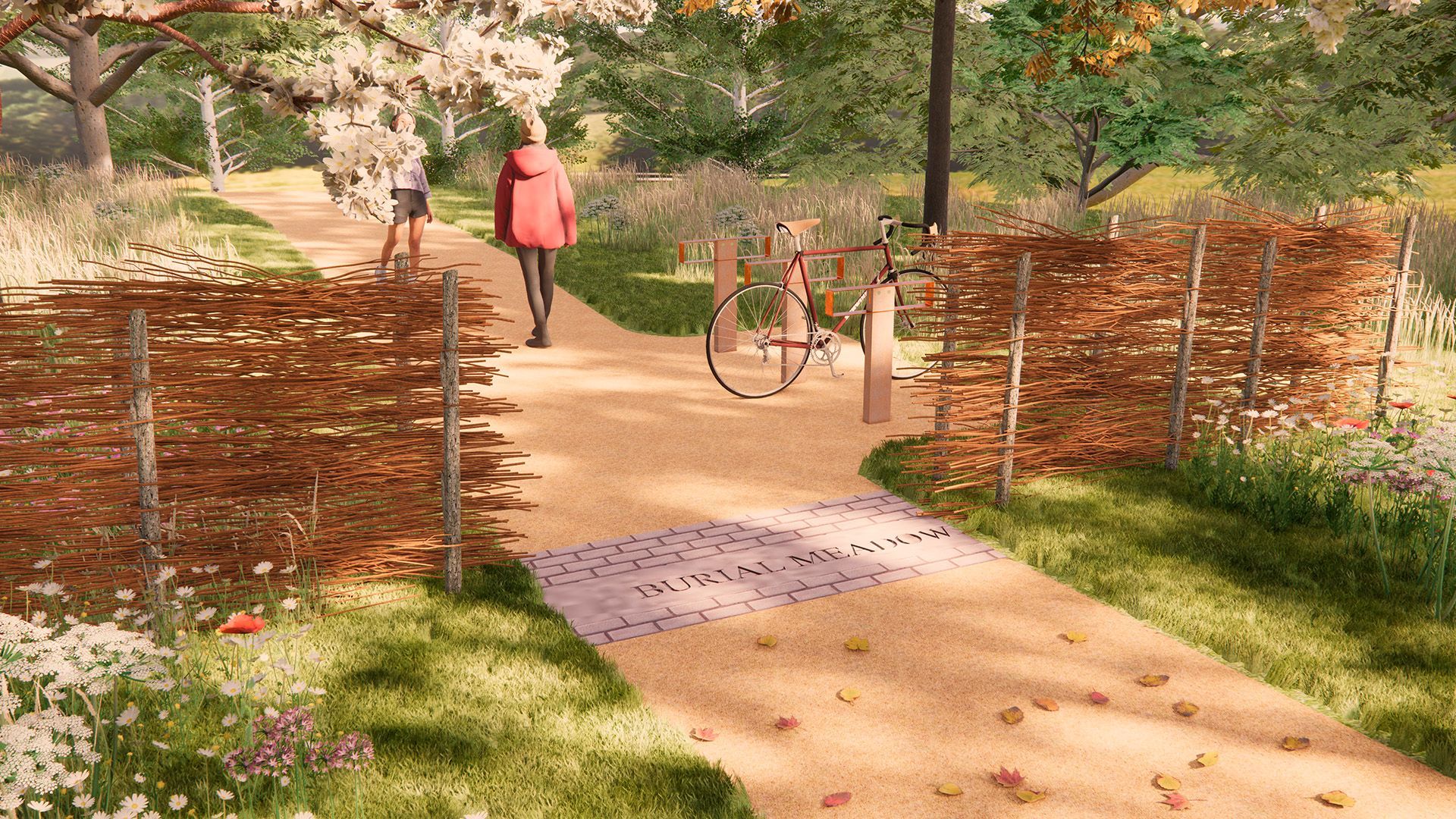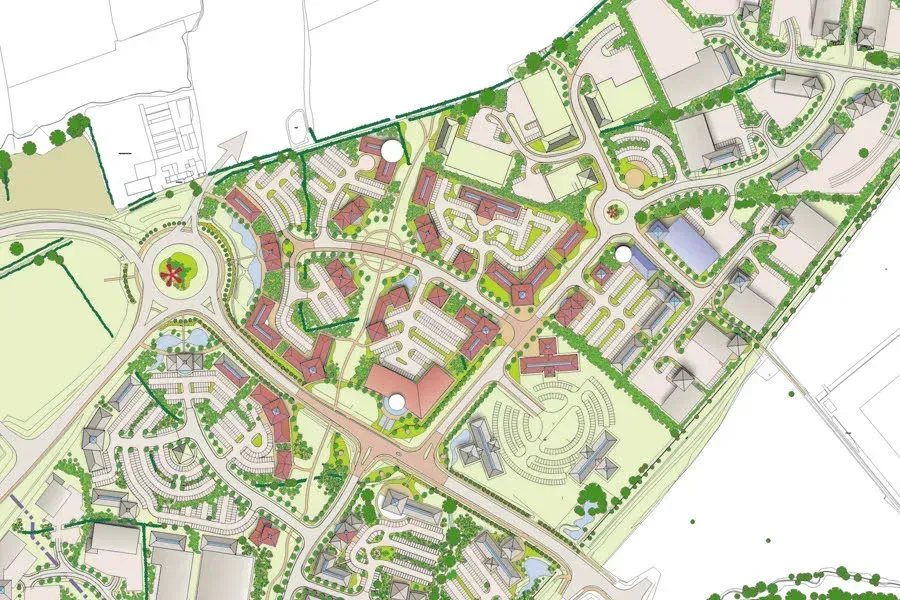

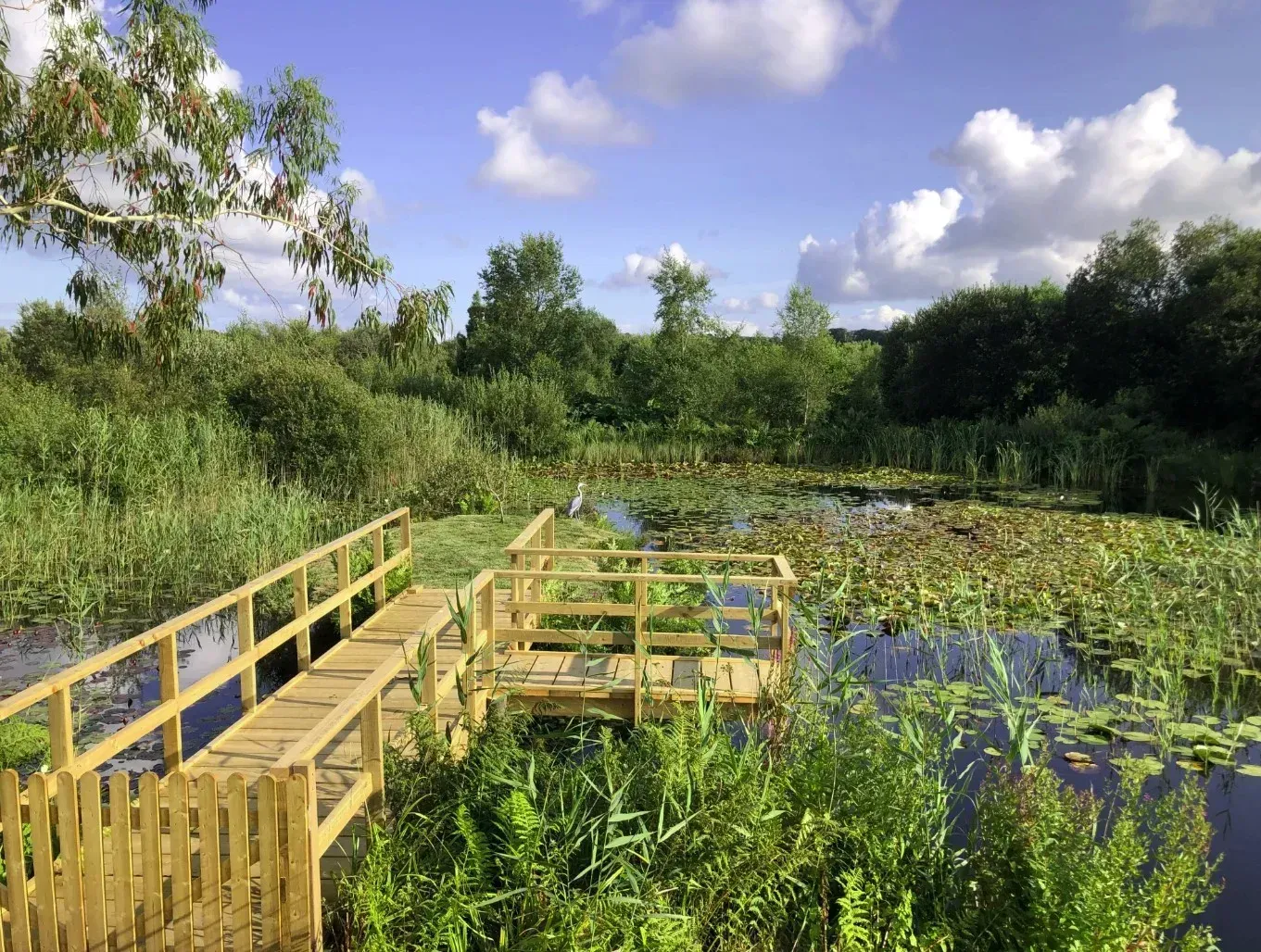
Congratulations Amy and Stephen!

Congratulations Amy and Stephen!

Congratulations Amy and Stephen!
21 June 2024

Congratulations to Amy Lee and Stephen O’Gorman on becoming Chartered Members of the Landscape Institute (CMLI) after successfully passing their Pathway to Chartership examination.

Achieving chartered status is a significant accomplishment, reflecting years of hard work, dedication, and continuous learning to attain this globally recognised qualification. Amy and Stephen were supported by their respective mentors, Charlotte Hayden and Richard Catling, who generously dedicated many hours of their own time to guide and mentor them.

Landscape Consultant Amy joined TEP after earning her Master’s in Landscape Architecture from The University of Sheffield. Since joining TEP, Amy has contributed to a variety of multi-disciplinary projects, utilising her diverse knowledge and expertise in landscape design and management. She also volunteers as a Green Flag judge. and has experience working with a number of environmental charities.

“I am very pleased to have achieved Chartered status and grateful for the continued support from my mentors and colleagues at TEP.”

Amy Lee

Stephen is a Consultant Landscape Architect and 3D Visualiser at TEP, holding a degree in Landscape Architecture from University College Dublin. He provides landscape and masterplanning support to the design team and specialises in producing verified photomontages that are used in environmental impact assessments, consultations, and public inquiries for a diverse range of projects. Stephen’s portfolio includes experience in masterplanning as well as landscape design for projects such as schools, residential, mixed use, employment, energy, and infrastructure developments.

“I am delighted to become a Chartered Member of the Landscape Institute, marking a significant milestone in my career. Being part of a multidisciplinary company like TEP has greatly enhanced my professional skills. Thank you to my mentor and colleagues for their fantastic support on this journey!”

Stephen O’Gorman

Well done Amy and Stephen on this outstanding achievement – truly well deserved!

20 May 2026
Explore what the Energy Independence Bill could mean for renewable energy, planning reform and UK infrastructure projects.
19 May 2026
If you are planning a development, managing land, or need advice on great crested newts or other protected species, contact us today.
22 April 2026
Delivering major infrastructure in sensitive environments requires a coordinated approach, bringing together a range of expertise to understand place, manage risk and support informed decision-making. Our work on the North Hykeham Relief Road (NHRR) in Lincolnshire is a strong example of this in practice, with teams from across TEP working together to support the delivery of this long-planned scheme. A long-planned piece of infrastructure The NHRR forms the final section of Lincoln’s ring road, a scheme that has been identified in Local Plans for around twenty years. As the project progressed, it required careful consideration of environmental constraints, historic assets and landscape character, alongside the practicalities of delivering a major new road. Working alongside Balfour Beatty and the wider project team, we provided a range of services spanning heritage and archaeology, planning, landscape, ecology and arboriculture. A coordinated programme of assessment and support underpinned the development of the scheme. Our Historic Environment team established the baseline through desk-based assessment, consultation and phased archaeological evaluation. This work identified areas of interest including sites of prehistoric activity, the important Roman road of Ermine Street, and a potential Roman villa complex, providing valuable insight into the long-term history of the site. These findings directly informed the design process, helping to shape the scheme in response to the site’s archaeological and historical context. The team also assessed potential impacts on sensitive heritage assets, including listed buildings and conservation areas, ensuring that the historic environment was fully considered as the project evolved.
20 May 2026
Explore what the Energy Independence Bill could mean for renewable energy, planning reform and UK infrastructure projects.
19 May 2026
If you are planning a development, managing land, or need advice on great crested newts or other protected species, contact us today.
20 May 2026
Explore what the Energy Independence Bill could mean for renewable energy, planning reform and UK infrastructure projects.
19 May 2026
If you are planning a development, managing land, or need advice on great crested newts or other protected species, contact us today.
22 April 2026
Delivering major infrastructure in sensitive environments requires a coordinated approach, bringing together a range of expertise to understand place, manage risk and support informed decision-making. Our work on the North Hykeham Relief Road (NHRR) in Lincolnshire is a strong example of this in practice, with teams from across TEP working together to support the delivery of this long-planned scheme. A long-planned piece of infrastructure The NHRR forms the final section of Lincoln’s ring road, a scheme that has been identified in Local Plans for around twenty years. As the project progressed, it required careful consideration of environmental constraints, historic assets and landscape character, alongside the practicalities of delivering a major new road. Working alongside Balfour Beatty and the wider project team, we provided a range of services spanning heritage and archaeology, planning, landscape, ecology and arboriculture. A coordinated programme of assessment and support underpinned the development of the scheme. Our Historic Environment team established the baseline through desk-based assessment, consultation and phased archaeological evaluation. This work identified areas of interest including sites of prehistoric activity, the important Roman road of Ermine Street, and a potential Roman villa complex, providing valuable insight into the long-term history of the site. These findings directly informed the design process, helping to shape the scheme in response to the site’s archaeological and historical context. The team also assessed potential impacts on sensitive heritage assets, including listed buildings and conservation areas, ensuring that the historic environment was fully considered as the project evolved.