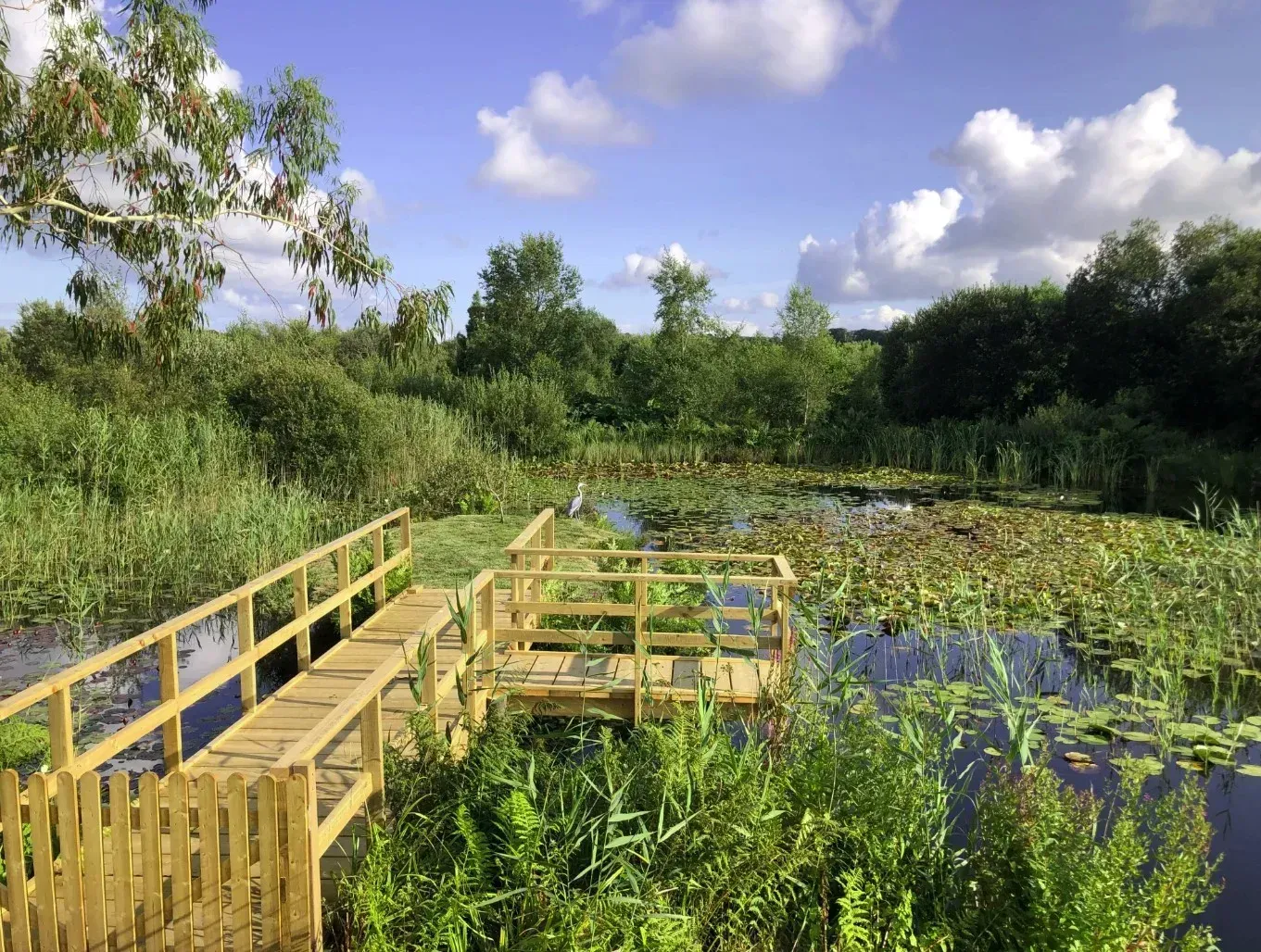
Tree Management at Crystal Palace Park

Tree Management at Crystal Palace Park

Tree Management at Crystal Palace Park
7 May 2024

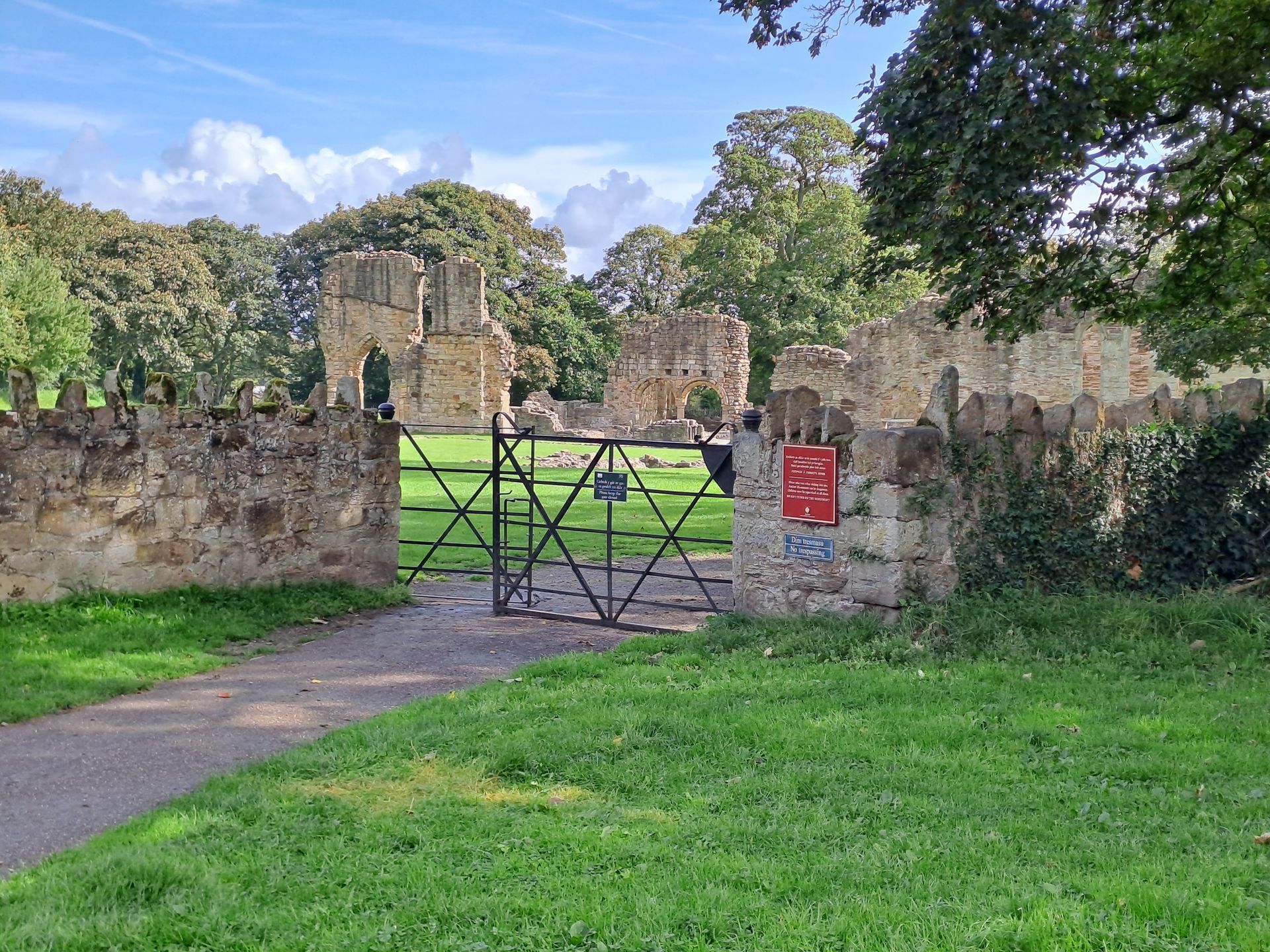
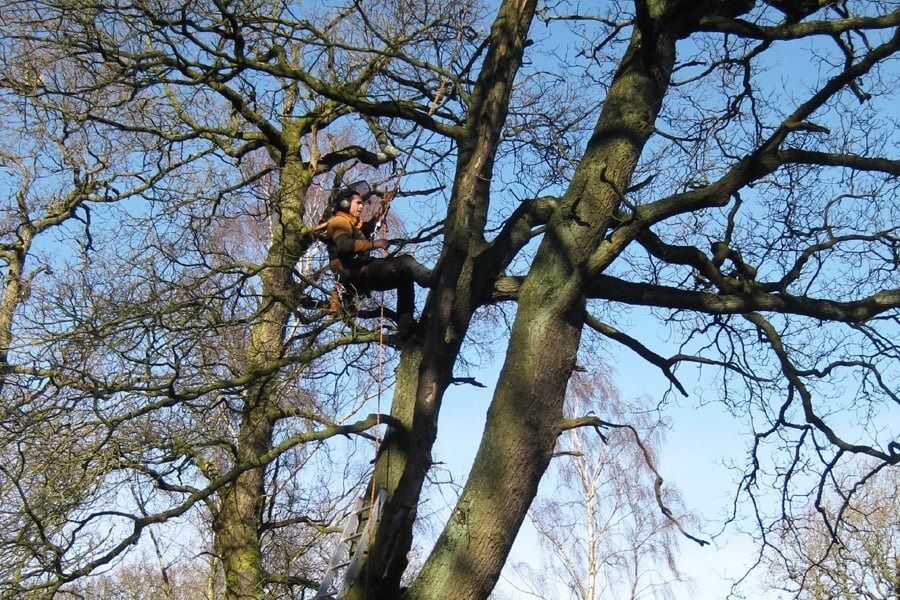
TEP’s Arboriculture team is collaborating with the Crystal Palace Park Trust to conduct detailed assessments and effectively oversee the maintenance of the park’s tree population.

Since taking over park management from Bromley council in 2023, the Trust has been dedicated to safeguarding, enhancing, and enriching the park’s status as a vibrant hub for the community and all park visitors. Their overarching goal is to elevate Crystal Palace Park into a premier London destination, all the while preserving and sharing its rich historical narrative with the wider nation.

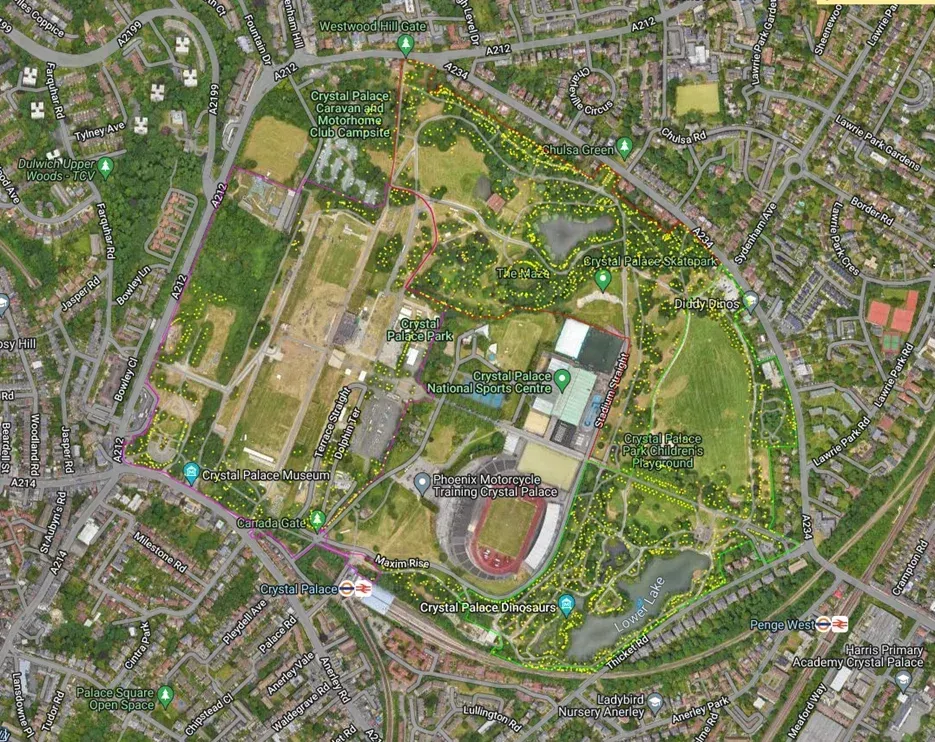
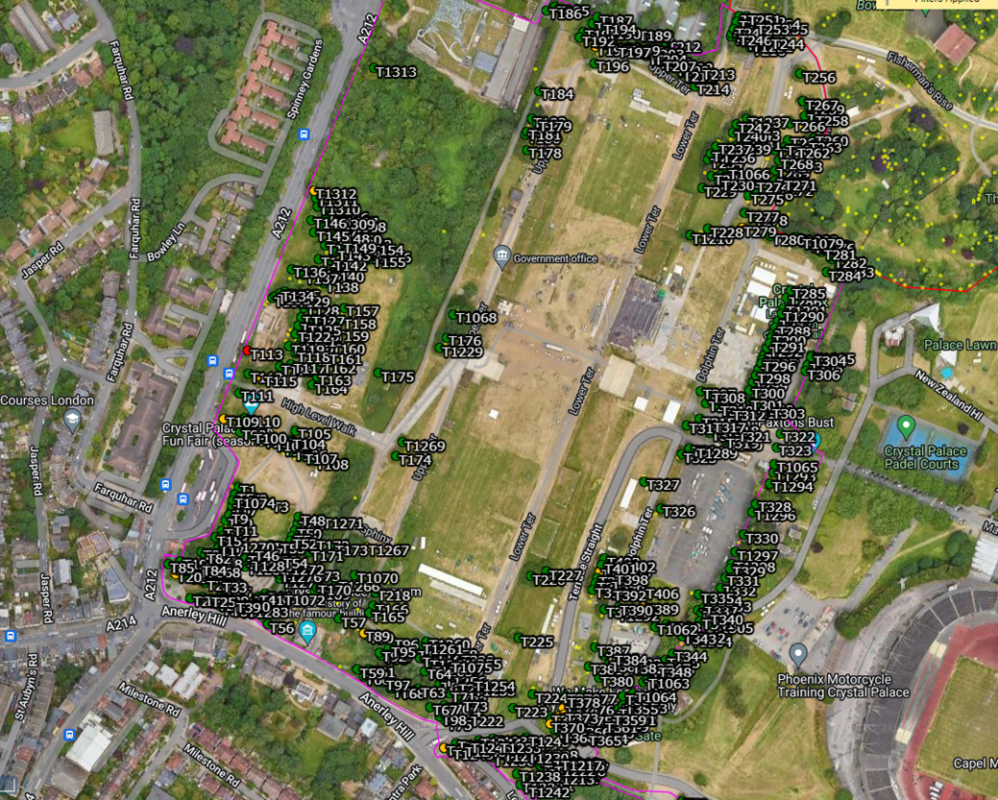
We recently completed Phase 2 of a three-year contract that will see all the park’s trees inspected twice during different seasons.  This approach allows better visibility of both structural and foliar condition, as well as a greater likelihood of identifying any fungal associations that may be missed in the warmer months.  So far, we have mapped and inspected 1,370 trees and 58 groups of trees identifying over 250 interventions, ranging from ivy severance to aid tree heath or future inspections, to the emergency removal of trees at risk of immediate collapse due to structural defects only observable to the trained eye.

During the work, TEP and the Trust are continuing to harness the innovative capabilities of PlanIT Geo’s Tree Plotter software and the unique Risk Module developed in collaboration with, and exclusively for, TEP in 2018.  Offering a robust online platform, all the survey data is accessed digitally, allowing the Trust to view the survey results in real-time on any web-enabled device and share information with contractors and stakeholders via read-only login accounts.

If you would like more information about TEP’s tree risk assessment capabilities or the Tree Plotter platform, please get in touch with our Arboricultural team lead here.

25 June 2026
Well known Invasive-Non-Native Species (INNS) are widely understood, however the threat of new and emerging INNS across the UK is real.
25 June 2026
INNS compliance should be integrated into project planning at the earliest stage, as well as site management, and delivery. We discuss key measures for the management of floral INNS.
12 June 2026
On behalf of Cheshire East Council, TEP has secured consent for the expansion of the Environmental Services Hub site. The expansion will facilitate a weekly food waste collection service for every property in the borough, helping Cheshire East Council prepare for a new statutory requirement from central government due to come into force from 2026-2027. To achieve this, we prepared and managed three planning applications: A full application for 84 new employee parking spaces, a bin storage area and a security lodge; A non-material amendment application for the reconfiguration of the existing site layout; and A variation of condition application to increase the limit on vehicle movements. The project began with a pre-application advice request, followed by discussions with the local planning authority to confirm the applications and supporting information required for submission. A key element of the project was the preparation of a planning needs case. This justified the development remaining at the Environmental Services Hub site, rather than a 'preferred site' identified within the council's Waste Plan. The case also identified the benefits of increasing recycling rates and supporting sustainable waste management across the borough. To support the applications, traffic surveys were commissioned and a Transport Statement was prepared, demonstrating that the proposals would have no negative impact on the local highway network. A Transport Note was also produced to establish the number of vehicle movements that should be permitted through the variation of condition application. Air quality and noise assessments were also undertaken to demonstrate that impacts would be limited and acceptable. 
25 June 2026
Well known Invasive-Non-Native Species (INNS) are widely understood, however the threat of new and emerging INNS across the UK is real.
25 June 2026
INNS compliance should be integrated into project planning at the earliest stage, as well as site management, and delivery. We discuss key measures for the management of floral INNS.
25 June 2026
Well known Invasive-Non-Native Species (INNS) are widely understood, however the threat of new and emerging INNS across the UK is real.
25 June 2026
INNS compliance should be integrated into project planning at the earliest stage, as well as site management, and delivery. We discuss key measures for the management of floral INNS.
12 June 2026
On behalf of Cheshire East Council, TEP has secured consent for the expansion of the Environmental Services Hub site. The expansion will facilitate a weekly food waste collection service for every property in the borough, helping Cheshire East Council prepare for a new statutory requirement from central government due to come into force from 2026-2027. To achieve this, we prepared and managed three planning applications: A full application for 84 new employee parking spaces, a bin storage area and a security lodge; A non-material amendment application for the reconfiguration of the existing site layout; and A variation of condition application to increase the limit on vehicle movements. The project began with a pre-application advice request, followed by discussions with the local planning authority to confirm the applications and supporting information required for submission. A key element of the project was the preparation of a planning needs case. This justified the development remaining at the Environmental Services Hub site, rather than a 'preferred site' identified within the council's Waste Plan. The case also identified the benefits of increasing recycling rates and supporting sustainable waste management across the borough. To support the applications, traffic surveys were commissioned and a Transport Statement was prepared, demonstrating that the proposals would have no negative impact on the local highway network. A Transport Note was also produced to establish the number of vehicle movements that should be permitted through the variation of condition application. Air quality and noise assessments were also undertaken to demonstrate that impacts would be limited and acceptable.