Farm Advice for the Wye Valley National Landscape

Farm Advice for the Wye Valley National Landscape

Farm Advice for the Wye Valley National Landscape
15 December 2023

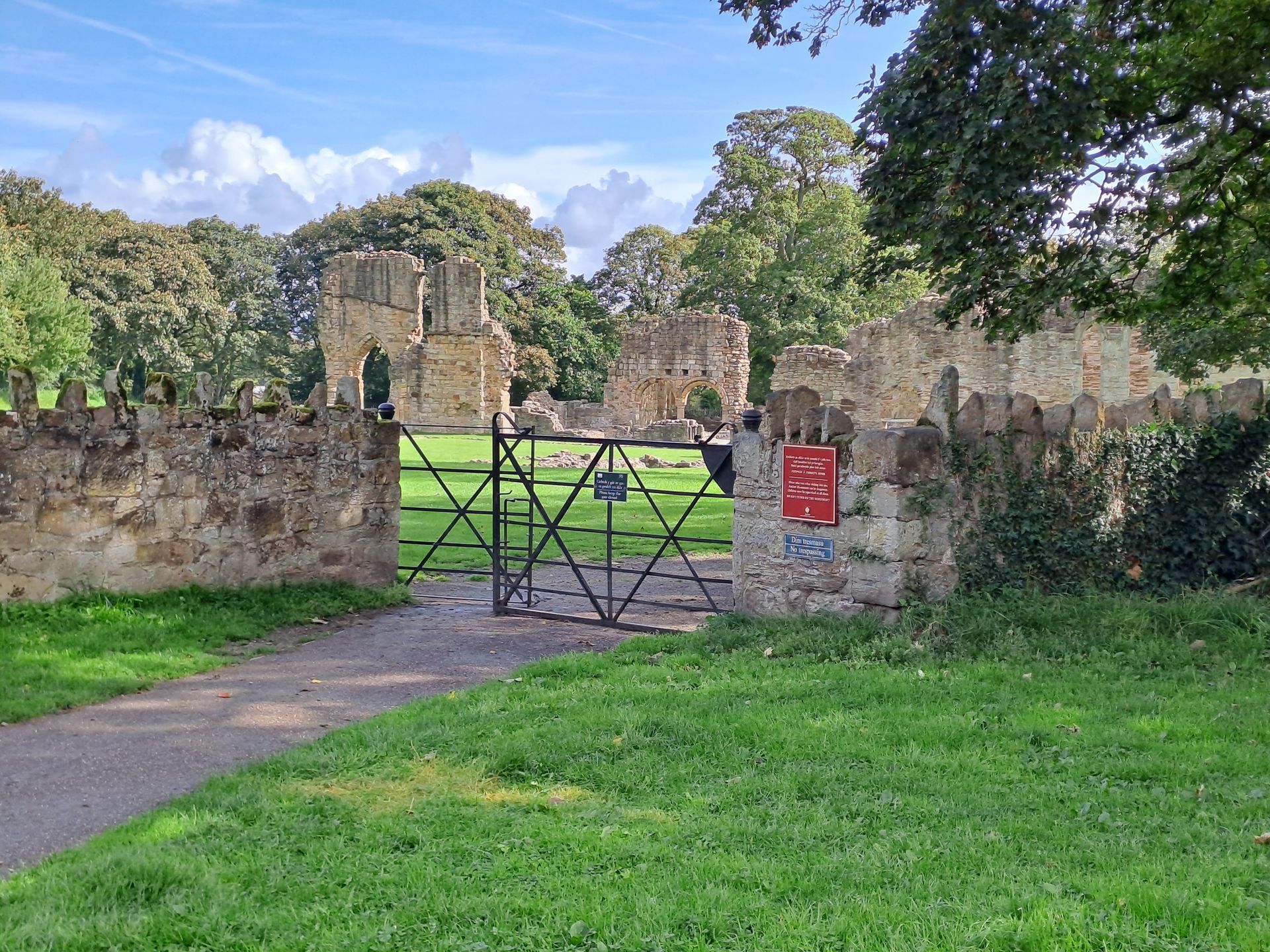
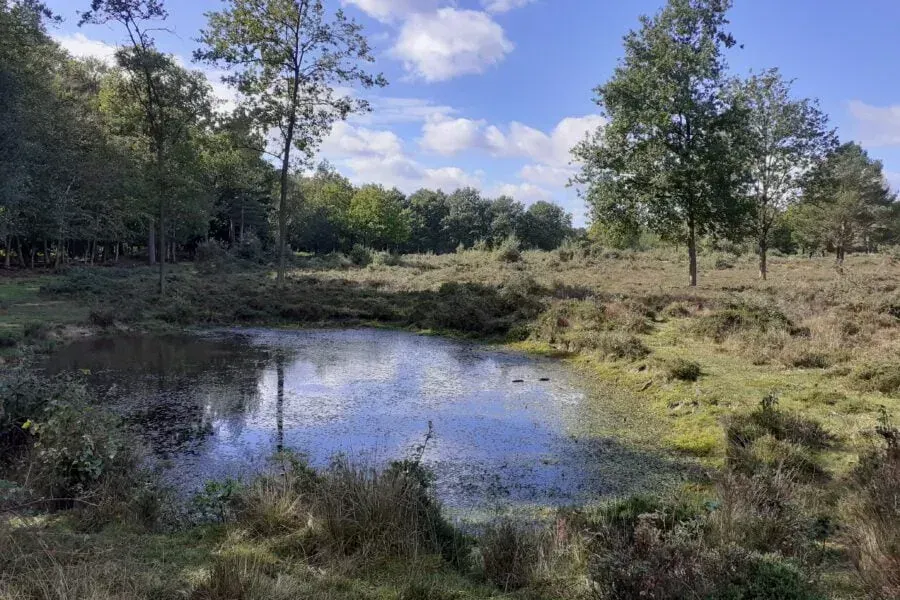
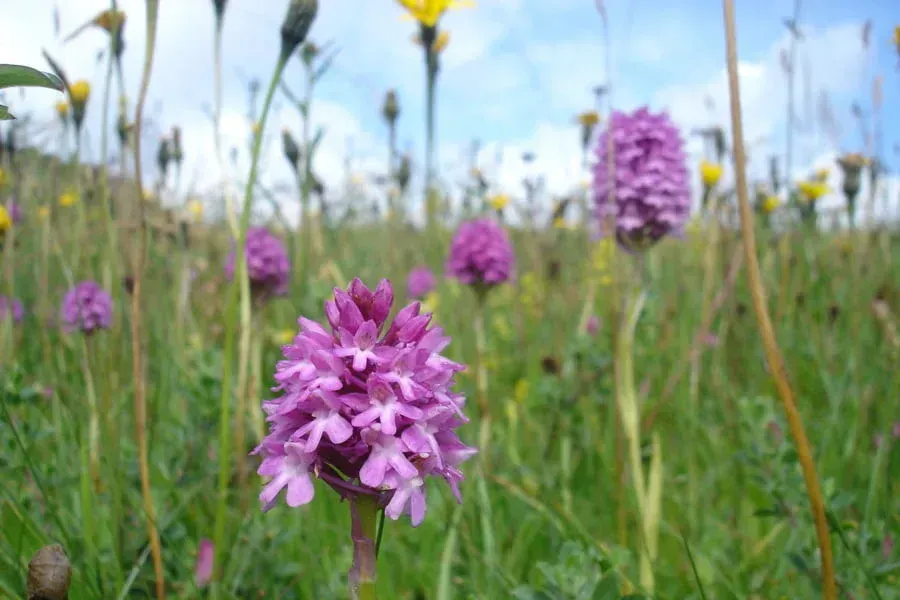
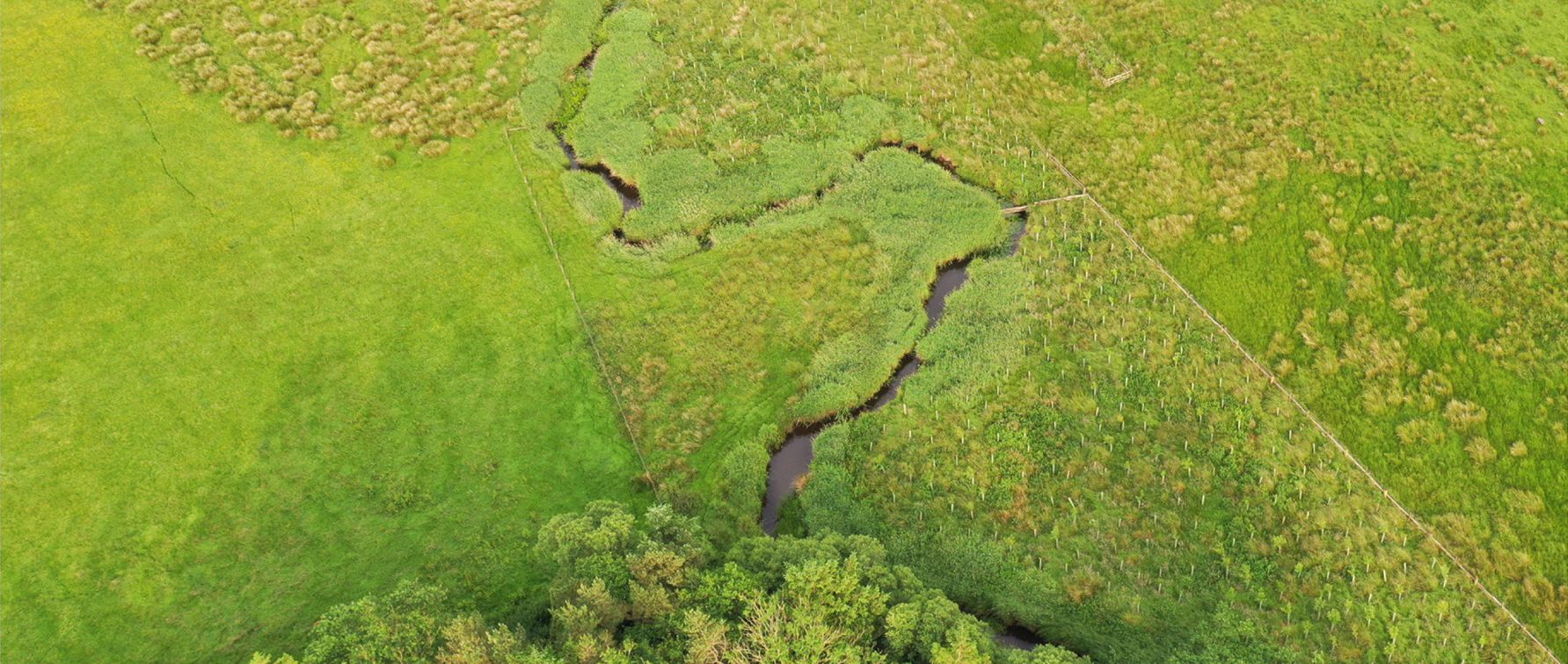
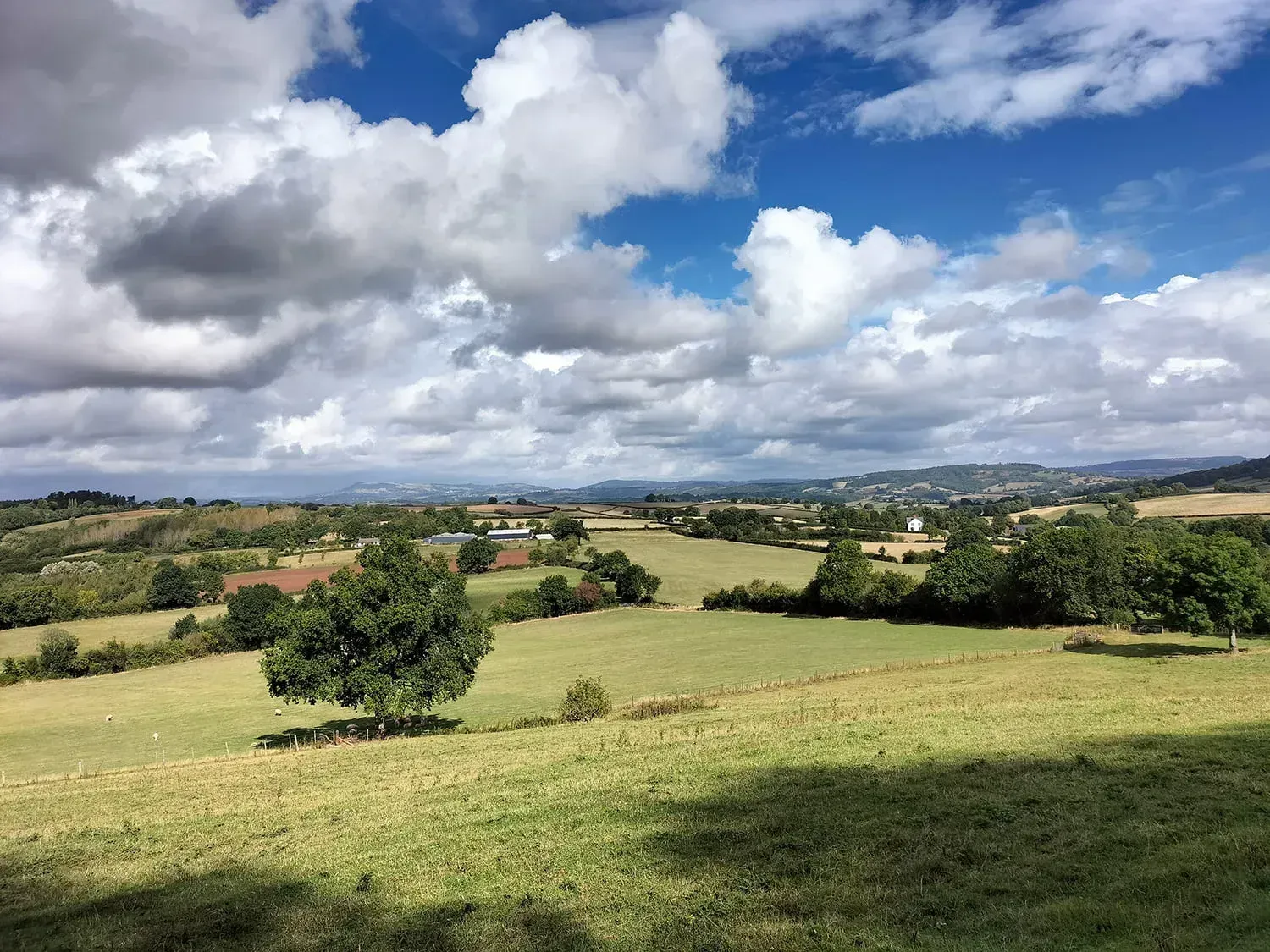
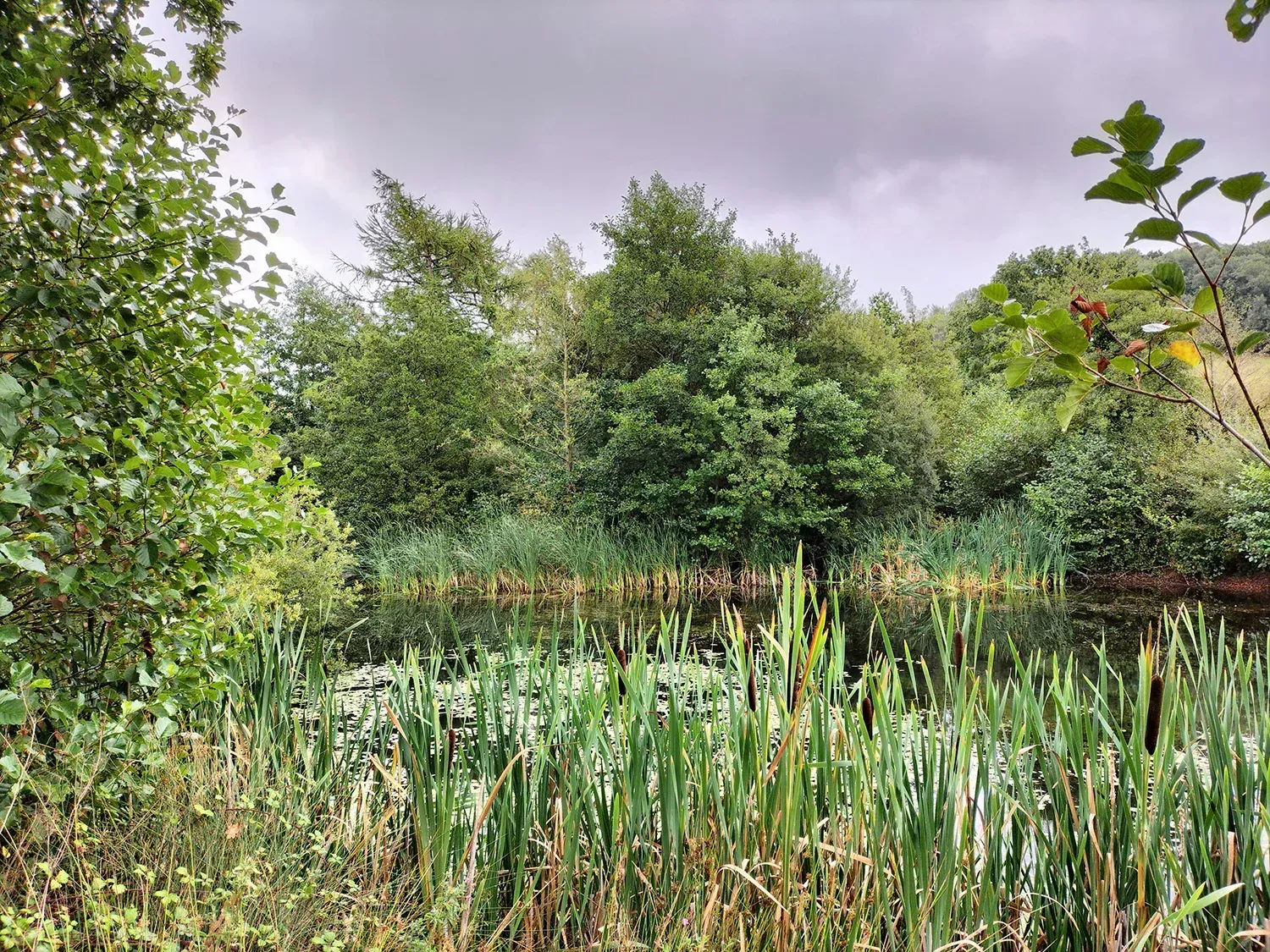
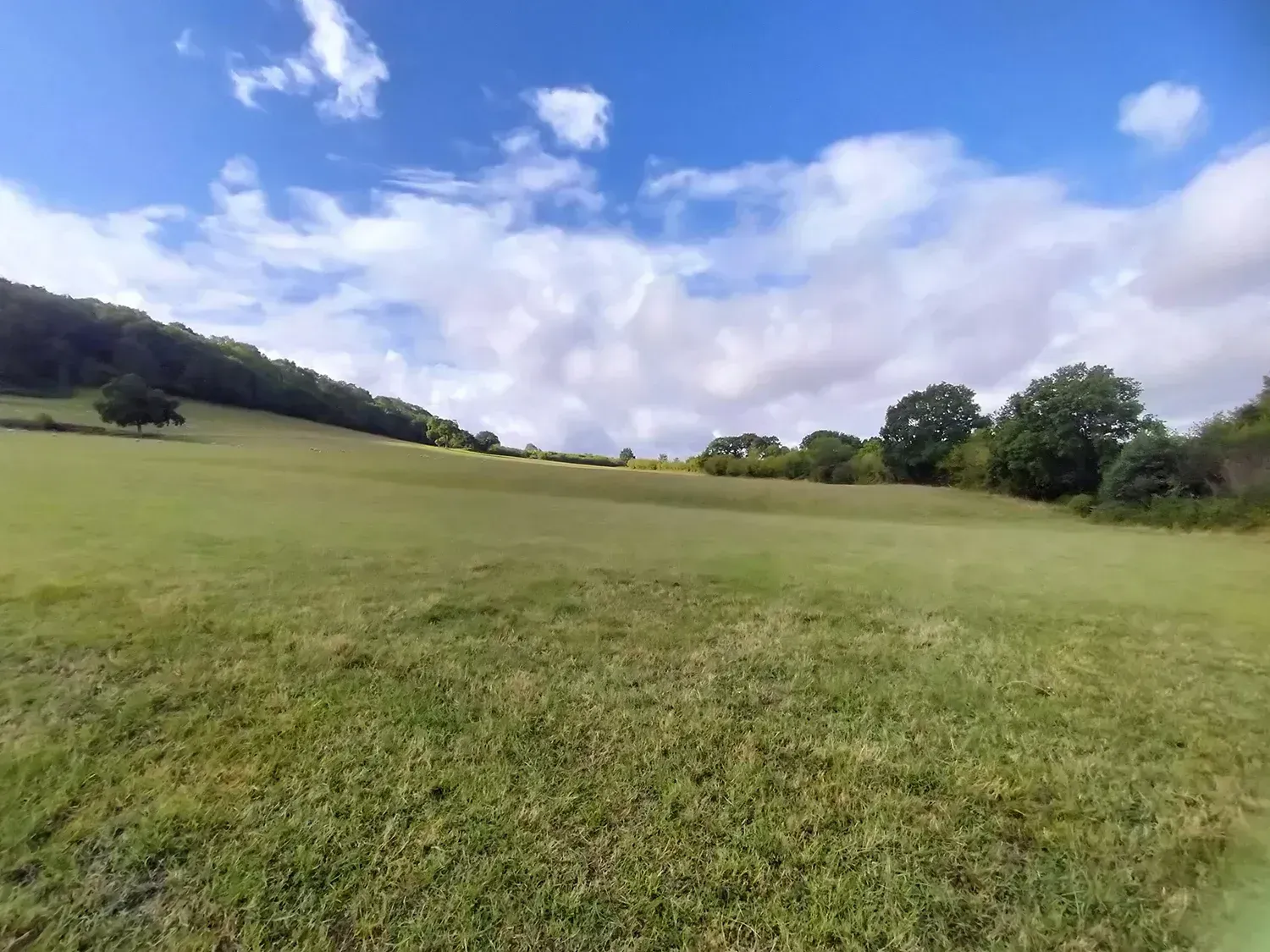
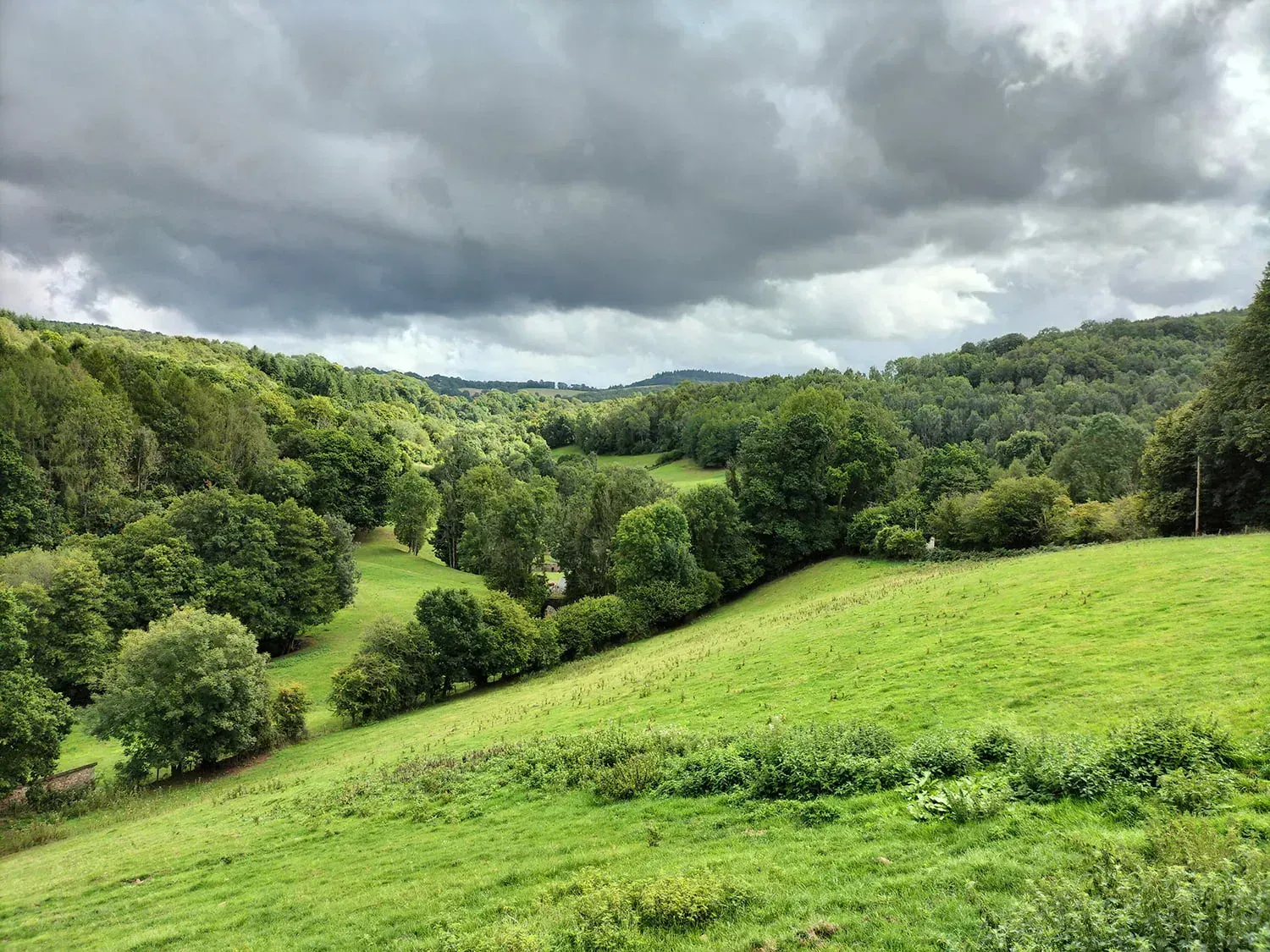
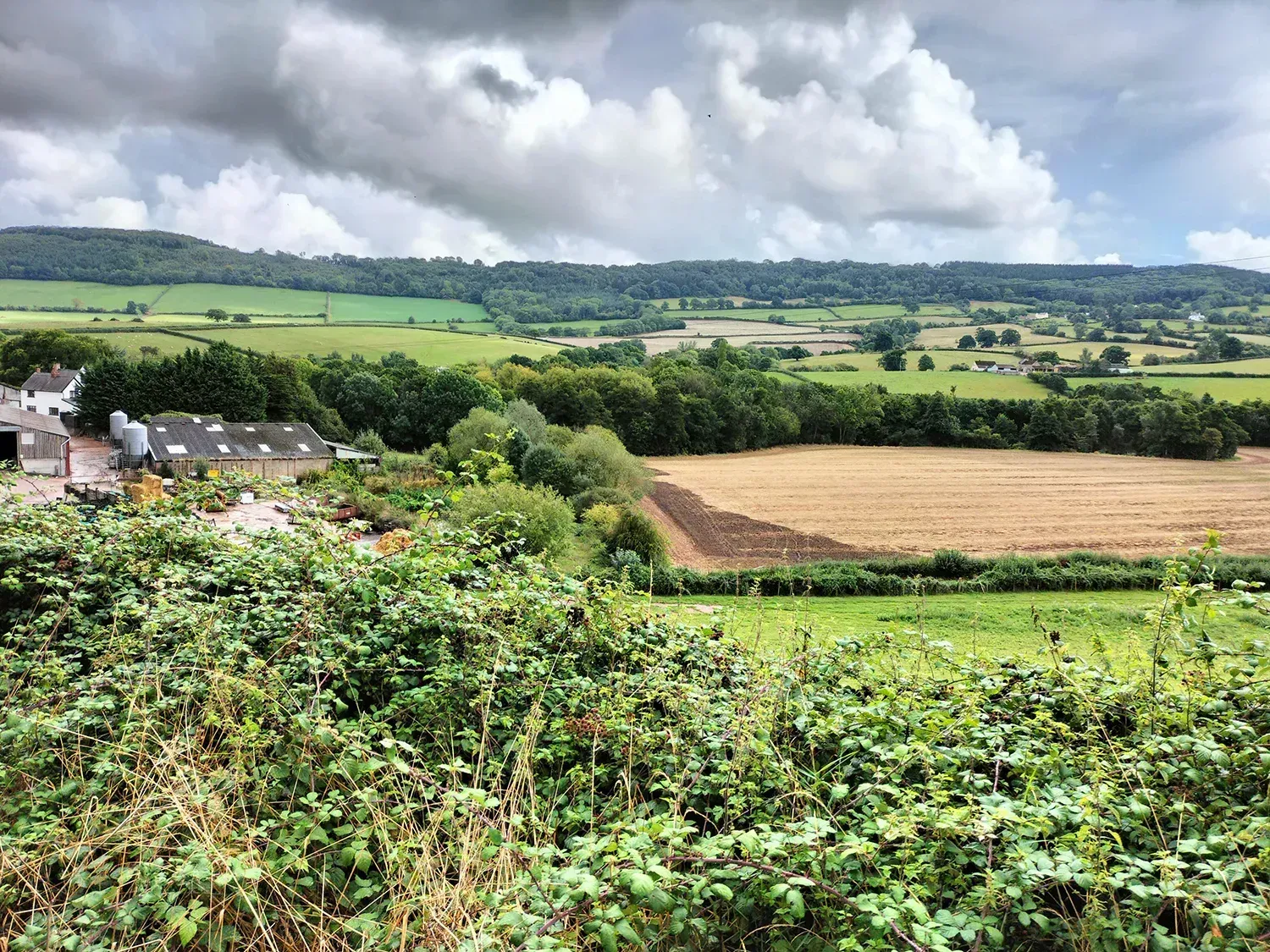
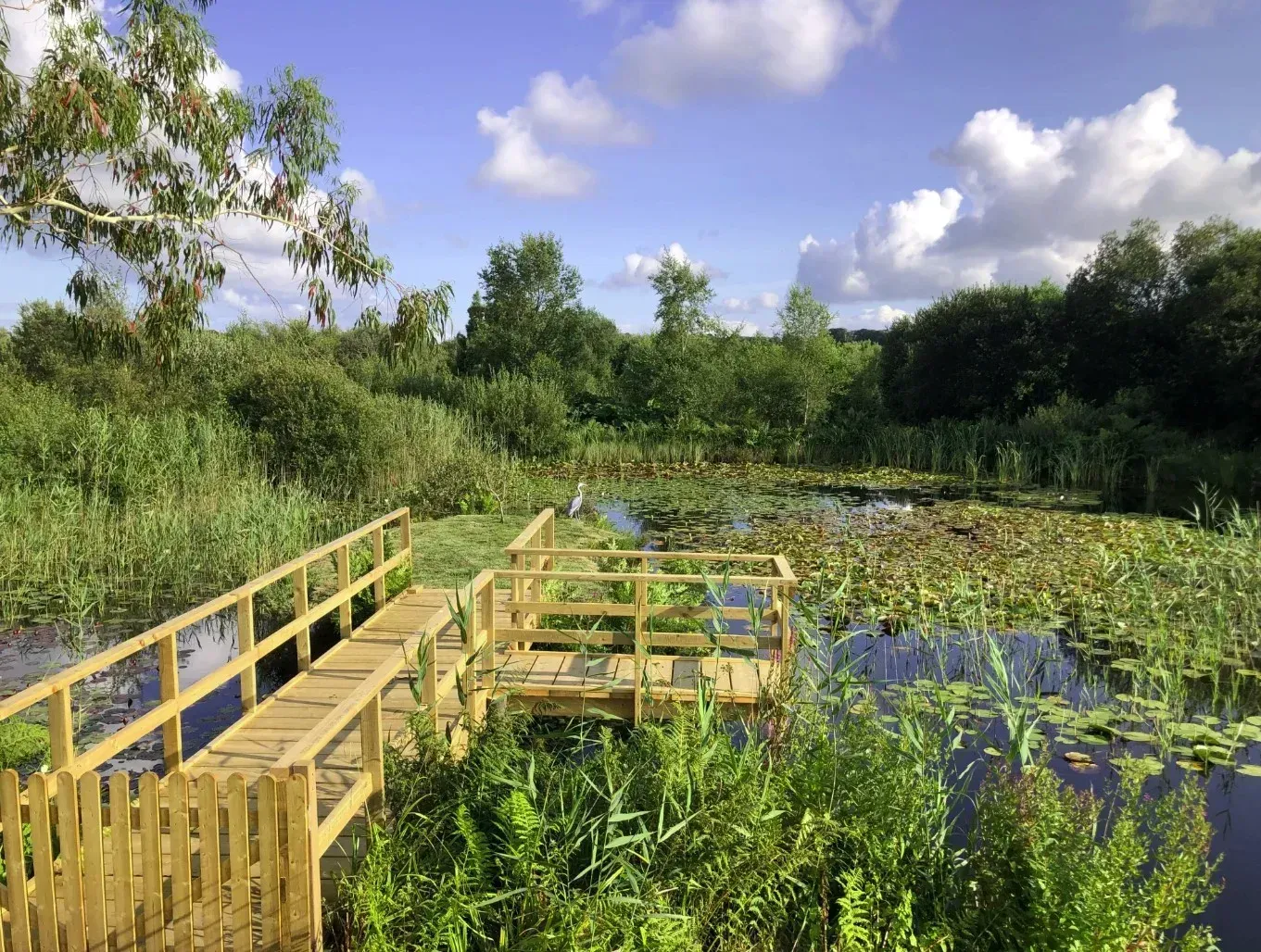
The Wye Valley Area of Outstanding Natural Beauty (AONB) Unit (now known as the Wye Valley National Landscape) commissioned TEP to deliver targeted farm advice in the Monmouthshire part of the Wye Valley AONB in order to develop small scale habitat enhancement and connectivity interventions. The project was part of a wider scheme with Gwent Wildlife Trust and The Woodland Trust to deliver the overall Lower Wye Valley Nature Networks Project with support from the National Lottery Heritage Fund (NLHF). The scheme allowed match funding to be given to farmers and landowners to improve habitat condition and connectivity on their land.

TEP reached out to a number of organisations to compile a list of potential farms to contact about the scheme with a bespoke information flyer produced in English and Welsh. A total of 10 farms agreed to participate in the scheme and were visited by consultants in August and September 2022.

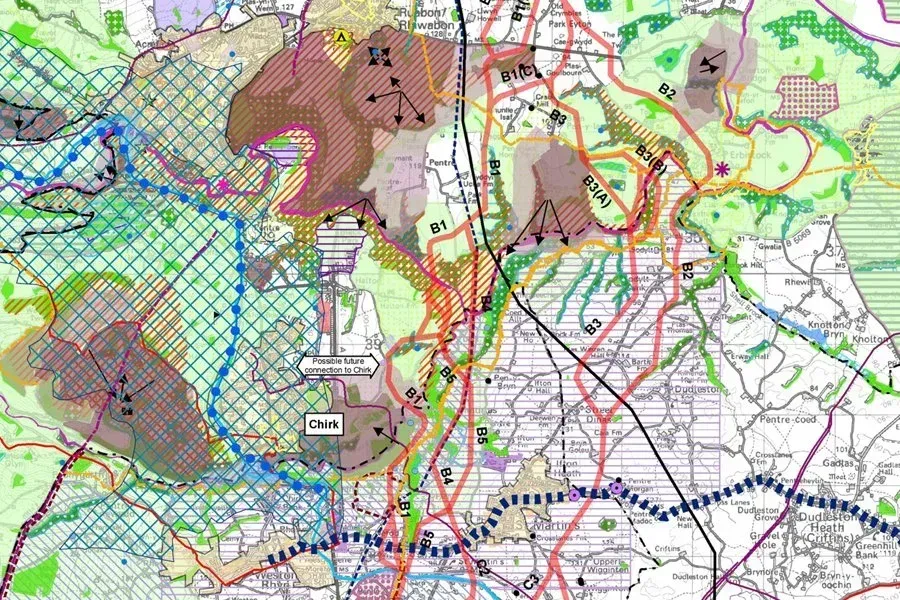
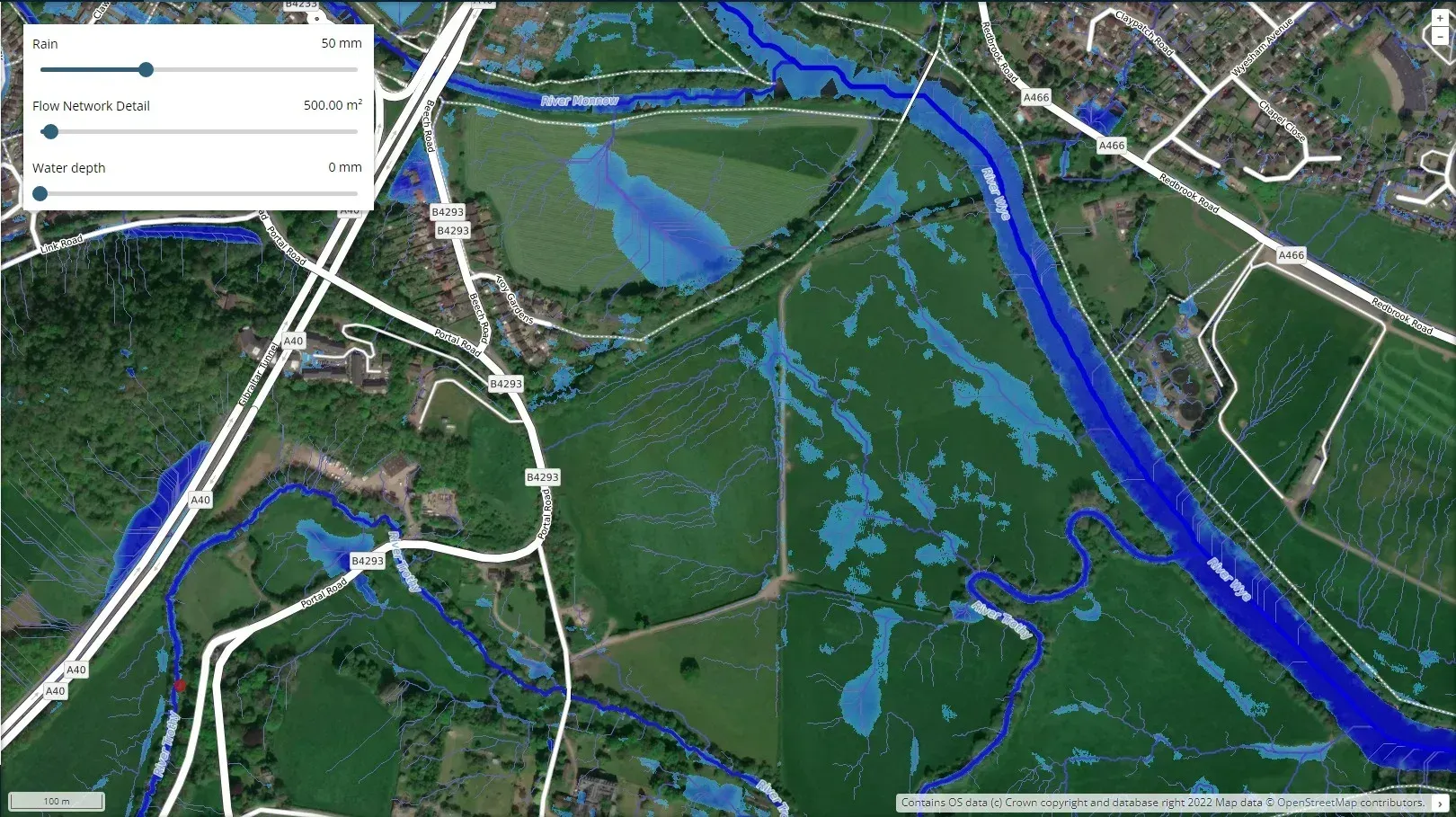
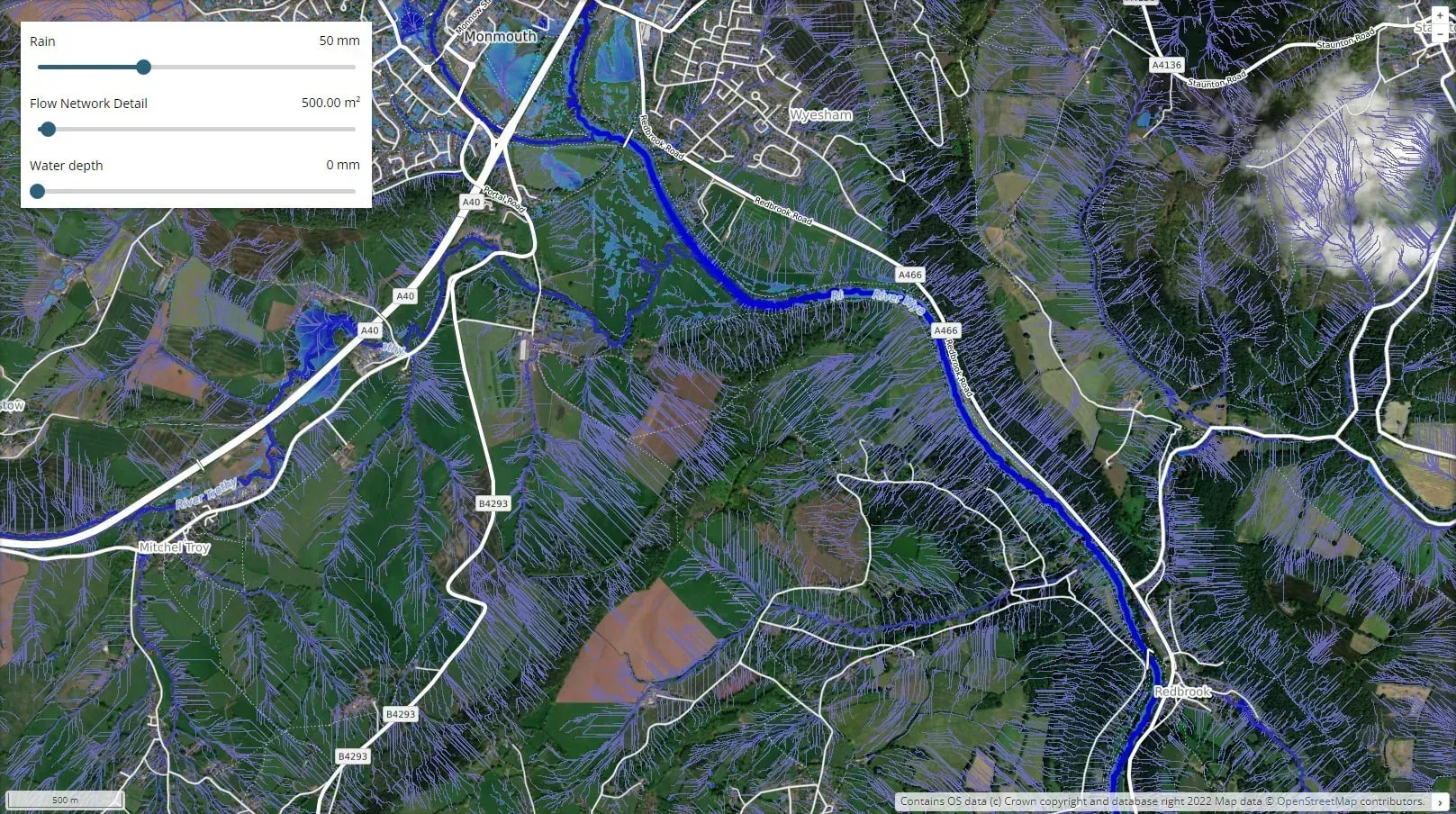
Summary reports were produced for each farm. These listed an introduction to the project, farm overview, previous conservation actions, basic soil and hydrology commentary, description of current ecological habitats, information on consenting requirements and site-specific ecological opportunities. All reports were supplemented with opportunity maps.

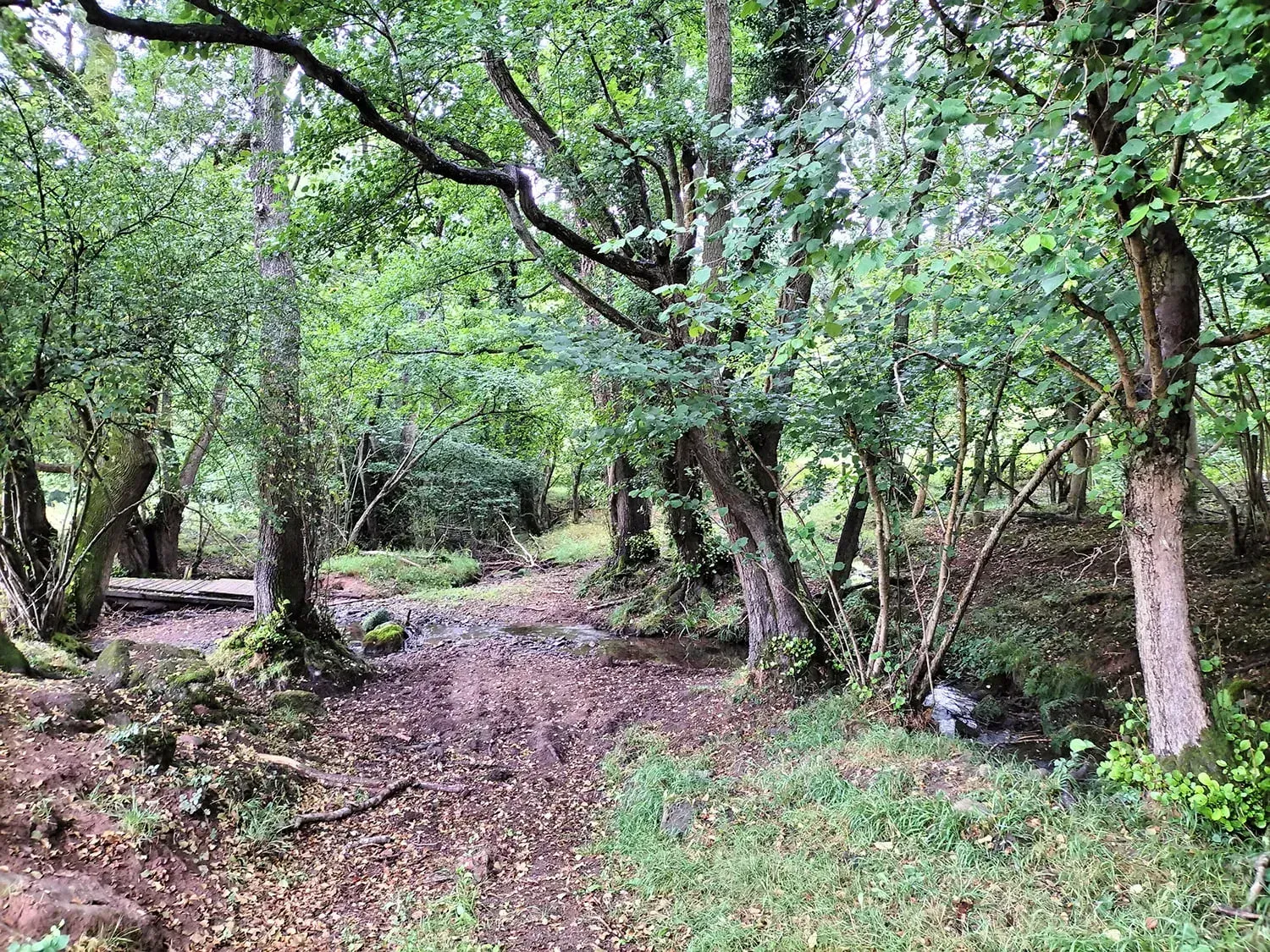
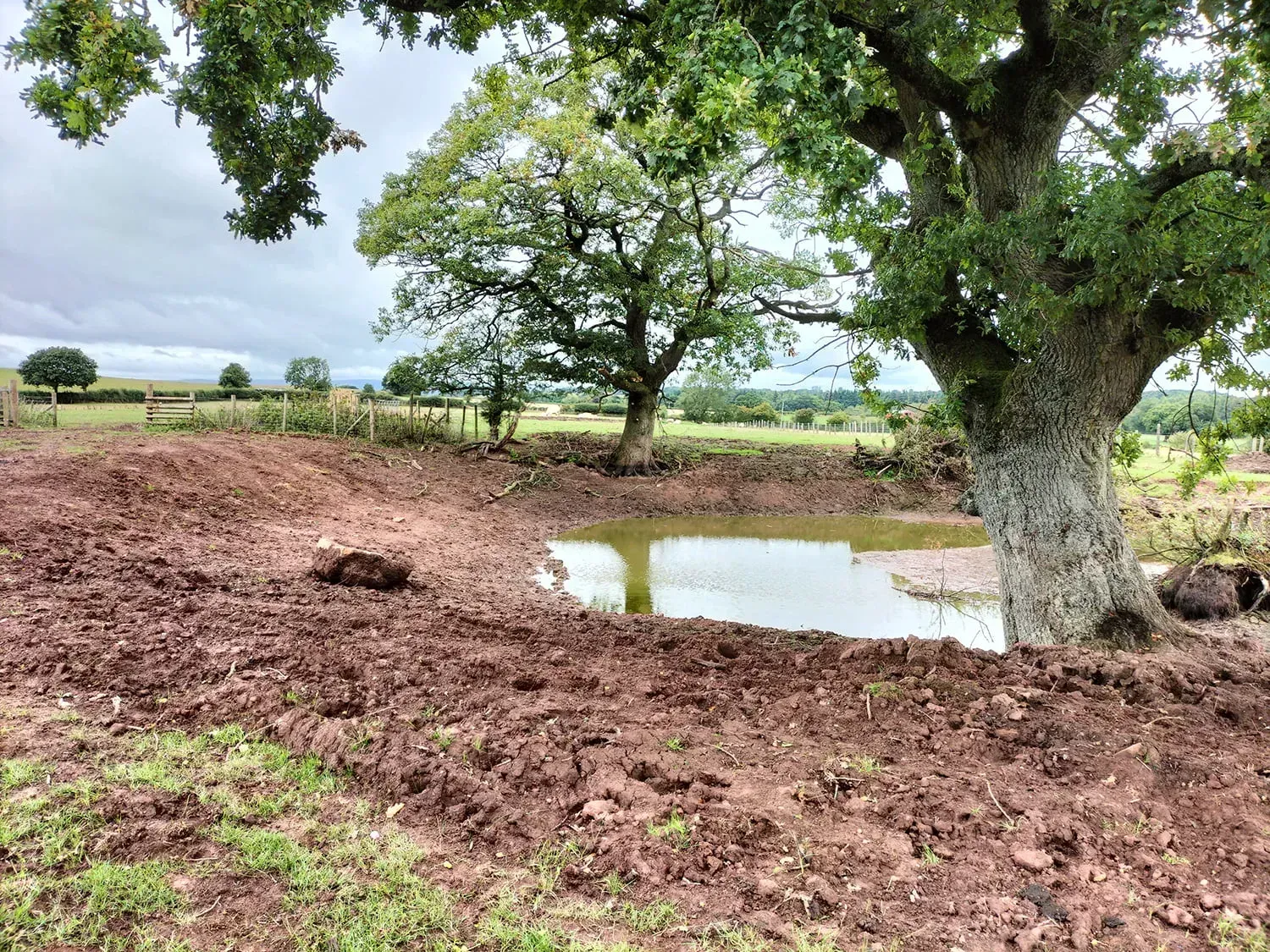
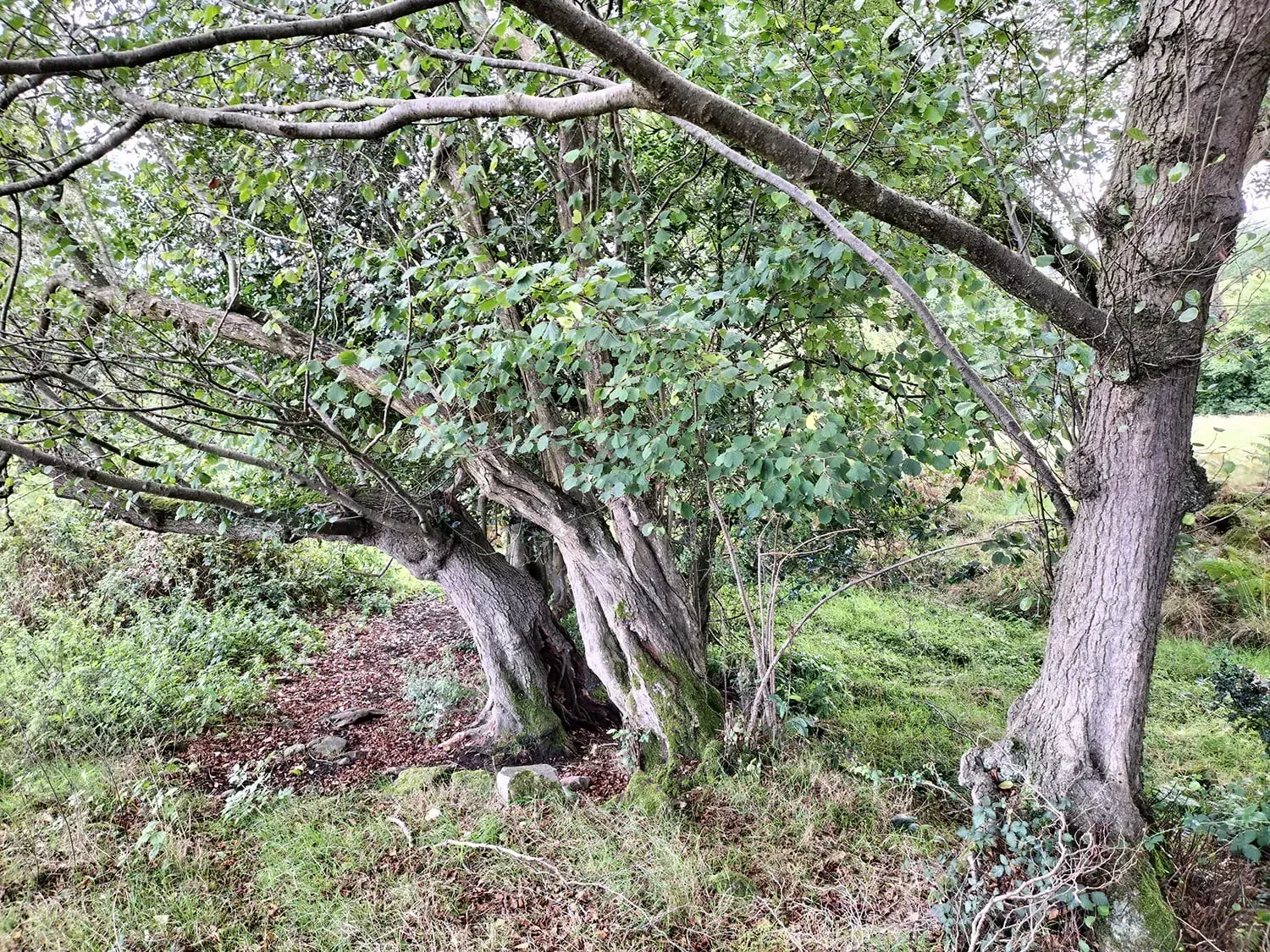
Seven farms proceeded with selected works, which were all installed and established by September 2023. The projects also allowed the AONB to work with new contacts, hopefully facilitating future work. One farmer’s aspiration to undertake further Natural Flood Management (NFM) activity resulted in Monmouthshire County Council issuing an ordinary water consent for the whole of a woodland site, allowing future NFM projects to take place without requiring separate consent applications.

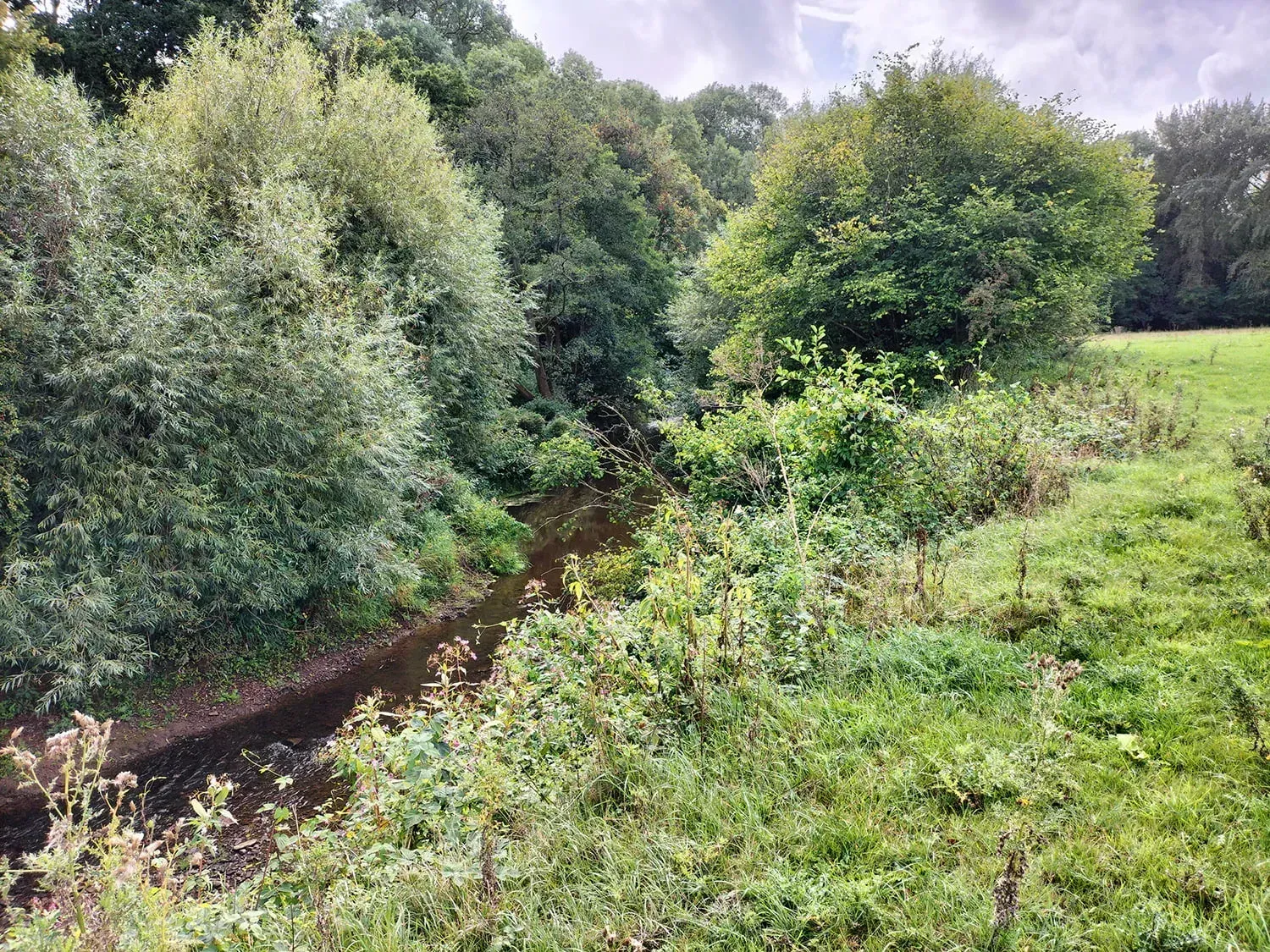
Nick Critchley, Wye Valley AONB Development Officer, said, “The Lower Wye Valley Nature Networks Project has delivered some fabulous habitat enhancement work. The farm advice and opportunity mapping work delivered by TEP was well organised, managed and targeted, developed trusted relationships with farmers and identified a range of beneficial opportunities. The results of which have added value to project work managing SSSIs, by identifying opportunities for enhanced habitat connectivity on private land. Farmers engaged welcomed the advice provided and were enthusiastic to participate. Farmers have carried out some great work and we have developed relationships which will be valuable in our continued work to conserve and enhance the natural beauty of the landscape.”

25 June 2026
Well known Invasive-Non-Native Species (INNS) are widely understood, however the threat of new and emerging INNS across the UK is real.
25 June 2026
INNS compliance should be integrated into project planning at the earliest stage, as well as site management, and delivery. We discuss key measures for the management of floral INNS.
12 June 2026
On behalf of Cheshire East Council, TEP has secured consent for the expansion of the Environmental Services Hub site. The expansion will facilitate a weekly food waste collection service for every property in the borough, helping Cheshire East Council prepare for a new statutory requirement from central government due to come into force from 2026-2027. To achieve this, we prepared and managed three planning applications: A full application for 84 new employee parking spaces, a bin storage area and a security lodge; A non-material amendment application for the reconfiguration of the existing site layout; and A variation of condition application to increase the limit on vehicle movements. The project began with a pre-application advice request, followed by discussions with the local planning authority to confirm the applications and supporting information required for submission. A key element of the project was the preparation of a planning needs case. This justified the development remaining at the Environmental Services Hub site, rather than a 'preferred site' identified within the council's Waste Plan. The case also identified the benefits of increasing recycling rates and supporting sustainable waste management across the borough. To support the applications, traffic surveys were commissioned and a Transport Statement was prepared, demonstrating that the proposals would have no negative impact on the local highway network. A Transport Note was also produced to establish the number of vehicle movements that should be permitted through the variation of condition application. Air quality and noise assessments were also undertaken to demonstrate that impacts would be limited and acceptable. 
25 June 2026
Well known Invasive-Non-Native Species (INNS) are widely understood, however the threat of new and emerging INNS across the UK is real.
25 June 2026
INNS compliance should be integrated into project planning at the earliest stage, as well as site management, and delivery. We discuss key measures for the management of floral INNS.
25 June 2026
Well known Invasive-Non-Native Species (INNS) are widely understood, however the threat of new and emerging INNS across the UK is real.
25 June 2026
INNS compliance should be integrated into project planning at the earliest stage, as well as site management, and delivery. We discuss key measures for the management of floral INNS.
12 June 2026
On behalf of Cheshire East Council, TEP has secured consent for the expansion of the Environmental Services Hub site. The expansion will facilitate a weekly food waste collection service for every property in the borough, helping Cheshire East Council prepare for a new statutory requirement from central government due to come into force from 2026-2027. To achieve this, we prepared and managed three planning applications: A full application for 84 new employee parking spaces, a bin storage area and a security lodge; A non-material amendment application for the reconfiguration of the existing site layout; and A variation of condition application to increase the limit on vehicle movements. The project began with a pre-application advice request, followed by discussions with the local planning authority to confirm the applications and supporting information required for submission. A key element of the project was the preparation of a planning needs case. This justified the development remaining at the Environmental Services Hub site, rather than a 'preferred site' identified within the council's Waste Plan. The case also identified the benefits of increasing recycling rates and supporting sustainable waste management across the borough. To support the applications, traffic surveys were commissioned and a Transport Statement was prepared, demonstrating that the proposals would have no negative impact on the local highway network. A Transport Note was also produced to establish the number of vehicle movements that should be permitted through the variation of condition application. Air quality and noise assessments were also undertaken to demonstrate that impacts would be limited and acceptable.