The Contrasting Fortunes of Two Winter Visitors

The Contrasting Fortunes of Two Winter Visitors

The Contrasting Fortunes of Two Winter Visitors
8 January 2024

In the following article, the ecology and conservation of two important waterbird species in North West England is considered. Both species are qualifying species for at least one special protection area (SPA) in the region, making them the subject of many Habitats Regulations Assessments.

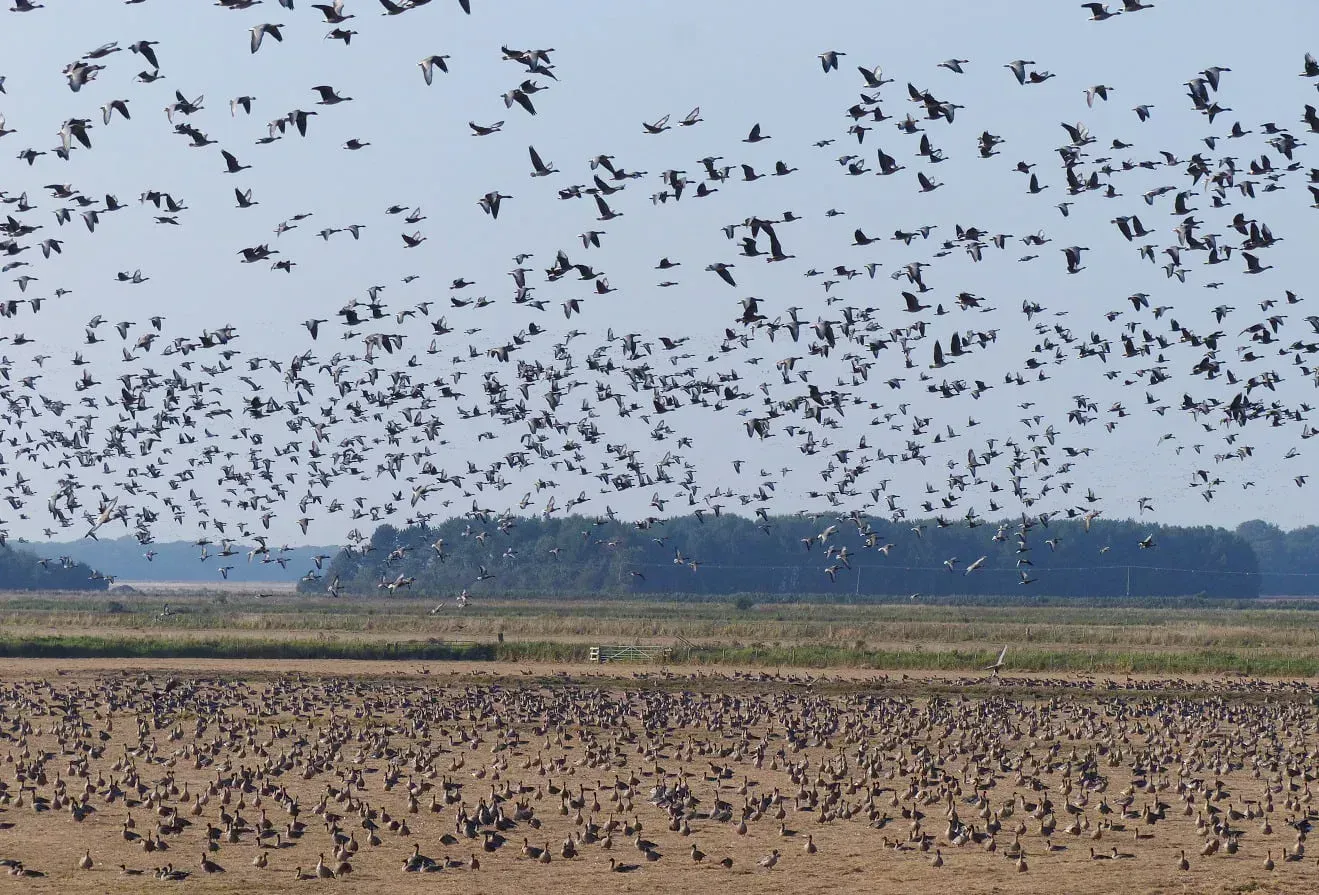
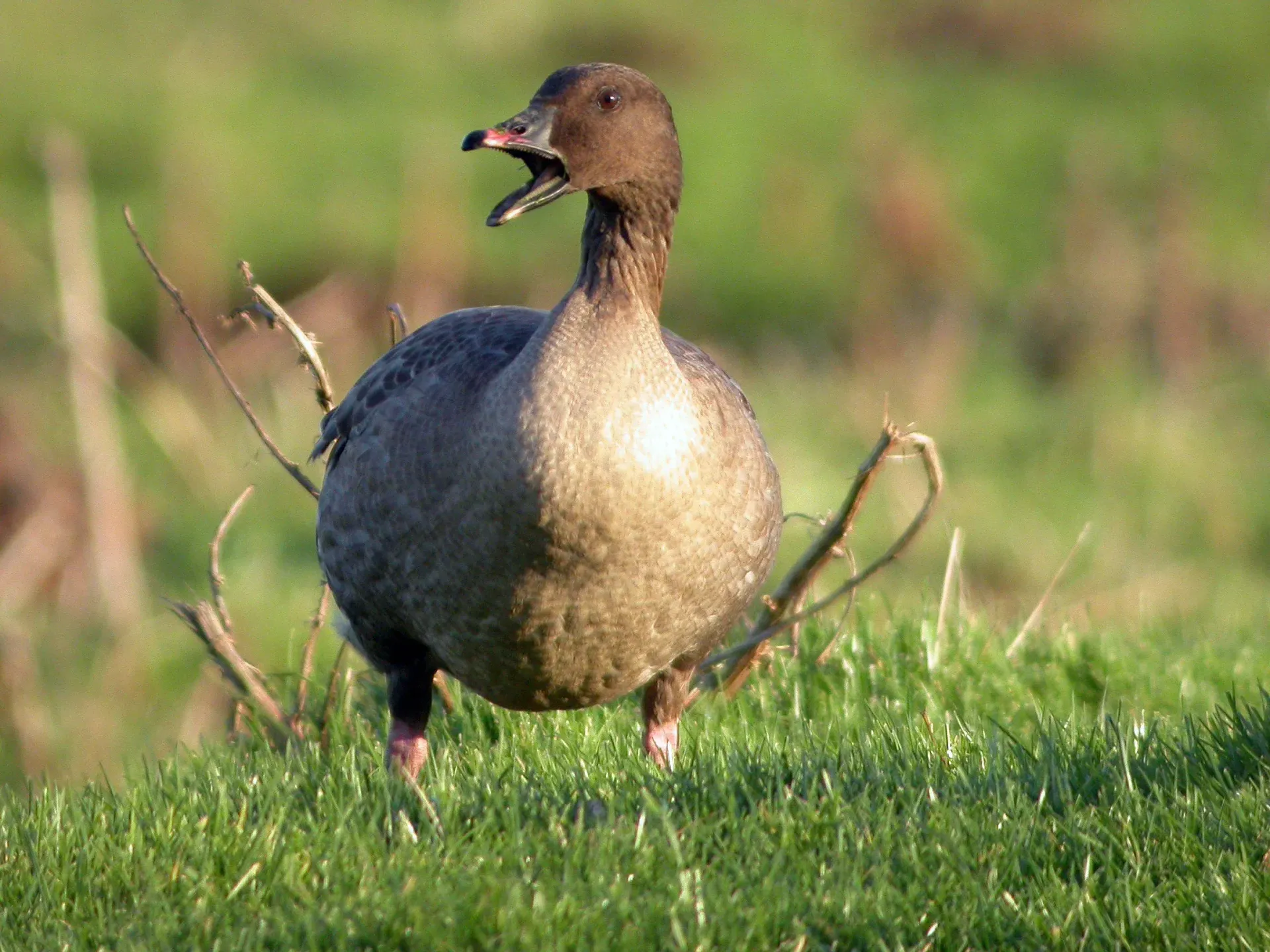
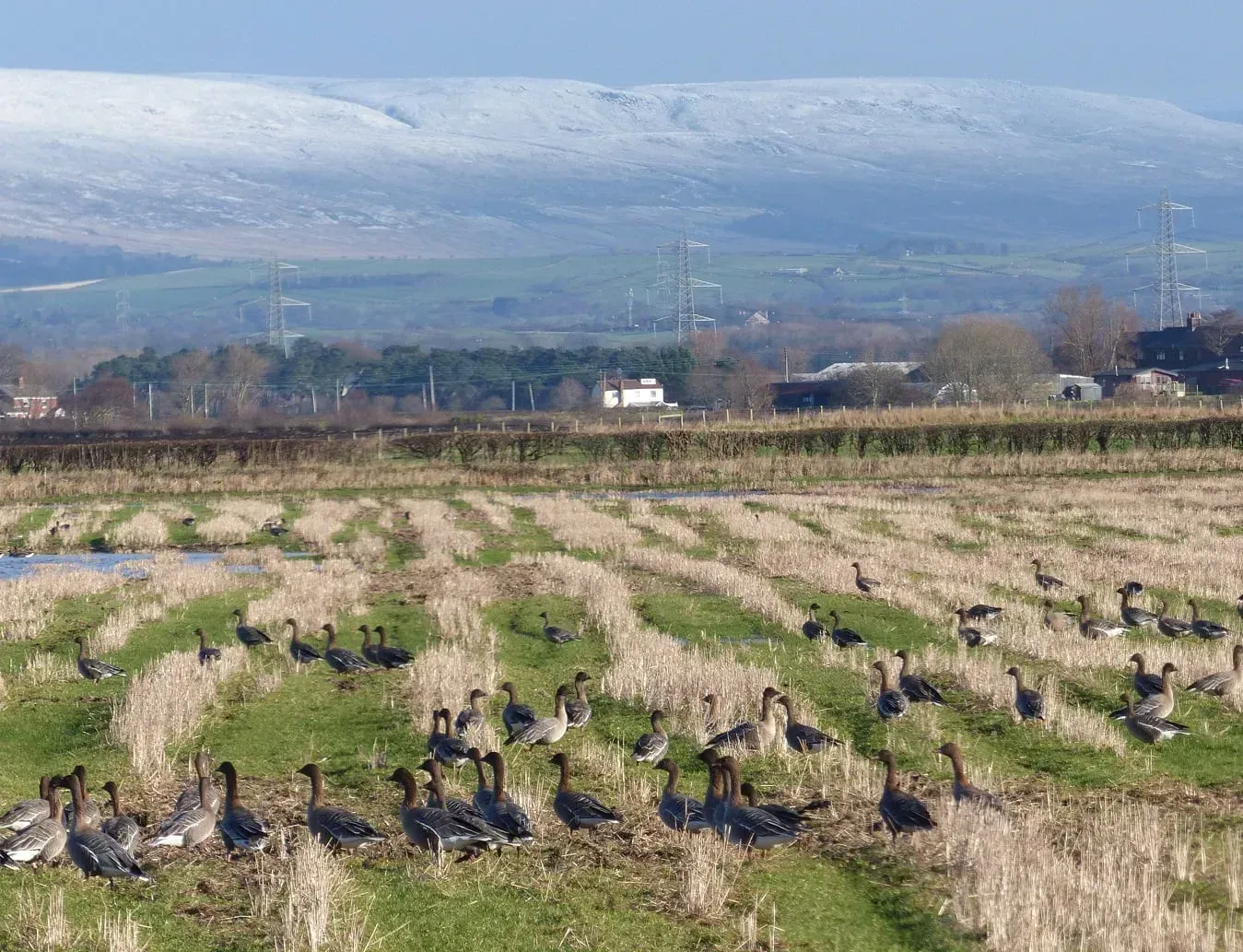
The pink-footed goose (Anser brachyrhynchus) is an icon of autumn migration. They are harbingers of dropping temperatures and shorter days, signalling their arrival with honking couplets as the flight formations of arriving skeins paint huge arrowheads across the sky. North West England has historically been a place of opportunity for these conspicuous birds; large numbers gather to feed on our farmland, wetlands and coasts.

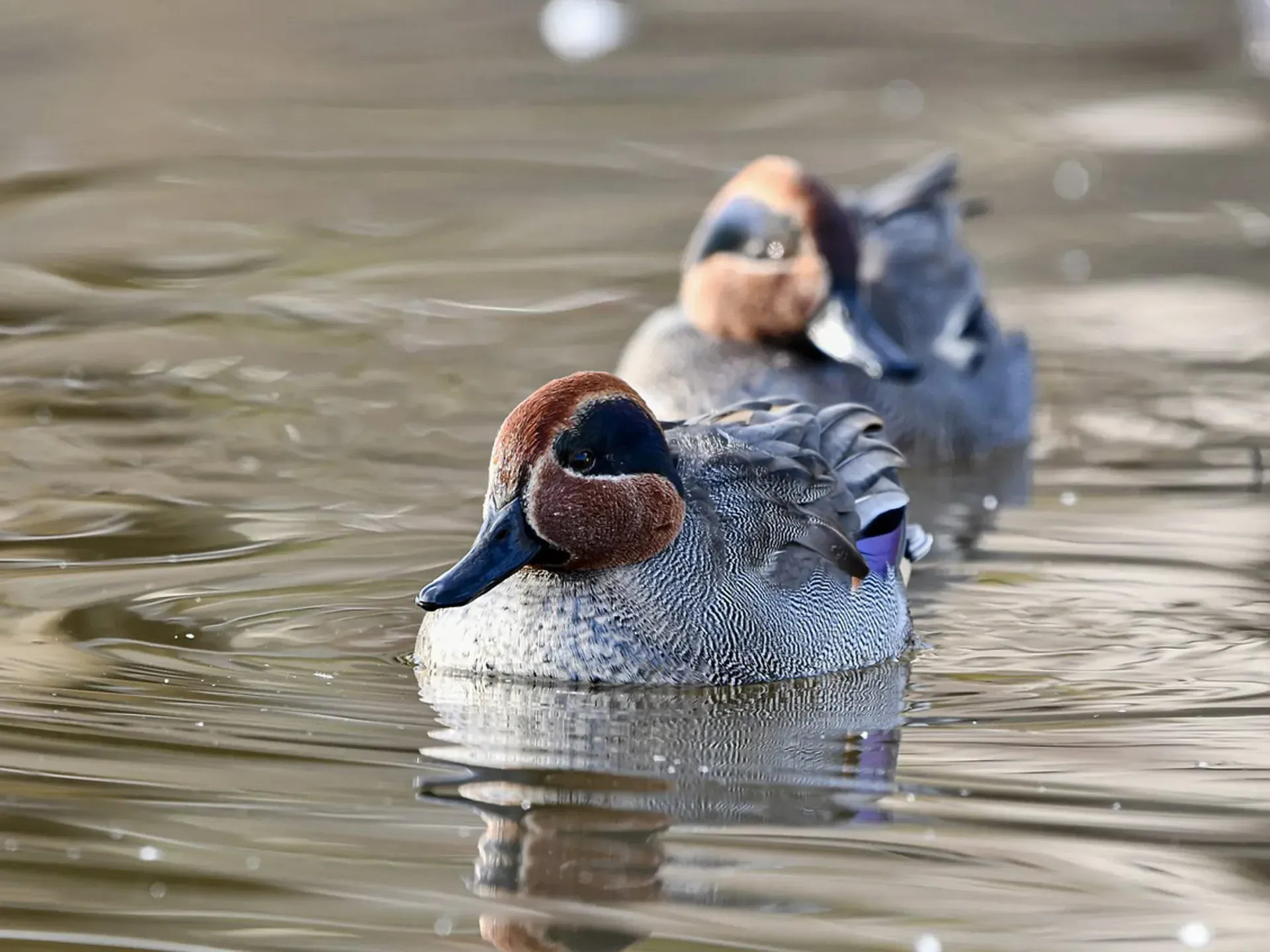
Teal (Anas crecca) , on the other hand, are not as attention-drawing as their long-necked relatives; they are our smallest native duck species and their habit of ‘hunkering down’ on the water gives the impression that they are even smaller than they really are. Teal are also sensitive to disturbance, often being amongst the first birds within an assemblage to take flight at the hint of danger. They are very much wader-like in flight, moving quickly and acrobatically in the air with rapid wing beats, banking, keeping tightly packed and flying low. These movements can give the impression of a collective nervousness – perhaps little wonder, as their diminutive size places them on the menu of many a hungry predator. The same physical and behavioural traits cause teal to also evade the prying eyes of ecologists and birdwatchers alike, resulting in them all too easily being under recorded.

The Mersey Estuary SPA covers an area of 5,023.35ha. It comprises large areas of intertidal sand and mudflats and supports large assemblages of wildfowl, waders and other waterbirds. Teal is a Qualifying Species of this internationally designated site, with 11,723 individuals (2.9% of the non-breeding Northwestern Europe population) representing the average number of teal recorded across five survey winters (1993/94 – 1997/98 five-year peak mean). However, nearly 30 years later the outlook for this beautiful species on the Mersey Estuary is less assured; the most recent five-year peak mean (2017/18 – 2021/22) was just 3,140 individuals. This represents a decline of 73% over 28 years.

In stark contrast, pink-footed goose numbers have increased dramatically within the Mersey Estuary SPA over the same period. The five-year peak mean for this species was just 51 individuals (1993/94 – 1997/98) but increased to 7,673 geese by 2022 (2017/18 – 2021/21 five-year peak mean). This represents a greater than 15,000% or 150-fold increase.

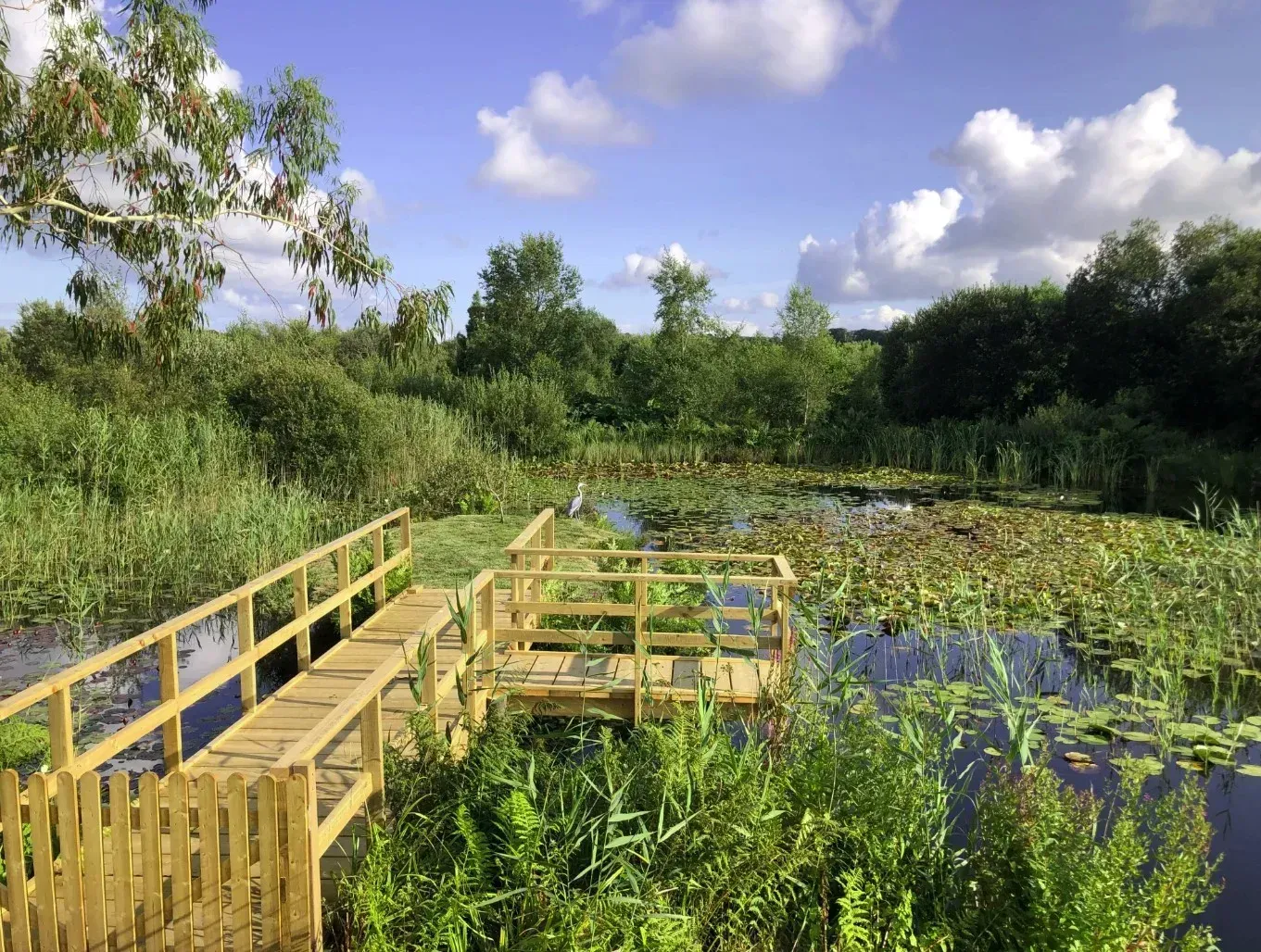
The reasons behind the contrasting population trends of these two migratory species is complex. Furthermore, their respective ecologies differ considerably and thus a common solution is not obvious. Pink-footed goose have certainly benefitted from concerted conservation efforts and the good practice of environmental consultants but they are also a species that exploit the feeding and roosting opportunities inadvertently provided by humans. As a result, we can be tentatively optimistic about their future in the region. Teal though have clearly not been the beneficiaries of large-scale farming practices and are perhaps more vulnerable to the disturbance associated with an increased human presence. Opportunities certainly exist to create or enhance supporting wetland habitat around the Mersey, which could be crucial in securing a bright future for teal in the region.

11 March 2026
Our Grant has supported several environmental projects which are raising awareness of important environmental issues and furthering the environmental profession.
11 March 2026
We were commissioned by East Suffolk Council to prepare an updated Conservation Area Appraisal and Management Plan (CAAMP) for Halesworth, replacing the previous appraisal from 2006. The update was needed to reflect changes in the town over time and to provide a clearer, more accessible framework to support effective planning and management decisions. Halesworth’s historic character is rooted in its medieval origins, still evident in the narrow streets of the town centre, the triangular Market Place, and the routes linking the Thoroughfare, Bridge Street and Chediston Street. Together with the Church of St Mary the Virgin, these spaces form the historic core of the settlement and provide a strong sense of continuity in the town’s development. 
6 February 2026
TEP has a proud history of providing educational outreach activities for schools, charities, and local groups. Our Ecohydrology team are … Read more » The post Learning Through Landscapes: TEP’s Educational Outreach appeared first on TEP - The Environment Partnership.
11 March 2026
Our Grant has supported several environmental projects which are raising awareness of important environmental issues and furthering the environmental profession.
11 March 2026
We were commissioned by East Suffolk Council to prepare an updated Conservation Area Appraisal and Management Plan (CAAMP) for Halesworth, replacing the previous appraisal from 2006. The update was needed to reflect changes in the town over time and to provide a clearer, more accessible framework to support effective planning and management decisions. Halesworth’s historic character is rooted in its medieval origins, still evident in the narrow streets of the town centre, the triangular Market Place, and the routes linking the Thoroughfare, Bridge Street and Chediston Street. Together with the Church of St Mary the Virgin, these spaces form the historic core of the settlement and provide a strong sense of continuity in the town’s development. 
11 March 2026
Our Grant has supported several environmental projects which are raising awareness of important environmental issues and furthering the environmental profession.
11 March 2026
We were commissioned by East Suffolk Council to prepare an updated Conservation Area Appraisal and Management Plan (CAAMP) for Halesworth, replacing the previous appraisal from 2006. The update was needed to reflect changes in the town over time and to provide a clearer, more accessible framework to support effective planning and management decisions. Halesworth’s historic character is rooted in its medieval origins, still evident in the narrow streets of the town centre, the triangular Market Place, and the routes linking the Thoroughfare, Bridge Street and Chediston Street. Together with the Church of St Mary the Virgin, these spaces form the historic core of the settlement and provide a strong sense of continuity in the town’s development. 
6 February 2026
TEP has a proud history of providing educational outreach activities for schools, charities, and local groups. Our Ecohydrology team are … Read more » The post Learning Through Landscapes: TEP’s Educational Outreach appeared first on TEP - The Environment Partnership.