


Happy GIS Day 2025!

Happy GIS Day 2025!

Happy GIS Day 2025!
19 November 2025

To mark GIS Day, Associate Director Colin Bourne reflects on his 23-year journey through the geospatial profession, from cartography and modelling to the digital tools now shaping environmental decision-making.


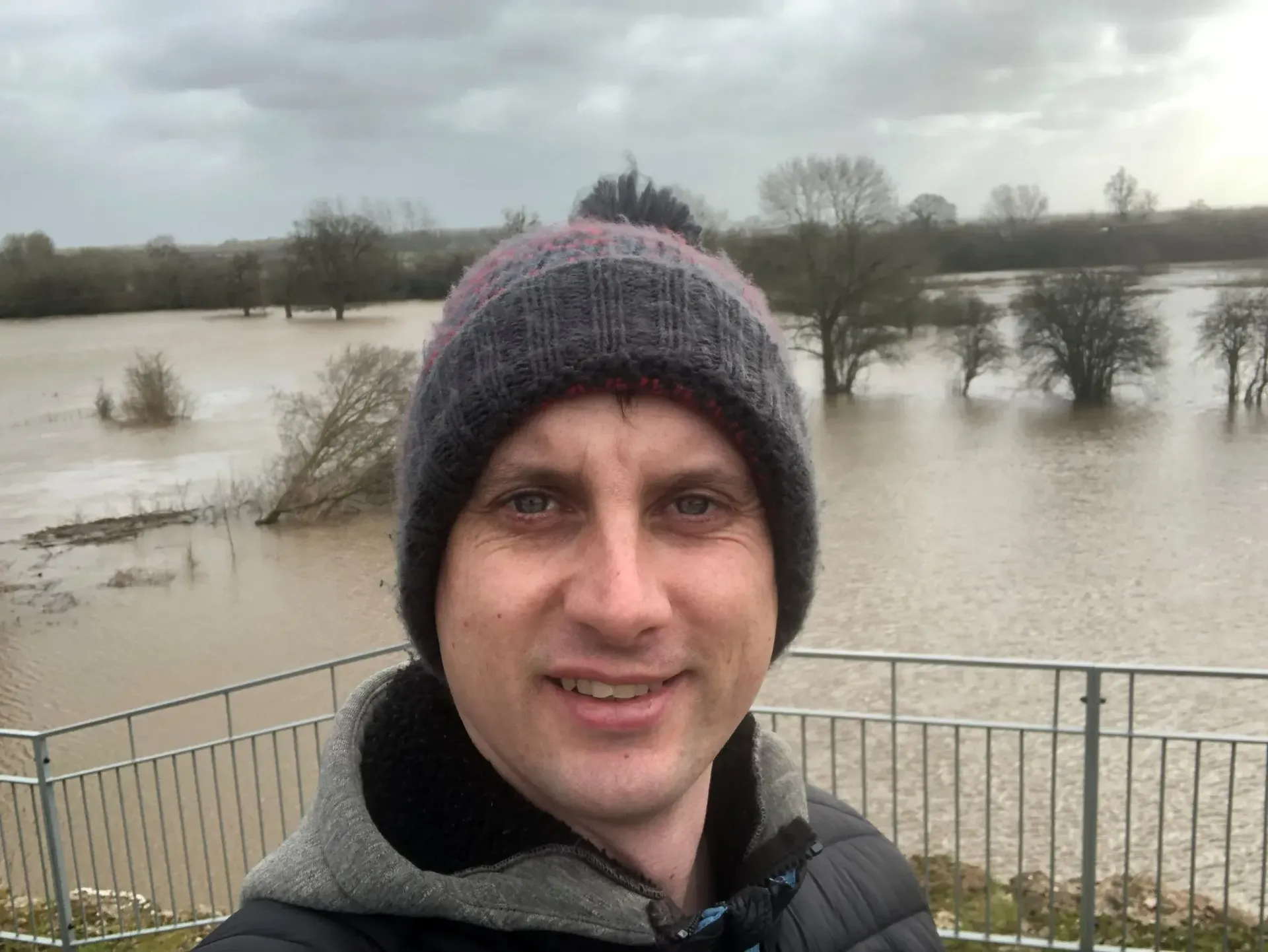
23 years in the geospatial game, would not render him pleasurable to mine eyes! 


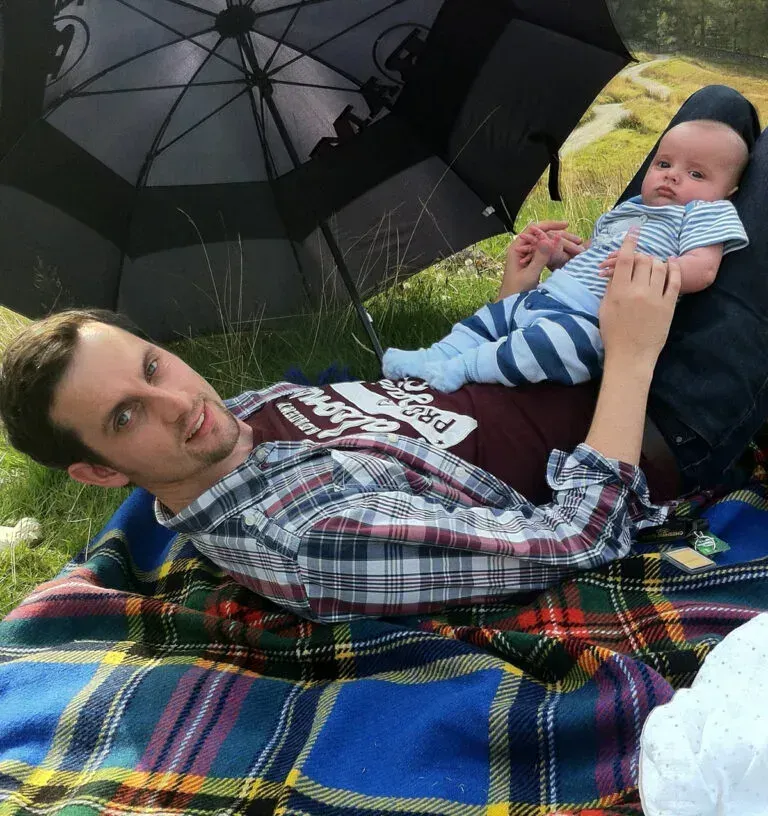
It’s not every day that Alan Partridge gets quoted in a geospatial blog, but it’s GIS Day and I’m running with it! This week, we are updating our staff profile photos, and I’ve been holding on to mine for nearly 15 years! With good reason, as the grey hairs are expanding and the frown lines are connecting up.


However, it’s not the 23 years in the geospatial field that have caused this, that’s likely more associated to having 3 kids under 12, hence many years of sleep deprivation and the trial and tribulations of parenting.


My geospatial career has given me a creative outlet, a purpose and many years of cartographic joy. The re-taking of my profile picture to show a much older, greyer and hopefully wiser me, has led me to think about my years in the industry, how the technology and my role has evolved and what the future may hold for us geospatial professionals within TEP and wider environmental sector.

My Early Years (2002-2010): ArcMap, Illustrator, and the Power of Cartography 


My journey into GIS began with a fascination for maps, not just as navigational tools, but as visual stories and on many occasions mapping aids to the latest computer game on my Atari ST. My 3 years learning the trade at the university of Newcastle provided me with a well-rounded understanding of the profession. It gave me experience of ArcMap, which was my gateway into the spatial world, a platform where layers of data could be manipulated, styled, and interrogated. I got the taste for the world to come and was eager to experience more in my first cartographic role. 


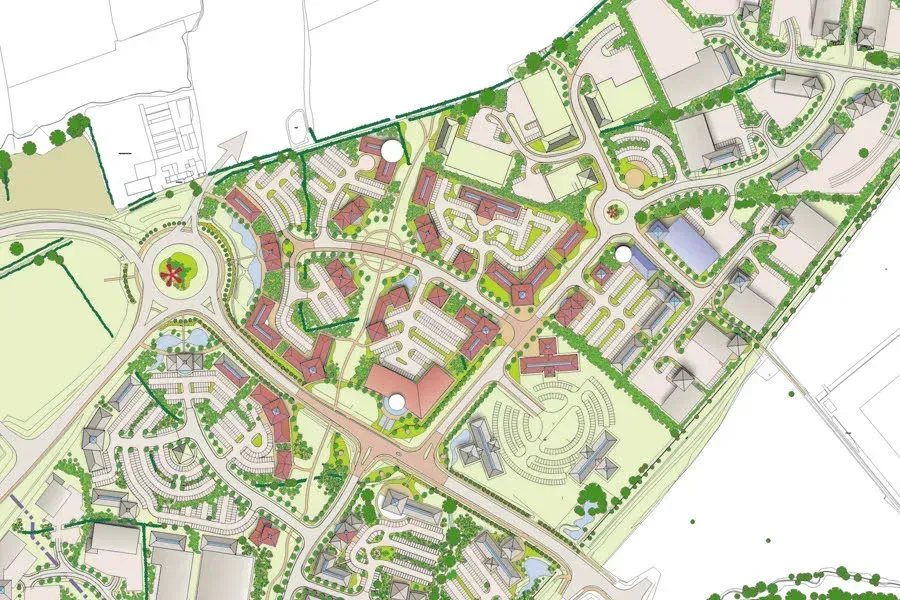
This role involved working on a range of urban design projects and providing cartographic support to craft mapping outputs that presented a future vision for a space or place. As well as initial understanding of GIS principles within ArcMap, my role ventured into Adobe Illustrator and Avenza Map Publisher, which taught me cartographic finesse: the art of clarity, layer hierarchy and the power of a well-tuned colour palette. 


In those early years, I learned that a well-crafted map could do more than inform, it could persuade. Whether highlighting pedestrian flows or visualising biodiversity corridors, cartography became my own language to communicate and inform.

Big Data, Larger Scale, and GIS for Decision Making 


Moving to TEP in 2010, my career evolved and so did the scale and complexity of the data. I found myself working on national projects, regional environmental corridor analysis and a wide range of datasets, using geospatial tools that demanded not just technical skill, but strategic thinking to support largely environmental planning and ecological services. 


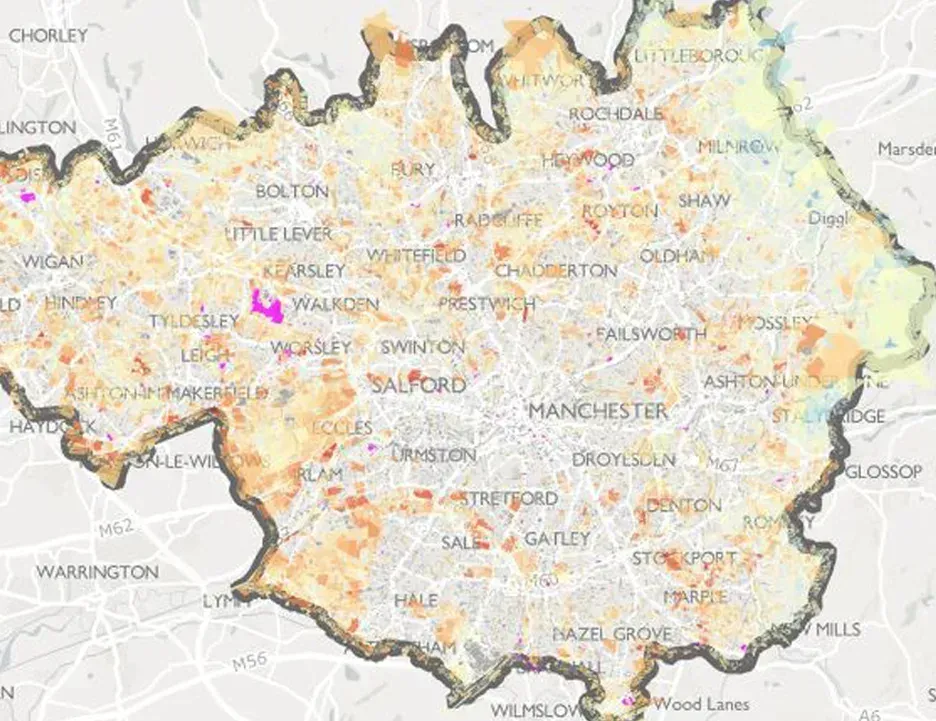
At the time, a smaller GIS team sat within the environmental planning team and became central to decision-making. Projects were supported with spatial analysis to guide land use planning, ecological strategies and conservation prioritisation. The challenge was no longer just making cartographic outputs, it was making sense of vast, dynamic data to support real-world choices. 


ArcMap was still the go-to software, and the desktop environment provided the platform for spatial analysis, although the future online environment was starting to take shape.

Mapping the Opportunity and Answering the Spatial Questions 


My next career move took me out of consultancy and into the Forestry sector. My role would also evolve, continuing to provide Geospatial data management and advice but also supporting the management team to setup and run a UK grant funded forestry service, bringing undermanaged woodland into management. This new project was heavily steered by a geospatial modelling and multi criteria opportunity mapping project completed by TEP.


Working with over 20 individual criteria with complex spatial analysis modelling, including land ownership, woodland shape and constraints analysis, the results of the mapping process were the outputs that supported a grant application to initiate the project.


In supporting the setup and running of this team I learnt much about both project and people management, the power of geospatial tools and the flow of spatial data in and out of an organisation. GIS was a new service within a large organisation, much of it not fully understood. I would like to think that the importance of GIS was understood more at the end of my time and that much was learnt about the power of GIS to enable collaborative working and demonstrate the potential of opportunity mapping to bring forward positive change. 

Putting the Tools in the Hands of Decision Makers 


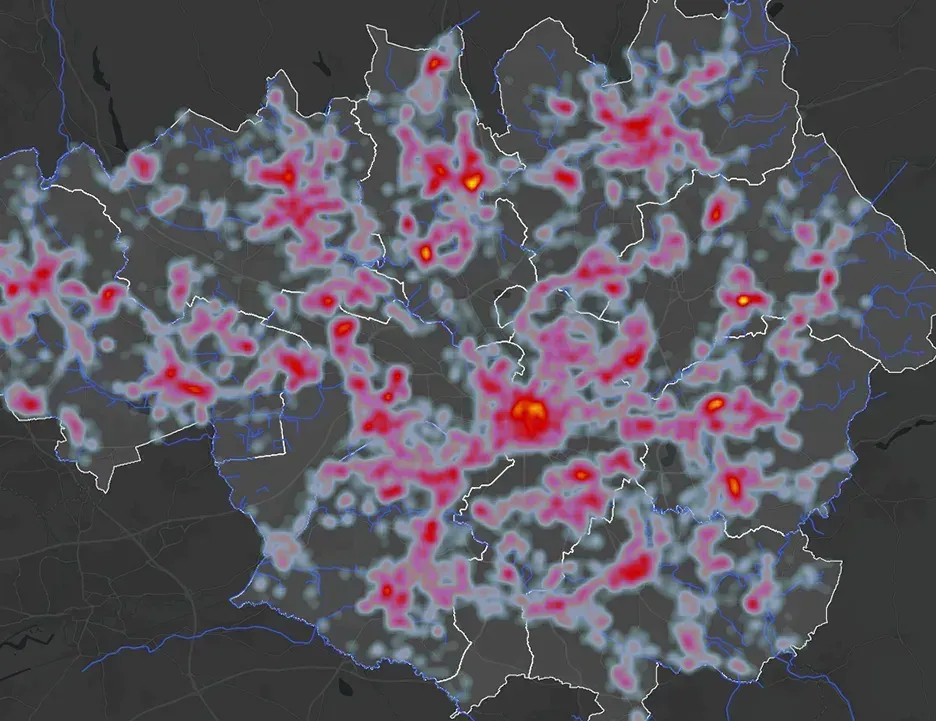
A move back to TEP followed in 2021, coinciding with a shift to ArcGIS Pro and ArcGIS Online. This was a major change in working practices, technology and opportunities for engagement. The geospatial team re-trained and begun the process of creating digital tools for decision makers. This has been the clear shift in the world of GIS in the last few years, providing simple to use geospatial led tools to all professionals and it’s the role of the geospatial professional to collaborate, design and develop these tools to drive geospatial standards and processes into day to day working practices. GIS has become much more accessible, but with this opening out of users, comes the responsibility to ensure validity, accuracy and suitability of inputs, analysis and outputs. 


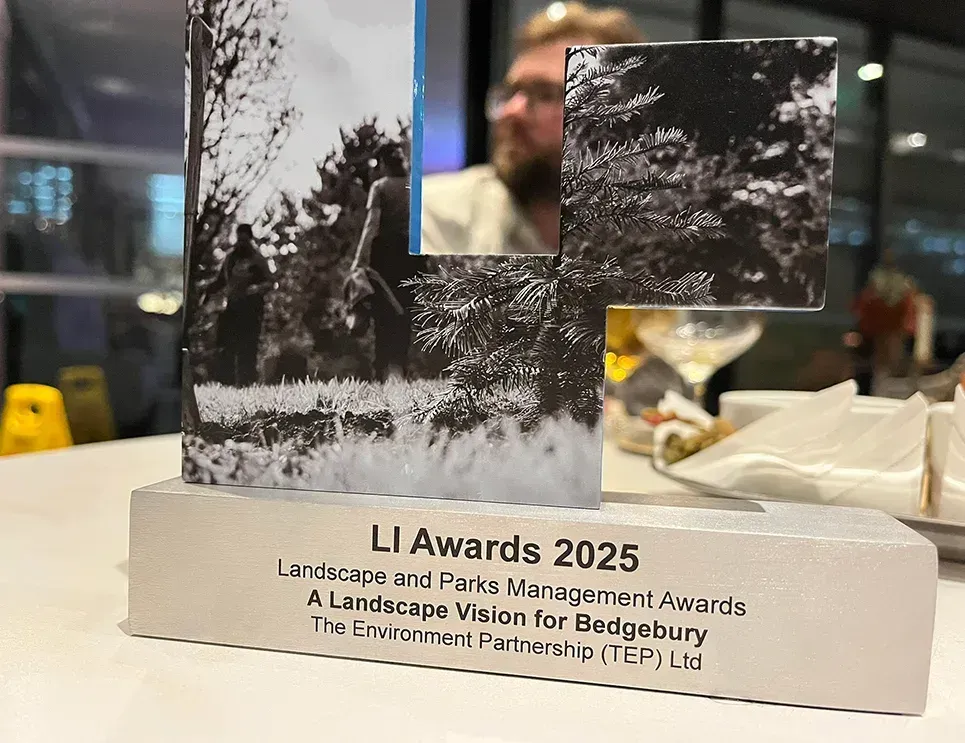
This geospatial collaborative approach continues to be demonstrated on a daily basis within TEP. Much of the workload for the expanded Geospatial skill team is focused on management of digital data from capture through to reporting, providing logical and innovative solutions. This has been demonstrated most recently in TEP’s recent Landscape Institute award success, highlighting what’s possible by collaborating with a range of services and the power of GIS to enable cohesive working environments with interactive, immersive and engaging platforms.

What’s Next for GIS? 


Looking ahead, GIS will become increasingly integrated with other environmental services, playing a vital role in facilitating communication and collaboration across different teams and stakeholders. Innovations such as AI-driven spatial analysis, real-time data monitoring, and immersive platforms are transforming how we understand and manage our environments. 


At TEP, we are committed to a digital transformation journey that enables all professionals to explore and analyse the spatial data they collect, identify trends, collaborate effectively, and produce engaging, interactive reports. While it’s impossible to predict every technological advance, one thing is certain: our Geospatial team will continue to champion collaborative GIS use across the organisation, ensuring that every service benefits from the strengths of digital geospatial data management. 


I’m hoping that in another 23 years’ time, when I’m celebrating GIS Day again, I’ll still have the 2025 profile picture, the grey hairs will hopefully still be there in some capacity and we’ll be celebrating more examples of GIS enabling collaborative working and environmental understanding. 


Happy GIS Day! 


Colin Bourne, Associate Director

22 April 2026
Delivering major infrastructure in sensitive environments requires a coordinated approach, bringing together a range of expertise to understand place, manage risk and support informed decision-making. Our work on the North Hykeham Relief Road (NHRR) in Lincolnshire is a strong example of this in practice, with teams from across TEP working together to support the delivery of this long-planned scheme. A long-planned piece of infrastructure The NHRR forms the final section of Lincoln’s ring road, a scheme that has been identified in Local Plans for around twenty years. As the project progressed, it required careful consideration of environmental constraints, historic assets and landscape character, alongside the practicalities of delivering a major new road. Working alongside Balfour Beatty and the wider project team, we provided a range of services spanning heritage and archaeology, planning, landscape, ecology and arboriculture. A coordinated programme of assessment and support underpinned the development of the scheme. Our Historic Environment team established the baseline through desk-based assessment, consultation and phased archaeological evaluation. This work identified areas of interest including sites of prehistoric activity, the important Roman road of Ermine Street, and a potential Roman villa complex, providing valuable insight into the long-term history of the site. These findings directly informed the design process, helping to shape the scheme in response to the site’s archaeological and historical context. The team also assessed potential impacts on sensitive heritage assets, including listed buildings and conservation areas, ensuring that the historic environment was fully considered as the project evolved.
21 April 2026
Bringing the world of books to life for blind or visually impaired children
14 April 2026
TEP is proud to be partnered with the award-winning initiative Time for Geograph y, whic h showcases the importance of geography and the diverse careers it can lead to. Time for Geography is a free, online education platform reaching schools and universities across the UK. Through a series of engaging video resources, it brings geography to life in the classroom, connecting academic learning with real-world challenges such as sustainability, climate change, urban planning and environmental management. Our contribution to the initiative forms part of the platform’s Careers Collection, where our team shares insight into the varied and rewarding pathways geography can open up. These resources are designed to help students understand how their studies translate into professional roles, offering a clearer view of the opportunities available within the environmental sector. We’re delighted that this collaboration has been recognised with a Highly Commended Geographical Association Publishers Award , which celebrates the careers-focused videos and resources developed to guide students towards further education and careers in our industry. With an audience of over 2.5 million this year, Time for Geography is a powerful example of how education and industry can come together to inspire future talent, showing how a subject studied in the classroom can lead to meaningful, real-world careers. For many of our colleagues at TEP, that journey began with a simple interest in geography at school. Today, that interest has grown into careers spanning ecology, arboriculture, heritage, planning, landscape design and environmental management. By sharing these experiences, we hope to encourage the next generation to see geography not only as a fascinating subject, but as a pathway into work that makes a tangible difference. We’re proud to support an initiative that is helping shape the future talent pipeline for our sector, and to inspire the environmental specialists of tomorrow. Learn more and watch our video: 
22 April 2026
Delivering major infrastructure in sensitive environments requires a coordinated approach, bringing together a range of expertise to understand place, manage risk and support informed decision-making. Our work on the North Hykeham Relief Road (NHRR) in Lincolnshire is a strong example of this in practice, with teams from across TEP working together to support the delivery of this long-planned scheme. A long-planned piece of infrastructure The NHRR forms the final section of Lincoln’s ring road, a scheme that has been identified in Local Plans for around twenty years. As the project progressed, it required careful consideration of environmental constraints, historic assets and landscape character, alongside the practicalities of delivering a major new road. Working alongside Balfour Beatty and the wider project team, we provided a range of services spanning heritage and archaeology, planning, landscape, ecology and arboriculture. A coordinated programme of assessment and support underpinned the development of the scheme. Our Historic Environment team established the baseline through desk-based assessment, consultation and phased archaeological evaluation. This work identified areas of interest including sites of prehistoric activity, the important Roman road of Ermine Street, and a potential Roman villa complex, providing valuable insight into the long-term history of the site. These findings directly informed the design process, helping to shape the scheme in response to the site’s archaeological and historical context. The team also assessed potential impacts on sensitive heritage assets, including listed buildings and conservation areas, ensuring that the historic environment was fully considered as the project evolved.
21 April 2026
Bringing the world of books to life for blind or visually impaired children
22 April 2026
Delivering major infrastructure in sensitive environments requires a coordinated approach, bringing together a range of expertise to understand place, manage risk and support informed decision-making. Our work on the North Hykeham Relief Road (NHRR) in Lincolnshire is a strong example of this in practice, with teams from across TEP working together to support the delivery of this long-planned scheme. A long-planned piece of infrastructure The NHRR forms the final section of Lincoln’s ring road, a scheme that has been identified in Local Plans for around twenty years. As the project progressed, it required careful consideration of environmental constraints, historic assets and landscape character, alongside the practicalities of delivering a major new road. Working alongside Balfour Beatty and the wider project team, we provided a range of services spanning heritage and archaeology, planning, landscape, ecology and arboriculture. A coordinated programme of assessment and support underpinned the development of the scheme. Our Historic Environment team established the baseline through desk-based assessment, consultation and phased archaeological evaluation. This work identified areas of interest including sites of prehistoric activity, the important Roman road of Ermine Street, and a potential Roman villa complex, providing valuable insight into the long-term history of the site. These findings directly informed the design process, helping to shape the scheme in response to the site’s archaeological and historical context. The team also assessed potential impacts on sensitive heritage assets, including listed buildings and conservation areas, ensuring that the historic environment was fully considered as the project evolved.
21 April 2026
Bringing the world of books to life for blind or visually impaired children
14 April 2026
TEP is proud to be partnered with the award-winning initiative Time for Geograph y, whic h showcases the importance of geography and the diverse careers it can lead to. Time for Geography is a free, online education platform reaching schools and universities across the UK. Through a series of engaging video resources, it brings geography to life in the classroom, connecting academic learning with real-world challenges such as sustainability, climate change, urban planning and environmental management. Our contribution to the initiative forms part of the platform’s Careers Collection, where our team shares insight into the varied and rewarding pathways geography can open up. These resources are designed to help students understand how their studies translate into professional roles, offering a clearer view of the opportunities available within the environmental sector. We’re delighted that this collaboration has been recognised with a Highly Commended Geographical Association Publishers Award , which celebrates the careers-focused videos and resources developed to guide students towards further education and careers in our industry. With an audience of over 2.5 million this year, Time for Geography is a powerful example of how education and industry can come together to inspire future talent, showing how a subject studied in the classroom can lead to meaningful, real-world careers. For many of our colleagues at TEP, that journey began with a simple interest in geography at school. Today, that interest has grown into careers spanning ecology, arboriculture, heritage, planning, landscape design and environmental management. By sharing these experiences, we hope to encourage the next generation to see geography not only as a fascinating subject, but as a pathway into work that makes a tangible difference. We’re proud to support an initiative that is helping shape the future talent pipeline for our sector, and to inspire the environmental specialists of tomorrow. Learn more and watch our video: