Replacing Sappers Bridge: Connecting Communities in Snowdonia

Replacing Sappers Bridge: Connecting Communities in Snowdonia

Replacing Sappers Bridge: Connecting Communities in Snowdonia
November 10, 2025

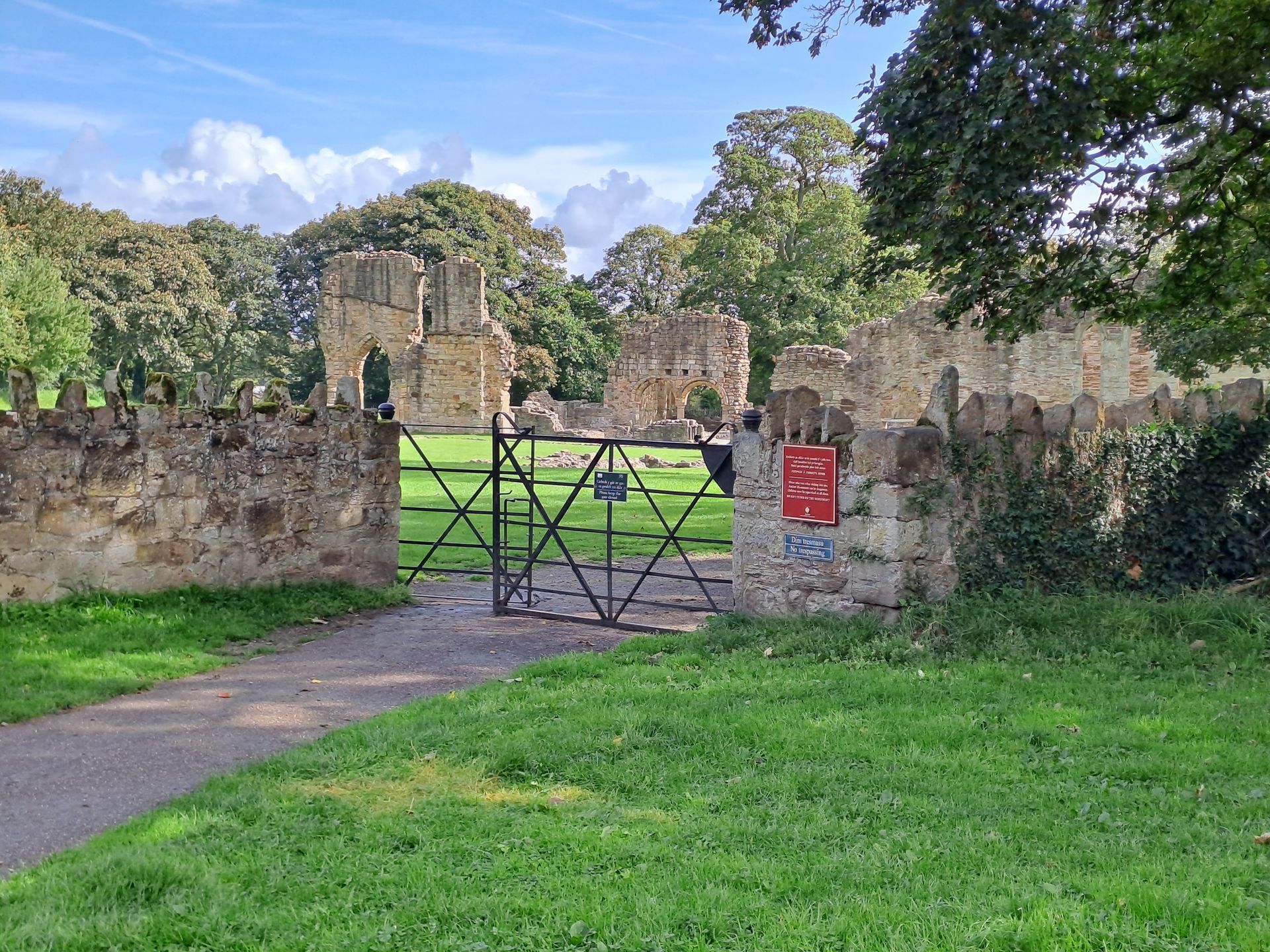
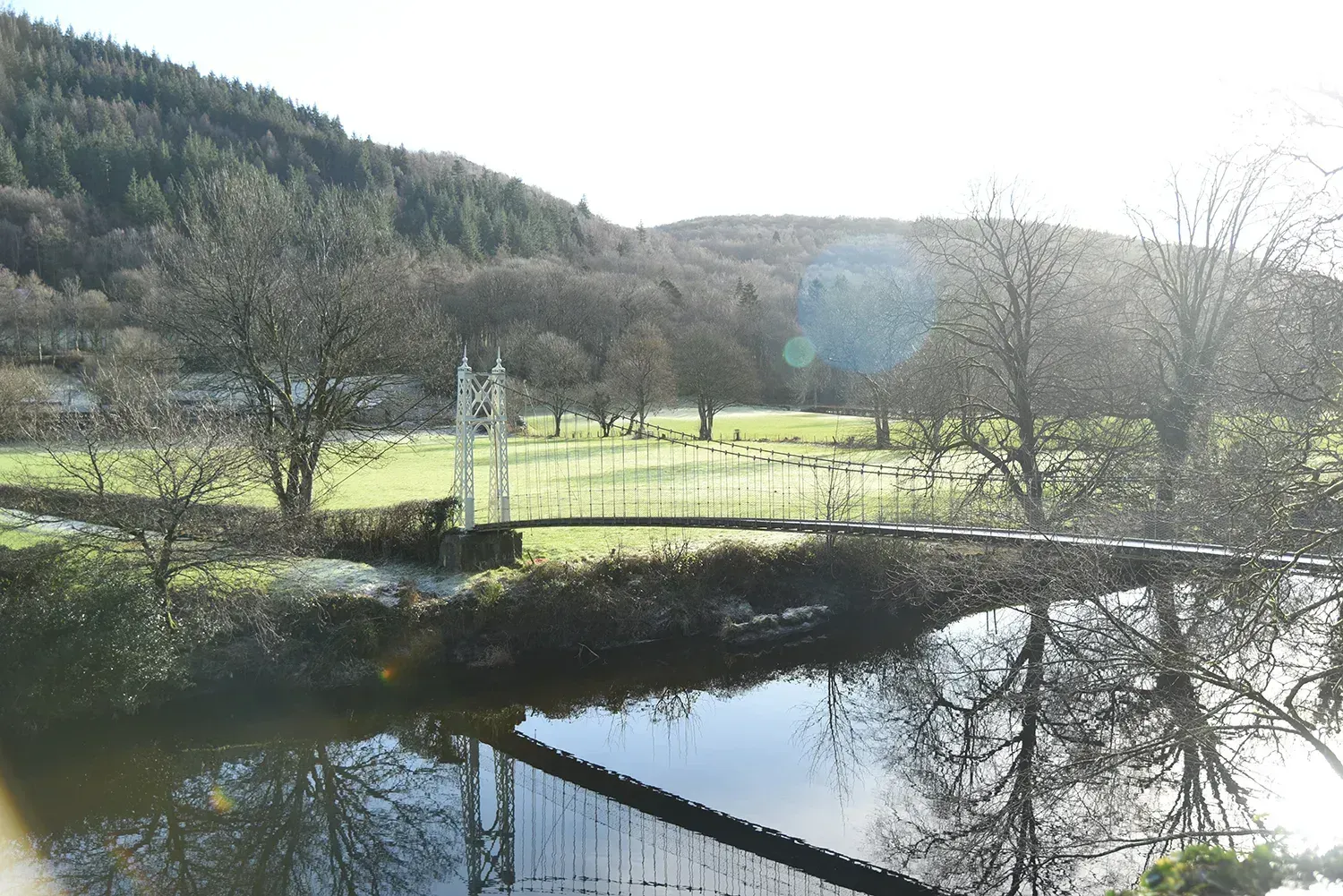
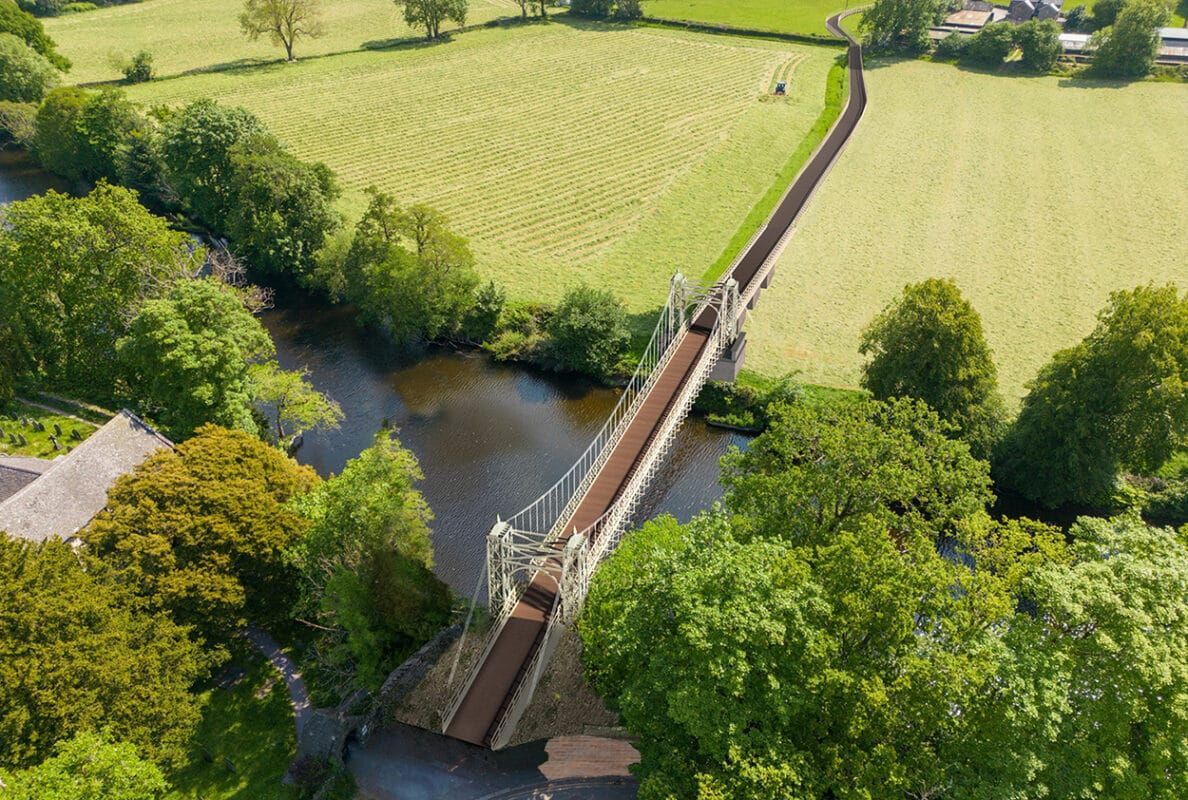
We have secured planning permission for Conwy County Borough Council to replace the footbridge across the River Conwy in Betws-y-Coed and upgrade the surrounding public right of way. The site sits within the stunning Eryri National Park in Snowdonia and is adjacent to the Betws-y-Coed Conservation Area, so careful planning and design were essential.

The existing footbridge had been closed due to safety concerns and needed replacing to restore the active travel link. With funding secured by Conwy Council to improve active travel, this project forms part of a wider investment in the Coast to Valley Active Travel Route. We issued an EIA Screening Opinion, and the Local Planning Authority confirmed that no full Environmental Impact Assessment was required. We also prepared a robust planning case to justify development within a National Park, highlighting the benefits of improving active travel, reducing reliance on cars, and promoting local tourism.

Heritage and landscape were key considerations. A heritage assessment was undertaken which confirmed there would be no harm to the adjacent conservation area or nearby listed building, while a landscape assessment demonstrated that the development would not negatively impact the surrounding environment. Impacts on trees were carefully reviewed. We advised on mitigation measures to minimise tree loss and on the number of replacement trees required under planning policy.

Given the ecological sensitivity of the site, our Ecology team carried out surveys for bats, water voles, otters, great crested newts, barn owls, invasive species, and hedgerows. We advised on the design and proposed mitigation measures to ensure the development met planning requirements. We also prepared a Green Infrastructure Statement to demonstrate that a net benefit for biodiversity has been achieved, in line with Welsh planning policy. Our Landscape Design team developed a detailed planting plan along the active travel route to replace lost vegetation and comply with policy requirements.

During the planning process, we responded to and addressed concerns raised by Natural Resources Wales, including the impact of proposed lighting on bats and the local landscape character. The application was approved in March 2025 and construction is now underway. We’re looking forward to seeing the new bridge reconnect the community, support sustainable travel, and enhance this beautiful part of Snowdonia.

September 22, 2026
The publication of the new NPPF 2026 represents an important shift in national heritage planning policy. While the fundamental objective of conserving the historic environment remains unchanged, the new framework restructures how that policy is presented and introduces some important changes in how heritage assets are assessed and weighed in decision-making.
August 19, 2026
As Biodiversity Net Gain becomes an increasingly important part of the planning system, local authorities are exploring how their land assets can play a greater role in supporting nature recovery while creating long-term environmental value. To help inform its approach, Newcastle-under-Lyme Borough Council commissioned TEP to assess the Biodiversity Net Gain potential across approximately 500 Council-owned landholdings. Using bespoke desk-based software the project sought to establish a robust baseline of biodiversity value, identify opportunities for habitat enhancement and provide strategic recommendations on how the Council could utilise its land assets to support the delivery of Biodiversity Net Gain .
August 12, 2026
We are absolutely delighted to announce that we have once again been awarded Investors in People Gold accreditation, recognising our continued commitment to creating an exceptional workplace culture and supporting our people to thrive. Investors in People is an internationally recognised accreditation and framework for improving workplace culture, leadership and people management. Since its launch in 1991, it has helped organisations across the world to lead, support and develop their people more effectively. Today, the framework is used by organisations in over 100 countries and provides a robust benchmark for assessing workplace culture and employee experience. Achieving Gold status is a significant accomplishment and places TEP among a select group of organisations demonstrating outstanding people practices. Only around 28% of Investors in People accredited organisations achieve Gold, highlighting the strength of our culture and commitment to continuous improvement. The assessment process includes an independent evaluation of leadership, communication, employee engagement, learning and development, organisational culture and wellbeing. Colleagues are invited to provide confidential feedback through surveys and interviews, ensuring the accreditation reflects the real experiences of people across the business. This achievement is particularly meaningful because it is based on direct feedback from our people and recognises the positive, supportive and collaborative environment we continue to build together.
September 22, 2026
The publication of the new NPPF 2026 represents an important shift in national heritage planning policy. While the fundamental objective of conserving the historic environment remains unchanged, the new framework restructures how that policy is presented and introduces some important changes in how heritage assets are assessed and weighed in decision-making.
August 19, 2026
As Biodiversity Net Gain becomes an increasingly important part of the planning system, local authorities are exploring how their land assets can play a greater role in supporting nature recovery while creating long-term environmental value. To help inform its approach, Newcastle-under-Lyme Borough Council commissioned TEP to assess the Biodiversity Net Gain potential across approximately 500 Council-owned landholdings. Using bespoke desk-based software the project sought to establish a robust baseline of biodiversity value, identify opportunities for habitat enhancement and provide strategic recommendations on how the Council could utilise its land assets to support the delivery of Biodiversity Net Gain .
September 22, 2026
The publication of the new NPPF 2026 represents an important shift in national heritage planning policy. While the fundamental objective of conserving the historic environment remains unchanged, the new framework restructures how that policy is presented and introduces some important changes in how heritage assets are assessed and weighed in decision-making.

August 19, 2026
As Biodiversity Net Gain becomes an increasingly important part of the planning system, local authorities are exploring how their land assets can play a greater role in supporting nature recovery while creating long-term environmental value. To help inform its approach, Newcastle-under-Lyme Borough Council commissioned TEP to assess the Biodiversity Net Gain potential across approximately 500 Council-owned landholdings. Using bespoke desk-based software the project sought to establish a robust baseline of biodiversity value, identify opportunities for habitat enhancement and provide strategic recommendations on how the Council could utilise its land assets to support the delivery of Biodiversity Net Gain .
August 12, 2026
We are absolutely delighted to announce that we have once again been awarded Investors in People Gold accreditation, recognising our continued commitment to creating an exceptional workplace culture and supporting our people to thrive. Investors in People is an internationally recognised accreditation and framework for improving workplace culture, leadership and people management. Since its launch in 1991, it has helped organisations across the world to lead, support and develop their people more effectively. Today, the framework is used by organisations in over 100 countries and provides a robust benchmark for assessing workplace culture and employee experience. Achieving Gold status is a significant accomplishment and places TEP among a select group of organisations demonstrating outstanding people practices. Only around 28% of Investors in People accredited organisations achieve Gold, highlighting the strength of our culture and commitment to continuous improvement. The assessment process includes an independent evaluation of leadership, communication, employee engagement, learning and development, organisational culture and wellbeing. Colleagues are invited to provide confidential feedback through surveys and interviews, ensuring the accreditation reflects the real experiences of people across the business. This achievement is particularly meaningful because it is based on direct feedback from our people and recognises the positive, supportive and collaborative environment we continue to build together.