Helping to Shape Manchester’s Environmental Future

Helping to Shape Manchester’s Environmental Future

Helping to Shape Manchester’s Environmental Future
20 October 2025

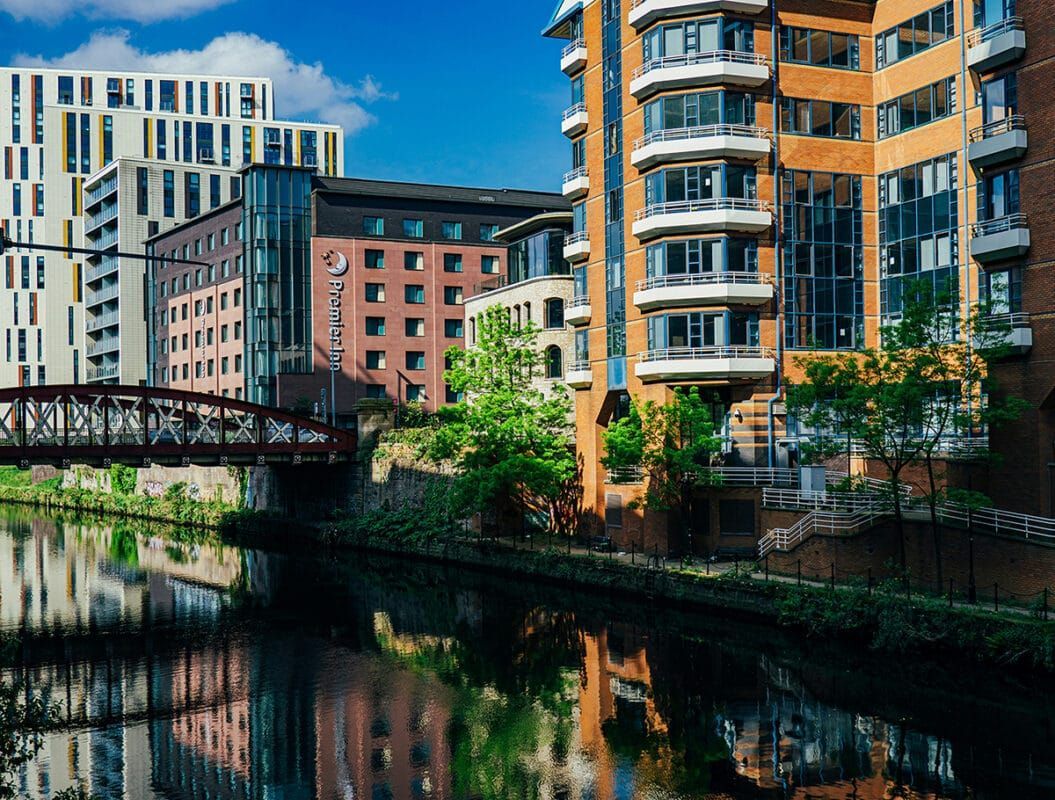
Manchester City Council has recently released its draft Local Plan for consultation, and TEP is proud to have played a key role in shaping the city’s environmental policies.


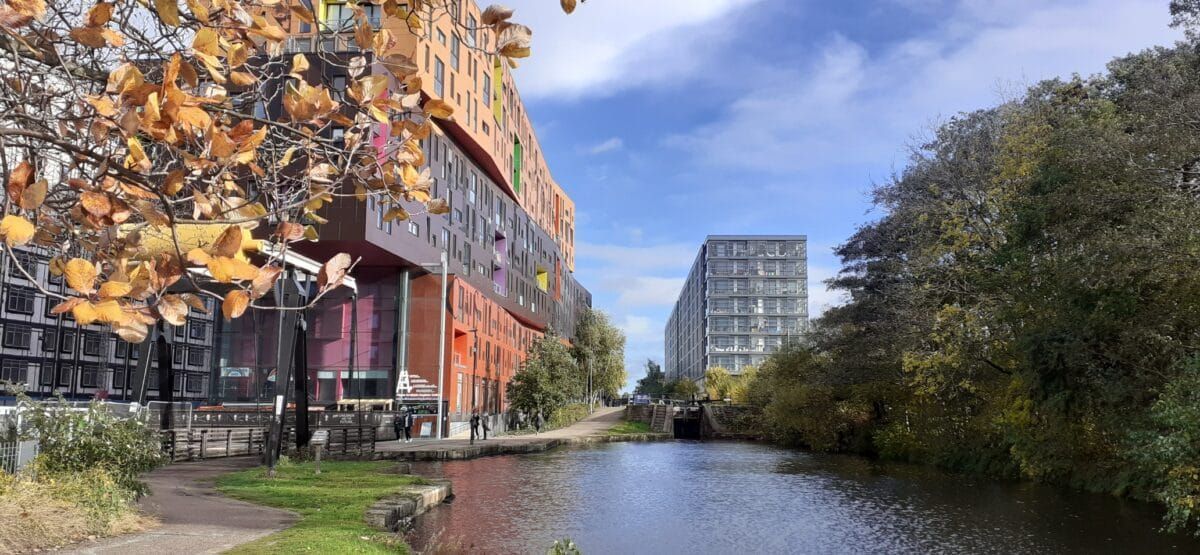
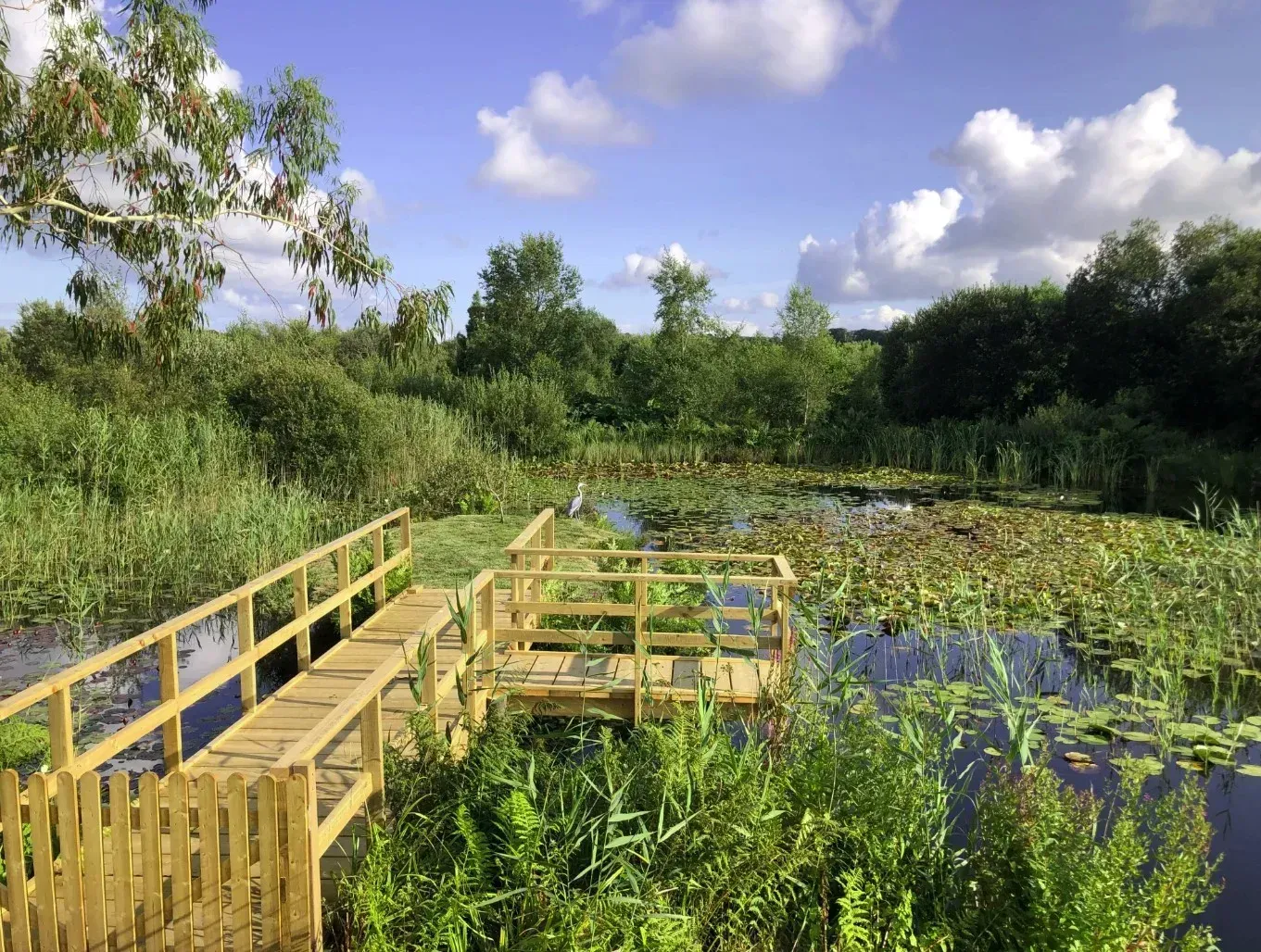
The Environment and Social Infrastructure chapters highlight the vital role of nature and open spaces in city life, from supporting health and wellbeing to improving resilience against climate change and flooding. Policies on green and blue infrastructure, biodiversity, and urban greening put the natural environment at the heart of Manchester’s future development, and ensure natural spaces remain central to the city’s growth.


TEP’s Evidence Behind the Plan


TEP led several foundational studies that informed these policies, working with partners Mersey Rivers Trust, Groundwork Greater Manchester, Lancashire Wildlife Trust and City of Trees who contributed local expertise and consulted with local communities, politicians and environmentalists.

Our studies were:


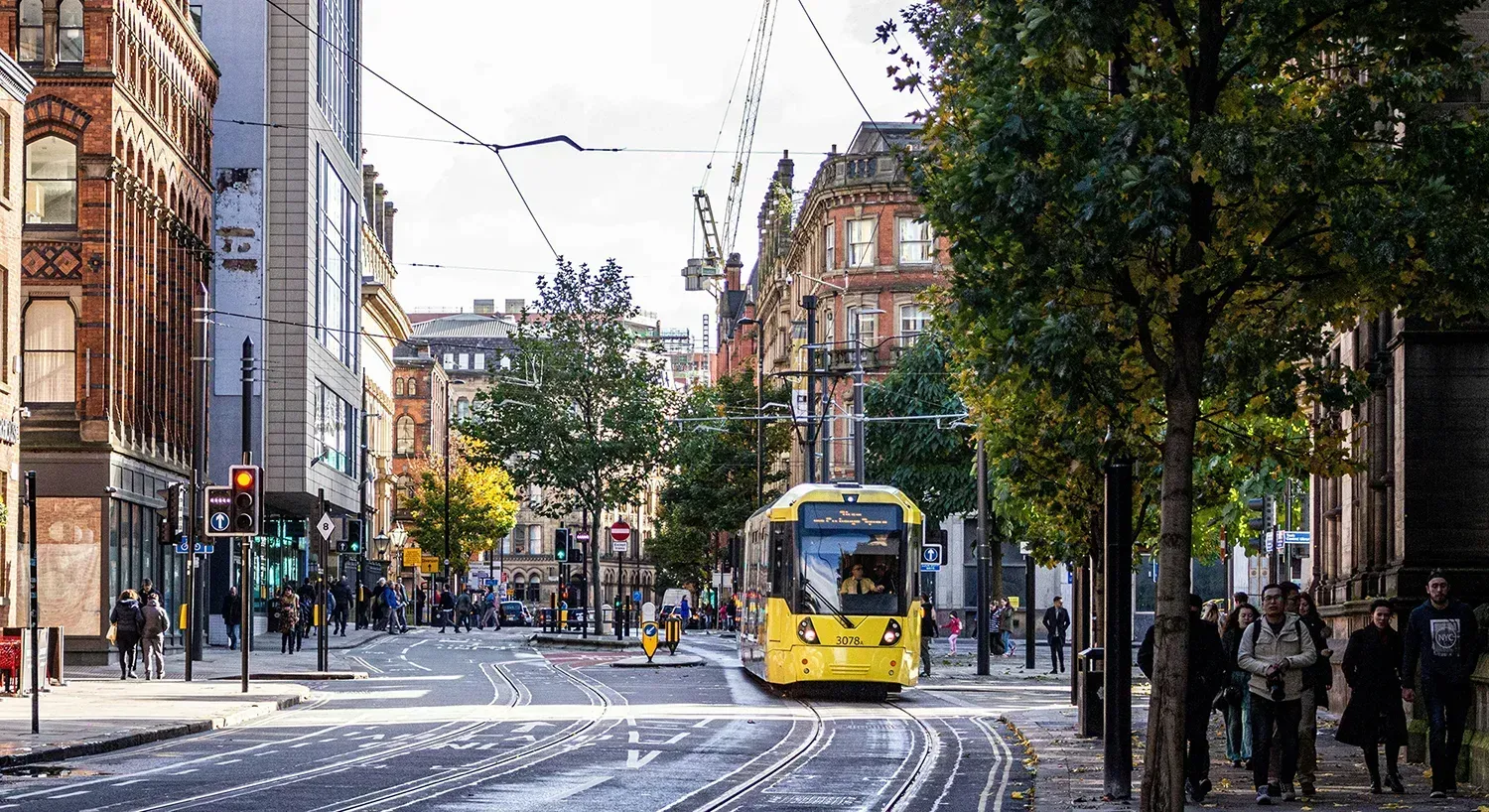
🌿 Managing Manchester’s Trees:
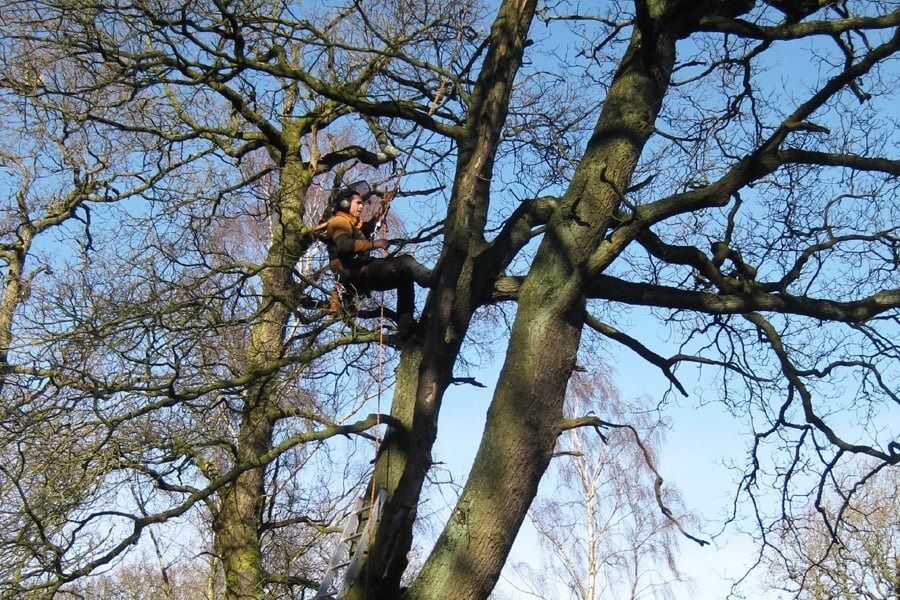
An assessment of the city’s tree stock and canopy cover, providing ward-by-ward guidance for tree protection and new planting. The study included a nostalgic look back at tree planting initiatives in the city over the last 100 years.


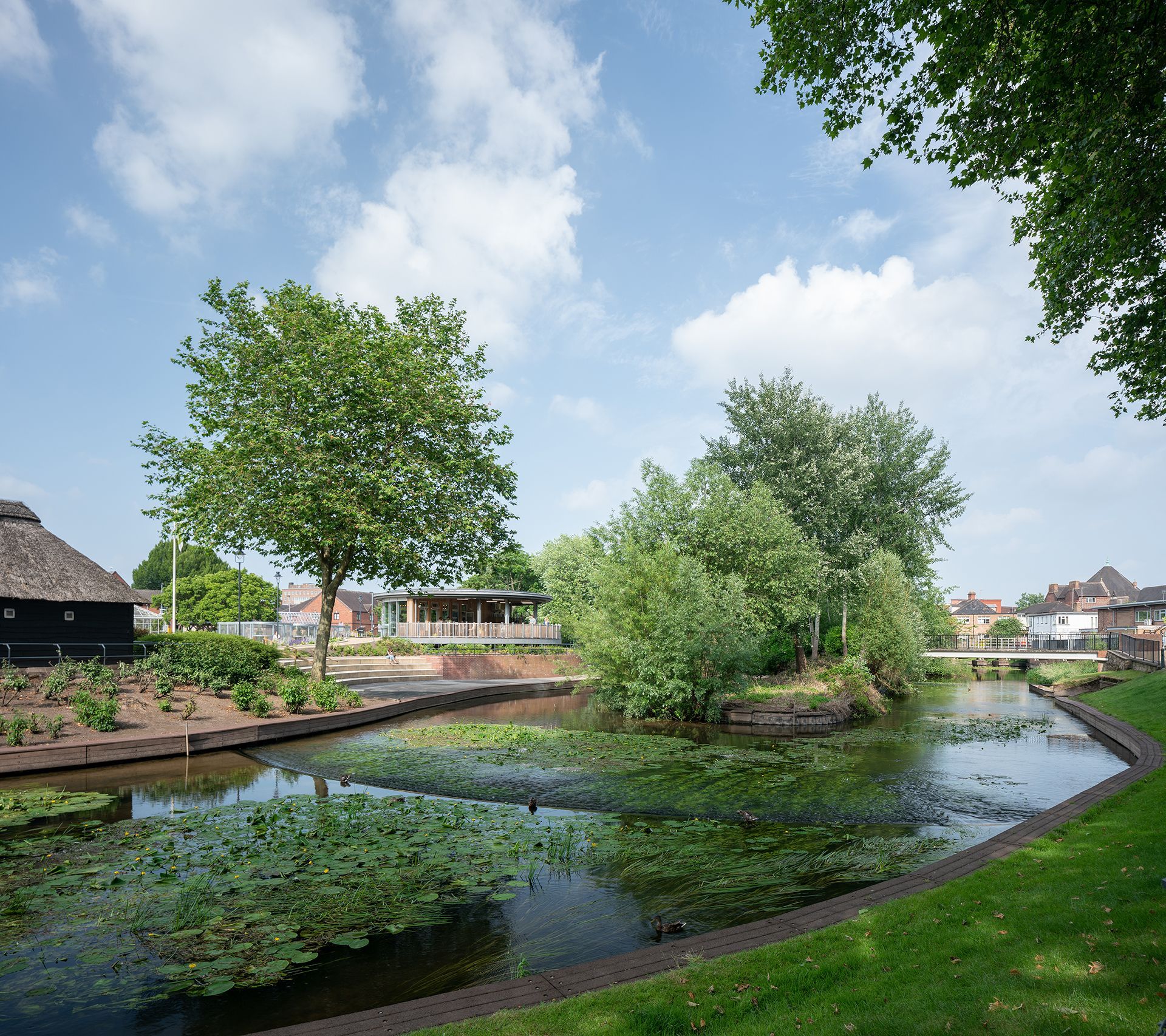
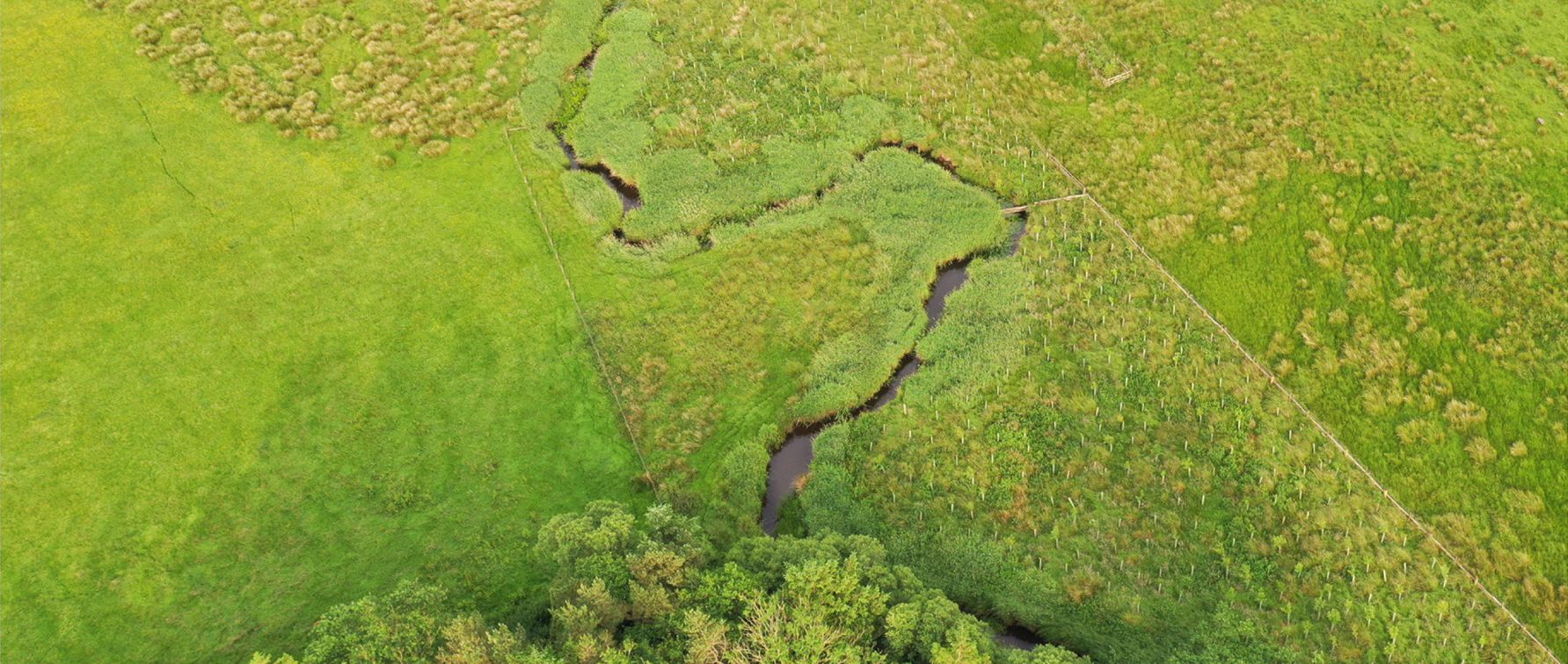
🌿 Our Rivers Our City:
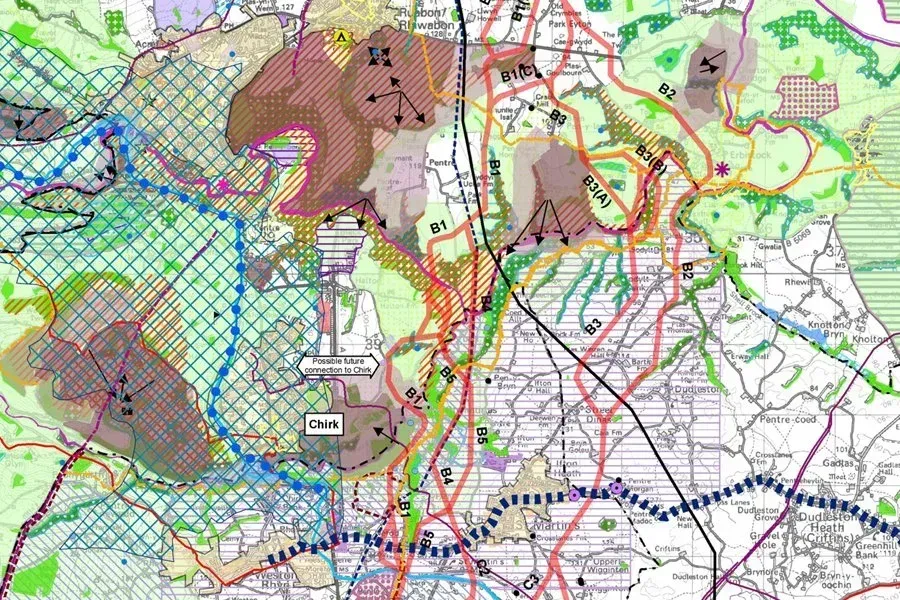
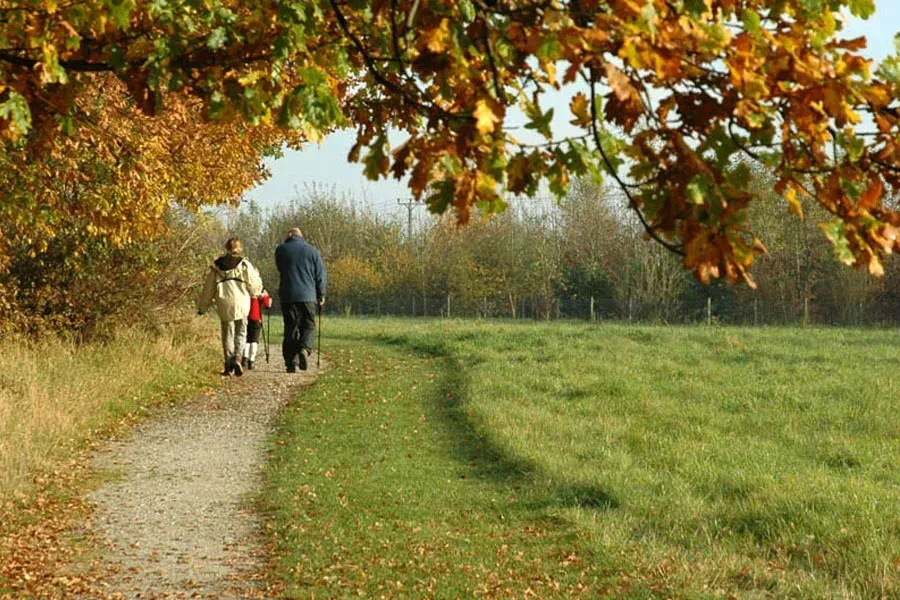
Mapping river valleys and waterways, identifying opportunities for ecological restoration, climate resilience, and improved public access; all measures to help Manchester become a ‘Sponge City’.


🌿 Biodiversity Net Gain Study:
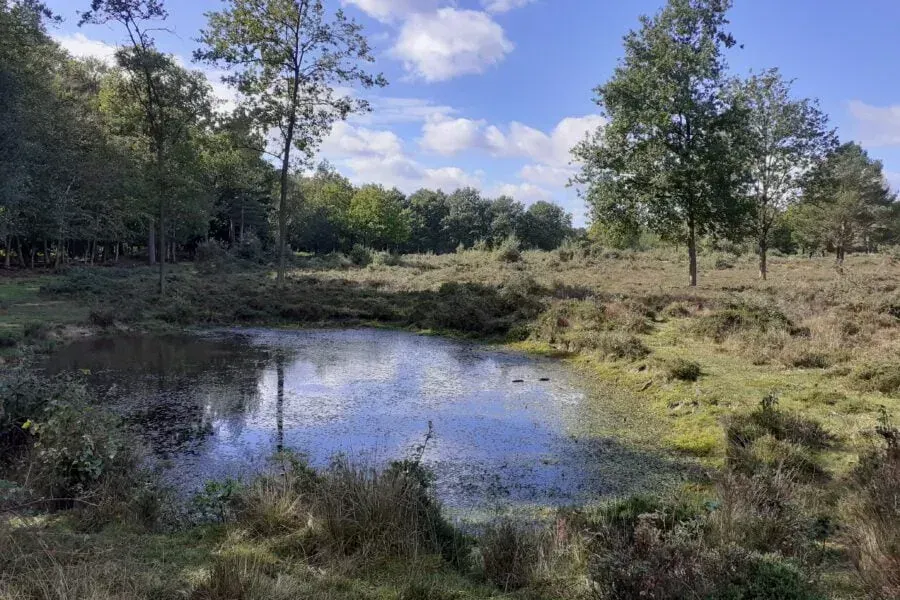
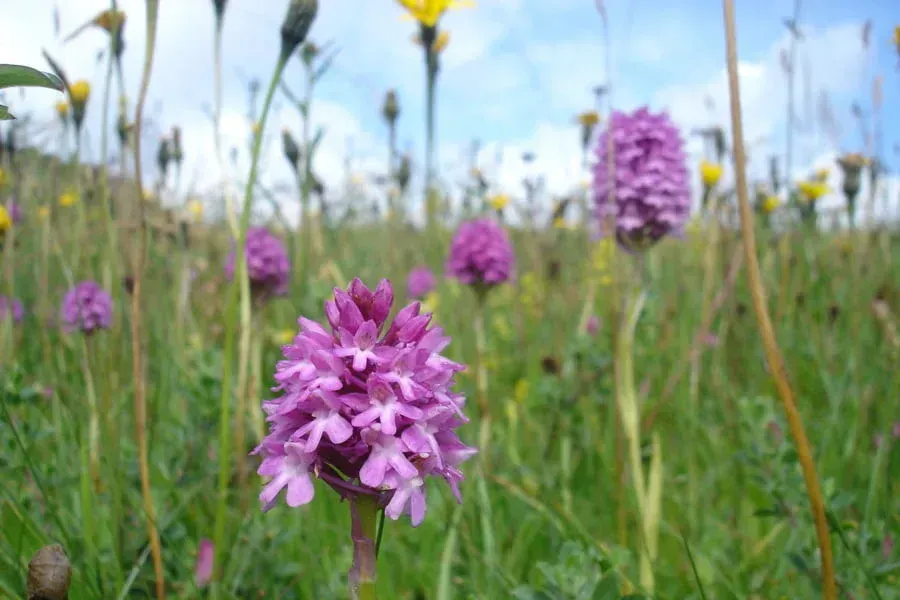
Predicting the likely demand for biodiversity units from the city’s ambitious growth plans and identifying Council-owned land that could become a habitat bank.


🌿 Urban Green Factor Study:
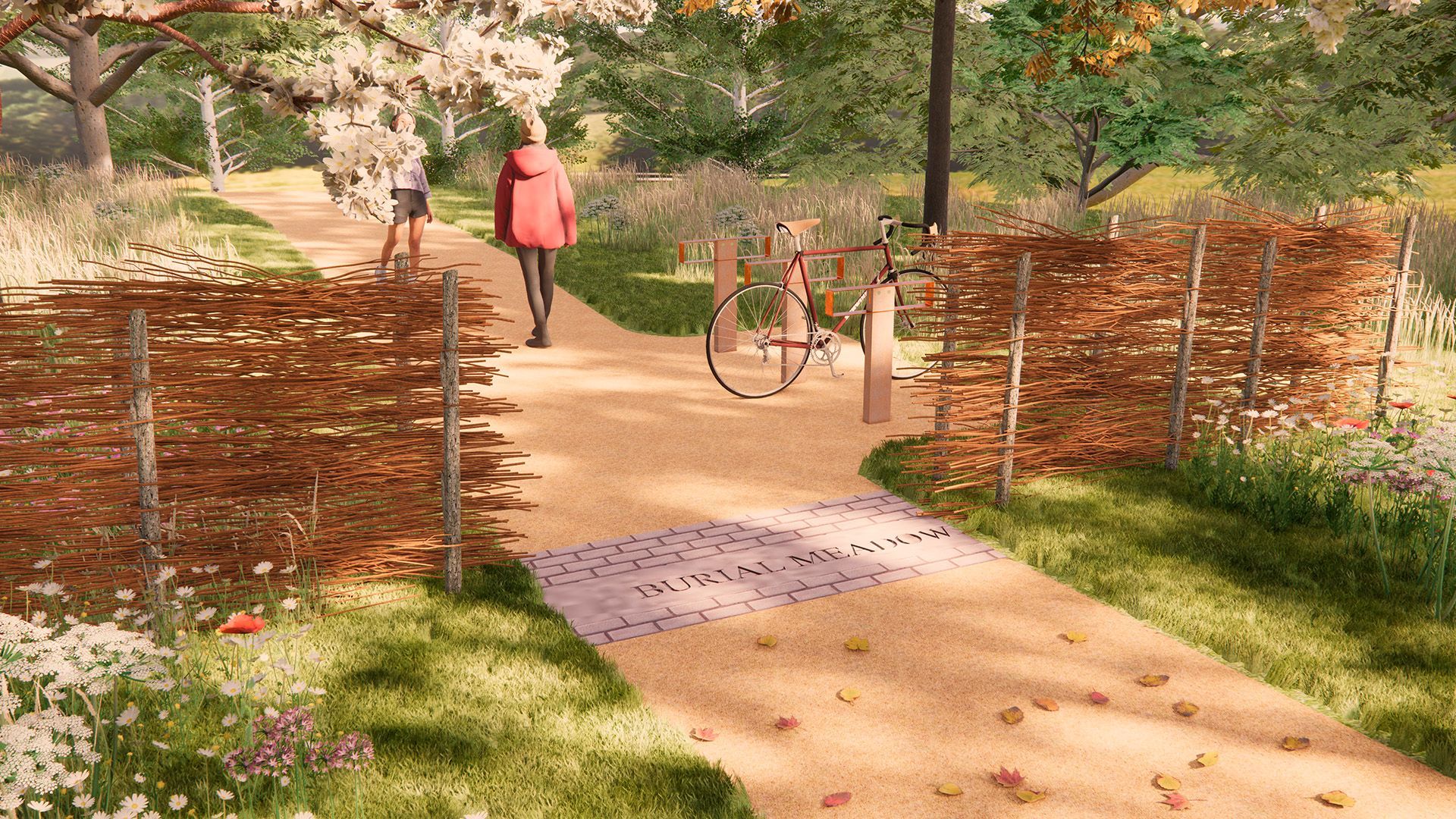
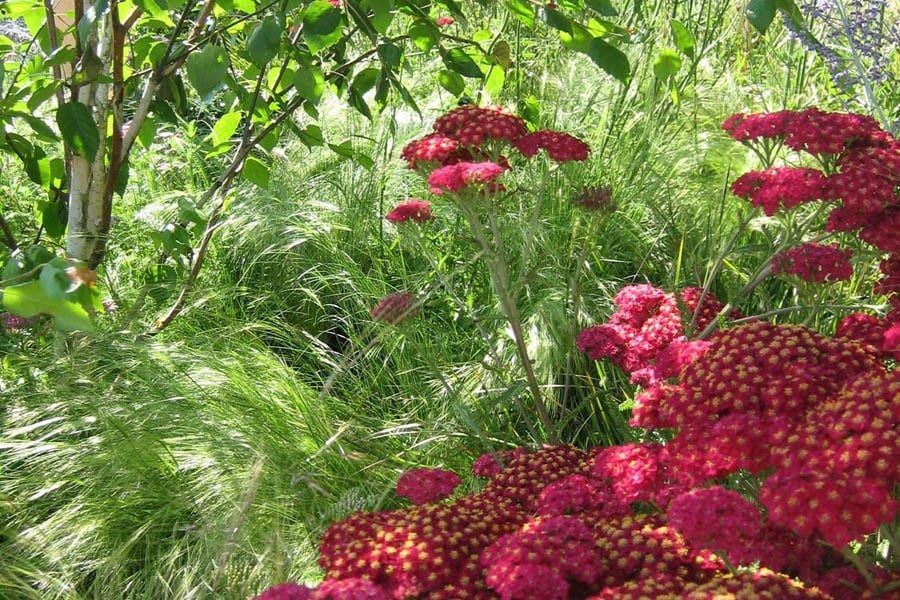
Providing practical guidance for integrating nature-based solutions into new developments, ensuring that growth enhances biodiversity and climatic resilience.


🌿 Open Space Assessment:
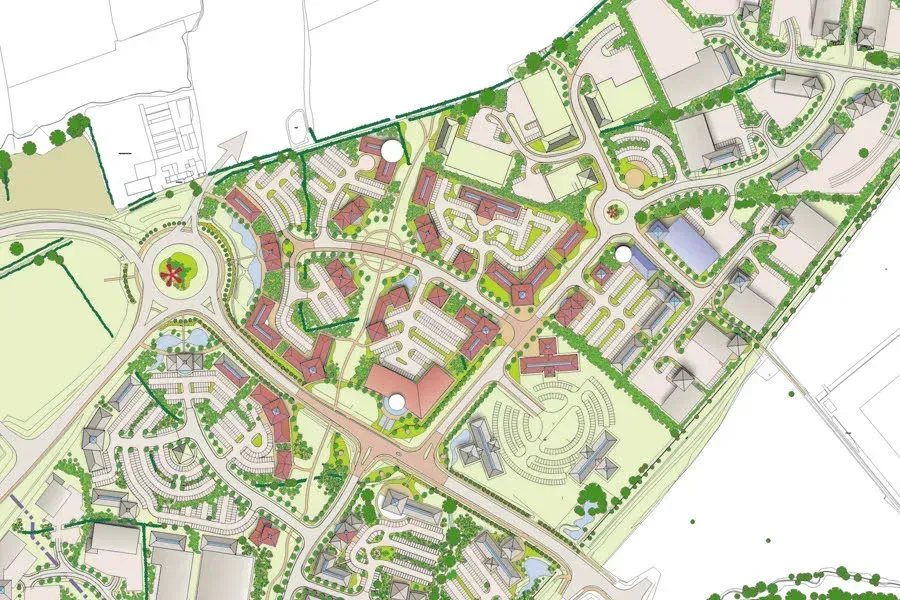
Working with the Local plan team to produce webmaps to help them analyse Open Space needs.


Our Arboriculture, Land Management, Landscape Design, Geospatial, Ecology, Planning and Heritage teams collaborated to deliver these studies, providing a broad-ranging evidence base for policies designed to enhance green and blue infrastructure, improve ecosystem services, and ensure Manchester’s future development is sustainable, resilient, and nature-positive.

Fran Hesketh, Technical Director and Founder of TEP, said:

“Contributing to the city’s environmental strategy is a tremendous privilege. Our multi-disciplinary collaboration ensures that our research supports both people and nature, shaping a greener, more resilient Manchester.”

27 May 2026
We have been proud to support the regeneration of the Grade II Listed Earlestown Town Hall, one of the most historically and visually significant buildings in the town centre. Dating from the late 19th century, the Flemish-inspired civic building occupies a commanding position within Earlestown and has long served as a local landmark and community venue. Over the years, the Town Hall has played host to generations of local events and performances, including an appearance by The Beatles during the early years of their rise to fame. Commissioned by ECF, we provided heritage and archaeology consultancy services to support the redevelopment and restoration of the building as part of wider regeneration ambitions for Earlestown town centre. Working as part of a multidisciplinary team, we offered heritage advice throughout the pre-application stage, helping to shape proposals that would be sympathetic to the building’s historic character while enabling it to meet modern community needs.
20 May 2026
Explore what the Energy Independence Bill could mean for renewable energy, planning reform and UK infrastructure projects.
19 May 2026
If you are planning a development, managing land, or need advice on great crested newts or other protected species, contact us today.
27 May 2026
We have been proud to support the regeneration of the Grade II Listed Earlestown Town Hall, one of the most historically and visually significant buildings in the town centre. Dating from the late 19th century, the Flemish-inspired civic building occupies a commanding position within Earlestown and has long served as a local landmark and community venue. Over the years, the Town Hall has played host to generations of local events and performances, including an appearance by The Beatles during the early years of their rise to fame. Commissioned by ECF, we provided heritage and archaeology consultancy services to support the redevelopment and restoration of the building as part of wider regeneration ambitions for Earlestown town centre. Working as part of a multidisciplinary team, we offered heritage advice throughout the pre-application stage, helping to shape proposals that would be sympathetic to the building’s historic character while enabling it to meet modern community needs.
20 May 2026
Explore what the Energy Independence Bill could mean for renewable energy, planning reform and UK infrastructure projects.
27 May 2026
We have been proud to support the regeneration of the Grade II Listed Earlestown Town Hall, one of the most historically and visually significant buildings in the town centre. Dating from the late 19th century, the Flemish-inspired civic building occupies a commanding position within Earlestown and has long served as a local landmark and community venue. Over the years, the Town Hall has played host to generations of local events and performances, including an appearance by The Beatles during the early years of their rise to fame. Commissioned by ECF, we provided heritage and archaeology consultancy services to support the redevelopment and restoration of the building as part of wider regeneration ambitions for Earlestown town centre. Working as part of a multidisciplinary team, we offered heritage advice throughout the pre-application stage, helping to shape proposals that would be sympathetic to the building’s historic character while enabling it to meet modern community needs.
20 May 2026
Explore what the Energy Independence Bill could mean for renewable energy, planning reform and UK infrastructure projects.
19 May 2026
If you are planning a development, managing land, or need advice on great crested newts or other protected species, contact us today.