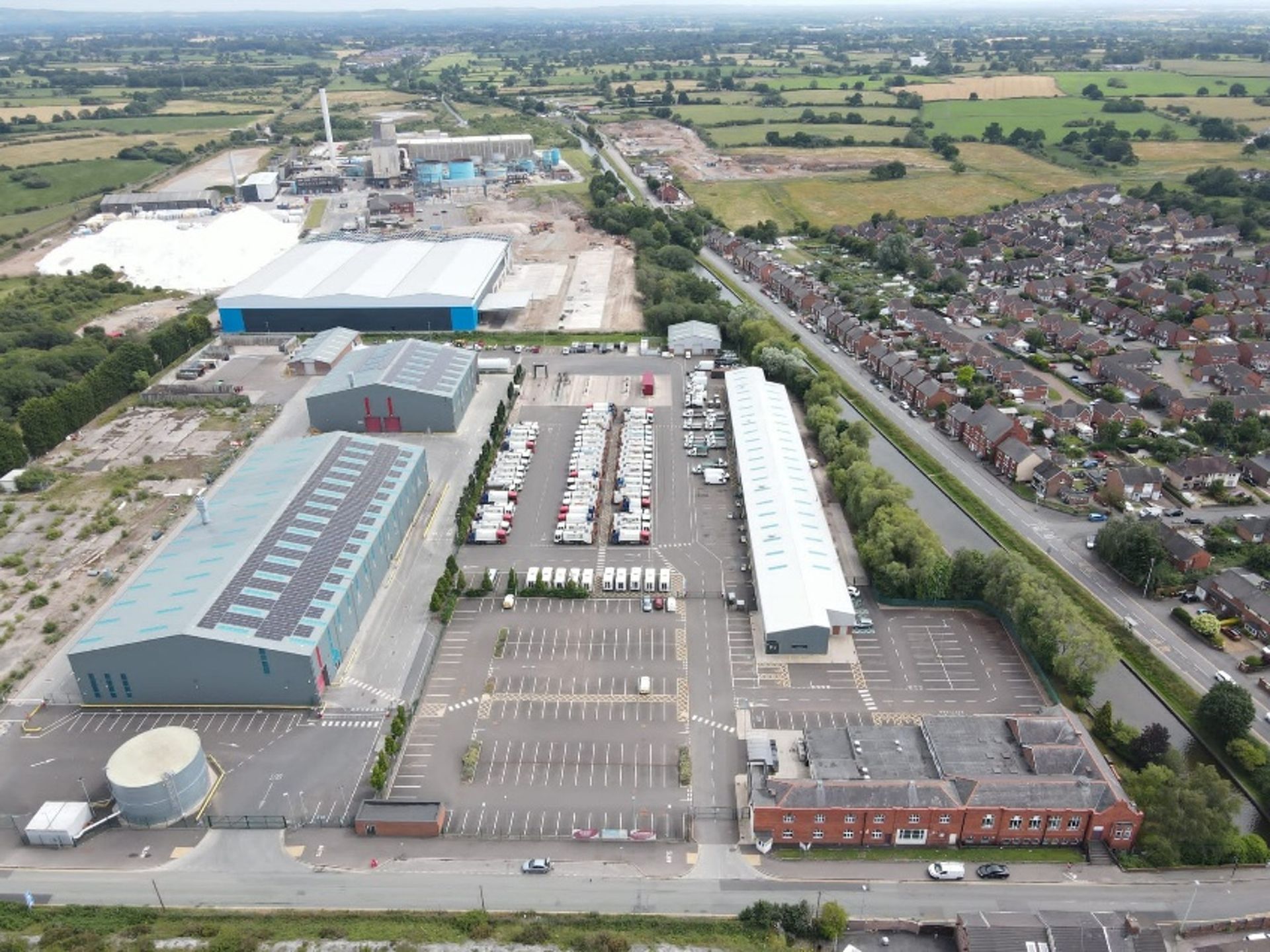
On behalf of Cheshire East Council, TEP has secured consent for the expansion of the Environmental Services Hub site. The expansion will facilitate a weekly food waste collection service for every property in the borough, helping Cheshire East Council prepare for a new statutory requirement from central government due to come into force from 2026-2027. To achieve this, we prepared and managed three planning applications: A full application for 84 new employee parking spaces, a bin storage area and a security lodge; A non-material amendment application for the reconfiguration of the existing site layout; and A variation of condition application to increase the limit on vehicle movements. The project began with a pre-application advice request, followed by discussions with the local planning authority to confirm the applications and supporting information required for submission. A key element of the project was the preparation of a planning needs case. This justified the development remaining at the Environmental Services Hub site, rather than a 'preferred site' identified within the council's Waste Plan. The case also identified the benefits of increasing recycling rates and supporting sustainable waste management across the borough. To support the applications, traffic surveys were commissioned and a Transport Statement was prepared, demonstrating that the proposals would have no negative impact on the local highway network. A Transport Note was also produced to establish the number of vehicle movements that should be permitted through the variation of condition application. Air quality and noise assessments were also undertaken to demonstrate that impacts would be limited and acceptable.
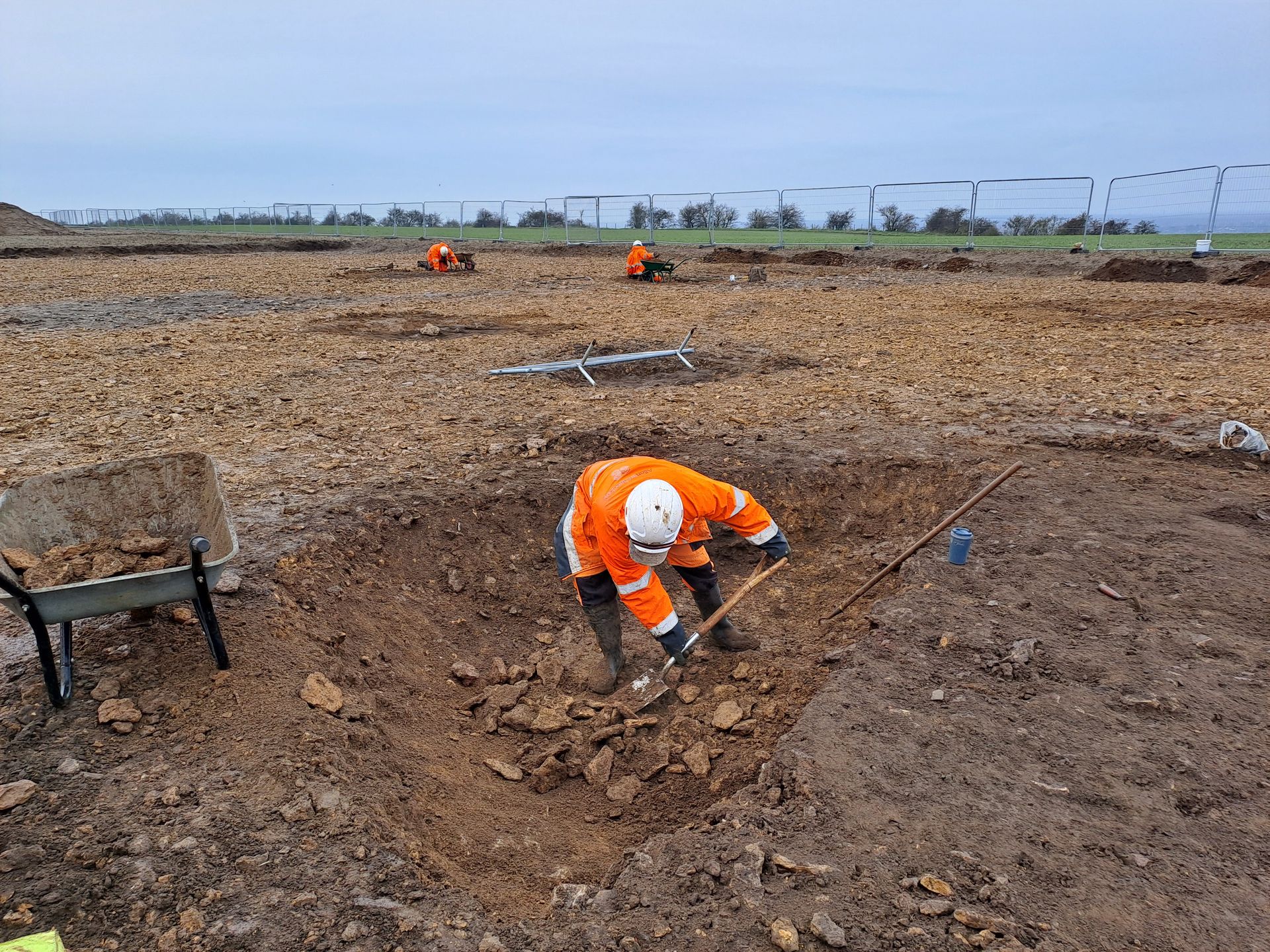
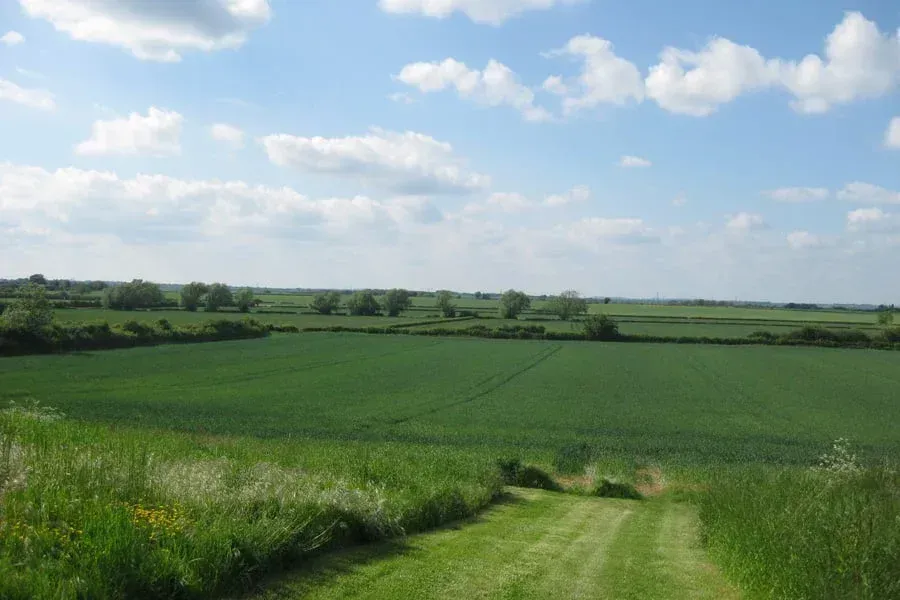
Delivering major infrastructure in sensitive environments requires a coordinated approach, bringing together a range of expertise to understand place, manage risk and support informed decision-making. Our work on the North Hykeham Relief Road (NHRR) in Lincolnshire is a strong example of this in practice, with teams from across TEP working together to support the delivery of this long-planned scheme. A long-planned piece of infrastructure The NHRR forms the final section of Lincoln’s ring road, a scheme that has been identified in Local Plans for around twenty years. As the project progressed, it required careful consideration of environmental constraints, historic assets and landscape character, alongside the practicalities of delivering a major new road. Working alongside Balfour Beatty and the wider project team, we provided a range of services spanning heritage and archaeology, planning, landscape, ecology and arboriculture. A coordinated programme of assessment and support underpinned the development of the scheme. Our Historic Environment team established the baseline through desk-based assessment, consultation and phased archaeological evaluation. This work identified areas of interest including sites of prehistoric activity, the important Roman road of Ermine Street, and a potential Roman villa complex, providing valuable insight into the long-term history of the site. These findings directly informed the design process, helping to shape the scheme in response to the site’s archaeological and historical context. The team also assessed potential impacts on sensitive heritage assets, including listed buildings and conservation areas, ensuring that the historic environment was fully considered as the project evolved.
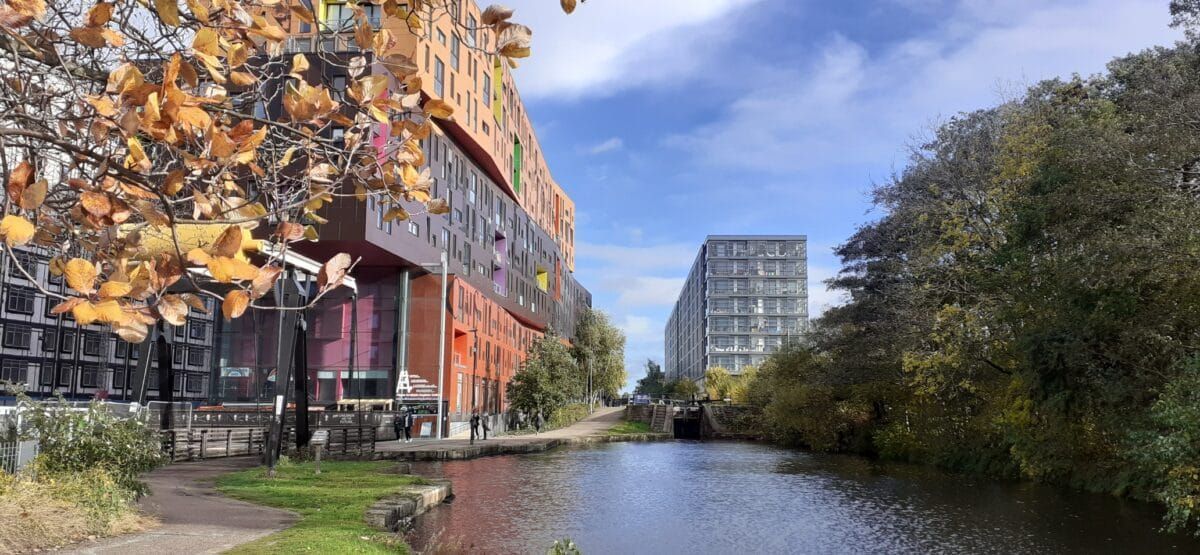
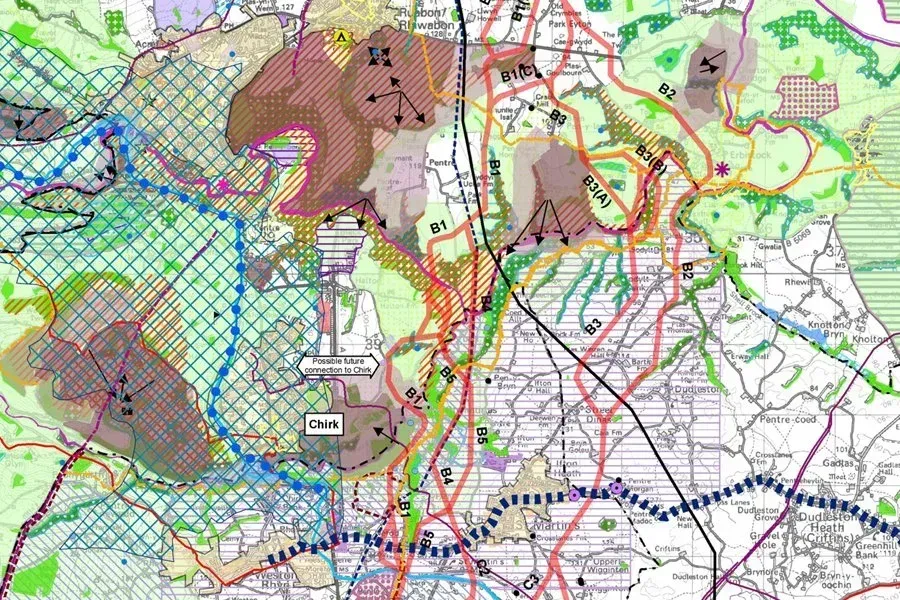
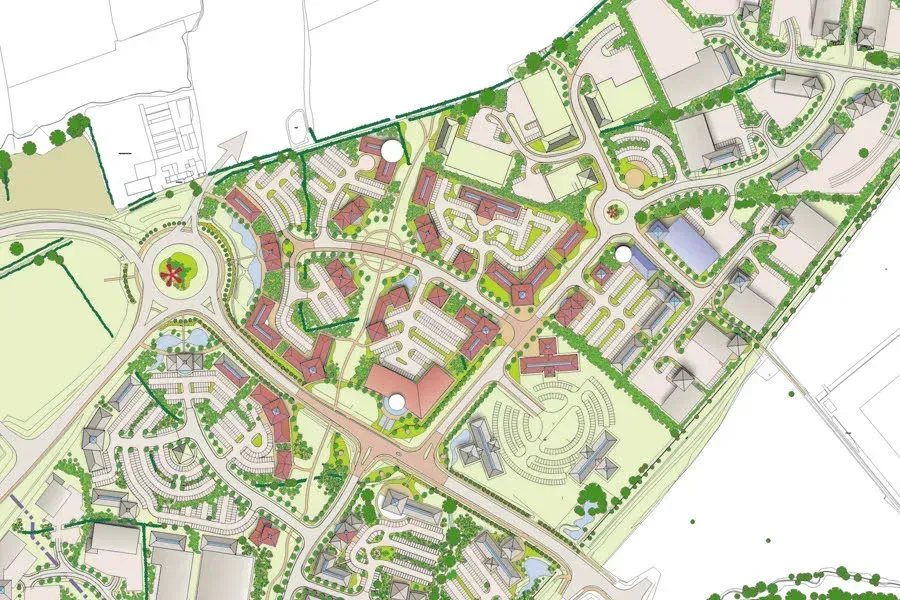
Manchester City Council has recently released its draft Local Plan for consultation, and TEP is proud to have played a …
Read more »
The post Helping to Shape Manchester’s Environmental Future appeared first on TEP - The Environment Partnership.

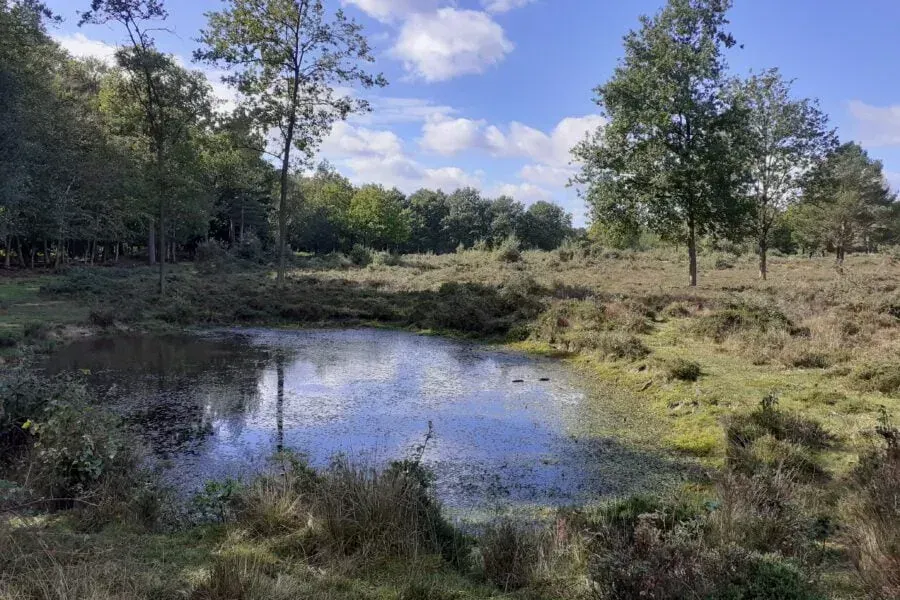
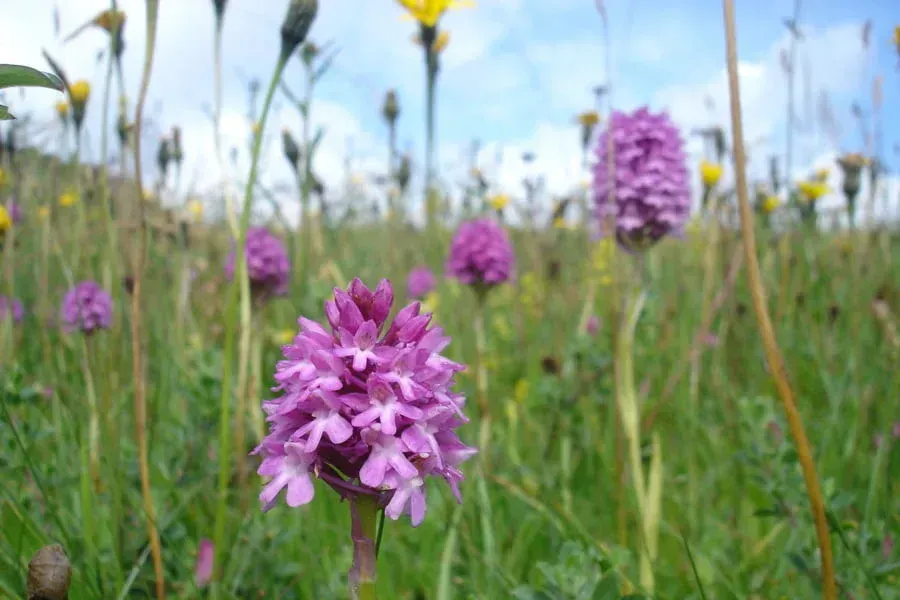
(written by Ric Hampson) Woodland ecosystems depend on a complex, layered structure, from the towering canopy to the low-lying understory …
Read more »
The post Invasive Species and Woodland Ecosystems: A Hidden Battle appeared first on TEP - The Environment Partnership.
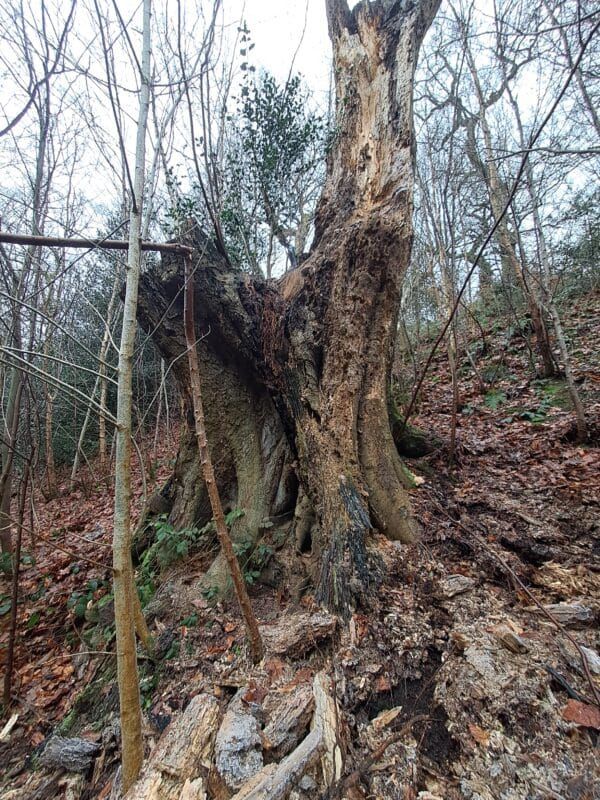
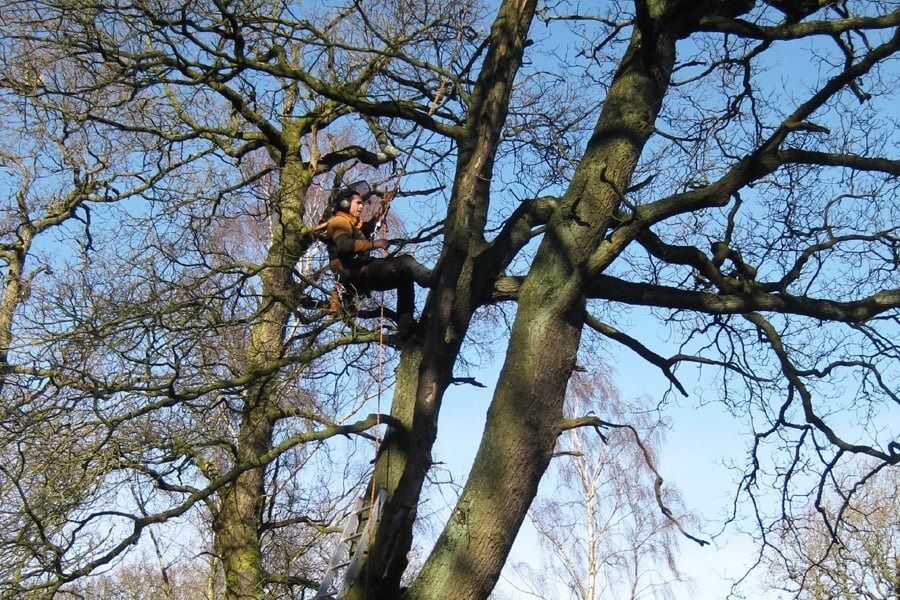
Our Arboriculture team has been out and about in East Cheshire conducting a BS5837 tree survey as part of improvement …
Read more »
The post A Honey Fungus Discovery appeared first on TEP - The Environment Partnership.
On behalf of Cheshire East Council, TEP has secured consent for the expansion of the Environmental Services Hub site. The expansion will facilitate a weekly food waste collection service for every property in the borough, helping Cheshire East Council prepare for a new statutory requirement from central government due to come into force from 2026-2027. To achieve this, we prepared and managed three planning applications: A full application for 84 new employee parking spaces, a bin storage area and a security lodge; A non-material amendment application for the reconfiguration of the existing site layout; and A variation of condition application to increase the limit on vehicle movements. The project began with a pre-application advice request, followed by discussions with the local planning authority to confirm the applications and supporting information required for submission. A key element of the project was the preparation of a planning needs case. This justified the development remaining at the Environmental Services Hub site, rather than a 'preferred site' identified within the council's Waste Plan. The case also identified the benefits of increasing recycling rates and supporting sustainable waste management across the borough. To support the applications, traffic surveys were commissioned and a Transport Statement was prepared, demonstrating that the proposals would have no negative impact on the local highway network. A Transport Note was also produced to establish the number of vehicle movements that should be permitted through the variation of condition application. Air quality and noise assessments were also undertaken to demonstrate that impacts would be limited and acceptable.
Delivering major infrastructure in sensitive environments requires a coordinated approach, bringing together a range of expertise to understand place, manage risk and support informed decision-making. Our work on the North Hykeham Relief Road (NHRR) in Lincolnshire is a strong example of this in practice, with teams from across TEP working together to support the delivery of this long-planned scheme. A long-planned piece of infrastructure The NHRR forms the final section of Lincoln’s ring road, a scheme that has been identified in Local Plans for around twenty years. As the project progressed, it required careful consideration of environmental constraints, historic assets and landscape character, alongside the practicalities of delivering a major new road. Working alongside Balfour Beatty and the wider project team, we provided a range of services spanning heritage and archaeology, planning, landscape, ecology and arboriculture. A coordinated programme of assessment and support underpinned the development of the scheme. Our Historic Environment team established the baseline through desk-based assessment, consultation and phased archaeological evaluation. This work identified areas of interest including sites of prehistoric activity, the important Roman road of Ermine Street, and a potential Roman villa complex, providing valuable insight into the long-term history of the site. These findings directly informed the design process, helping to shape the scheme in response to the site’s archaeological and historical context. The team also assessed potential impacts on sensitive heritage assets, including listed buildings and conservation areas, ensuring that the historic environment was fully considered as the project evolved.
Manchester City Council has recently released its draft Local Plan for consultation, and TEP is proud to have played a …
Read more »
The post Helping to Shape Manchester’s Environmental Future appeared first on TEP - The Environment Partnership.
(written by Ric Hampson) Woodland ecosystems depend on a complex, layered structure, from the towering canopy to the low-lying understory …
Read more »
The post Invasive Species and Woodland Ecosystems: A Hidden Battle appeared first on TEP - The Environment Partnership.
Our Arboriculture team has been out and about in East Cheshire conducting a BS5837 tree survey as part of improvement …
Read more »
The post A Honey Fungus Discovery appeared first on TEP - The Environment Partnership.
On behalf of Cheshire East Council, TEP has secured consent for the expansion of the Environmental Services Hub site. The expansion will facilitate a weekly food waste collection service for every property in the borough, helping Cheshire East Council prepare for a new statutory requirement from central government due to come into force from 2026-2027. To achieve this, we prepared and managed three planning applications: A full application for 84 new employee parking spaces, a bin storage area and a security lodge; A non-material amendment application for the reconfiguration of the existing site layout; and A variation of condition application to increase the limit on vehicle movements. The project began with a pre-application advice request, followed by discussions with the local planning authority to confirm the applications and supporting information required for submission. A key element of the project was the preparation of a planning needs case. This justified the development remaining at the Environmental Services Hub site, rather than a 'preferred site' identified within the council's Waste Plan. The case also identified the benefits of increasing recycling rates and supporting sustainable waste management across the borough. To support the applications, traffic surveys were commissioned and a Transport Statement was prepared, demonstrating that the proposals would have no negative impact on the local highway network. A Transport Note was also produced to establish the number of vehicle movements that should be permitted through the variation of condition application. Air quality and noise assessments were also undertaken to demonstrate that impacts would be limited and acceptable.
Delivering major infrastructure in sensitive environments requires a coordinated approach, bringing together a range of expertise to understand place, manage risk and support informed decision-making. Our work on the North Hykeham Relief Road (NHRR) in Lincolnshire is a strong example of this in practice, with teams from across TEP working together to support the delivery of this long-planned scheme. A long-planned piece of infrastructure The NHRR forms the final section of Lincoln’s ring road, a scheme that has been identified in Local Plans for around twenty years. As the project progressed, it required careful consideration of environmental constraints, historic assets and landscape character, alongside the practicalities of delivering a major new road. Working alongside Balfour Beatty and the wider project team, we provided a range of services spanning heritage and archaeology, planning, landscape, ecology and arboriculture. A coordinated programme of assessment and support underpinned the development of the scheme. Our Historic Environment team established the baseline through desk-based assessment, consultation and phased archaeological evaluation. This work identified areas of interest including sites of prehistoric activity, the important Roman road of Ermine Street, and a potential Roman villa complex, providing valuable insight into the long-term history of the site. These findings directly informed the design process, helping to shape the scheme in response to the site’s archaeological and historical context. The team also assessed potential impacts on sensitive heritage assets, including listed buildings and conservation areas, ensuring that the historic environment was fully considered as the project evolved.
Manchester City Council has recently released its draft Local Plan for consultation, and TEP is proud to have played a …
Read more »
The post Helping to Shape Manchester’s Environmental Future appeared first on TEP - The Environment Partnership.
(written by Ric Hampson) Woodland ecosystems depend on a complex, layered structure, from the towering canopy to the low-lying understory …
Read more »
The post Invasive Species and Woodland Ecosystems: A Hidden Battle appeared first on TEP - The Environment Partnership.
Our Arboriculture team has been out and about in East Cheshire conducting a BS5837 tree survey as part of improvement …
Read more »
The post A Honey Fungus Discovery appeared first on TEP - The Environment Partnership.