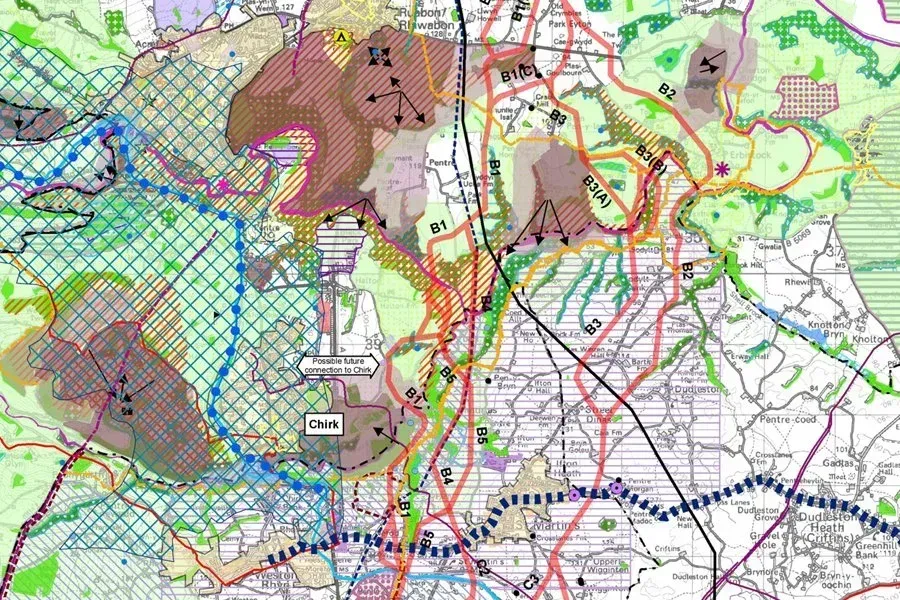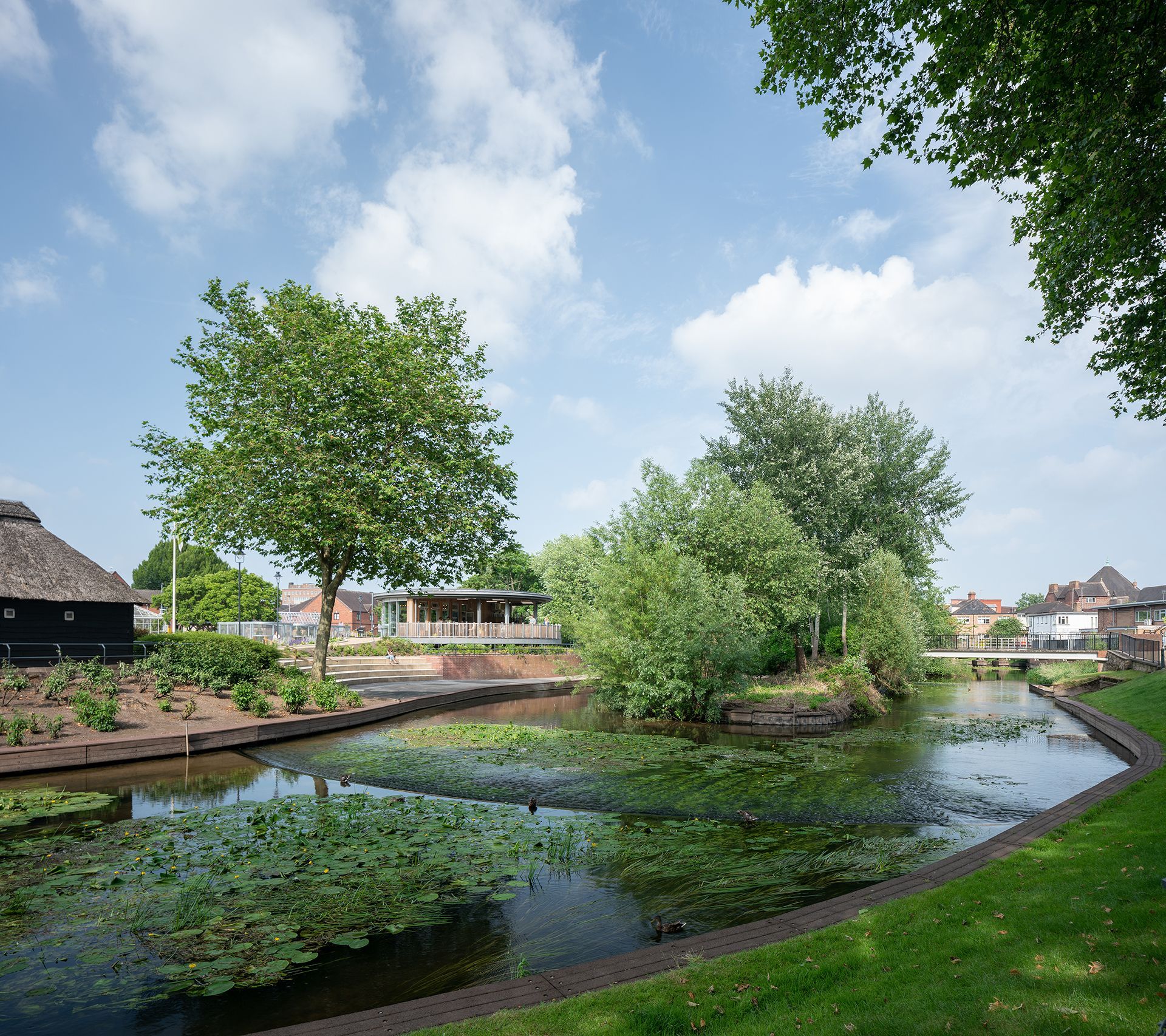
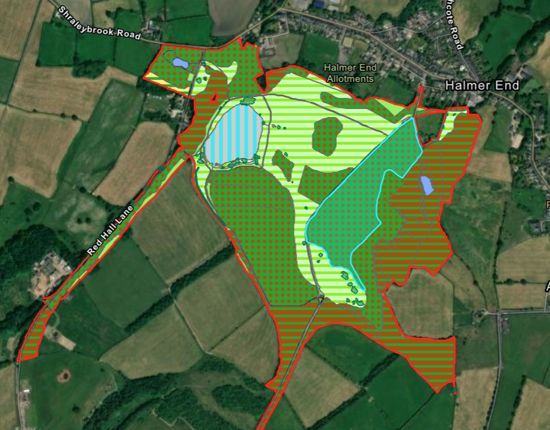
As Biodiversity Net Gain becomes an increasingly important part of the planning system, local authorities are exploring how their land assets can play a greater role in supporting nature recovery while creating long-term environmental value. To help inform its approach, Newcastle-under-Lyme Borough Council commissioned TEP to assess the Biodiversity Net Gain potential across approximately 500 Council-owned landholdings. Using bespoke desk-based software the project sought to establish a robust baseline of biodiversity value, identify opportunities for habitat enhancement and provide strategic recommendations on how the Council could utilise its land assets to support the delivery of Biodiversity Net Gain .

Well known Invasive-Non-Native Species (INNS) are widely understood, however the threat of new and emerging INNS across the UK is real.

INNS compliance should be integrated into project planning at the earliest stage, as well as site management, and delivery. We discuss key measures for the management of floral INNS.
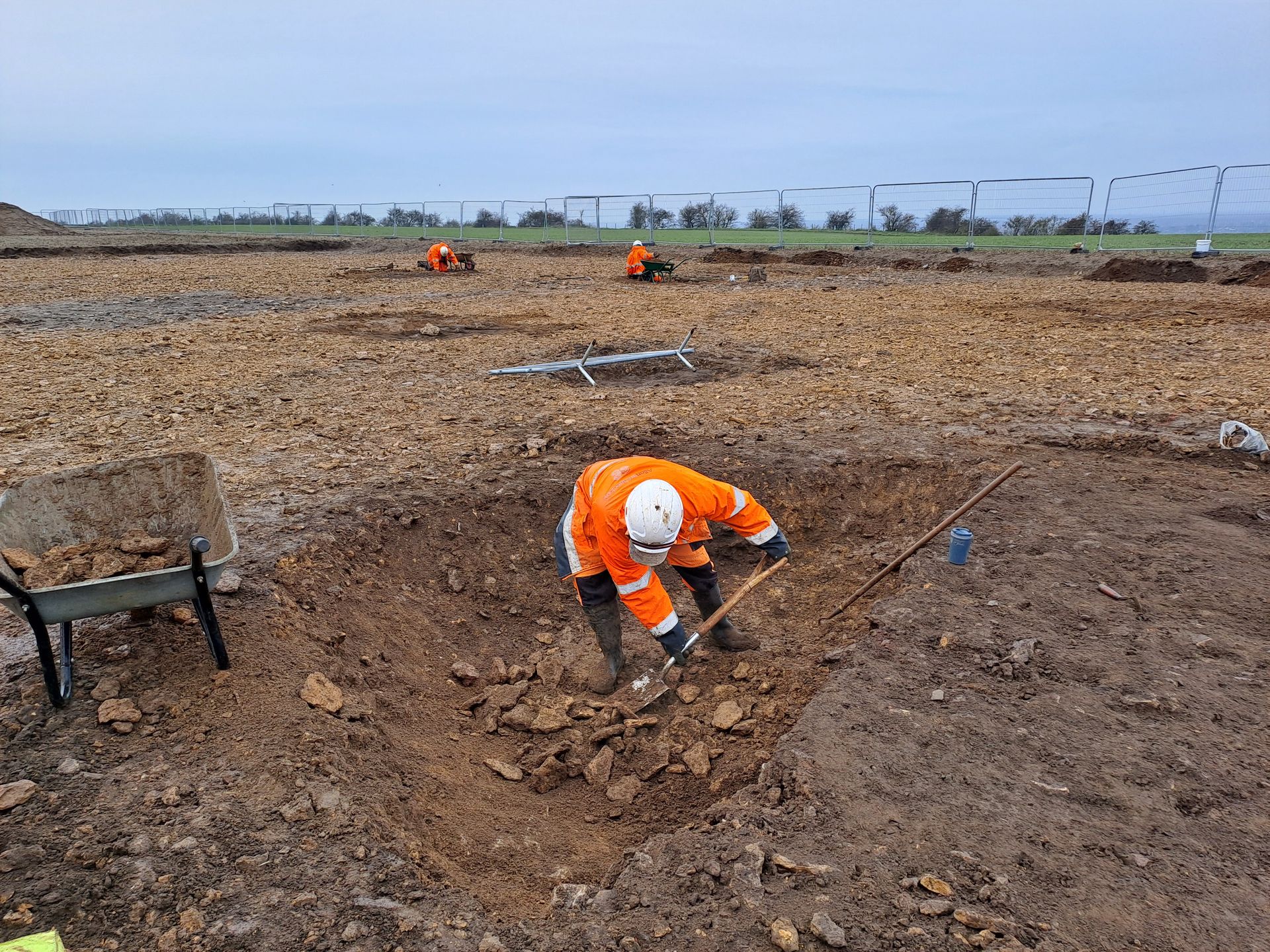
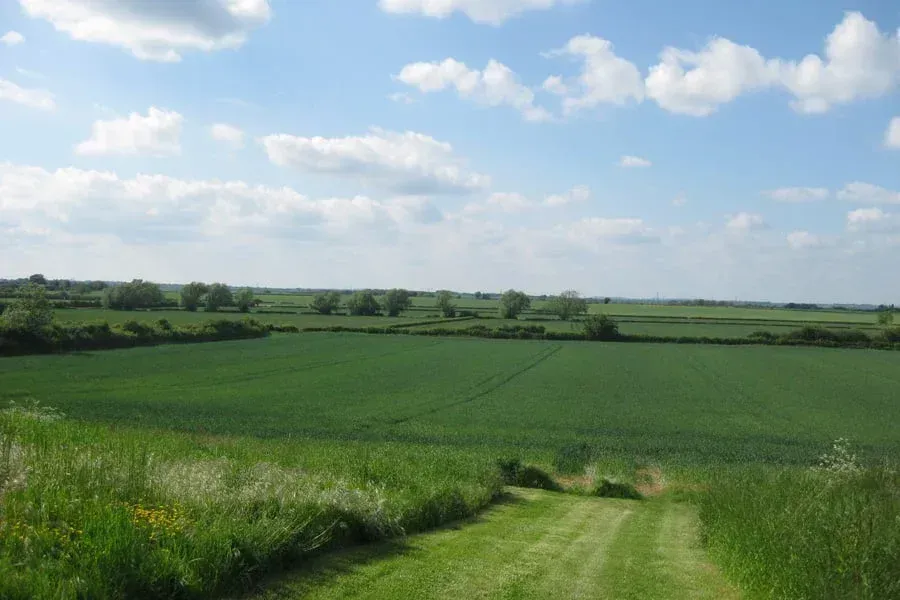
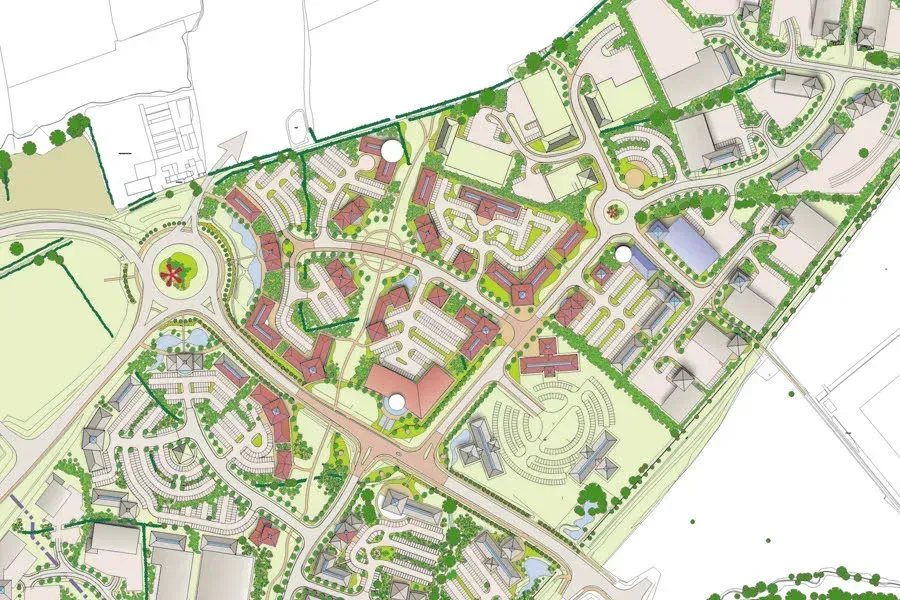
Delivering major infrastructure in sensitive environments requires a coordinated approach, bringing together a range of expertise to understand place, manage risk and support informed decision-making. Our work on the North Hykeham Relief Road (NHRR) in Lincolnshire is a strong example of this in practice, with teams from across TEP working together to support the delivery of this long-planned scheme. A long-planned piece of infrastructure The NHRR forms the final section of Lincoln’s ring road, a scheme that has been identified in Local Plans for around twenty years. As the project progressed, it required careful consideration of environmental constraints, historic assets and landscape character, alongside the practicalities of delivering a major new road. Working alongside Balfour Beatty and the wider project team, we provided a range of services spanning heritage and archaeology, planning, landscape, ecology and arboriculture. A coordinated programme of assessment and support underpinned the development of the scheme. Our Historic Environment team established the baseline through desk-based assessment, consultation and phased archaeological evaluation. This work identified areas of interest including sites of prehistoric activity, the important Roman road of Ermine Street, and a potential Roman villa complex, providing valuable insight into the long-term history of the site. These findings directly informed the design process, helping to shape the scheme in response to the site’s archaeological and historical context. The team also assessed potential impacts on sensitive heritage assets, including listed buildings and conservation areas, ensuring that the historic environment was fully considered as the project evolved.
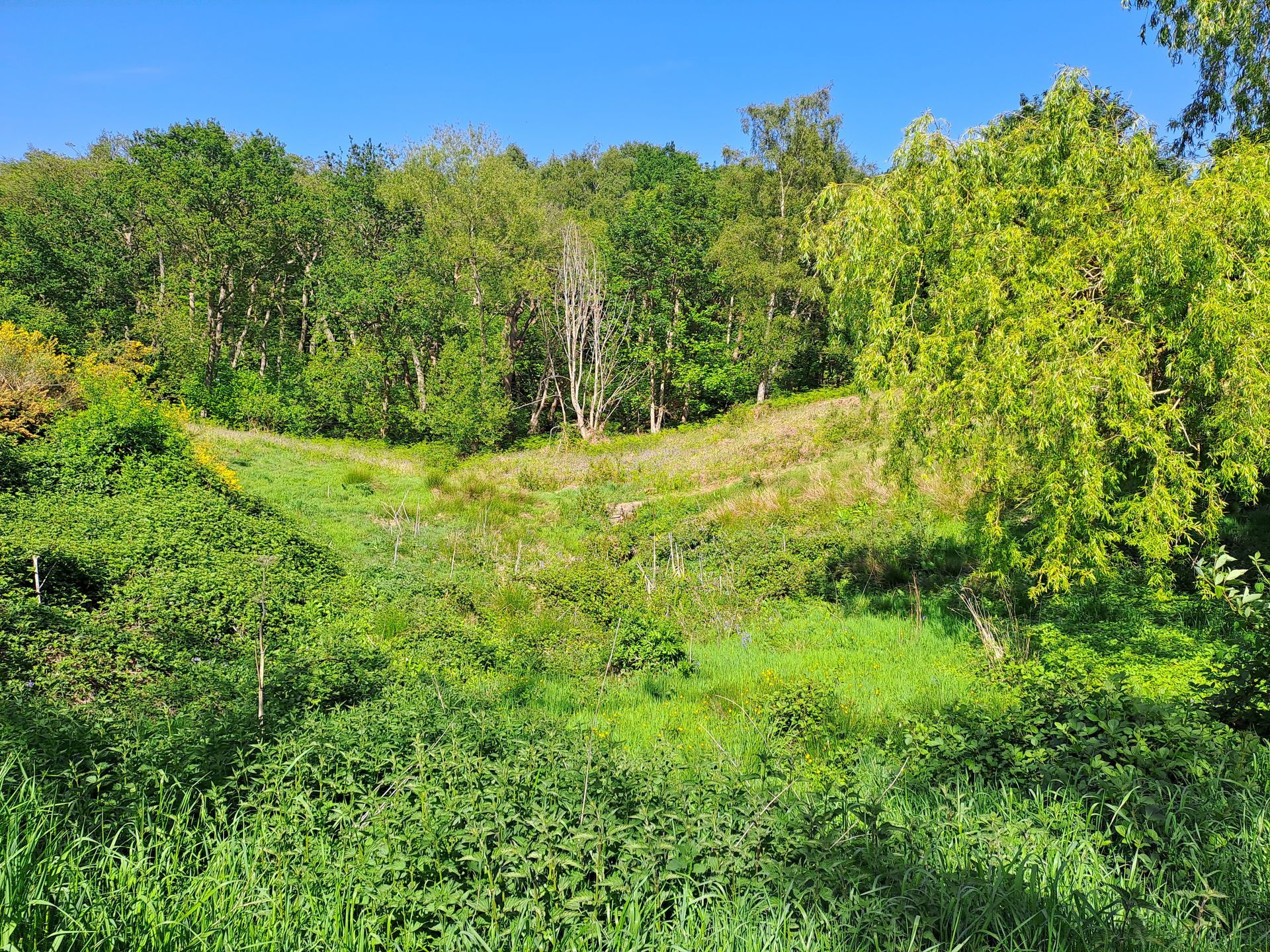
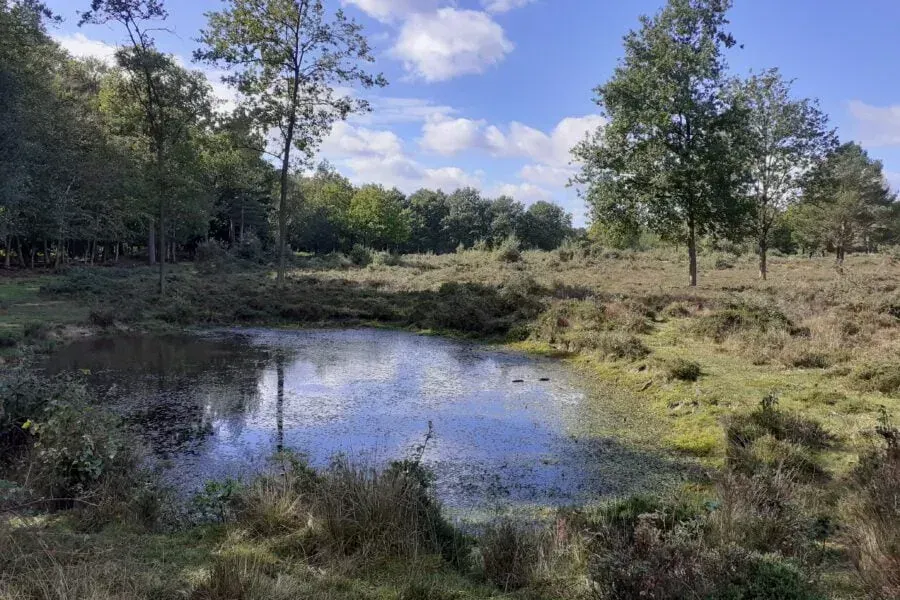
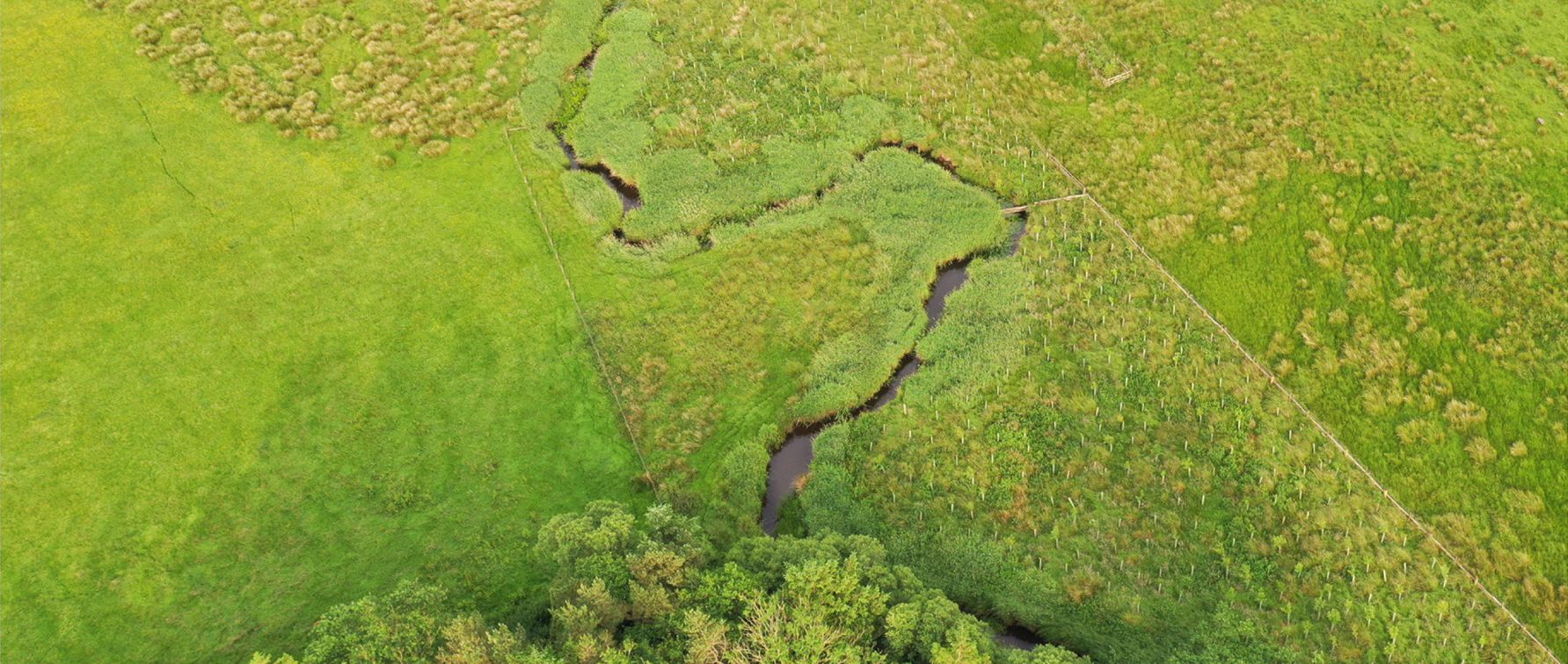
TEP supported Moor Allerton Golf Club in exploring the opportunity to establish a habitat bank across areas of land identified as surplus to operational requirements.
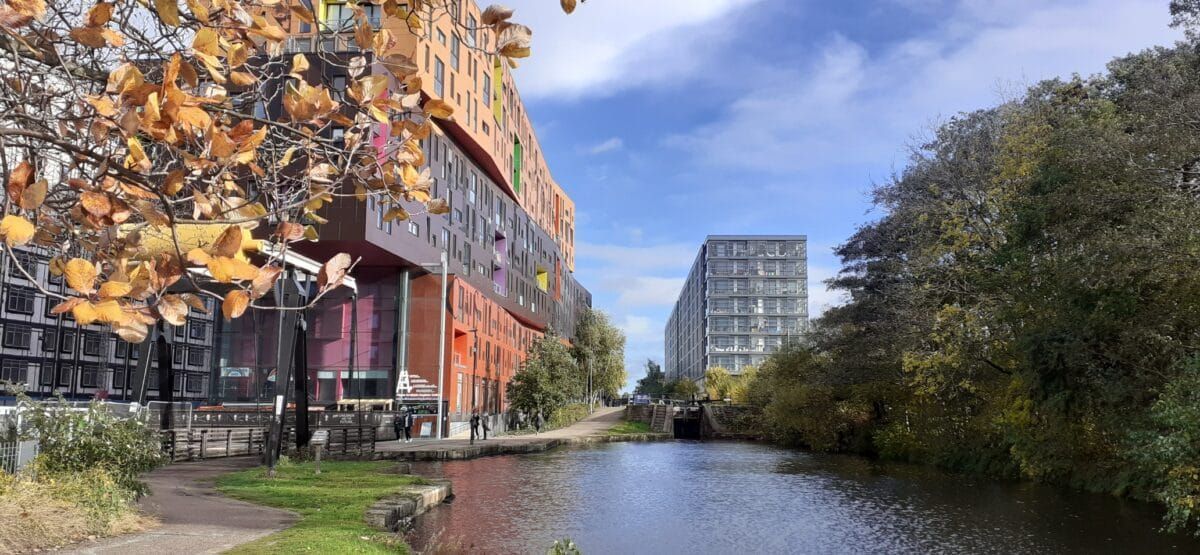
Manchester City Council has recently released its draft Local Plan for consultation, and TEP is proud to have played a …
Read more »
The post Helping to Shape Manchester’s Environmental Future appeared first on TEP - The Environment Partnership.

(written by Ric Hampson) Woodland ecosystems depend on a complex, layered structure, from the towering canopy to the low-lying understory …
Read more »
The post Invasive Species and Woodland Ecosystems: A Hidden Battle appeared first on TEP - The Environment Partnership.
As Biodiversity Net Gain becomes an increasingly important part of the planning system, local authorities are exploring how their land assets can play a greater role in supporting nature recovery while creating long-term environmental value. To help inform its approach, Newcastle-under-Lyme Borough Council commissioned TEP to assess the Biodiversity Net Gain potential across approximately 500 Council-owned landholdings. Using bespoke desk-based software the project sought to establish a robust baseline of biodiversity value, identify opportunities for habitat enhancement and provide strategic recommendations on how the Council could utilise its land assets to support the delivery of Biodiversity Net Gain .
Well known Invasive-Non-Native Species (INNS) are widely understood, however the threat of new and emerging INNS across the UK is real.
INNS compliance should be integrated into project planning at the earliest stage, as well as site management, and delivery. We discuss key measures for the management of floral INNS.
Delivering major infrastructure in sensitive environments requires a coordinated approach, bringing together a range of expertise to understand place, manage risk and support informed decision-making. Our work on the North Hykeham Relief Road (NHRR) in Lincolnshire is a strong example of this in practice, with teams from across TEP working together to support the delivery of this long-planned scheme. A long-planned piece of infrastructure The NHRR forms the final section of Lincoln’s ring road, a scheme that has been identified in Local Plans for around twenty years. As the project progressed, it required careful consideration of environmental constraints, historic assets and landscape character, alongside the practicalities of delivering a major new road. Working alongside Balfour Beatty and the wider project team, we provided a range of services spanning heritage and archaeology, planning, landscape, ecology and arboriculture. A coordinated programme of assessment and support underpinned the development of the scheme. Our Historic Environment team established the baseline through desk-based assessment, consultation and phased archaeological evaluation. This work identified areas of interest including sites of prehistoric activity, the important Roman road of Ermine Street, and a potential Roman villa complex, providing valuable insight into the long-term history of the site. These findings directly informed the design process, helping to shape the scheme in response to the site’s archaeological and historical context. The team also assessed potential impacts on sensitive heritage assets, including listed buildings and conservation areas, ensuring that the historic environment was fully considered as the project evolved.
TEP supported Moor Allerton Golf Club in exploring the opportunity to establish a habitat bank across areas of land identified as surplus to operational requirements.
Manchester City Council has recently released its draft Local Plan for consultation, and TEP is proud to have played a …
Read more »
The post Helping to Shape Manchester’s Environmental Future appeared first on TEP - The Environment Partnership.
(written by Ric Hampson) Woodland ecosystems depend on a complex, layered structure, from the towering canopy to the low-lying understory …
Read more »
The post Invasive Species and Woodland Ecosystems: A Hidden Battle appeared first on TEP - The Environment Partnership.
As Biodiversity Net Gain becomes an increasingly important part of the planning system, local authorities are exploring how their land assets can play a greater role in supporting nature recovery while creating long-term environmental value. To help inform its approach, Newcastle-under-Lyme Borough Council commissioned TEP to assess the Biodiversity Net Gain potential across approximately 500 Council-owned landholdings. Using bespoke desk-based software the project sought to establish a robust baseline of biodiversity value, identify opportunities for habitat enhancement and provide strategic recommendations on how the Council could utilise its land assets to support the delivery of Biodiversity Net Gain .
Well known Invasive-Non-Native Species (INNS) are widely understood, however the threat of new and emerging INNS across the UK is real.
INNS compliance should be integrated into project planning at the earliest stage, as well as site management, and delivery. We discuss key measures for the management of floral INNS.
Delivering major infrastructure in sensitive environments requires a coordinated approach, bringing together a range of expertise to understand place, manage risk and support informed decision-making. Our work on the North Hykeham Relief Road (NHRR) in Lincolnshire is a strong example of this in practice, with teams from across TEP working together to support the delivery of this long-planned scheme. A long-planned piece of infrastructure The NHRR forms the final section of Lincoln’s ring road, a scheme that has been identified in Local Plans for around twenty years. As the project progressed, it required careful consideration of environmental constraints, historic assets and landscape character, alongside the practicalities of delivering a major new road. Working alongside Balfour Beatty and the wider project team, we provided a range of services spanning heritage and archaeology, planning, landscape, ecology and arboriculture. A coordinated programme of assessment and support underpinned the development of the scheme. Our Historic Environment team established the baseline through desk-based assessment, consultation and phased archaeological evaluation. This work identified areas of interest including sites of prehistoric activity, the important Roman road of Ermine Street, and a potential Roman villa complex, providing valuable insight into the long-term history of the site. These findings directly informed the design process, helping to shape the scheme in response to the site’s archaeological and historical context. The team also assessed potential impacts on sensitive heritage assets, including listed buildings and conservation areas, ensuring that the historic environment was fully considered as the project evolved.
TEP supported Moor Allerton Golf Club in exploring the opportunity to establish a habitat bank across areas of land identified as surplus to operational requirements.
Manchester City Council has recently released its draft Local Plan for consultation, and TEP is proud to have played a …
Read more »
The post Helping to Shape Manchester’s Environmental Future appeared first on TEP - The Environment Partnership.
(written by Ric Hampson) Woodland ecosystems depend on a complex, layered structure, from the towering canopy to the low-lying understory …
Read more »
The post Invasive Species and Woodland Ecosystems: A Hidden Battle appeared first on TEP - The Environment Partnership.