Cotswolds Visual Impact Provision
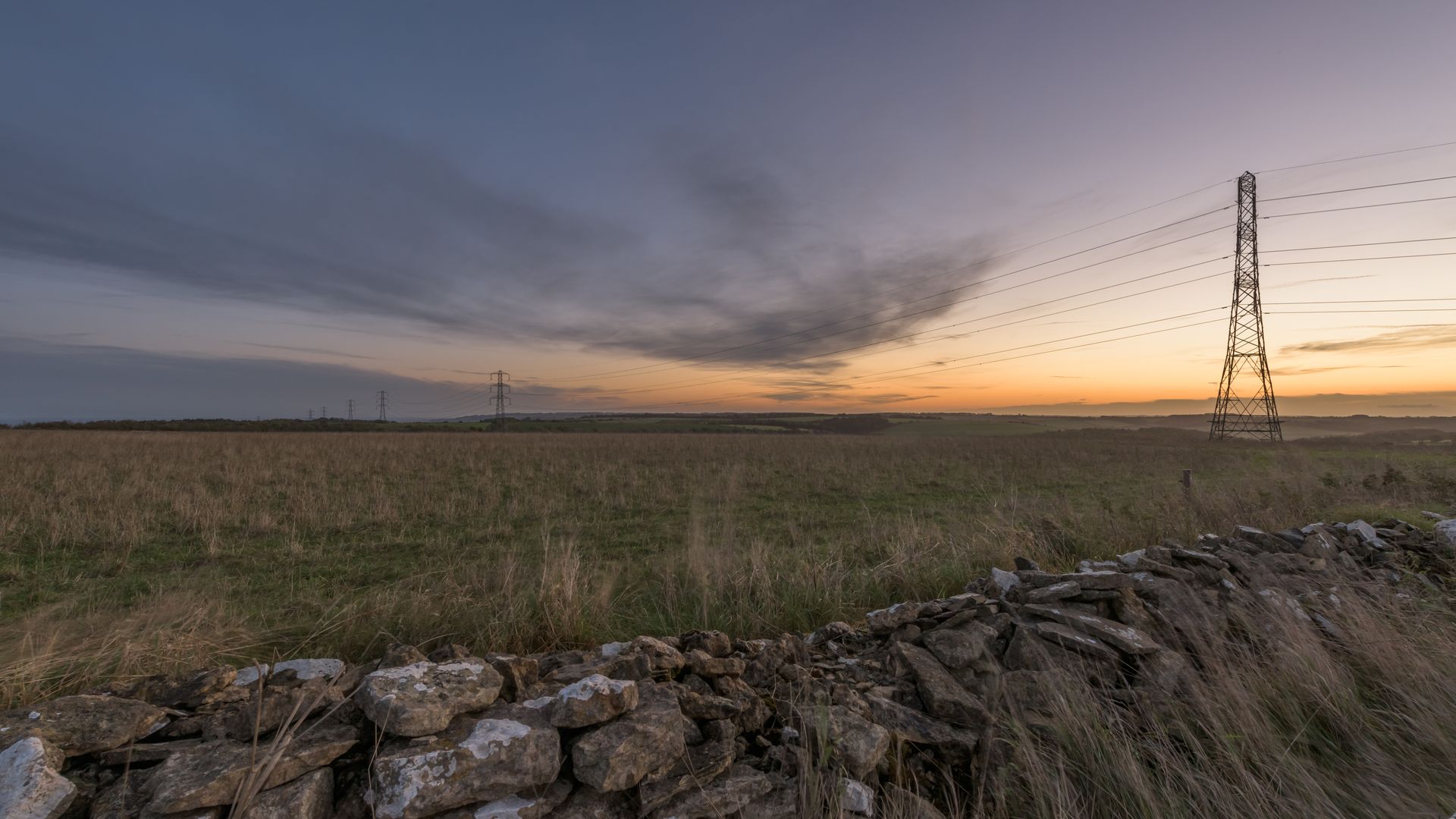
The Cotswolds Visual Impact Provision (VIP) project aims to reduce the visual impact of existing transmission lines within the Cotswolds National Landscape by replacing a 7km overhead line and 18 pylons with underground cables. Two new Cable Sealing End Compounds (CSECs) provide the transition between the existing overhead line and the underground route at either end of the scheme.
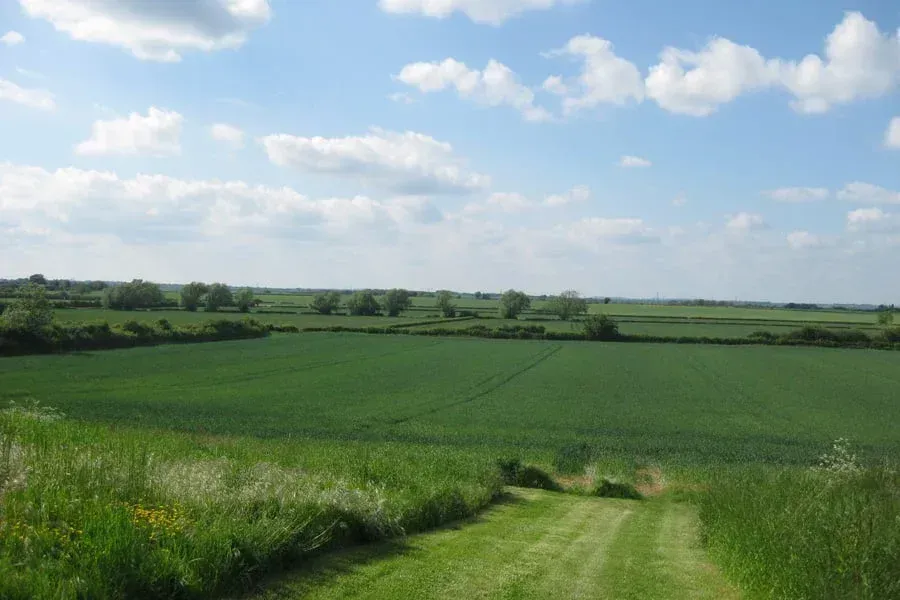
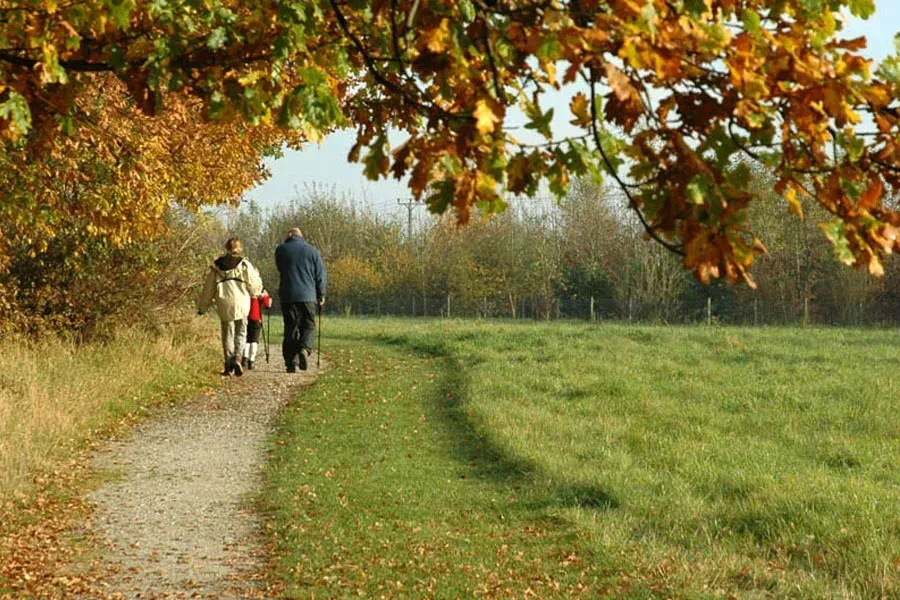
The planned cable route crosses the Cotswold Plateau, closely following the Cotswolds Way National Trail, and spans the administrative areas of Cotswold District Council and Tewkesbury Borough Council. By removing prominent infrastructure from sensitive viewpoints, the project will help conserve and enhance the natural beauty, wildlife and environmental heritage of this nationally protected landscape.
TEP led the consenting strategy for this large and complex project on behalf of National Grid. With multiple development elements subject to different consenting regimes and decision-makers, we identified what permissions were required, who they sat with, and the most effective strategy for securing them. Several activities, including the underground cabling and removal of the existing overhead line, were confirmed as benefiting from permitted development rights or regulatory exemptions.
We undertook a comprehensive Environmental Impact Assessment screening, assessing a wide range of disciplines including landscape, ecology, arboriculture, heritage, hydrology, transport and noise. Both local planning authorities agreed with our conclusion that the scheme did not constitute EIA development. Separate planning applications were prepared and submitted for the northern and southern CSECs, supported by detailed Planning, Design and Access Statements. As major development within a National Landscape must demonstrate public interest, we clearly set out how the long-term landscape and visual benefits would outweigh any temporary effects during construction.
The project also required Section 37 consent under the Electricity Act 1989 and a Section 38 Commons Act application for works within Cleeve Common. Through careful assessment and proactive engagement with stakeholders, we secured strong local support and demonstrated lasting enhancement of this sensitive landscape.
This project showcases our understanding of complex infrastructure consenting and our ability to navigate multiple regulatory frameworks to deliver positive outcomes for protected landscapes.