Hadrian's Wall Peat Survey
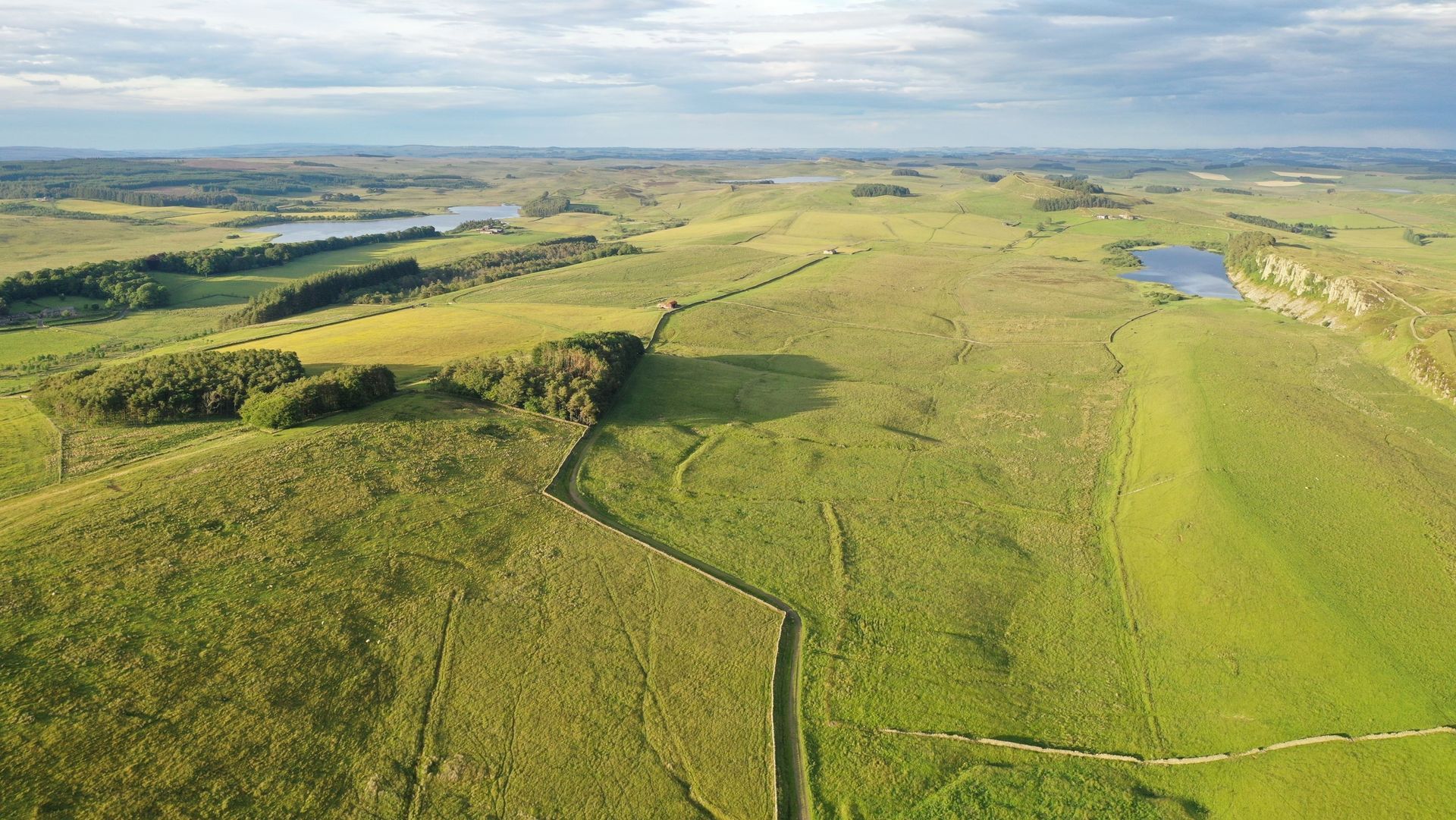
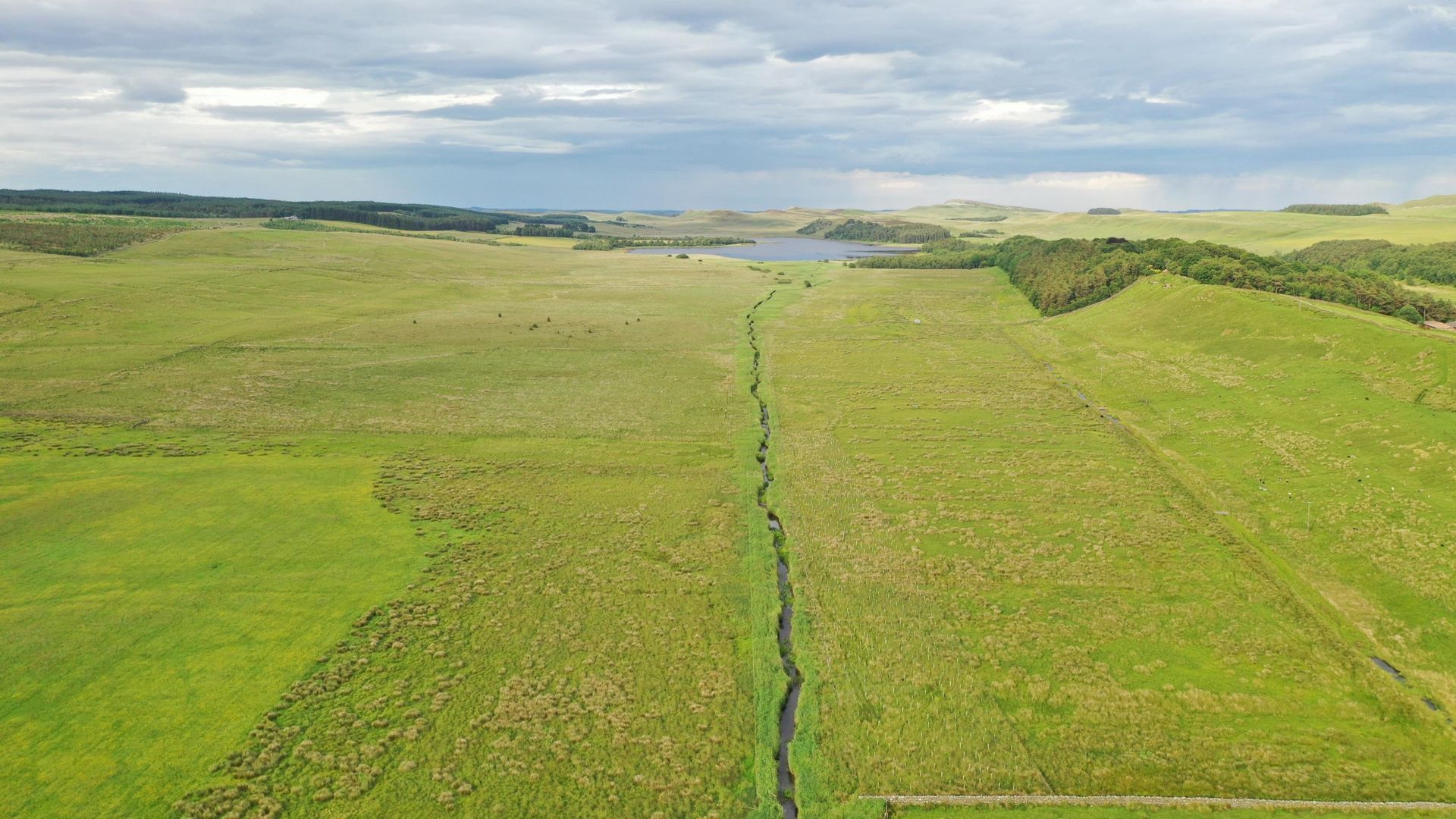
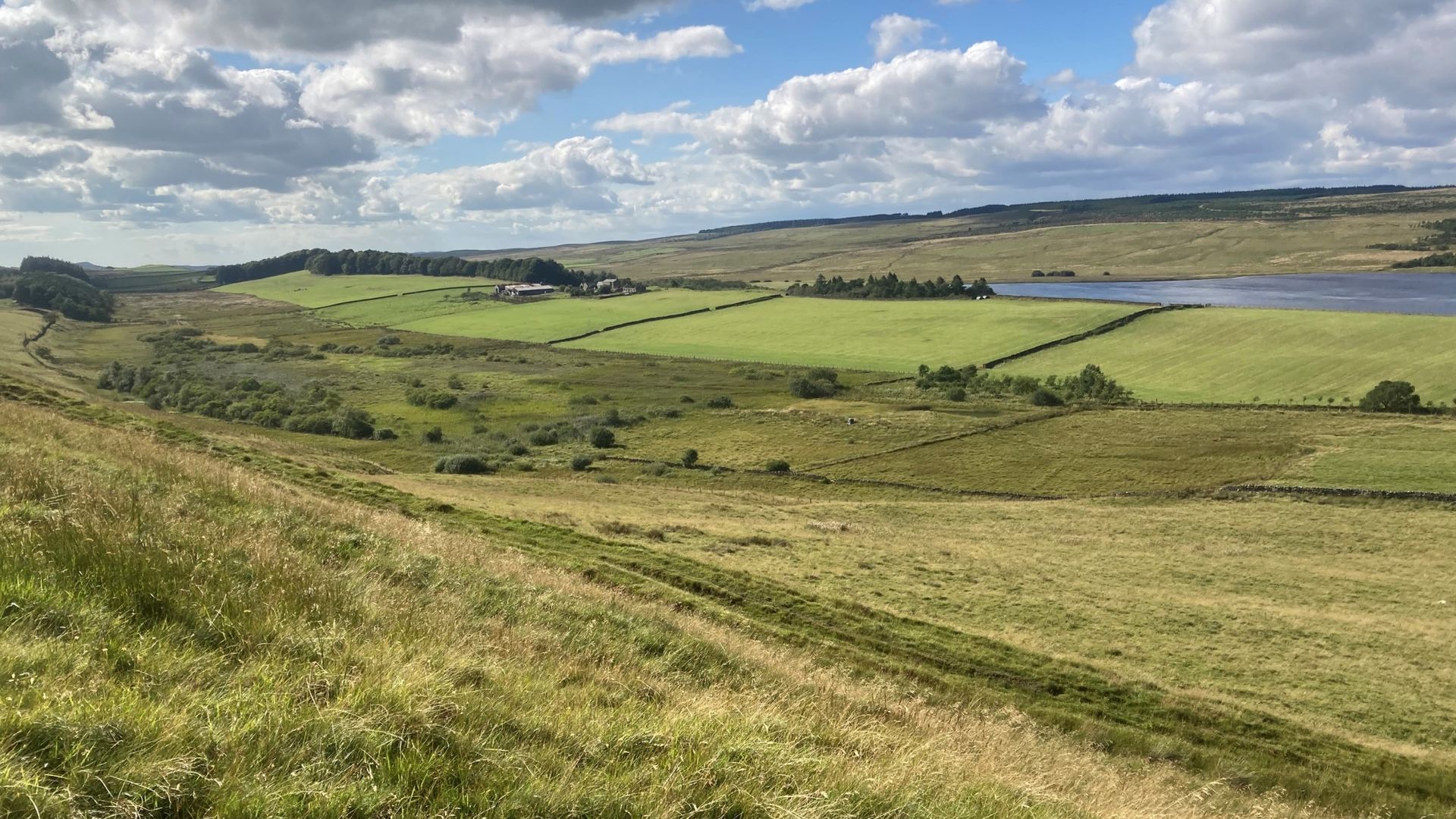
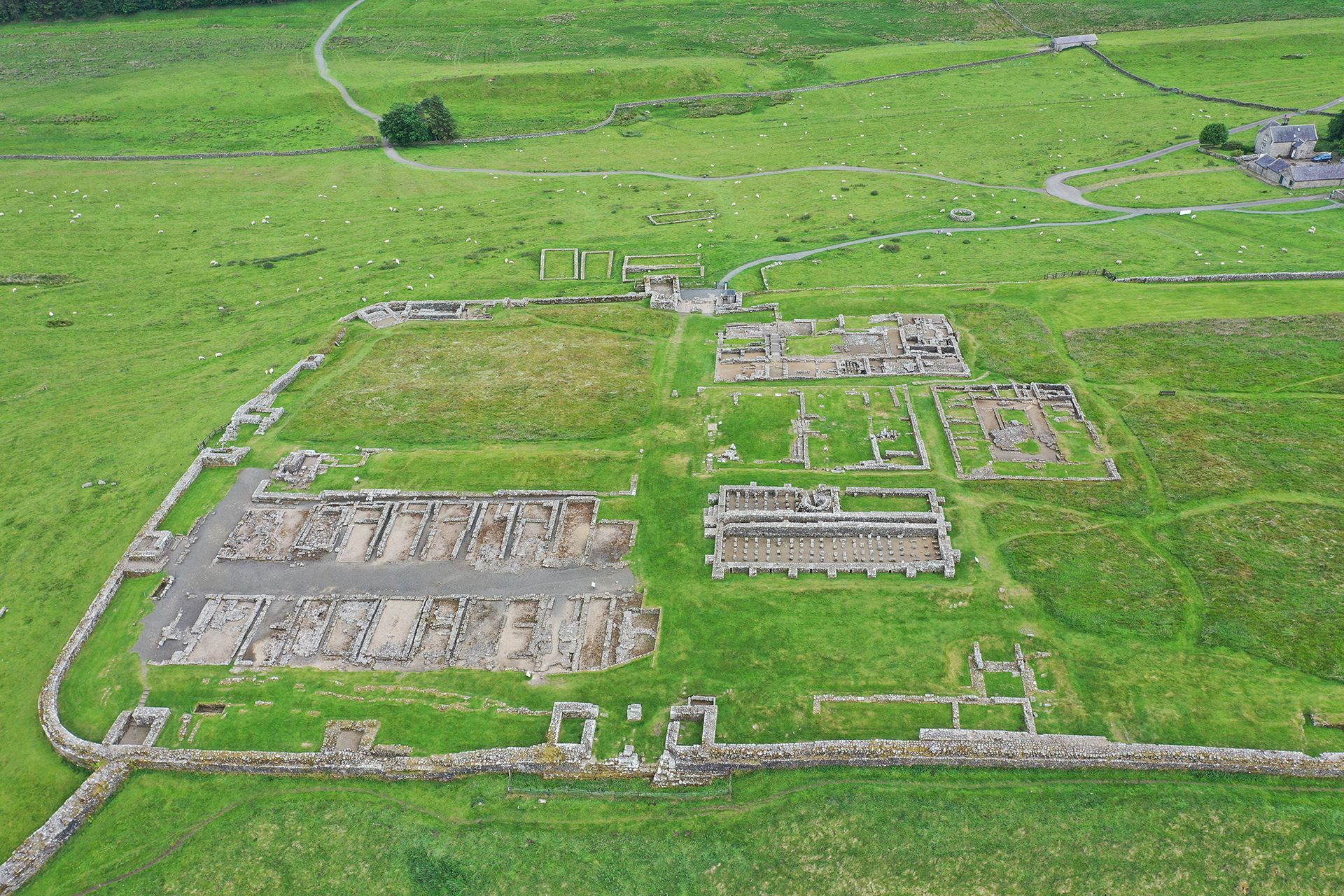
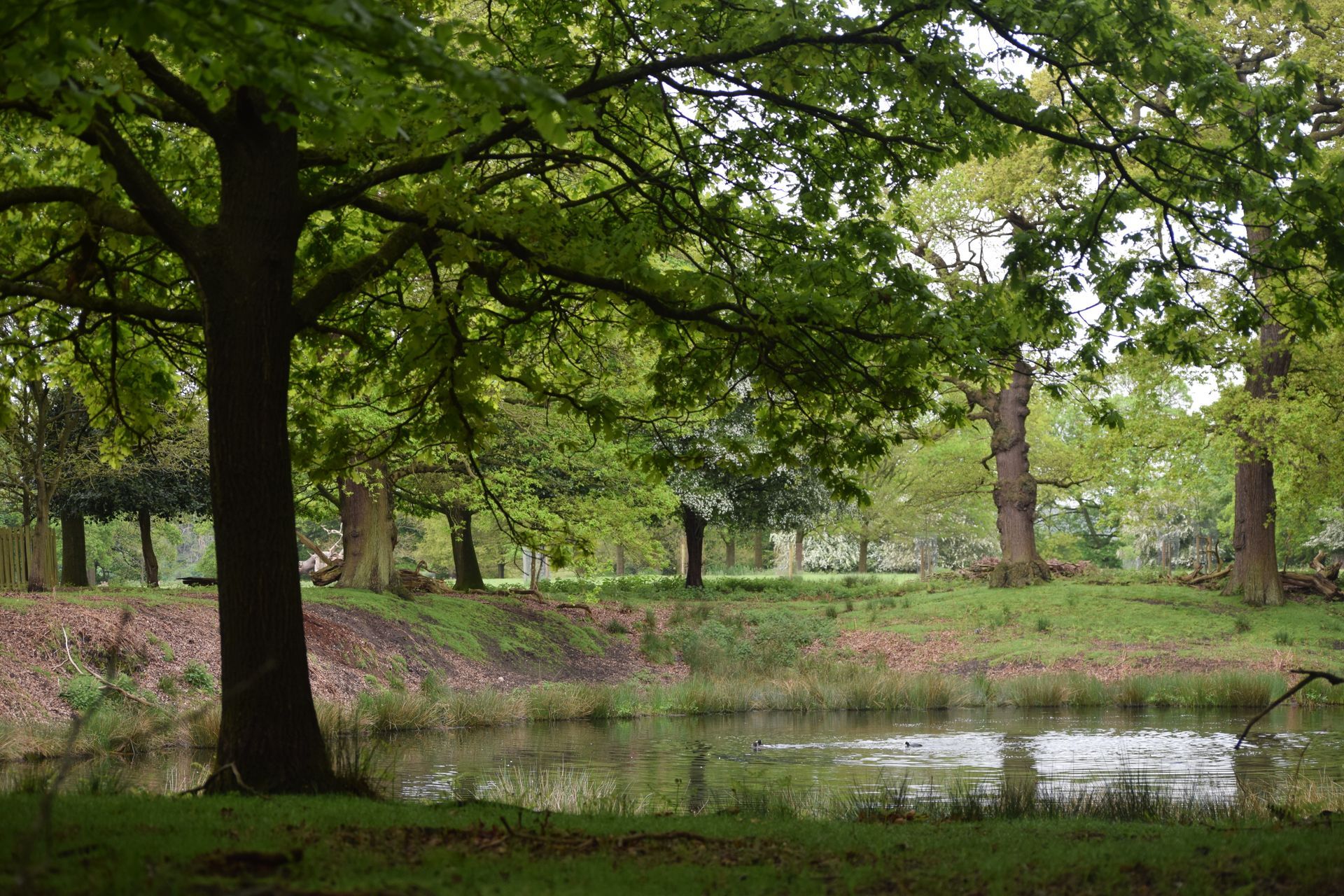
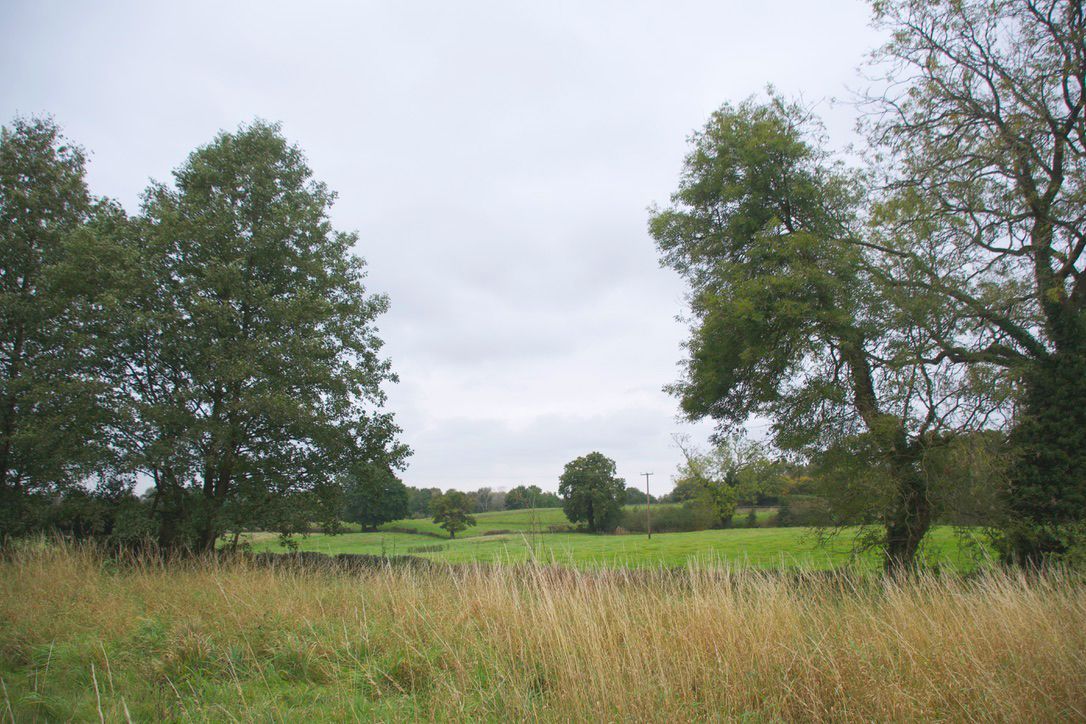
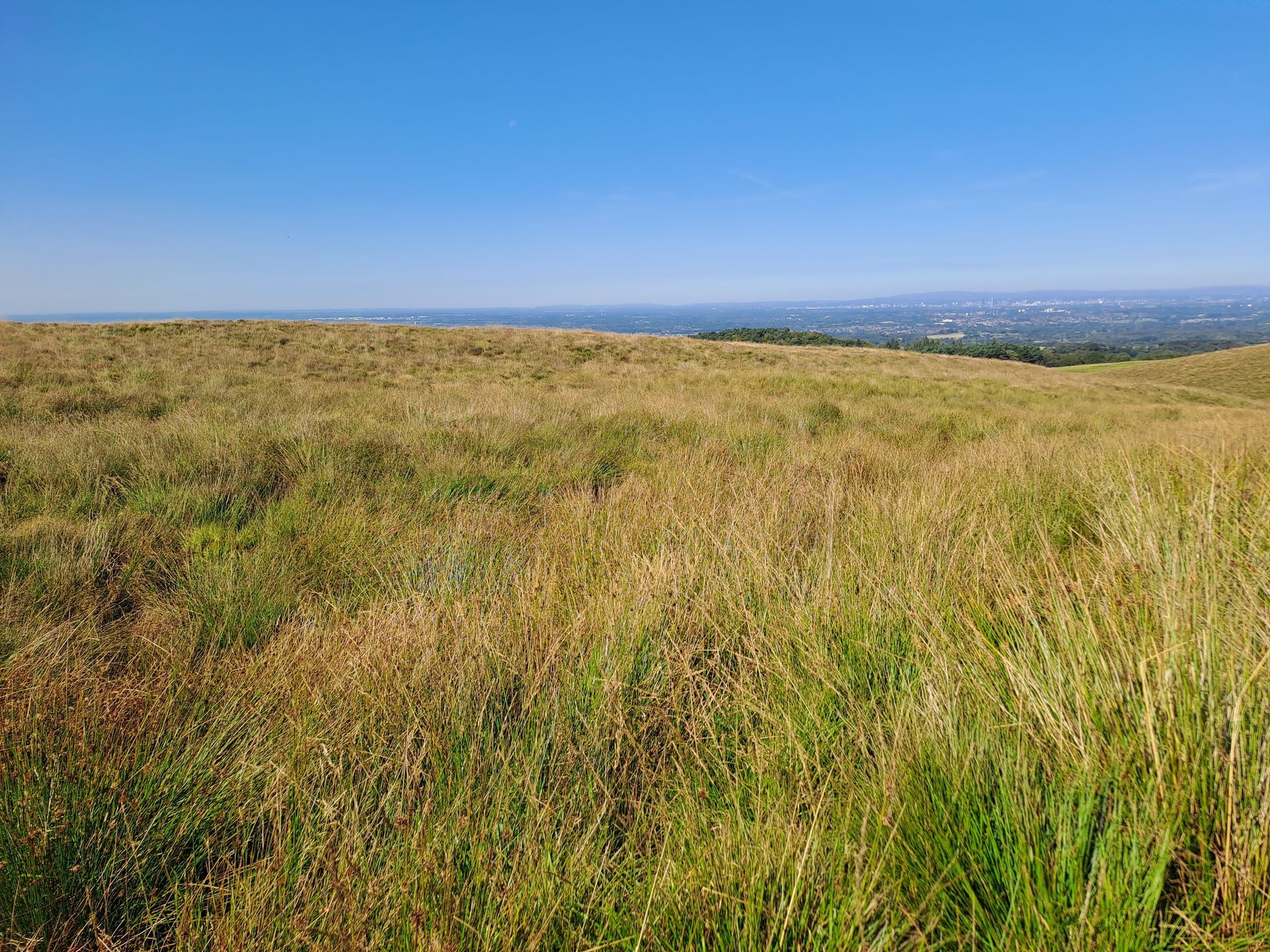
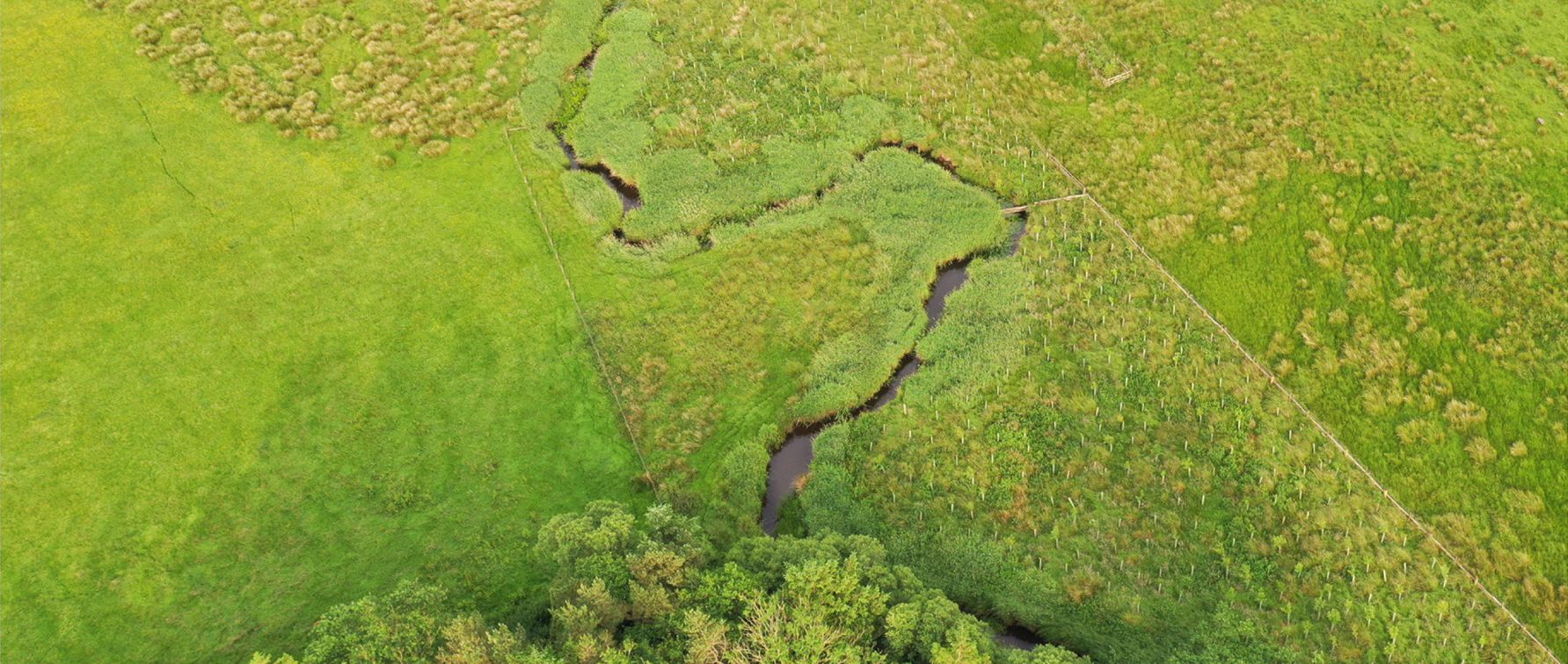
We completed a large-scale upland peat, hydrology, and ecology survey for Northumbria National Parks Authority (NNPA) in the valleys surrounding the Roman Wall Loughs. This internationally important wetland complex includes lakes, raised bogs, and fen vegetation within a farmed landscape. Designated as a Special Area of Conservation (SAC) and Site of Special Scientific Interest (SSSI), the area faces pressures from poor water quality and habitat degradation.
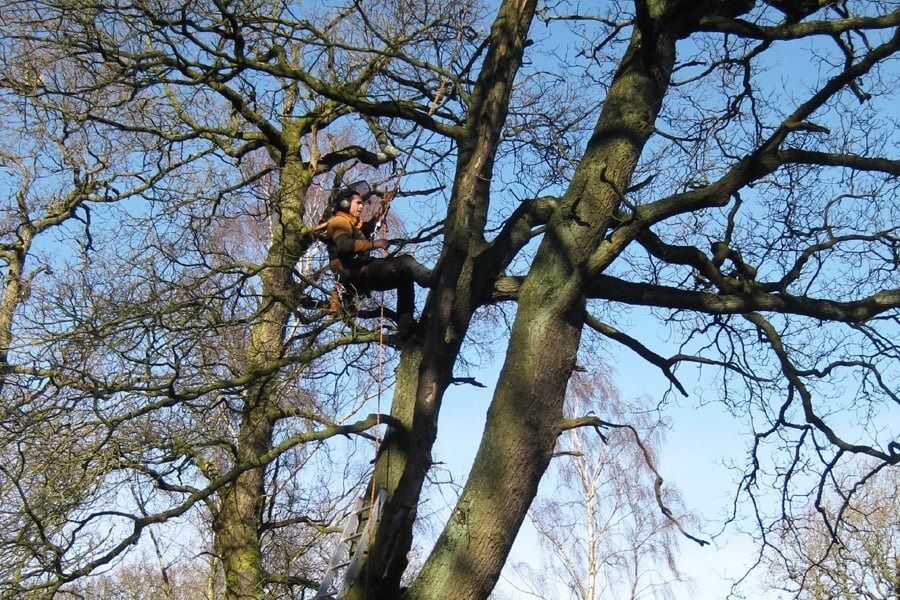
Our work aimed to map land function and condition across the 6,034-hectare landscape to provide an updated baseline, identify restoration opportunities, and inform an integrated landscape strategy. Field surveys included ecology assessments, peat mapping, hydrological and drainage feature mapping, and the collation of existing datasets.
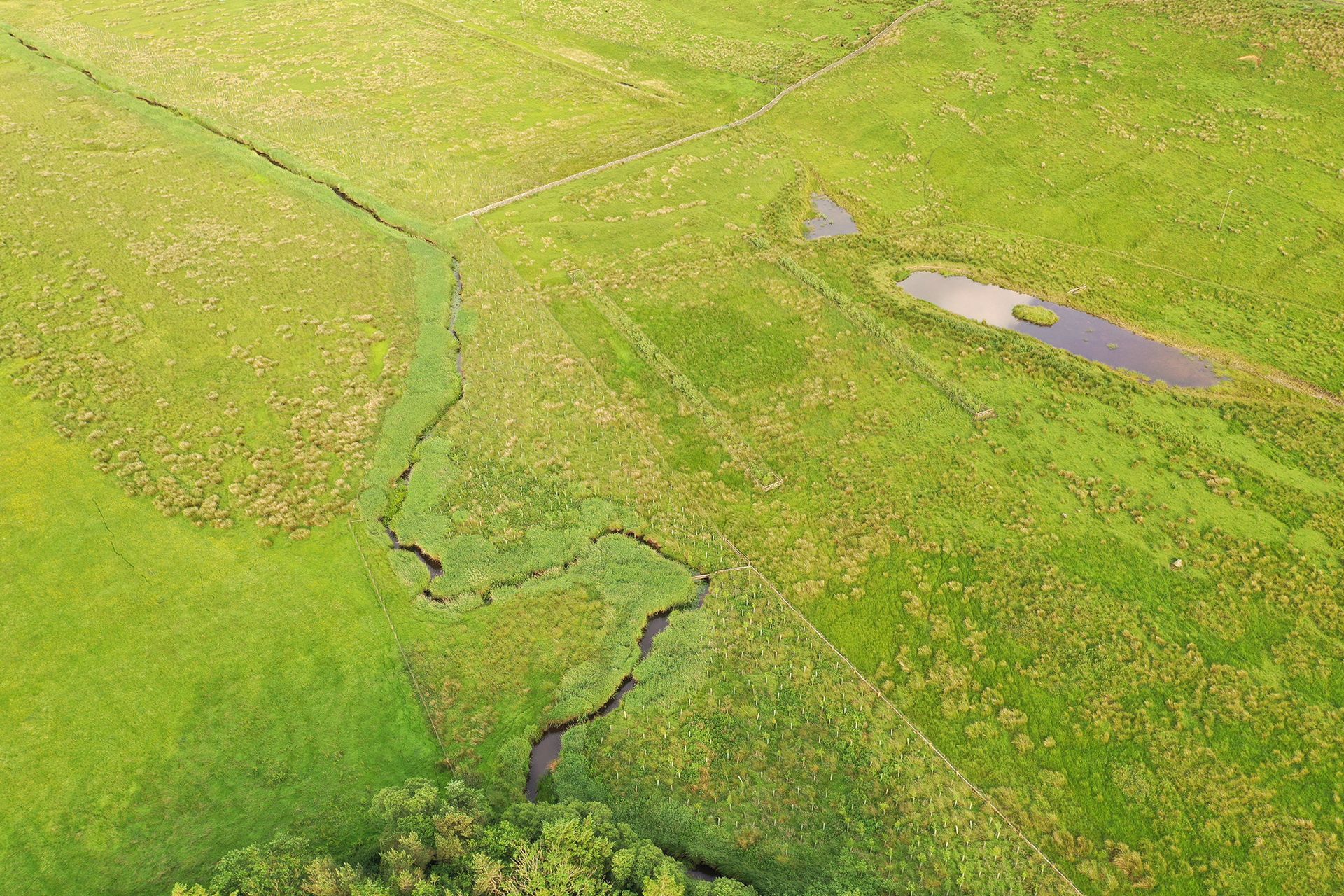
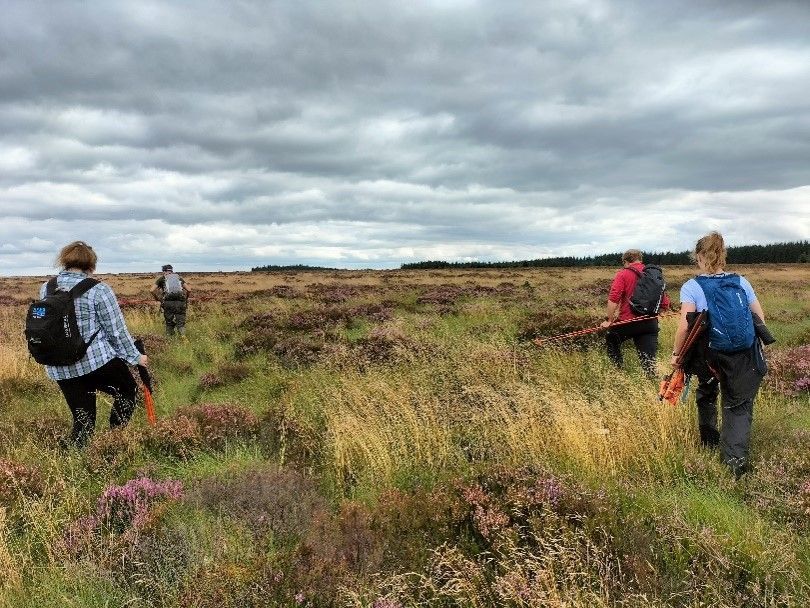
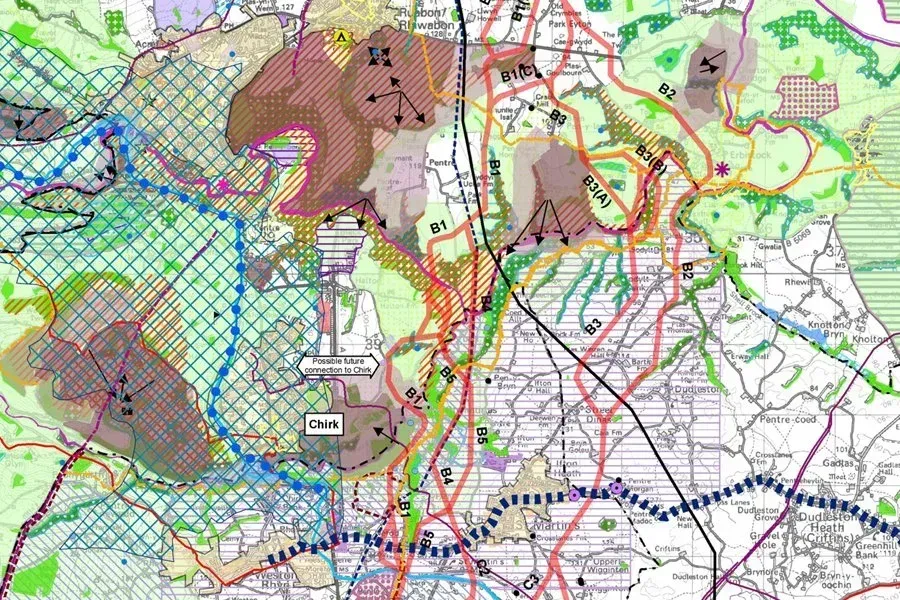
For the peat survey, we developed a bespoke FieldMaps tool to capture peat depth and condition, GPS-tagged locations, vegetation notes, and drainage features. Over 760 hectares were surveyed, with 976 data points recorded. Maximum peat depth was 9.5m, averaging 1.85m. Habitats surveyed included blanket bog, deep peat, fenland, upland moor, and heavily grazed improved grassland. Hydrological mapping identified project area catchment boundaries, artificial features such as drainage, and overall flow pathways.
We combined these datasets into an interactive webmap, displaying peat depth, habitat data, land ownership, hydrology, and forestry plans. A complementary StoryMap summarised project objectives, landscape pressures, and restoration opportunities, while an interactive Opportunities Dashboard allowed users to explore potential interventions and quantify their impact on habitat, river length, drainage, and water quality. These tools have supported NNPA in stakeholder engagement and landowner discussions and the project directly contributed to NNPA’s successful DEFRA Landscape Recovery funding application, enabling a multi-million-pound restoration project to begin in July 2024.
As Steven Lipscombe, Project Officer, notes: “TEP was contracted to deliver a complex project with novel outcomes. The project posed interesting challenges, and all along TEP have shown adaptability and commitment.”